How May Temperature Changes Affect Wine Storage in Home Cellars
Understanding the Science Behind Wine and Temperature
Most wine enthusiasts understand that temperature matters, but few realize just how dramatically thermal fluctuations can transform their carefully curated collection. When you store a bottle of Cabernet Sauvignon at 75°F instead of the ideal 55°F, you’re not just affecting its immediate drinkability—you’re fundamentally altering the wine’s chemical structure at a molecular level.
The relationship between temperature and wine storage goes far deeper than simple preservation. It touches on complex chemical reactions, volatile compound behavior, and the delicate balance that separates an exceptional vintage from a disappointing pour.
How Temperature Affects Wine’s Chemical Composition
Temperature acts as a catalyst for chemical reactions within wine, and these reactions never stop—they only slow down or speed up. At temperatures above 70°F, the rate of chemical aging doubles for every 18°F increase. This means a bottle stored at 77°F ages twice as fast as one kept at 59°F.
The most critical reactions involve tannins, which provide structure and mouthfeel. Higher temperatures cause tannins to polymerize more rapidly, leading to premature softening that can make a wine taste flat and lifeless. Conversely, temperatures below 45°F slow these reactions so dramatically that the wine may never reach its intended flavor profile.
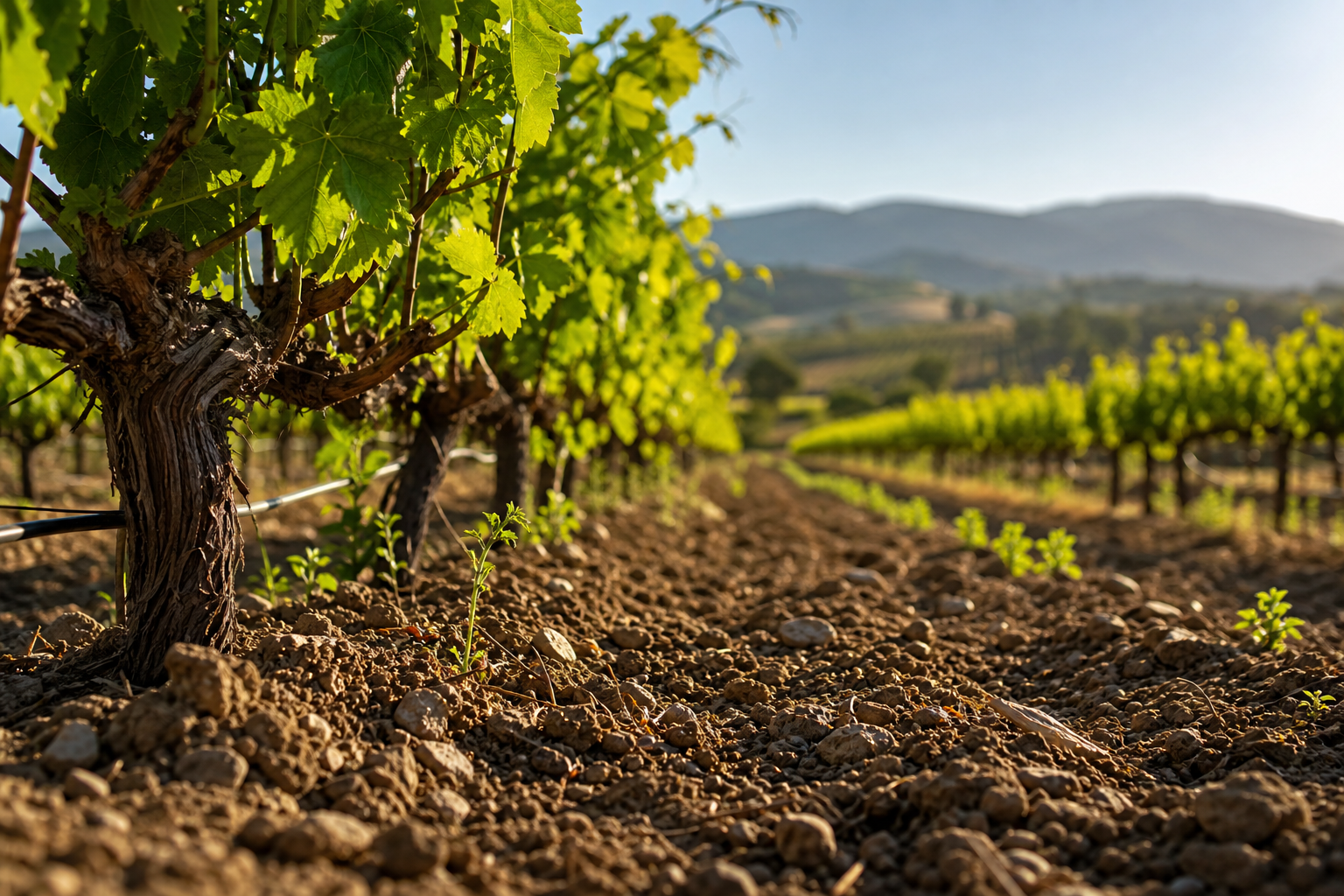
Volatile compounds present another challenge. Esters and aldehydes that create fruity and floral notes become increasingly active as temperatures rise. While sustainable vineyard practices help create wines with balanced compound structures, improper storage can undo years of careful winemaking in just months.
Alcohol expansion also plays a crucial role. Wine contains 12-15% alcohol, which expands significantly with heat. This expansion can push corks outward, breaking the seal and allowing oxygen infiltration—the enemy of long-term wine storage.
The Difference Between Serving Temperature and Storage Temperature
Many collectors confuse serving temperature with storage temperature, leading to costly mistakes. Serving temperatures are designed to optimize immediate taste perception, while storage temperatures focus on long-term preservation.
Red wines are typically served between 60-68°F to highlight their complex flavors and aromas. However, storing them at these temperatures would cause rapid aging and potential spoilage. The ideal storage temperature range of 55-59°F keeps red wines stable while allowing slow, graceful evolution.
White wines present an even starker contrast. While they’re served chilled at 45-50°F, storing them this cold can inhibit proper development. The reduced molecular activity prevents the subtle integration of flavors that occurs during proper aging.
Consider Temecula’s climate variations: summer temperatures can reach 95°F while winter nights drop to 35°F. Without climate control, your home cellar experiences these same extremes, subjecting your collection to serving temperatures during hot days and near-freezing conditions during cold spells.
Why Consistent Temperature Matters More Than Perfect Temperature
Temperature stability trumps absolute precision in wine storage. A cellar maintained at a steady 62°F will preserve wine better than one fluctuating between 55°F and 60°F daily.
These fluctuations cause the wine to expand and contract repeatedly, creating a pumping action that draws air past the cork. Each cycle introduces small amounts of oxygen, gradually oxidizing the wine. Research shows that temperature swings greater than 5°F can reduce a wine’s aging potential by 30-50%.
The cork itself responds to temperature changes. Natural cork expands when warm and contracts when cool. Frequent cycling causes microscopic gaps that compromise the seal. Synthetic corks and screwcaps eliminate this issue, which explains why many Temecula wineries are adopting alternative closures for wines intended for home storage.
Understanding winter grape dormancy can help collectors appreciate why consistency matters so much in storage—just as vines need stable conditions during dormancy to produce quality fruit, wines need stable conditions to develop properly.
Common Misconceptions About Wine Storage Temperature
The biggest myth suggests that cooler is always better. While excessive heat damages wine quickly, overcooling creates its own problems. Wines stored below 45°F may never develop their intended complexity, remaining forever young but never maturing.
Another misconception involves refrigerator storage. Standard refrigerators operate at 35-38°F with extremely low humidity (30-50%). This combination dries out corks and strips moisture from labels while keeping wines in suspended animation.
Many collectors also believe that expensive wine thermometers guarantee accurate storage conditions. However, most home hygrometers have accuracy ranges of ±3°F, making precise temperature control nearly impossible without professional-grade equipment.
Finally, the myth that brief temperature spikes don’t matter persists among casual collectors. Even short-term exposure to extreme temperatures can cause irreversible damage, particularly in older or more delicate wines.
Identifying Temperature Risks in Your Home Cellar
Seasonal Temperature Fluctuations and Their Impact
Temperature swings throughout the year pose the greatest threat to wine stored in home cellars. During summer months, even well-insulated spaces can experience temperature increases of 10-15 degrees Fahrenheit above winter levels. These fluctuations cause wine to expand and contract within the bottle, potentially pushing corks outward and allowing oxygen infiltration.
Spring and fall transitions create particularly challenging conditions. Rapid temperature changes during these periods stress wine more than gradual seasonal shifts. A sudden 20-degree temperature drop over 24 hours can cause wine sediment to become disturbed, affecting both clarity and flavor development. Professional winemakers understand that consistent temperatures between 55-65°F maintain optimal aging conditions.
Winter heating systems often create the most unpredictable cellar environments. Forced-air heating can cause daily temperature swings of 5-8 degrees, while radiant heating provides more stable conditions. The key is maintaining steady wine storage temperature rather than achieving perfect coolness with constant variation.
Heat Sources That Threaten Your Collection
Common household heat sources create invisible threats to wine collections. Water heaters located near storage areas generate consistent warmth that gradually elevates cellar temperatures. Even when separated by walls, heat radiates through building materials over time.
Kitchen appliances present another significant risk. Dishwashers, ovens, and refrigerators emit heat during operation cycles. A wine storage area adjacent to a kitchen can experience temperature spikes of 8-12 degrees during meal preparation periods. These repeated heating cycles accelerate wine aging and can create off-flavors.
Electrical equipment poses subtler dangers. Lighting fixtures, especially incandescent bulbs, generate substantial heat. LED alternatives produce 75% less heat while providing adequate illumination for cellar inspection. HVAC ducts running through storage spaces transfer heated or cooled air, creating temperature inconsistencies that affect wine cellar temperature stability.
Direct sunlight through windows creates hotspots that can reach 90-100°F during peak afternoon hours. Even north-facing windows allow enough light penetration to warm storage areas beyond acceptable ranges. Professional installations typically eliminate all natural light sources to maintain proper storing wine conditions.
Signs Your Wine May Have Suffered Temperature Damage
Visual inspection reveals several indicators of temperature-related wine damage. Corks pushed partially out of bottle necks suggest repeated expansion and contraction cycles. Wine staining around the cork or bottle neck indicates seepage caused by internal pressure changes.
Color changes provide another diagnostic tool. Red wines affected by excessive heat often develop brownish tinges, while whites may appear deeper golden than expected. These color shifts indicate oxidation accelerated by temperature stress. The transformation mirrors natural aging processes but occurs much faster under poor storage conditions.
Sediment patterns can reveal temperature abuse. Properly stored wines develop fine, settled sediment over time. Heat-damaged wines often show cloudy or disturbed sediment throughout the bottle. This disturbance affects both appearance and taste, creating harsh or bitter flavors that mask the wine’s intended character.
Cork condition offers additional clues during opening. Heat-damaged wines often have dried, crumbly corks that break apart during removal. The cork may smell musty or show signs of wine penetration beyond normal levels. These physical changes correlate directly with aging timeline disruptions that affect flavor development.
Monitoring Tools Every Home Cellar Needs
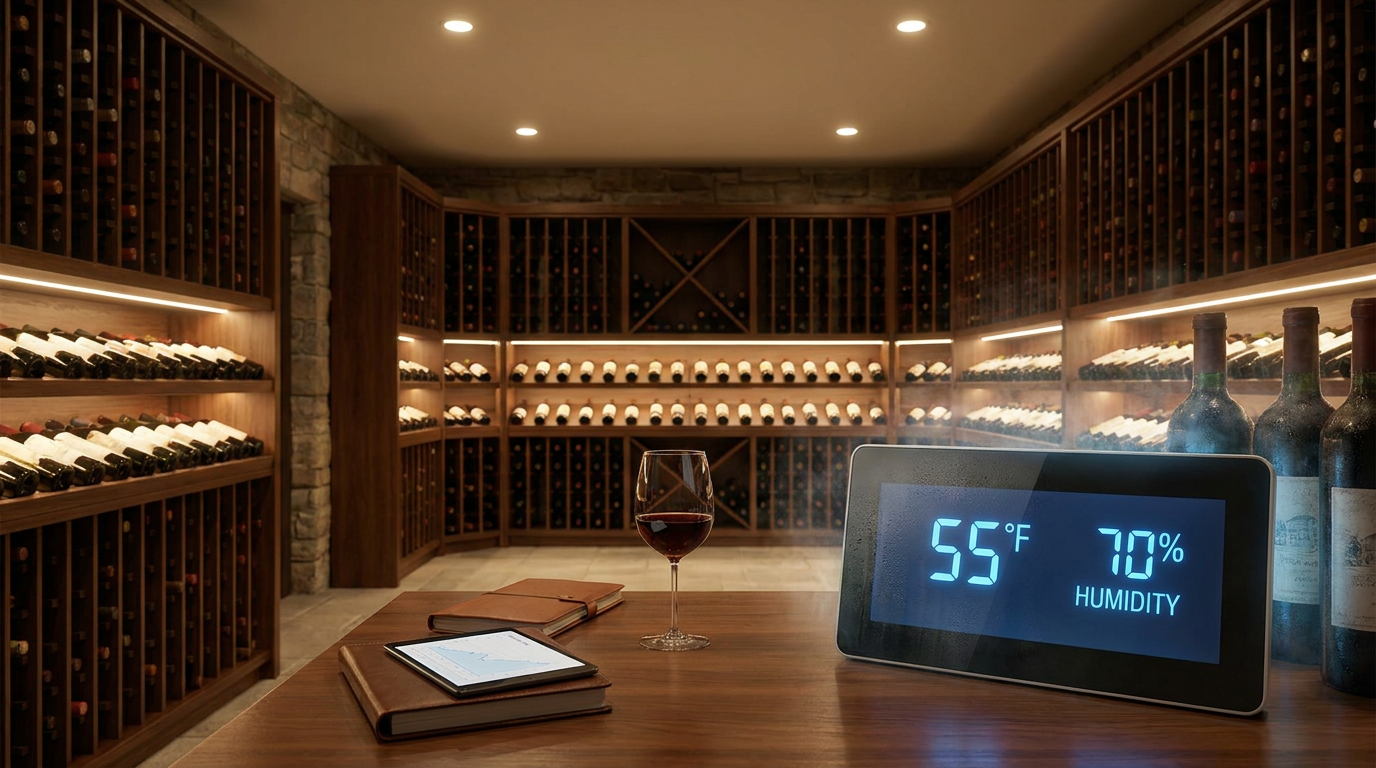
Digital thermometers with memory functions provide essential temperature tracking capabilities. Models that record maximum and minimum daily temperatures reveal fluctuation patterns over time. Monthly temperature logs help identify seasonal trends and problem periods requiring attention.
Wireless monitoring systems allow remote temperature checking through smartphone apps. These systems send alerts when temperatures exceed preset ranges, enabling quick response to equipment failures or unexpected heat sources. Battery backup ensures monitoring continues during power outages.
Thermometer placement requires strategic consideration. Position sensors at different heights within the storage area, as warm air rises and creates temperature gradients. Corner locations often show the most extreme readings, while central positions provide average conditions. Multiple sensors reveal hot and cold spots that single-point monitoring might miss.
Data logging capabilities help establish baseline conditions and track improvement efforts. Weekly downloads create historical records that identify patterns and validate storage modifications. This information proves invaluable when evaluating the effectiveness of insulation improvements or ventilation system adjustments.
Creating Stable Temperature Conditions
Insulation Strategies for Different Home Types
The type of home you live in significantly impacts how you’ll approach wine storage temperature control. Older homes built before 1980 often lack adequate insulation, making temperature fluctuations more dramatic and harder to control. These homes require additional insulation layers around storage areas, particularly in basements where concrete walls can transfer outdoor temperature changes directly to your wine collection.
Modern homes with better insulation present different challenges. While they maintain more consistent indoor temperatures, they often rely heavily on HVAC systems that create dry conditions harmful to cork integrity. The key is identifying the most naturally stable area within your home’s structure. Basements typically offer the best starting point, but interior closets on lower floors can work well too.
For homes without basements, creating a dedicated storage space requires more creative solutions. Converting a pantry or unused closet involves adding foam board insulation to walls and installing a vapor barrier to prevent moisture issues. The investment in proper insulation pays off through reduced energy costs and better wine preservation over time.
Cooling Systems: From Basic to Professional Grade
Basic wine storage cooling starts with simple solutions that many collectors overlook. A quality wine refrigerator sized for your collection can maintain consistent temperatures between 55-60°F while protecting bottles from light and vibration. These units work particularly well in Temecula’s climate, where outdoor temperatures can swing dramatically between seasons.
Mid-range cooling systems include through-wall units designed specifically for wine storage. These systems maintain both temperature and humidity while being more energy-efficient than standard air conditioning. They typically cost between $800-2,000 but provide professional-grade control for serious collectors.
Professional-grade cooling systems represent the top tier of home wine storage. These ducted systems can cool entire rooms while maintaining precise temperature and humidity control. Many winery professionals in the region recommend these systems for collections exceeding 500 bottles, as they provide the stability needed for long-term aging.
Split systems offer another professional option, placing the noisy compressor outside while keeping the evaporator unit inside your storage space. This approach reduces vibration while providing powerful cooling capacity for larger collections.
Natural Temperature Control Methods
Smart placement within your home can dramatically improve wine storage conditions without mechanical cooling. Underground or partially underground spaces naturally maintain more stable temperatures year-round. Even homes without traditional basements often have crawl spaces that can be converted into effective storage areas.
Thermal mass techniques help stabilize temperature fluctuations naturally. Adding thermal mass through water containers, sand, or even additional wine bottles creates a buffer against rapid temperature changes. This method works particularly well when combined with proper insulation strategies.
Strategic ventilation can also help maintain stable conditions. Creating cross-ventilation patterns that avoid direct airflow over wine bottles helps prevent rapid temperature shifts while maintaining air circulation needed to prevent musty odors. The goal is gentle air movement rather than strong currents that could disturb sediment in aging wines.
Passive cooling techniques include positioning storage away from heat sources like water heaters, furnaces, and exterior walls that receive direct sunlight. Interior walls typically provide the most stable thermal environment for wine storage applications.
Backup Plans for Power Outages and Equipment Failures
Power outages pose serious risks to temperature-controlled wine storage, particularly during Temecula’s summer heat waves. A well-insulated storage space provides the first line of defense, maintaining stable temperatures for 24-48 hours even without active cooling. This natural thermal buffer gives you time to implement emergency measures.
Battery backup systems designed for wine cooling equipment can extend protection during shorter outages. These systems typically provide 4-8 hours of continued operation, enough to weather most local power disruptions. For longer outages, portable generators become necessary, though they require proper ventilation and safety precautions.
Equipment failure backup plans should include emergency cooling solutions like portable air conditioning units and temporary relocation strategies. Identifying alternative storage locations beforehand, such as a friend’s temperature-controlled space, prevents panic decisions during equipment failures.
Regular maintenance schedules help prevent unexpected failures. This includes cleaning cooling system filters, checking refrigerant levels, and testing backup systems quarterly. Professional service contracts provide additional peace of mind for expensive cooling equipment.
Temperature monitoring systems with smartphone alerts allow immediate response to problems. These systems can notify you of temperature excursions before they damage your collection, giving you time to implement backup measures effectively.
Temperature Management by Wine Type
Red Wine Storage Requirements and Tolerances
Red wines demonstrate remarkable resilience to temperature fluctuations, but maintaining proper storage conditions ensures optimal aging potential. Most red varietals thrive in temperatures between 55°F and 65°F, with Cabernet Sauvignon and Malbec showing particular tolerance to slightly warmer conditions up to 68°F for short periods.
Bold reds like Petite Sirah and Zinfandel actually benefit from consistent temperatures around 60°F, which allows their complex tannin structures to develop properly over time. Temperature swings exceeding 10°F within 24 hours can cause cork expansion and contraction, potentially compromising the seal and allowing unwanted oxygen exposure.
Pinot Noir requires more delicate handling, preferring the cooler end of the spectrum at 55°F to 58°F. This lighter red wine shares characteristics with white wines in its sensitivity to heat, making temperature stability crucial for preserving its subtle fruit profiles and earthy undertones that develop during extended cellar aging.
White Wine and Rosé Considerations
White wines demand cooler storage temperatures than their red counterparts, typically requiring conditions between 45°F and 55°F for optimal preservation. Chardonnay, particularly oak-aged varieties, can tolerate the upper range of this spectrum, while delicate varietals like Riesling and Sauvignon Blanc perform best at the cooler end.
Rosé wines present unique challenges because they combine characteristics of both red and white wine production methods. These wines should be stored at 50°F to 55°F, avoiding temperature spikes that can accelerate color degradation and diminish their fresh, vibrant characteristics that make them perfect for educational workshops focused on seasonal wine appreciation.
Crisp white wines like Albariño and Vermentino are particularly vulnerable to temperature abuse. Exposure to temperatures above 70°F for extended periods can result in premature oxidation, causing the wine to develop flat, cooked flavors that mask the bright acidity and mineral notes these wines are known for.
Sparkling Wine and Champagne Special Needs
Sparkling wines require the most stringent temperature control of all wine categories, demanding consistent storage between 45°F and 50°F. The carbonation process creates additional pressure sensitivity, making temperature fluctuations particularly damaging to both cork integrity and bubble structure.
Traditional method sparkling wines, including Champagne and quality Crémant, contain secondary fermentation byproducts that remain stable only under cool conditions. Temperature spikes above 60°F can trigger unwanted chemical reactions, creating off-flavors and reducing the wine’s characteristic effervescence.
Prosecco and other tank-method sparkling wines show even greater sensitivity to temperature variations. These wines lack the protective compounds developed during extended lees aging, making proper temperature management essential for maintaining their fresh, fruity profiles. Home cellars storing sparkling wines should prioritize consistent cooling systems over fluctuating ambient temperatures.
Fortified Wines and Long-Term Aging Wines
Fortified wines like Port, Sherry, and Madeira demonstrate exceptional temperature tolerance due to their higher alcohol content, typically handling storage temperatures between 55°F and 70°F without significant quality degradation. However, vintage Ports intended for decades of aging benefit from consistent temperatures around 58°F to 60°F.
Long-term aging wines require the most stable temperature environments, as these bottles may spend 10 to 30 years in storage before reaching maturity. Bordeaux first growths, Barolo, and premium Burgundy demand temperature consistency within 2°F to 3°F year-round, making professional-grade cellar management essential for serious collectors.
Sweet dessert wines occupy a middle ground, with late-harvest Rieslings and Sauternes preferring storage temperatures between 50°F and 58°F. These wines contain higher residual sugar levels that can ferment if exposed to warm conditions, potentially creating unwanted carbonation and off-flavors that compromise their intended profiles.
Understanding these temperature requirements becomes particularly important when building a diverse collection that might include selections from our curated wine offerings, where each bottle represents specific storage needs based on style and aging potential. Proper temperature management ensures every wine reaches its intended expression when finally opened.
Troubleshooting Common Temperature Problems
Dealing with Extreme Weather Events
Power outages during heat waves pose the biggest threat to wine collections. Your cooling system fails, and temperatures can spike to dangerous levels within hours. The key is creating backup systems that kick in automatically when the primary cooling fails.
Install a battery backup system for your cooling unit that provides at least 12-24 hours of operation. This gives you time to address power issues or move wines to a safer location. Some collectors in Temecula use generator systems, but these require proper ventilation and regular maintenance.
Insulation becomes your best friend during extreme weather. If your cellar lacks proper insulation, temperatures will swing wildly with outside conditions. Add rigid foam insulation to walls and consider upgrading your vapor barrier. This creates a buffer against temperature spikes and reduces the workload on your cooling system.
Winter freezing presents different challenges. Wine can freeze at around 15-20°F, expanding and potentially pushing corks out or cracking bottles. Ensure your cellar’s heating elements work properly, and consider adding a freeze alarm that alerts you when temperatures drop too low.
Retrofitting Existing Spaces for Better Climate Control
Basements often seem perfect for wine storage temperature control, but many have humidity and ventilation issues. Start by sealing air leaks around pipes, windows, and doors. Even small gaps can let in outside air that disrupts your carefully controlled environment.
Adding a dedicated HVAC zone for your wine area gives you precise control over temperature and humidity. This involves installing separate ductwork and controls, but it’s often more cost-effective than a full cooling unit replacement. You’ll get better temperature stability and lower energy costs.
Wall modifications might be necessary for proper insulation. Remove existing drywall and install closed-cell spray foam insulation with a vapor barrier. This prevents moisture infiltration and creates consistent wine cellar temperature conditions throughout the space.
Electrical upgrades often accompany retrofitting projects. Wine cooling systems need dedicated circuits, and you’ll want outlets positioned for optimal airflow. Consider adding monitoring systems that track temperature and humidity levels continuously, sending alerts to your phone when conditions drift outside acceptable ranges.
Budget-Friendly Solutions for Temperature Stability
Thermal mass helps stabilize temperature fluctuations without expensive equipment. Add concrete blocks, stone, or even water-filled containers to your cellar. These materials absorb and release heat slowly, smoothing out temperature swings from your cooling system cycling on and off.
Reflective insulation costs much less than traditional methods but still provides decent temperature control. Install radiant barriers on walls and ceilings to reflect heat away from your wine storage area. This works particularly well in spaces that receive direct sunlight.
Smart thermostats designed for wine cellars cost under $300 but can dramatically improve temperature consistency. They learn your cooling system’s behavior and adjust cycles to minimize temperature swings. Some models even factor in weather forecasts to pre-cool before hot days.
DIY monitoring systems using wireless sensors provide professional-grade tracking at consumer prices. Place multiple sensors throughout your storage area and track data on your smartphone. This helps you identify problem spots and adjust your setup accordingly.
Evaporative cooling works in dry climates and costs significantly less than refrigerated systems. These units work best when storing wine properly in areas with low humidity, though they’re not suitable for all wine storage temperature requirements.
When to Consider Professional Cellar Design
Collections worth over $10,000 warrant professional design consultation. The cost of losing valuable wines to temperature problems often exceeds the investment in proper climate control systems. Professional designers understand the specific requirements for different wine types and storage durations.
Structural modifications require professional expertise. If you’re removing walls, adding drainage, or modifying electrical systems, hire certified contractors familiar with wine storage requirements. Poor installation can create bigger problems than the original temperature issues.
Complex cooling needs exceed DIY capabilities. Multi-zone temperature control, integrated humidity management, and backup systems require professional-grade equipment and installation. A winery professional can assess your specific needs and recommend appropriate solutions.
Building codes and permits often apply to cellar modifications. Professional designers navigate these requirements and ensure your installation meets safety standards. This protects your investment and ensures insurance coverage remains valid.
Long-term maintenance becomes easier with professional systems. They typically include service contracts and warranty coverage that DIY solutions lack, providing peace of mind for serious collectors who depend on consistent wine cellar temperature control.
Long-Term Cellar Management and Maintenance
Seasonal Maintenance Routines
Your home cellar requires different attention throughout the year, especially in Temecula’s climate where seasonal temperature swings can challenge even well-designed systems. Spring brings the most critical maintenance period, when you should thoroughly inspect insulation, check door seals, and test your cooling unit’s performance after winter dormancy.
During summer months, monitor your system more frequently (weekly checks are ideal) since this is when equipment works hardest. Clean condenser coils monthly, replace air filters, and verify that exhaust fans are functioning properly. The increased workload during hot weather can reveal weaknesses that weren’t apparent during milder seasons.
Fall maintenance focuses on preparing for temperature fluctuations. Calibrate thermometers and hygrometers, inspect electrical connections, and ensure backup systems are operational. Winter offers the perfect opportunity for deep cleaning and equipment servicing, when cooling demands are lowest and you can safely shut down systems for maintenance without risking your collection.
Record Keeping for Temperature and Humidity
Systematic record keeping transforms cellar management from guesswork into precision. Digital data loggers provide continuous monitoring, but manual daily readings offer invaluable insight into your cellar’s behavior patterns. Track not just current readings, but also note when equipment cycles on and off, unusual weather conditions, and any changes you make to settings.
Create detailed logs that include outdoor temperatures, indoor cellar readings, humidity levels, and equipment runtime. This data reveals trends that help predict problems before they damage your wines. For instance, if you notice your cooling system running longer during specific weather patterns, you can proactively adjust settings or schedule maintenance.
Modern smartphone apps can streamline this process, sending alerts when readings fall outside acceptable ranges. However, physical logbooks remain valuable backup systems and provide historical context that digital displays can’t match. Many serious collectors maintain both digital and written records, creating redundancy that protects against data loss.
Upgrading Your System as Your Collection Grows
Most wine enthusiasts start with modest storage solutions, then discover their needs evolving as their passion deepens. What works for fifty bottles becomes inadequate for five hundred, and upgrading requires careful planning to protect your existing collection during transitions.
Capacity increases demand more sophisticated climate control systems. Basic cooling units that maintain adequate temperatures for small collections struggle with larger spaces, leading to temperature stratification and inconsistent conditions. Professional-grade systems offer zone control, allowing different areas to maintain specific conditions for various wine styles.
Consider modular expansion when designing upgrades. Installing oversized cooling capacity initially costs more but provides flexibility for future growth without complete system replacement. Similarly, running extra electrical circuits during initial construction saves significant renovation costs later when you need additional equipment power.
Insulation upgrades often become necessary as collections expand. What seemed sufficient for a small closet conversion proves inadequate for larger cellars. Adding vapor barriers, upgrading insulation thickness, and sealing air leaks becomes critical when maintaining consistent wine storage temperature across larger spaces.
Insurance and Documentation Considerations
Proper documentation protects both your collection and your investment. Insurance companies require detailed inventories, including purchase dates, storage conditions, and current valuations. Temperature logs demonstrate proper care, supporting claims and potentially reducing premiums through risk mitigation.
Photograph your cellar setup, including cooling equipment model numbers, thermometer calibration certificates, and storage configurations. This documentation proves professional-level care that insurance adjusters value when assessing claims. Many collectors don’t realize that standard homeowner’s policies provide minimal wine coverage, making specialized wine insurance essential for valuable collections.
Professional appraisals become necessary as collections grow in value. These assessments require documentation of proper storage conditions, including temperature stability records and humidity control measures. The investment in proper winery quality storage conditions pays dividends through insurance coverage and resale value protection.
Maintaining optimal wine cellar temperature requires commitment, knowledge, and systematic attention to detail. Whether you’re storing everyday drinking wines or building a serious collection for the future, these maintenance practices ensure your wines develop properly and retain their intended character. The effort invested in proper cellar management rewards you with wines that deliver their full potential, creating memorable experiences that justify every temperature reading and maintenance session you’ve carefully documented along the way.