Corporate Group Wine Events During May Holiday Weekend
Planning Your Corporate Wine Event for May Holiday Weekend
Memorial Day weekend brings a perfect storm of opportunity for corporate teams looking to strengthen bonds while celebrating the unofficial start of summer. The three-day weekend creates an ideal window for extended team building experiences that go beyond typical office gatherings. In Temecula’s wine country, May offers exceptional conditions for outdoor corporate events, with mild temperatures and clear skies setting the stage for memorable vineyard experiences.
The holiday weekend timing means your team can enjoy a relaxed atmosphere without the pressure of returning to work the next day. This creates natural opportunities for deeper conversations and relationship building that might not happen during typical workday events. Corporate planners who book vineyard experiences during this period often find their teams more engaged and willing to participate in interactive wine education sessions.
Why May Holiday Weekend Creates Unique Opportunities
May weather in Temecula transforms the vineyard landscape into an ideal setting for corporate gatherings. Temperatures typically range from 65-75 degrees during the day, creating comfortable conditions for both indoor tastings and outdoor vineyard tours. The extended daylight hours allow for flexible scheduling, whether your team prefers morning barrel tastings followed by afternoon team challenges or evening wine pairings under string lights.
The holiday timing also means reduced competition for premium time slots. While summer weekends book quickly, Memorial Day weekend often sees availability at sought-after venues that might otherwise be reserved months in advance. This gives corporate planners access to exclusive experiences like private wine tasting sessions with winemakers or behind-the-scenes vineyard tours typically reserved for VIP groups.
Restaurant partnerships during holiday weekends often feature special menus designed to complement wine selections. These collaborations create opportunities for enhanced team dining experiences that go beyond standard corporate catering options.
Choosing Between Public and Private Vineyard Experiences
Public wine tours during Memorial Day weekend offer cost-effective options for smaller corporate teams (typically 8-12 people). These shared experiences can actually enhance team dynamics by encouraging interaction with other wine enthusiasts, creating natural conversation starters and networking opportunities. The casual atmosphere helps break down workplace hierarchies as team members discover shared interests in wine appreciation.
Private vineyard experiences become essential for larger groups or teams requiring confidential discussion opportunities. Executive teams often prefer the controlled environment of a private winery setting where business conversations can flow naturally alongside wine education. Private events also allow customization of tasting selections to match team preferences or dietary restrictions.
Consider hybrid approaches that combine both elements. Start with a private welcome reception at the winery, then join a structured public tour, finishing with a private group lunch. This format maximizes both team bonding and educational value while managing costs effectively.
Booking Timeline and Availability Considerations
Memorial Day weekend reservations typically open 90-120 days in advance at premium Temecula venues. Corporate groups should secure dates by February to ensure optimal time slots and venue selection. Popular afternoon slots (2-5 PM) book fastest, as they allow teams to enjoy wine without disrupting evening family plans.
Transportation arrangements require earlier booking during holiday periods. Private shuttle services experience high demand, so corporate planners benefit from confirming transportation simultaneously with venue reservations. Some wineries offer package deals that include transportation, which can simplify logistics while potentially reducing overall costs.
Flexibility in date selection can unlock significant savings. Teams willing to consider the Friday before Memorial Day or the Tuesday after often find premium experiences at reduced rates. Private wine tastings during these shoulder periods offer the same quality experience with added exclusivity.
Weather Contingency Planning for Outdoor Events
May weather in Temecula remains generally stable, but successful corporate events require backup plans for unexpected conditions. Most established wineries offer indoor alternatives that maintain the same intimate atmosphere as outdoor venues. These spaces often feature temperature-controlled environments that actually enhance wine tasting conditions.
Afternoon wind patterns common in May can affect outdoor dining comfort. Events scheduled for 1-3 PM typically avoid peak wind conditions while taking advantage of optimal lighting for team photos and vineyard views. Consider venues with covered patios or pergolas that provide natural wind protection without sacrificing the outdoor experience.
Communication protocols become crucial for weather-related changes. Establish clear contact procedures with your venue coordinator and team members. Some corporate groups create group messaging systems to share real-time updates about potential schedule adjustments or alternative activities.
Selecting the Right Vineyard Experience for Your Team
Matching Venue Size to Group Demographics
Corporate groups ranging from 8 to 50 people require different spatial considerations that directly impact the intimacy and effectiveness of wine experiences. Teams of 8-15 participants thrive in smaller tasting rooms where conversations flow naturally and everyone can engage directly with the sommelier. These intimate settings foster stronger connections between colleagues and create memorable shared experiences that enhance team dynamics.
Mid-sized groups of 16-30 people benefit from venues offering flexible spaces that can accommodate both structured activities and organic networking moments. The winery environment should provide enough room for small breakout conversations while maintaining group cohesion during guided tastings. Consider venues with outdoor terraces or covered patios that naturally segment larger groups without creating isolation.
Groups exceeding 30 participants need venues with dedicated event spaces and professional sound systems to ensure clear communication throughout the experience. Large corporate gatherings often include executives, clients, or multiple departments with varying wine knowledge levels, requiring venues equipped to handle diverse engagement needs simultaneously.
Estate Tours vs. Tasting Room Experiences
Estate tours offer unparalleled educational value for corporate groups seeking meaningful team building beyond typical office activities. Walking through vineyards provides natural conversation starters and creates shared memories that colleagues reference long after returning to work. The physical movement involved in touring helps break down professional barriers and encourages more authentic interactions between team members.
Tasting room experiences excel for time-constrained corporate schedules or weather-sensitive May weekend plans. These controlled environments allow for more structured wine education and can easily accommodate dietary restrictions or accessibility needs. The focused setting enables deeper exploration of wine varietals and regional characteristics that enhance the overall learning experience.
Combination experiences balance education with entertainment by starting with brief estate walks followed by extended tasting sessions. This format works exceptionally well for corporate wine events that blend team building with client entertainment, providing flexibility to adjust timing based on group energy and weather conditions.
Accessibility and Transportation Logistics
Transportation planning directly impacts the success of corporate vineyard experiences, particularly during busy May holiday weekends when traffic and parking limitations create additional challenges. Groups should secure transportation arrangements at least six weeks in advance, considering both arrival logistics and safe departure planning after wine consumption.
Venue accessibility extends beyond physical accommodations to include parking availability for multiple vehicles or charter buses. Temecula’s winding vineyard roads can challenge larger vehicles, making venue selection crucial for groups with mobility considerations or those preferring chartered transportation. Confirm loading and unloading areas that accommodate professional drivers unfamiliar with vineyard locations.
Consider venues offering on-site parking or partnerships with local transportation services to eliminate coordination stress for event organizers. Some wineries provide shuttle services between tasting locations, which can enhance the experience while addressing liability concerns for corporate hosts responsible for employee safety during company-sponsored events.
Customizing Wine Selection for Diverse Palates
Corporate groups typically include wine enthusiasts alongside complete beginners, requiring carefully curated selections that engage experienced palates without overwhelming newcomers. Start tastings with lighter varietals like Sauvignon Blanc or Pinot Grigio before progressing to more complex reds, allowing participants to develop their palates progressively throughout the experience.
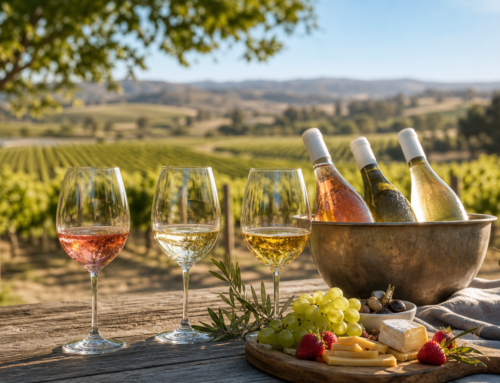
Offering both traditional and innovative wine options accommodates diverse preferences while sparking interesting conversations about regional winemaking techniques. Include at least one rosé option, which serves as an excellent middle ground for groups with mixed red and white wine preferences. The versatility of rosé often surprises corporate participants and creates memorable talking points.
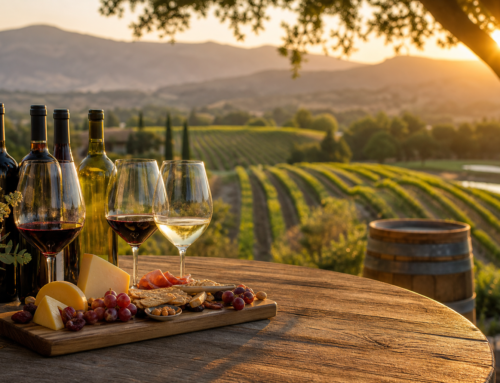
Consider incorporating wine and food pairing elements that showcase how different varietals complement various flavors. Small bites or appetizer pairings enhance the educational aspect while providing necessary food intake during extended wine tasting sessions. These pairings also accommodate participants who may not typically enjoy wine on its own but appreciate the enhanced flavors created through thoughtful combinations.
Customization should also address seasonal preferences appropriate for May weather conditions. Lighter, refreshing wines often perform better during warmer spring days, while the pleasant May evenings in Temecula might call for slightly more robust selections that complement the comfortable outdoor temperatures typical of holiday weekends.
Maximizing Team Building Through Wine Activities
Structured Tasting Exercises That Build Communication
Creating meaningful connections within corporate teams requires activities that naturally encourage dialogue and shared discovery. Structured wine tasting exercises transform passive sipping into active collaboration, where team members articulate their sensory experiences and learn to appreciate different perspectives.
During guided tastings, groups receive scorecards that prompt detailed discussions about aroma, flavor profiles, and finish characteristics. This framework gives participants a common vocabulary for expressing their observations, often revealing surprising insights about communication styles within the team. Some individuals excel at describing subtle notes, while others focus on broader impressions.
The most effective exercises include blind tastings where teams work together to identify varietals or regions. This collaborative problem-solving approach removes hierarchy from the equation, as the marketing director might struggle while the quiet analyst demonstrates exceptional palate sensitivity. These moments create authentic bonding experiences that translate directly back to workplace dynamics.
Professional sommeliers facilitate these sessions by asking targeted questions that encourage debate and discussion. Teams learn to defend their opinions respectfully while remaining open to alternative viewpoints, skills that prove invaluable during project meetings and strategic planning sessions.
Blending Workshops as Collaborative Experiences
Wine blending workshops offer corporate groups the ultimate collaborative challenge, combining creativity, compromise, and shared decision-making into a single memorable experience. Teams receive individual components of Bordeaux-style blends, then work together to create their perfect combination through negotiation and experimentation.
The blending process mirrors many workplace scenarios where different departments must contribute their expertise toward a unified goal. Marketing teams might push for bold, attention-grabbing flavors while operations groups advocate for consistency and balance. These natural tensions create productive conversations about compromise and shared vision.
Each team member typically advocates for different percentages of Cabernet Sauvignon, Merlot, or Petit Verdot, requiring groups to test multiple combinations before reaching consensus. The process reveals individual preferences while forcing collective decision-making under time constraints, much like quarterly planning sessions or product development meetings.
Successfully blended wines become tangible symbols of team collaboration, with groups often choosing to bottle their creations as lasting reminders of their shared achievement. These custom bottles frequently appear on office desks or conference rooms, serving as conversation starters about effective teamwork long after the event concludes.
Vineyard Scavenger Hunts and Educational Tours
Interactive vineyard exploration combines physical activity with intellectual challenge, creating team building experiences that engage multiple learning styles simultaneously. Scavenger hunts throughout Temecula’s sprawling vineyard landscapes encourage groups to work together while discovering the intricate processes behind winemaking.
Teams receive clues that require collaboration to solve, from identifying specific grape varietals by leaf shape to locating historical markers throughout the property. These challenges naturally divide groups into smaller working units, allowing quieter team members to contribute their observational skills while more outgoing individuals coordinate group movements.
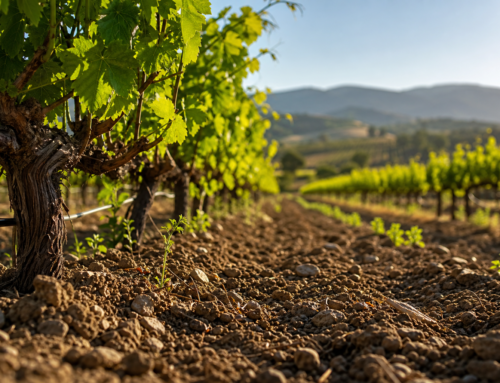
Educational components woven throughout the hunt provide context about viticulture, harvest timing, and regional terroir characteristics. Groups learn about soil composition, climate effects, and sustainable farming practices while solving puzzles that require different team members to contribute their unique knowledge and perspectives.
The ebikes option adds another layer of excitement and accessibility, allowing teams to cover more ground while accommodating different fitness levels. This transportation method creates natural conversation opportunities as team members ride together between stations, fostering informal connections that strengthen workplace relationships.
Wine and Food Pairing Challenges for Groups
Culinary pairing challenges transform corporate groups into collaborative culinary critics, requiring teams to analyze complex flavor interactions while working under friendly competitive pressure. These exercises develop critical thinking skills and encourage detailed communication about sensory experiences.
Teams rotate through stations featuring different wine and food combinations, from classic pairings like Pinot Noir with salmon to unexpected matches that challenge conventional wisdom. Each group must reach consensus on their rankings while articulating their reasoning to other teams, developing presentation skills in a relaxed, enjoyable environment.
The competitive element naturally emerges as teams defend their choices and debate the merits of different pairings. These discussions reveal individual priorities and decision-making processes, providing valuable insights into how team members approach problem-solving and express their opinions under pressure.
Professional chefs often participate in these sessions, providing expert commentary and revealing the technical principles behind successful pairings. This educational component transforms the challenge into a learning experience where teams gain practical knowledge they can apply to future business dinners or client entertainment situations. Groups planning their visit us experience can customize these challenges to match their specific team development goals and dietary preferences.
Managing Event Logistics and Guest Experience
Group Size Management and Seating Arrangements
Corporate groups typically range from 12 to 50 participants during Memorial Day weekend events, requiring strategic space allocation throughout the vineyard. The key challenge involves creating intimate conversation clusters while maintaining cohesive team dynamics across the entire experience.
Tables of six to eight participants work best for wine tasting sessions, allowing everyone to engage with sommelier presentations while fostering meaningful connections. Larger corporate groups benefit from rotating seating arrangements between tasting stations, mixing departments and hierarchical levels naturally throughout the afternoon.
Consider implementing assigned seating for the welcome reception, then transitioning to open seating during vineyard tours. This approach balances networking opportunities with structured learning experiences. Reserve premium seating locations (overlooking valley views) for key stakeholders while ensuring all participants feel equally valued.
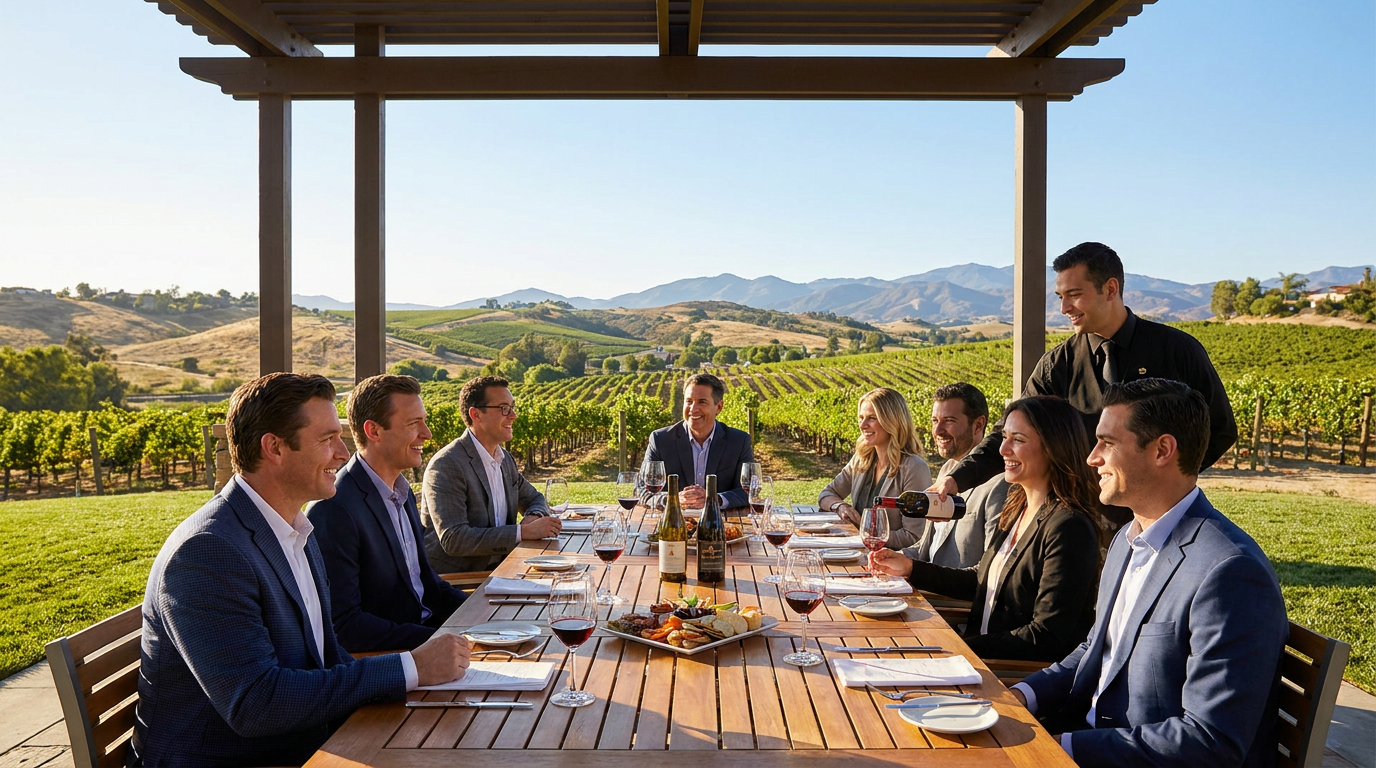
Outdoor pavilions accommodate larger groups effectively during May weather conditions, but backup indoor spaces remain essential for unexpected temperature changes. Request detailed headcount confirmations 48 hours before your event to optimize table configurations and avoid last-minute adjustments.
Designated Driver Solutions and Transportation
Memorial Day weekend wine events require comprehensive transportation planning, especially given increased holiday traffic throughout Temecula Valley. Corporate responsibility extends beyond workplace safety to ensuring every participant reaches home safely after extended tasting sessions.
Charter bus services provide the most practical solution for groups exceeding 15 participants, eliminating individual driving concerns while creating shared experiences during transit. Local transportation companies specializing in wine tour services understand optimal timing and vineyard accessibility requirements.
Rideshare coordination becomes complex during holiday weekends due to surge pricing and limited availability. Establish partnerships with preferred transportation providers well in advance, securing contracted rates and guaranteed pickup times for your corporate event.
Alternative approaches include designated driver rotations within departments, though this reduces tasting participation for some team members. Consider providing special recognition or alternative experiences for designated drivers, such as exclusive workshops focusing on vineyard operations or wine production techniques.
Hotel partnerships near the vineyard offer another solution, allowing participants to extend the weekend experience while eliminating transportation concerns entirely. Many corporate teams combine wine events with strategic planning retreats, maximizing both team building and business outcomes.
Dietary Restrictions and Alternative Beverages
Modern corporate groups present diverse dietary requirements that extend beyond traditional wine and cheese pairings. May events particularly benefit from lighter fare that complements warm weather conditions and extended outdoor activities.
Gluten-free, vegetarian, and vegan options should represent approximately 30% of your catering selection, based on typical corporate demographics. Local chefs specializing in wine country cuisine understand flavor profiles that enhance both alcoholic and non-alcoholic beverage experiences.
Non-alcoholic participants require thoughtful beverage alternatives beyond standard soft drinks. Craft mocktails using local ingredients, artisanal coffee presentations, and premium sparkling waters create inclusive experiences that mirror the sophistication of wine selections.
Food allergy considerations demand detailed advance planning, including separate preparation areas and clearly labeled serving stations. Professional winery staff coordinate with catering teams to prevent cross-contamination while maintaining seamless service flow.
Pregnant employees, recovering individuals, or those taking medications appreciate discrete alternatives that don’t highlight their abstinence. Consider implementing tasting cards that allow participants to sample without consuming, focusing on educational aspects rather than alcohol consumption exclusively.
Professional Photography and Event Documentation
Memorial Day corporate wine events create valuable content opportunities for internal communications, recruitment materials, and social media engagement. Professional documentation requires careful planning to capture authentic moments while respecting privacy preferences.
Establish photography protocols during initial reservation discussions, clarifying usage rights and participant consent requirements. Some employees prefer excluding their images from public marketing materials while remaining comfortable with internal company documentation.
Scenic vineyard backdrops during golden hour (approximately 7:00 PM in May) provide stunning group portraits that showcase both team dynamics and venue beauty. Professional photographers familiar with wine country settings understand optimal lighting conditions and crowd management techniques.
Candid moments during tasting sessions often produce the most engaging content, capturing genuine reactions and team interactions. However, balance documentation with present-moment experiences, ensuring cameras don’t interfere with authentic relationship building.
Create designated photo opportunities throughout the event timeline, including arrival reception, vineyard tours, and closing ceremonies. This structured approach ensures comprehensive coverage while allowing uninterrupted enjoyment during intimate tasting sessions.
Budgeting and Package Options for Corporate Groups
Understanding Vineyard Pricing Structures
Corporate wine tasting events in Temecula operate on tiered pricing models that reflect both the premium nature of the experience and the economies of scale possible with larger groups. Base packages typically start around $45-65 per person for standard tastings, while premium experiences can range from $85-150 per participant depending on wine selections and venue exclusivity.
May holiday weekend pricing often includes seasonal adjustments, with Memorial Day weekend commanding premium rates due to high demand. Smart corporate planners book 60-90 days in advance to secure standard pricing before holiday surcharges apply. The pricing structure accounts for factors like exclusive venue access, sommelier expertise, and the caliber of wines featured in your tasting flight.
Most Temecula wineries structure their corporate pricing around minimum group commitments rather than per-person maximums. This means groups of 12-15 people might pay the same total cost as groups of 20-25, making larger corporate gatherings more cost-effective per participant. Understanding these thresholds helps maximize your budget efficiency while ensuring every team member can participate.
All-Inclusive vs. À la Carte Service Options
All-inclusive packages streamline corporate event planning by bundling core services into predictable pricing. These comprehensive offerings typically include wine flights, appetizer pairings, venue rental, and basic service staff for 3-4 hours. The convenience factor appeals to busy executives who prefer single-invoice simplicity over managing multiple vendor relationships.
À la carte options provide greater customization flexibility for companies with specific requirements or budget constraints. You might choose premium wine tour elements like barrel tastings while selecting more modest food pairings, or invest heavily in exclusive wine selections while using standard venue spaces.
The decision between package types often depends on group dynamics and corporate culture. Conservative organizations frequently prefer all-inclusive predictability, while creative companies or startups might embrace à la carte customization to create unique experiences that reflect their brand personality. Consider your team’s preferences alongside your financial parameters when evaluating these approaches.
Group Discounts and Volume Pricing
Temecula wineries typically offer meaningful discounts starting at 15-person minimums, with savings increasing at 25, 40, and 60-person thresholds. These volume discounts can reduce per-person costs by 15-30% compared to individual pricing, making corporate events surprisingly affordable when planned strategically.
May holiday weekend presents unique negotiation opportunities despite premium base pricing. Wineries often prefer guaranteed large groups over uncertain individual bookings during busy periods. Mentioning your flexibility with specific dates within the weekend can unlock additional savings, as can committing to future corporate events or referrals.
Early booking discounts complement volume pricing to create substantial savings. Companies booking their Memorial Day weekend events in February or March often secure 10-20% early bird pricing that stacks with group discounts. This planning approach requires corporate commitment but delivers significant budget advantages while ensuring preferred venue availability.
Additional Services and Amenity Costs
Transportation represents a major additional cost consideration for corporate groups, particularly during holiday weekends when demand peaks. Professional wine tour transportation runs $200-400 per hour depending on vehicle size and luxury level, with most corporate events requiring 4-6 hours of service including travel time between multiple winery locations.
Enhanced food offerings beyond standard appetizer pairings add significant value but require budget planning. Artisan cheese boards, charcuterie presentations, or full lunch service can increase per-person costs by $25-75, though these upgrades often transform wine tastings into comprehensive corporate retreats that justify higher investment levels.
Photography and videography services capture corporate team building moments but represent optional expenses ranging from $300-800 for professional documentation. Some companies invest in these services to create internal marketing content or commemorate milestone achievements, while others rely on smartphone photography to control costs.
Private tasting room access, extended hours, and exclusive sommelier presentations command premium pricing but deliver exceptional corporate experiences. These luxury amenities might increase total event costs by 40-60% while creating memorable experiences that strengthen team bonds and demonstrate company investment in employee appreciation. The decision depends on your corporate culture and the strategic importance of the specific team gathering.
Post-Event Follow-Up and Lasting Impact
Wine Purchase Programs for Attendees
The most successful corporate wine events create opportunities for attendees to take home their favorite discoveries. Smart event organizers establish wine purchase programs that allow team members to order bottles directly from the vineyard at special group pricing. This transforms a single-day experience into lasting memories that extend well beyond the May holiday weekend.
Temecula wineries typically offer 15-20% discounts on case purchases made during corporate events, with convenient shipping options to employees’ homes. Some venues create customized wine clubs exclusively for corporate groups, providing quarterly shipments of seasonal selections. These programs generate additional revenue for the winery while giving employees ongoing reminders of their positive team experience.
Consider implementing a group ordering system where colleagues can combine purchases for better pricing tiers. Many companies allocate budget for employees to purchase one or two bottles as part of their event participation, turning wine selection into a thoughtful team-building exercise itself.
Collecting Feedback and Measuring Success
Post-event evaluation separates exceptional corporate experiences from forgettable outings. Within 48 hours of your May weekend event, distribute targeted surveys measuring specific aspects of the wine experience, team interaction quality, and venue satisfaction. Focus on actionable metrics rather than generic happiness ratings.
Key performance indicators for group wine tasting events include engagement levels during educational segments, cross-departmental conversation frequency, and likelihood of recommending similar experiences. Many HR professionals track whether wine event attendees show improved collaboration scores in subsequent quarterly reviews, though correlation requires careful analysis.
Digital feedback tools make data collection seamless without disrupting the relaxed post-event atmosphere. QR codes linked to brief surveys allow participants to share thoughts while memories remain fresh. Smart event planners also gather informal feedback from vineyard staff, who often observe team dynamics that organizers might miss.
Document specific wine preferences, dietary accommodations that worked well, and transportation logistics for future reference. This information becomes invaluable when planning follow-up events or recommending experiences to other departments within your organization.
Building Ongoing Relationships with Vineyard Partners
Exceptional corporate wine events often evolve into long-term partnerships benefiting both organizations and vineyard partners. Maintain regular communication with winery management beyond initial event planning, exploring opportunities for seasonal events, client entertainment, and executive retreats throughout the year.
Many Temecula wineries offer corporate membership programs providing priority booking, exclusive access to limited releases, and preferred pricing for future events. These relationships prove especially valuable during peak seasons when quality venues book months in advance. Building rapport with vineyard staff ensures your company receives personalized attention and insider access to special experiences.
Consider establishing annual agreements for multiple events, which often include significant cost savings and guaranteed availability during popular periods like harvest season. Some partnerships extend to wine donations for company charitable events or employee recognition programs, creating additional value beyond direct event costs.
Professional relationships with sommelier staff and winemakers can enhance your company’s reputation when entertaining clients or hosting industry events. These connections often lead to exclusive tasting opportunities and behind-the-scenes access that impresses stakeholders and strengthens business relationships.
Planning Future Corporate Wine Experiences
Success breeds demand for additional experiences, making strategic planning essential for maintaining quality while expanding programs. Use insights gathered from your May holiday weekend event to design diverse offerings throughout the year, from intimate executive tastings to large-scale company celebrations.
Seasonal variety keeps corporate wine programs fresh and engaging. Summer events might focus on outdoor vineyard tours and lighter varietals, while winter gatherings emphasize cozy cellar tastings and bold red wines. Each season offers unique opportunities for team building and professional development within the wine education framework.
Advanced planning allows access to exclusive experiences like harvest participation, barrel tasting sessions, and winemaker dinners that create truly memorable corporate events. Many companies establish annual wine event calendars, rotating between different venues and experiences to maintain employee interest and engagement.
The investment in quality wine tasting experiences pays dividends through improved team cohesion, enhanced company culture, and strengthened professional relationships. When corporate groups prioritize authentic vineyard experiences over generic team-building activities, they create lasting positive impacts that extend far beyond any single event. Your May holiday weekend wine experience represents just the beginning of what’s possible when companies embrace the unique team-building opportunities that Temecula’s wine country provides.