Optimal July Wine Selection for Temecula Summer Gatherings
Understanding Temecula’s July Climate and Its Impact on Wine Choice
Planning for summer gatherings in Temecula, especially in July, means thinking strategically about your wine choices. It’s not just about what tastes good, but what truly refreshes and complements the unique Southern California summer experience. Forget those heavy, robust reds for a moment – we’re diving into how the climate itself dictates the perfect pour. Understanding the nuances of Temecula’s summer weather and its fascinating interaction with wine perception is key to hosting memorable events, whether you’re at a winery or your own backyard oasis. So, what exactly makes July in our beautiful valley so impactful on your wine selection?
The Characteristics of a Southern California Summer Day
July in Temecula brings with it a very distinct set of climatic conditions that are different from other wine regions. Think about it: our days are typically long, sun-drenched, and warm, often with temperatures well into the 90s, sometimes even touching the low 100s. But it’s not just the heat; there’s often a dry warmth during the day that transitions, for some, into cooler, breezier evenings, especially when the coastal influence pushes inland. This diurnal shift – the difference between day and night temperatures – is actually quite beneficial for our Vineyards, allowing grapes to develop complex flavors while retaining crucial acidity. However, for those enjoying the finished product, these characteristics mean certain wines simply shine brighter than others. A bold Cabernet Sauvignon, while fantastic in winter, might feel too heavy under the intense midday sun. Instead, crispness and vitality become paramount. Our specific regional climate, influenced by our proximity to the coast but still distinctly inland, makes Temecula’s summer unique, and therefore, our ideal wine choices equally so. This isn’t just about personal preference; it’s about optimizing the entire wine tasting experience for the conditions.
How Heat and Humidity Affect Wine Perception
Ever noticed how a rich, full-bodied red can feel overwhelming on a hot day? That’s not just in your head; it’s a real physiological response to temperature and humidity. Heat tends to amplify alcohol perception, making wines taste “hotter” or more alcoholic than they might otherwise.
Higher temperatures also accelerate the evaporation of aromatic compounds, sometimes causing the wine to lose its delicate nuances or become less vibrant. Conversely, wines served too cold can mute flavors and aromas, making them taste dull. Humidity, while less of a factor in Temecula’s generally dry July days compared to, say, a tropical climate, can still subtly impact how wine feels on the palate, often making rich wines seem even richer or heavier.
When planning your July wine selection, it’s crucial to acknowledge these sensory shifts. You’re looking for wines that maintain their balance and refreshing qualities even as the mercury rises. This often steers us towards wines with inherent brightness, good acidity, and perhaps lower alcohol content, or styles designed for immediate enjoyment rather than contemplation.
It’s about ensuring each sip is a pleasurable experience, not a challenge against the elements.
The Importance of Proper Serving Temperatures
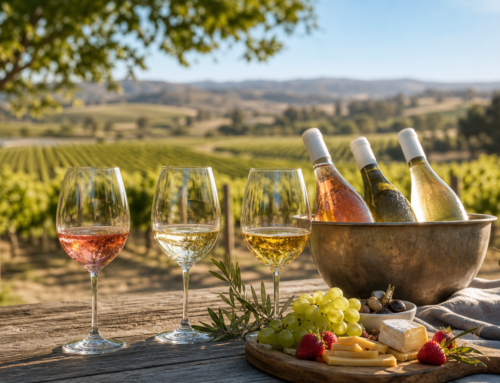
Speaking of heat affecting wine, proper serving temperature is absolutely non-negotiable in July. It can completely transform a wine, making it either sing or fall flat. Think of a chilled Sauvignon Blanc on a 95-degree day – perfectly refreshing. Now imagine that same Sauvignon Blanc served lukewarm; it loses its crispness, and its delicate aromas become muddled. For most white and rosé wines, a serving temperature between 45-50°F (7-10°C) is ideal. Lighter reds, which can be delightful in summer, benefit from a slight chill, around 55-60°F (13-16°C), which enhances their fruit character and makes them feel less alcoholic. Even full-bodied reds, if you dare to serve them, should be at a cool room temperature, never warm. The goal is to bring out the wine’s best characteristics without allowing the external heat to overpower them. This often means having an ice bucket or wine chiller readily available, especially if your gathering is outdoors. A little attention to this detail can elevate your entire wine tour or backyard get-together, ensuring everyone enjoys their wine exactly as the winemakers intended, despite the summer heat. It’s a simple step, but it makes all the difference.
Considering Outdoor vs. Indoor Gathering Environments
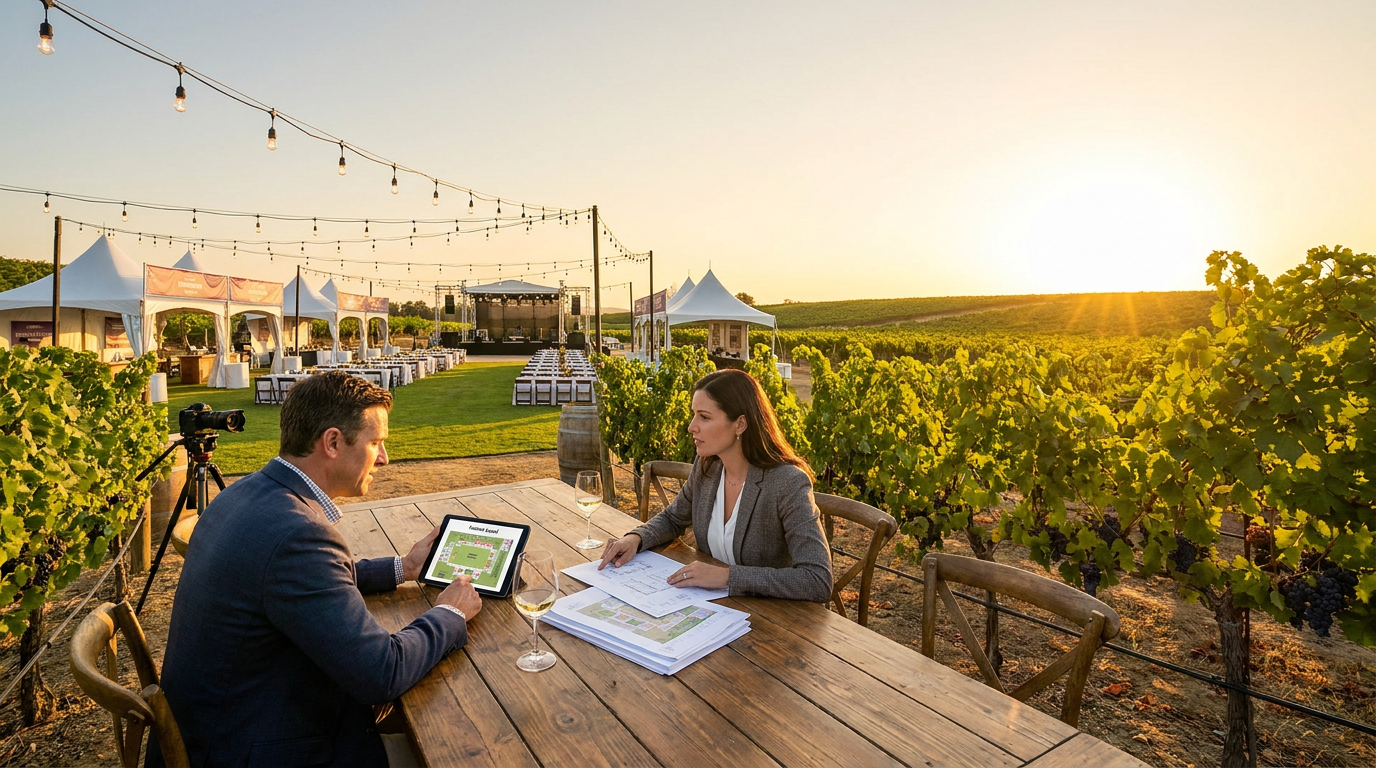
The environment where you’re hosting your July gathering plays a significant role in your wine choices. An indoor celebration with air conditioning offers a controlled environment, making it easier to maintain optimal wine temperatures and perhaps allowing for a slightly broader range of wine types. You might still lean towards lighter options, but a more robust wine wouldn’t be completely out of place. However, if your summer get-together is outdoors, as many Temecula gatherings often are, the considerations shift dramatically. Think about a poolside party or a picnic amongst the vineyards; direct sunlight, ambient heat, and even a gentle breeze can all impact the wine. For these scenarios, durability is key. You want wines that can stand up to the heat without losing their charm, and more importantly, wines that refresh. This often means opting for screw caps or synthetic corks for ease of opening and resealing, and certainly focusing on styles that are served well-chilled. Furthermore, the choice of glassware might even come into play – perhaps stemless glasses are more practical for a casual outdoor setting. We’ve seen countless winery events where the right wine choice for the outdoor setting transformed the entire visitor experience, making it much more comfortable and enjoyable. It’s not just about the wine itself, but how it integrates with the overall atmosphere and conditions.
Refreshing White and Rosé Selections for Warm Weather
Light-Bodied and Aromatic White Varietals
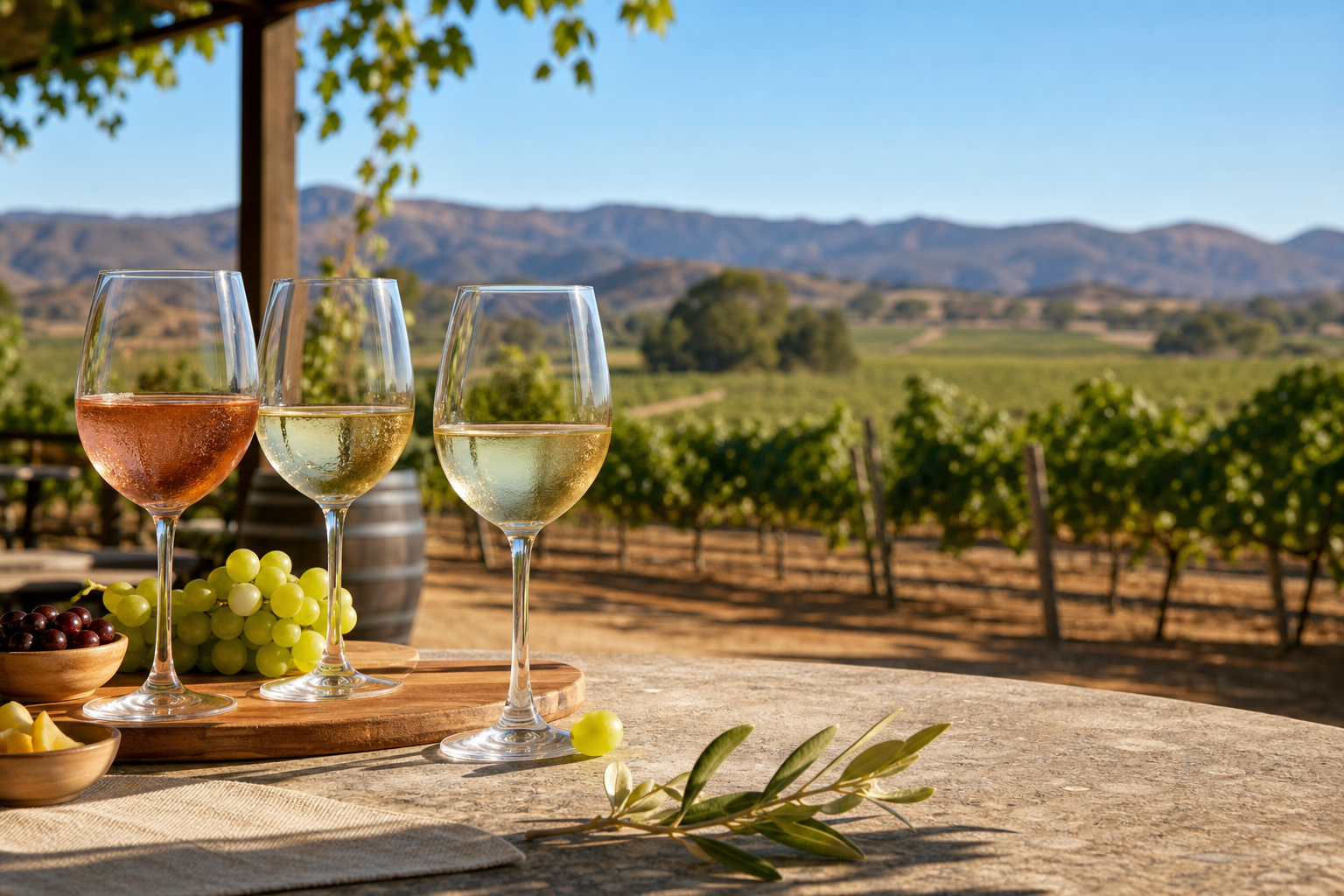
When the Temecula sun is at its brightest in July, a crisp, light-bodied white wine can be incredibly refreshing. These varietals often boast vibrant acidity and expressive aromatics that truly cut through the summer heat. Think Sauvignon Blanc, for example.
Its characteristic notes of grapefruit, passionfruit, and sometimes a hint of fresh-cut grass make it an ideal choice for pairing with lighter fare like grilled chicken salads or fresh seafood — standard summer picnic material, right? Then there’s Pinot Grigio, another fantastic option. Many local wineries here in Temecula produce versions that are dry, with nuances of green apple, pear, and a subtle mineral backbone.
This makes them wonderfully versatile and incredibly thirst-quenching on a warm afternoon. Opting for unoaked versions of these wines ensures that their inherent crispness isn’t masked by heavier oak notes, allowing their natural vivacity to shine through. The goal here is a wine that invigorates your palate, not one that weighs it down.
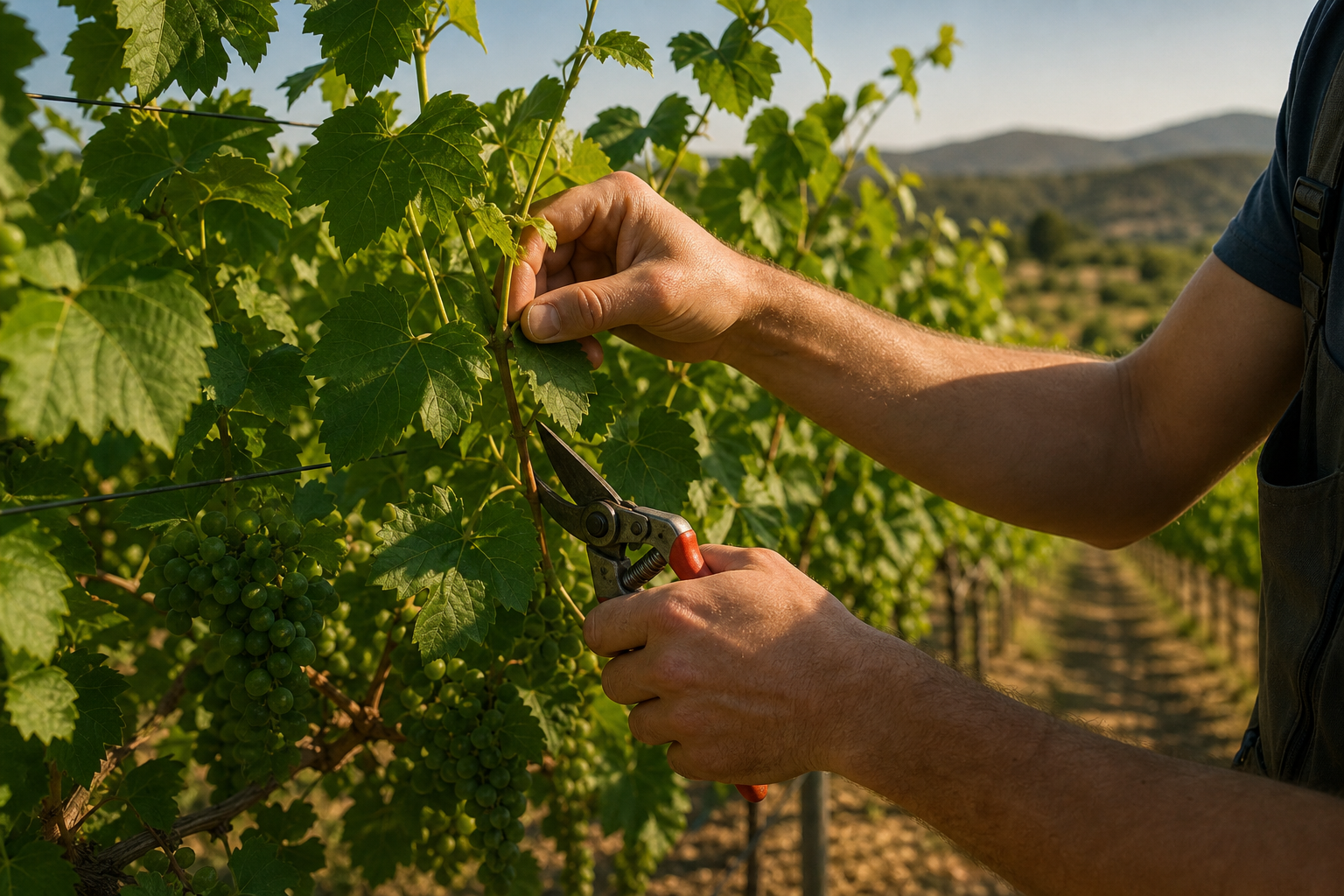
And many wineries in our region focus on sustainable vineyard practices that truly elevate the quality of these aromatic whites, ensuring a true taste of Temecula.
Crisp and Dry Rosés from Local Vineyards
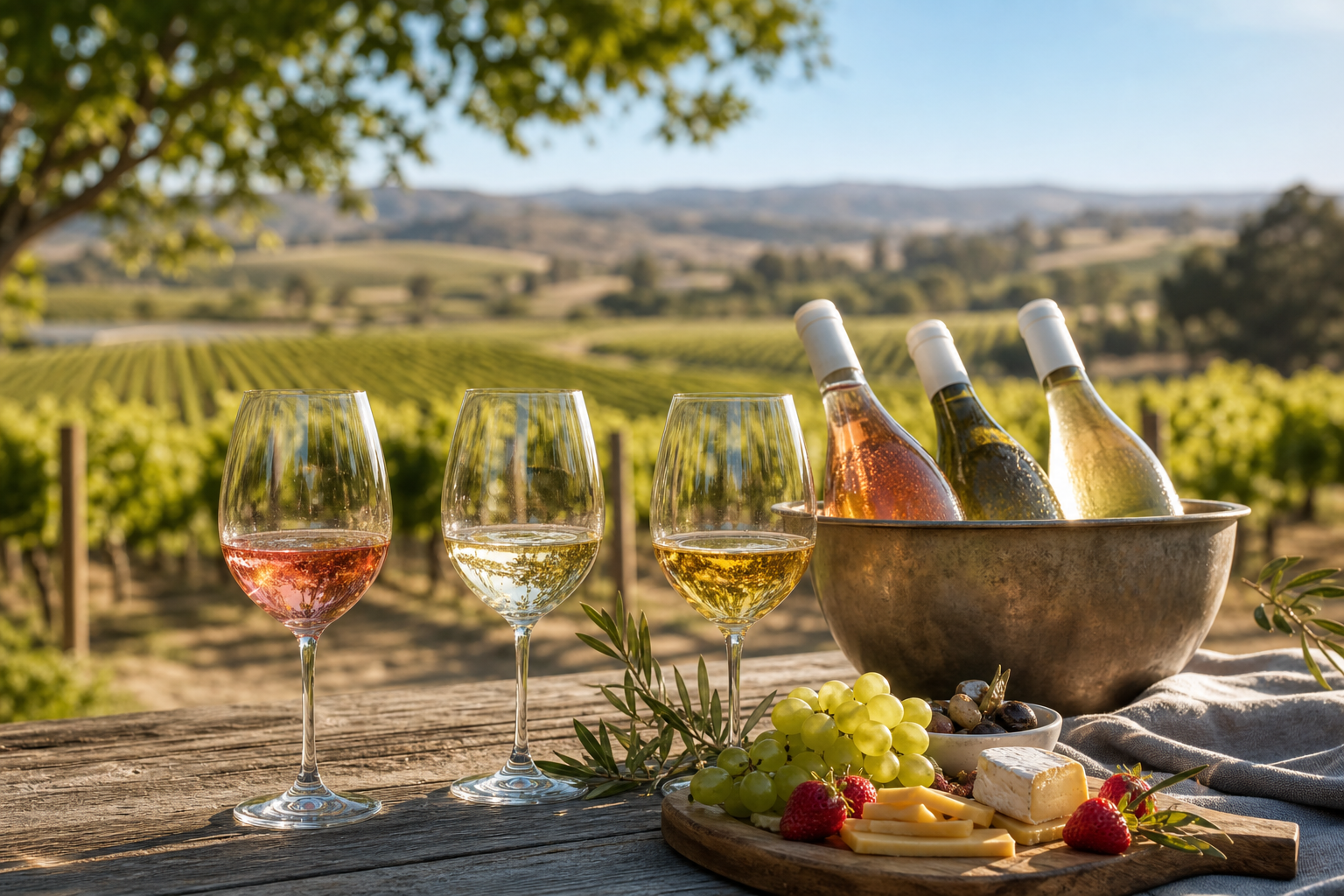
Rosé has truly come into its own as a sophisticated summer staple, and Temecula’s vineyards are producing some outstanding examples. Forget the overly sweet versions of yesteryear; today’s best rosés are typically crisp, dry, and incredibly versatile. Look for those made from Grenache, Mourvèdre, or even Sangiovese grapes, often showcasing beautiful pale pink hues.
These wines display a spectrum of delicate red berry notes like strawberry and raspberry, coupled with a refreshing acidity that makes them incredibly food-friendly. A good Temecula rosé can stand up to everything from a charcuterie board to grilled vegetables, or even a spicy ceviche. They’re also perfect for simply sipping poolside or as an aperitif before the main event at your summer gathering.
The key for July wine tasting is that dry finish, which cleanses the palate and invites another sip. Our local wineries understand the importance of balance, creating rosés that embody the essence of summer without being cloying. This makes them a perfect centerpiece for any casual or formal summer occasion in Temecula.
Sparkling Wines: More Than Just Celebrations
While often associated with celebrations, sparkling wines are, in my opinion, a severely underrated choice for everyday summer enjoyment in July. Beyond the typical toasts, their effervescence and bright acidity make them incredibly refreshing and palate-cleansing, especially when temperatures soar. Think of a brut (dry) sparkling wine, perhaps a local méthode champenoise crafted right here in Temecula.
The fine bubbles and notes of green apple, citrus, and sometimes a hint of brioche can be wonderfully invigorating. They’re fantastic with light appetizers, fresh oysters, or even fried chicken — a surprisingly good pairing, actually. For something a little different, consider a sparkling rosé, which combines the best of both worlds: the refreshing bubbles with those lovely red berry notes.
The beauty of sparkling wine is its ability to elevate any occasion, transforming a simple summer afternoon into something a bit more special. And because they’re served chilled, they literally help cool you down. So, why relegate sparkling wines just to New Year’s Eve?
They deserve a place at your next Temecula summer gathering.
Exploring Unique White Blends Suited for Summer
Beyond the single-varietal whites, many Temecula wineries craft unique white blends that are absolutely perfect for summer. These blends often combine several grapes, allowing the winemaker to create a wine with enhanced complexity, balance, and a character uniquely suited to warm weather. For instance, a blend might combine the crisp acidity of Sauvignon Blanc with the textural richness of Viognier, or the aromatic intensity of Muscat with the structure of Chardonnay (often unoaked, of course).
The artistry lies in achieving a harmonious balance where each varietal contributes to the overall profile without dominating. Look for blends described as “aromatic,” “bright,” or “tropical” — these are usually good indicators of their summer-friendly style. These wines offer a different kind of wine tasting experience, providing layers of flavor and aroma that are both intriguing and refreshing.
They’re excellent companions for a wider range of summer dishes, from grilled seafood platters to vibrant vegetarian curries. When you’re searching for something a bit out of the ordinary for your July gathering, exploring these localized white blends from our vineyards can be a truly rewarding experience, often revealing hidden gems you wouldn’t find anywhere else.
Navigating Red Wines for Summer Gatherings
Lighter-Bodied Reds and Their Chill Factor
When the Temecula sun is beating down in July, our typical inclination might be to reach for something crisp and cold. But what about those who prefer red wine? The good news is, you don’t have to abandon reds entirely during the warmer months.
It’s all about making smart selections. Defined Key Terms: “Lighter-bodied reds” are those with lower alcohol content, brighter acidity, and softer tannins, making them far more refreshing than their heavier counterparts. Think varietals like Pinot Noir, Gamay, or certain Grenache expressions.
These wines often benefit significantly from a slight chill, usually around 55-60°F (12-15°C). It’s not about serving them ice-cold like a Sauvignon Blanc, but rather bringing their temperature down from typical room temperature cellar conditions. This slight cooling enhances their fruit characteristics and really tones down any alcoholic heat, making them surprisingly delightful on a warm evening.
This strategy is key to enjoying red wine tasting without compromising comfort, even during peak summer temperatures. And let’s be honest, who wants a heavy, warm Cabernet Sauvignon when it’s 90 degrees out?
There’s a common misconception that all red wines must be served at “room temperature.” However, this adage hails from European castles where “room temperature” was significantly cooler than a modern Temecula home in July. For lighter reds, chilling them for 20-30 minutes in the refrigerator before serving can make all the difference, transforming them into very palatable summertime options. The cooler temperature also helps to highlight the more delicate aromatic compounds that might otherwise get lost in a warmer pour.
Have you ever noticed how a slightly chilled Pinot Noir can bring out those beautiful cranberry and cherry notes? It’s quite the revelation for many, allowing for a more nuanced and pleasant wine tour experience. Plus, it just feels more refreshing, doesn’t it?
Fruit-Forward Options Over Tannic Powerhouses
In July, the emphasis really shifts towards wines that are vibrant and expressive, rather than those built for extended aging or requiring robust food pairings. Defined Key Terms: “Fruit-forward wines” prioritize bright, ripe fruit flavors – think berries, cherries, plums – over the more earthy, savory, or highly tannic notes that define many traditional reds. Grapes like Zinfandel (especially younger, less oaked versions), Merlot, or even some softer Syrahs from cooler climates within the winery region can be fantastic choices.
These wines tend to have softer tannins, which are the compounds that create that drying sensation in your mouth. High tannins can be amplified by heat, making a rich, tannic Cabernet Sauvignon feel much heavier and less refreshing in warm weather. Opting for fruit-forward wines means you get a burst of flavor that’s both satisfying and invigorating.
They’re simply more approachable and enjoyable when the mercury rises.
It’s important to remember that not all reds are created equal, especially when considering them for summer. A big, bold Cabernet Sauvignon, while magnificent in its own right, might overpower your palate and clash with the lighter fare often enjoyed at summer gatherings. Instead, seek out those reds that offer immediate gratification with their cheerful fruit profiles.
Many temecula wineries actually focus on producing these types of approachable reds, making them perfect for our local climate. These wines often have a playful character that perfectly complements the relaxed vibe of summer events, whether you’re at a backyard barbecue or an outdoor private wine tasting. By choosing these varieties, you’re ensuring that the wines enhance the experience, rather than weigh it down.
The Art of Pairing Red Wine with Summer Cuisine
Pairing red wine with summer cuisine doesn’t have to be a daunting task; it’s an art, really, and one that encourages creativity, especially when considering the unique culinary landscape of Temecula. The key is to match the weight and intensity of the wine with that of the food. For lighter-bodied reds, think about dishes that aren’t overly rich or saucy.
Grilled chicken, salmon, or even hearty salads with berries and goat cheese can be superb companions. A slight chill on your Pinot Noir will beautifully complement these dishes, enhancing both the food and the wine’s intrinsic qualities. Consider a Zinfandel with grilled pork chops; the fruitiness of the wine stands up well to the char, without being overwhelming.
Many local chefs and winemakers in the Temecula vineyards excel at creating menus that thoughtfully integrate these lighter summer reds.
When planning a July gathering, you might find yourself gravitating towards barbecue, lighter pasta dishes, or fresh seasonal vegetables. This is where your fruit-forward reds truly shine. They can hold their own against the smoky flavors of grilled meats, or complement the fresh herbs in a summer pasta.
For instance, a Gamay with grilled halloumi and roasted vegetables is a match made in heaven. The wine’s bright acidity cuts through the richness of the cheese, while its fruit notes harmonize with the sweetness of the vegetables. Don’t be afraid to experiment, as many Temecula winery experiences offer blending opportunities, allowing you to discover your own perfect pairings.
The goal is to create a harmonious experience where neither the food nor the wine overpowers the other, making every bite and sip truly enjoyable.
Why Temecula Reds Offer Unique Summer Versatility
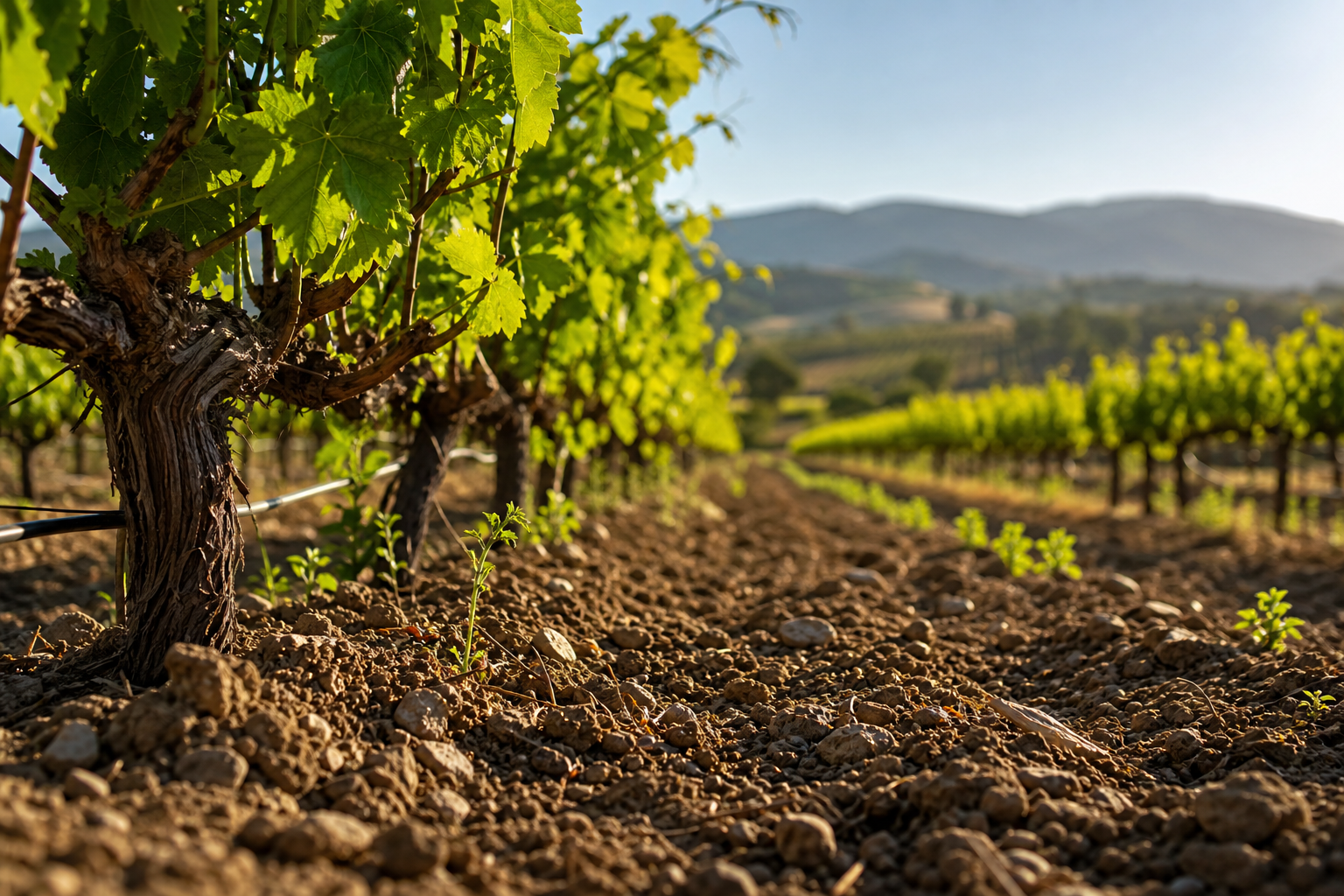
Temecula’s unique microclimate and diverse vineyards actually make it an excellent region for finding versatile red wines that defy typical summer expectations. While it can get quite warm during the day, the evenings often bring a cooling marine influence, which helps preserve acidity in the grapes—a crucial factor for refreshing reds. Many Temecula winemakers cultivate varietals like Sangiovese, Grenache, and various Rhône blends that naturally lean towards a brighter, more aromatic profile than their counterparts from hotter regions.
This allows for the production of red wines that are inherently more suited for warmer weather enjoyment. These wines often display a beautiful balance of fruit, acidity, and gentle tannins, making them incredibly adaptable to a wide range of summer dining scenarios. You’ll find that these reds transition seamlessly from a casual backyard BBQ to a more formal evening gathering.
The dedication of Temecula winemakers to sustainable vineyards practices, as discussed in blog posts like sustainable vineyard practices, also contributes to the quality and character of these specialized reds. Their efforts result in grapes that express the “soul of the soil,” as one of our blog posts beautifully puts it the soul. This results in wines with distinct personalities and, often, a freshness that isn’t always associated with red wines. So, when planning your July wine selection, don’t overlook “Temecula reds”. They offer a unique versatility, proving that red wine can indeed be perfect for summer gatherings. Whether you’re enjoying a private wine tasting experience or simply uncorking a bottle with friends, these wines provide delightful and often unexpected options. Have you explored the full range of Temecula’s lighter red offerings yet?
Food Pairing Strategies for Optimal Enjoyment
Complementing Grilled Fare with the Right Bottle
July in Temecula practically screams for outdoor grilling, right? And when you’re firing up the barbecue, the right wine pairing can elevate a simple meal into something truly memorable. For heartier grilled meats, like steaks or lamb, you’ll want something that can stand up to those rich, smoky flavors.
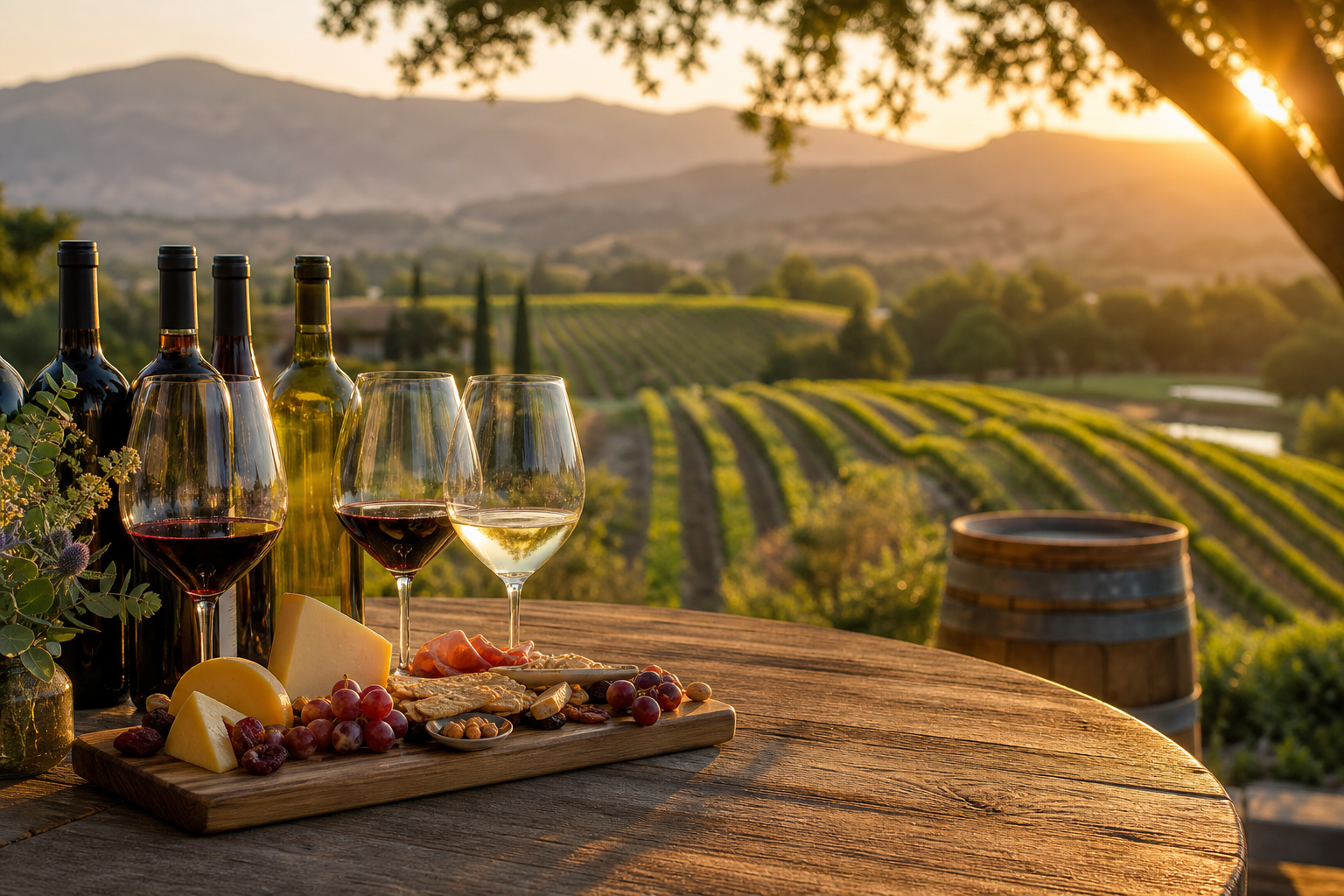
Many of our local wineries here in Temecula produce excellent Zinfandels or Syrahs that offer a beautiful balance of fruit and spice, often with a hint of that characteristic peppery finish. These reds, even in the summer, don’t feel too heavy if served at a slightly cooler temperature. Think of how a bold Cabernet Sauvignon with its firm tannins can cut through the fat of a perfectly seared ribeye.
It’s a classic for a reason, providing a beautiful textural and flavor contrast that enhances both the food and the wine tasting experience. And for grilled chicken or pork, especially with marinades that have a bit of sweetness or tang, a Grenache or even a medium-bodied Merlot can truly shine without overpowering the dish. The key is finding that harmonious balance.
Salads, Seafood, and Lighter Dishes Pairing Guide
Now, if your summer gathering leans towards lighter fare – think vibrant salads, fresh seafood, or delicate poultry – your wine choices will naturally shift. For crisp green salads, especially those with citrus or vinaigrette dressings, a high-acid white wine is your best friend. A Sauvignon Blanc from a local Temecula winery, with its zesty notes and often a touch of herbaceousness, can really make those fresh greens pop.
It’s incredibly refreshing! When it comes to seafood, whether it’s grilled shrimp, seared scallops, or a light fish like cod, Chardonnay without heavy oak (or even unoaked) is a fantastic option. It offers a little more body than a Sauvignon Blanc but still maintains that bright acidity.
And don’t forget about Rosé when planning your July wine selection. A dry Rosé, perhaps a Grenache or a Syrah Rosé, is incredibly versatile and pairs beautifully with a wide array of lighter dishes, from grilled vegetables to a caprese salad. It’s that perfect bridge, offering the refreshing qualities of a white with a hint of red fruit character.
The trick is to match the intensity of the food with the intensity of the wine.
Dessert Wines for Summertime Sweet Endings
Who says dessert wines are just for winter? A sweet ending to a Temecula summer gathering can be just as delightful with the right pour. While heavier ports might feel a bit much on a warm evening, there are some fantastic options for July wine selection that are wonderfully refreshing.
Consider a Late Harvest Riesling, with its bright acidity balancing the sweetness, making it perfect with fruit tarts or even a lemon meringue pie. Or, for something truly unique, some wineries in our region might produce a Muscat Canelli with its fragrant, floral notes and peach nuances; this pairs beautifully with lighter fruit-based desserts, panna cotta, or even just a bowl of fresh berries. Then there’s the sparkling option – a slightly sweet Moscato d’Asti, with its gentle fizz and lower alcohol content, is simply delightful with warm weather desserts.
It’s light, celebratory, and incredibly approachable. The goal is to choose something that complements the sweetness without overwhelming the palate or feeling too heavy after a delicious summer meal. It’s all about extending that enjoyable wine tour experience right through to the final course.
Creating a Balanced Menu for Diverse Palates
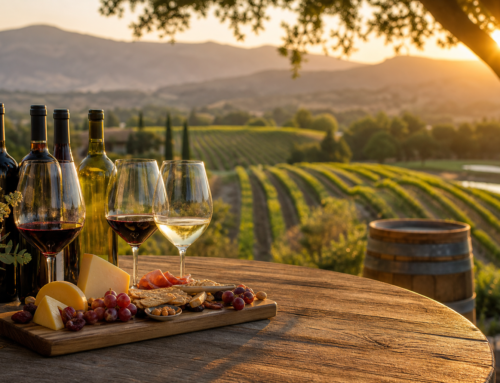
Hosting a July gathering means accommodating a variety of tastes, and your food and wine selection should reflect that. The perfect approach involves offering a range of options, ensuring everyone finds something they love. Start with an appetizer course paired with something universally appealing, like a crisp dry Rosé or a sparkling wine.
For the main course, consider having both a lighter option (like grilled fish or chicken) and a heartier choice (like a well-seasoned steak). This allows you to bring out both a white or Rosé and a medium-bodied red, such as a Temecula Grenache or even a light-bodied Sangiovese, giving your guests a choice that matches their preference and their plate. Think about textures too – a creamy pasta dish needs a different wine than something crunchy.
Don’t be afraid to mix and match; sometimes the most unexpected pairings are the most delightful. And remember, it’s not just about the food and wine. Think about the overall experience, ensuring varying flavors from your food and complementing them with different varietals makes for a memorable occasion.
It’s about creating an atmosphere where everyone feels comfortable exploring and enjoying the many wonderful flavors Temecula vineyards have to offer.
Practical Tips for Serving and Storing Wine in the Summer
Maintaining Ideal Serving Temperatures Outdoors
When hosting summer gatherings in Temecula, maintaining the ideal serving temperature for your wine is crucial for an enjoyable wine tasting experience. White and rosé wines, for example, typically shine when served chilled, around 45-50°F (7-10°C). Red wines, often mistakenly served at “room temperature,” actually benefit from a slightly cooler environment, ideally 60-65°F (15-18°C), especially in the warmer July climate. Serving them too warm can cause the alcohol to become pronounced, masking the intricate fruit and spice notes you want to savor.
For outdoor events, this means you can’t just leave bottles on a table. Consider insulated sleeves, small coolers with ice packs, or wine buckets filled with ice and a bit of water (water conducts cold much better than just ice). If you’re serving multiple types of wine, having separate cooling solutions for whites/rosés and reds ensures each bottle is presented at its best.
Portable wine refrigerators can also be a game-changer for larger events, offering precise temperature control even under the Temecula sun. Remember, even a quick warm-up can significantly alter the taste profile, so proactive temperature management is key.
Creative Chilling Methods for Large Gatherings
Chilling enough wine for a crowd during a July gathering requires more than just a few ice buckets. One effective strategy is to leverage larger insulated tubs or even clean, unused trash cans (with liners, of course!) filled with ice and water. These can hold a substantial number of bottles, allowing you to chill wines efficiently and keep them cold for extended periods. The “ice bath” method, where bottles are submerged in a mix of ice and cold water, is far more effective than simply placing them on ice cubes.
Another popular technique for rapid chilling is the salt-water ice bath. Adding a generous amount of salt to your ice water mixture lowers its freezing point, making it even colder and chilling bottles faster. For those truly large events, renting a refrigerated trailer or a few large beverage coolers can provide ample space and consistent cooling.
Don’t forget pre-chilling your glasses too; a cool glass helps maintain the wine’s temperature longer, especially for crisp white and rosé selections. This attention to detail elevates the overall wine experience for your guests.
Protecting Wines from Temecula’s Summer Sun
Temecula’s summer sun, while beautiful, is an adversary to open wine bottles. Direct sunlight, even for a short period, can quickly heat the wine, causing it to “cook” and develop off-flavors. This is often referred to as “light-strike” and it’s particularly damaging to delicate white wines and rosés.
So, what’s a savvy host to do? Always keep wines in the shade. That might mean setting up an umbrella, a canopy, or simply placing bottles under a covered patio area.
When a bottle is open, the exposure to heat and oxygen accelerates oxidation, diminishing its freshness and aromatic vibrancy. Consider using wine stoppers that create a vacuum seal, or at least a simple cork, when a bottle isn’t actively being poured. For prolonged outdoor exposure, serving smaller batches from a larger, properly chilled reservoir (like a carafe from a cooler) can be a smart move, ensuring that only a limited amount of wine is exposed to ambient conditions at any given time. Think of it as a defense strategy against the elements to preserve the integrity of your chosen wines.
Presentation and Glassware for a Refined Experience
The presentation of wine, much like the wine itself, plays a significant role in the overall enjoyment. While taste is paramount, the visual appeal and the vessels from which wine is enjoyed contribute to a refined experience. For summer gatherings, having the right glassware is important.
Thin-rimmed, clear glass allows the wine’s color to shine and doesn’t interfere with the palate. Different wine varietals benefit from specific glass shapes; for example, a narrower opening on a white wine glass helps concentrate delicate aromas, while a broader bowl for reds can allow for better aeration. You don’t need a full arsenal of every type of glass, but having a good all-purpose white and red glass can make a difference.
Beyond the glassware, consider decanters for certain red wines. While often associated with winter, some fuller-bodied reds can still benefit from aeration even in summer, helping them open up and express their full profile. Of course, for those lighter summer reds, service directly from the bottle is often perfect.
And don’t forget the small touches: elegant pitchers for water, linen napkins, and tasteful bottle labels. These seemingly minor details collectively enhance the sophisticated ambiance of a temecula wine july gathering, making each sip feel a little more special. After all, enjoying wine is not just about the taste; it’s about the entire sensory experience.
Navigating the nuances of serving and storing wine during Temecula’s warmest months doesn’t have to be daunting. By implementing these practical tips—from precise temperature management and clever chilling methods to protecting bottles from the sun and thoughtful presentation—you can ensure your July wine selection truly shines. The goal is to maximize the enjoyment of every glass, allowing the carefully crafted wines to express their full character despite the heat.
So, as you plan your next summer get-together, consider these details and elevate your hosting game. And if you’re looking to deepen your understanding or stock up on exceptional varietals for your next event, we invite you to explore the diverse offerings and unique experiences available at uys wines, where every bottle tells a story and every visit promises a memorable wine tour.
Related Posts
- Why February is the Perfect Month for Private Wine Tastings in Temecula
- Sustainable Vineyard Practices That Define Modern Temecula Wineries
- How Winter Grape Dormancy Influences Next Season’s Vintage Quality
- Barrel Aging Timeline Analysis for Current Vintage Development
- March Vineyard Soil Preparation Strategies for Optimal Spring Growth
- Women Pioneers Who Shaped California’s Vineyard Industry
- How March Weather Patterns Affect Grape Varietal Selection
- March Planting Windows for New Vineyard Development
- Sustainable Cover Crop Management During Spring Transition
- Irrigation System Testing Before Peak Growing Season
- Vineyard Labor Planning for 2026 Growing Season
- The Soul of the Soil