Barrel Aging Timeline Analysis for Current Vintage Development
The transformation of freshly pressed grapes into liquid gold begins long before your first sip. While many wine enthusiasts focus on the romance of harvest and fermentation, the true magic often starts when young wine first encounters oak.
Each barrel tells a story, and understanding this narrative is crucial for elevating a good vintage to an extraordinary one. The decisions made in your barrel-aging strategy today will resonate in every glass poured in the years to come.
French vs. American Oak: Impact on Vintage Development
French oak, characterized by its tighter grain, releases tannins and flavor compounds more slowly and deliberately. This allows wines to develop subtle notes of vanilla, spice, and a distinctive “terroir” complexity, typically emerging fully over 18-24 months. Its higher price point (often over $1,000 to $1,500+ per barrel, as seen on UYS Wines, reflects not only scarcity but also the meticulous seasoning process perfected by French coopers over centuries.
American oak, conversely, works faster and bolder. Its wider grain patterns facilitate more surface contact, leading to quicker extraction of notes like coconut, dill, and sweet vanilla. The wine aging timeline shortens considerably, with many winemakers finding optimal results within 12-16 months. At $600 to $900+ per barrel, American oak offers compelling economic advantages for producers aiming for consistent, approachable flavor profiles.
The choice extends beyond mere taste preference. French oak is ideal for vintages intended for long-term aging, while American oak excels for wines meant to be enjoyed within 3-5 years of release. Carefully consider your target market and price point—the substantial investment in French cooperage is only justified if your customers appreciate (and are willing to pay for) the resulting complexity.
Toast Level Considerations for Current Vintage Characteristics
Toast levels are akin to seasonings in a chef’s kitchen; the difference between light, medium, and heavy toast can completely transform a vintage’s personality.
Light toast preserves more of the oak’s natural wood characteristics, adding delicate vanilla and honey notes. Wines aged in lightly toasted barrels retain bright fruit flavors and natural acidity, making this an excellent choice for delicate varietals like Pinot Noir or Chardonnay. The gentle extraction allows for extended aging periods without overwhelming the fruit.
Medium toast often hits the “sweet spot” for most red wine production. It extracts a balanced amount of vanilla, caramel, and spice compounds while maintaining structural integrity. This toast level is particularly effective for Cabernet Sauvignon and Merlot, where integrated oak presence, not dominance, is desired. Most winery operations find that medium toast barrels consistently deliver across various vintage characteristics.
Heavy toast creates bold, smoky flavors that can either mask or enhance, depending on grape quality and winemaking goals. These barrels work wonderfully with full-bodied wines that can stand up to intense oak influence. However, they must be used judiciously, as heavy toast can easily overpower subtle fruit characteristics and lead to one-dimensional wines.
Temperature during toasting is also critical. Slow, controlled toasting at lower temperatures preserves more favorable compounds than quick, high-heat treatment. Always inquire about your cooper’s specific toasting protocols, as this information helps predict how your wines will evolve during aging.
Barrel Seasoning Requirements and Timeline Planning
Patience in barrel seasoning directly translates to quality in your finished wine. Proper seasoning breaks down harsh tannins and develops the complex compounds that make oak aging so valuable.
Most high-quality barrels require 24-36 months of outdoor seasoning before use. During this period, exposure to rain, sun, and temperature cycles gradually leaches out bitter compounds while encouraging beneficial chemical changes in the wood structure. Some premium French cooperages extend seasoning to 48 months, resulting in barrels that integrate even more seamlessly with the wine.
Planning your barrel purchases 2-3 years in advance ensures optimal seasoning without rushed orders. Many winemakers cultivate relationships with specific cooperages, ordering barrels for future vintages based on projected production. This foresight prevents the common mistake of using inadequately seasoned barrels, which can impart harsh, “green” flavors.
Consider the source forest as well. Oak from different regions (e.g., Vosges, Allier, Limousin for French; Minnesota, Missouri, Pennsylvania for American) exhibits distinct characteristics even after proper seasoning. Just as The Soul of the soil influences grape character, the soil where your oak trees grew affects the final wine profile.
Budget approximately $30-50 per barrel annually for proper storage during seasoning. Adequate air circulation, protection from contamination, and regular monitoring are essential to prevent mold or pest issues that could ruin your investment.
Cost-Benefit Analysis of New vs. Used Barrel Integration
New barrels deliver maximum oak impact but represent your highest per-bottle cost. Used barrels offer subtlety and economy, but require careful evaluation to ensure quality.
First-use barrels impart 60-70% of their extractable compounds during the initial 12-18 months. Second-use barrels contribute roughly 25-30% of the original intensity, while third-use barrels primarily function as neutral aging vessels, contributing minimal flavor. Understanding this extraction curve is key to optimizing your barrel rotation strategy.
Savvy winemakers often blend wines aged in different barrel generations. For example, using 40% new oak, 40% second-use, and 20% neutral barrels can create complexity while effectively controlling costs. This approach is particularly effective for premium wines where you desire an oak presence without overpowering the fruit character.
Quality used barrels from reputable sources can be safely used for 4-6 years before retirement. Before purchase, inspect them for structural integrity, cleanliness, and the absence of off-odors. A used barrel can still be a valuable asset, often priced in the $200-$400 range, offering better economics than rushing into expensive new cooperage prematurely.
Factor in reconditioning costs for used barrels; proper cleaning, inspection, and potential re-toasting can add $50-75 per barrel. However, this investment often pays dividends in terms of wine quality and consistency.
Your vintage development timeline should account for these economic realities. The decision between new and used barrels affects not only current production costs but also your ability to maintain consistent quality, much like thoughtful winter grape dormancy planning.
Initial Wine Aging Timeline: First 90 Days Critical Development Phase
Primary Fermentation Completion Indicators for Barrel Transfer
The transition from tank to barrel represents one of the most critical decisions in vintage development process. Most winemakers wait for specific gravity to reach 0.995 or below, but that’s just the starting point.
Temperature stability matters more than many realize. Your wine should hold steady between 65-68°F for at least 48 hours before transfer. Fluctuating temperatures during this phase can shock the wine and create unwanted chemical reactions that’ll haunt you months later.
Visual clarity provides another crucial indicator. The wine should show good separation from the lees, with a clear distinction between liquid and sediment. If you’re still seeing active bubbling or significant cloudiness, give it another week. Rushing this step compromises everything that follows.
Taste testing at this stage reveals harsh tannins and high acidity (that’s normal). What you’re looking for is balance potential. The fruit should still be present underneath all that raw energy. If it tastes hollow or overly thin, your barrel program won’t fix fundamental issues.
Malolactic Fermentation Monitoring During Early Barrel Aging
Malolactic fermentation transforms your wine’s character more dramatically than any other process during barrel aging wine. The first 30 days in barrel determine whether this conversion happens smoothly or creates problems down the line.
Temperature control becomes even more critical once wine hits the barrels. MLF bacteria thrive at 68-72°F, but many cellars run cooler. You’ll need heating systems or barrel jackets to maintain optimal conditions. Cold barrels mean sluggish or incomplete MLF, resulting in sharp, unbalanced wines.
Weekly chromatography tests track MLF progress accurately. Malic acid levels should drop consistently (aim for less than 0.3 g/L completion). But don’t just rely on numbers. Taste regularly. The wine’s texture softens noticeably as MLF progresses, and that harsh green apple bite mellows into something more rounded.
Some vintages resist MLF naturally. High alcohol content, low pH, or residual sulfur dioxide can inhibit bacteria activity. When this happens, inoculation with commercial cultures becomes necessary. Choose strains that complement your grape variety (Viniflora OENOS works well for most reds).
First Month Tasting Protocol and Quality Assessment
Your tasting schedule during the first month makes or breaks the entire wine aging timeline. Professional winery operations taste every barrel weekly, but strategic sampling points matter more than frequency.
Day 7 reveals initial barrel integration. The wine should show early oak influence without overpowering the fruit. Harsh astringency is expected, but look for underlying structure. Wines that taste completely closed or overly aggressive might need different cooperage or toasting levels.
Week 3 marks the sweet spot for assessment. MLF should be progressing well, and the wine starts showing its true personality. This is when you identify problem barrels that need attention. Off flavors, excessive Brett character, or lack of fruit development all signal necessary interventions.
Document everything meticulously. Color intensity, aroma development, tannin structure, and overall balance all change rapidly during this period. These notes guide future decisions about barrel rotation, blending opportunities, and timeline adjustments.
Professional sensory panels help eliminate personal bias. What tastes perfect to you might reveal flaws to fresh palates. Regular wine tasting sessions with experienced colleagues catch issues before they become unfixable.
Temperature Control Systems for Optimal Vintage Development
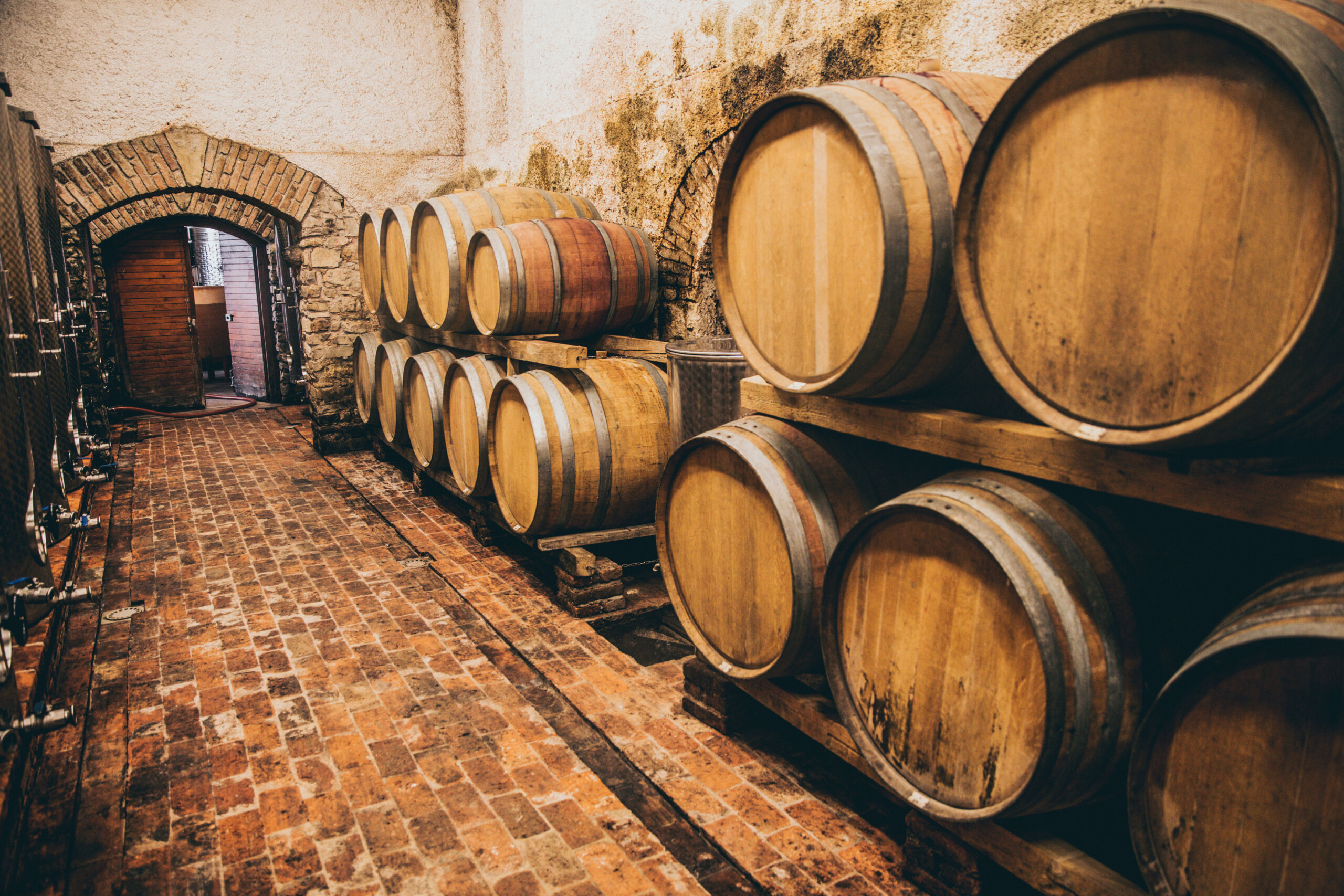
Temperature consistency separates amateur operations from professional wineries. Your barrel room should maintain 55-60°F year-round, with minimal daily fluctuation. Even small temperature swings accelerate aging unpredictably and create extraction imbalances.
Modern climate control systems offer precise management, but they’re expensive. Many successful operations use simpler approaches. Underground cellars provide natural insulation, while proper ventilation systems help moderate extreme temperatures without major infrastructure costs.
Humidity control works hand-in-hand with temperature management. Target 70-80% relative humidity to minimize evaporation losses while preventing mold growth. Too dry, and you’ll lose significant volume to the angels’ share. Too humid creates sanitation nightmares that compromise wine quality.
Monitor barrel zones differently throughout your cellar. Upper racks typically run 3-5°F warmer than floor level. This variation actually helps, allowing you to place different wine styles where they’ll develop optimally. Delicate wines stay cool and slow, while robust reds can handle slightly warmer conditions.
Seasonal adjustments become critical as sustainable vineyard practices extend into cellar management. Summer heat requires additional cooling capacity, while winter brings risks of excessive temperature drops that slow development completely.
Mid-Stage Barrel Aging Wine Evolution: Months 3-12 Analysis Framework
Quarterly Tasting Schedule and Flavor Profile Documentation
Professional winery operations require systematic flavor tracking throughout the mid-stage aging process. Most serious producers establish tasting protocols every 90 days, documenting specific changes in tannin structure, fruit concentration, and oak integration.
Your tasting notes should focus on three critical elements during months 3-12. First, monitor how primary fruit flavors transform into more complex secondary characteristics. Second, track tannin evolution from harsh and astringent to smooth and integrated. Third, assess oak contribution without overwhelming the wine’s natural personality.
Create detailed flavor wheels for each quarter. Month 3 typically shows initial oak integration with still-prominent fruit. By month 6, you’ll notice the first hints of tertiary development. Month 9 often reveals the wine’s true potential, while month 12 provides crucial bottling timeline data.
Professional winemakers document specific gravity, pH levels, and volatile acidity alongside sensory evaluation. These technical measurements validate what your palate discovers and help predict optimal aging duration.
Racking Frequency Optimization for Sediment Management
Barrel aging wine requires strategic sediment removal without disrupting beneficial aging processes. The standard approach involves racking every 3-4 months during this crucial development window, though specific timing depends on wine style and vintage characteristics.
Heavy sediment formation signals active aging processes. Red wines typically produce more lees than whites, requiring more frequent attention. Your first racking around month 4 removes coarse sediment while preserving fine lees that contribute to mouthfeel enhancement.
Each racking decision impacts flavor development differently. Conservative racking (every 4-6 months) maintains contact with beneficial lees but risks off-flavor development. Aggressive racking (monthly) ensures clarity but may strip desirable compounds that contribute to complexity.
Monitor sediment thickness using flashlights or barrel thieves before each potential racking. When sediment exceeds one inch thickness, schedule immediate racking. Less than half-inch accumulation allows extended lees contact for enhanced texture development.
Micro-Oxygenation Benefits During Extended Aging
Controlled oxygen exposure during months 6-12 dramatically improves vintage development process outcomes. Micro-oxygenation softens harsh tannins while preserving fruit integrity and enhancing color stability in red wines.
The process requires precise dosing between 1-4 mg/L per month, depending on wine style and desired outcomes. Pinot Noir typically needs minimal oxygen exposure, while Cabernet Sauvignon benefits from more aggressive treatment.
Timing matters significantly for micro-oxygenation success. Start treatments after malolactic fermentation completion but before month 8 for optimal results. Late-stage oxygen exposure (months 10-12) risks diminishing fruit character while providing minimal tannin benefits.
Monitor dissolved oxygen levels weekly during active micro-oxygenation phases. Excessive oxygen creates browning and premature aging. Insufficient exposure fails to achieve desired tannin polymerization and color enhancement.
Seasonal Temperature Variations Impact on Wine Development
Barrel storage temperature fluctuations between 55-65°F create natural aging rhythms that benefit wine evolution. Cooler periods slow extraction while warmer months accelerate chemical reactions and oak integration.
Spring temperature increases (months 3-6) promote active aging processes. Summer heat (months 6-9) requires careful monitoring to prevent excessive extraction. Fall cooling (months 9-12) allows gentle integration of developed characteristics.
Your winery should maintain consistent humidity levels around 80% regardless of temperature variations. Lower humidity increases evaporation rates and concentrates flavors too rapidly. Higher humidity risks mold development and label deterioration.
Document daily temperature readings in barrel storage areas. Sudden temperature spikes above 70°F can restart fermentation in wines with residual sugar. Extended periods below 50°F slow aging processes and may require heating assistance.
Topping Protocols to Prevent Oxidation Issues
Regular barrel topping prevents air exposure that creates oxidation and volatile acidity problems. Standard protocol requires topping every 2-3 weeks during active aging phases, with frequency adjusted based on evaporation rates and cellar conditions.
Use identical wine for topping when possible. Reserve wines work well, but avoid mixing different vintages or varietals. Some producers maintain dedicated topping barrels filled with the same wine for consistency.
Monitor headspace carefully between topping sessions. More than two inches of headspace creates significant oxidation risk. Less than one inch indicates proper fill levels for continued aging.
Advanced producers track evaporation patterns to predict topping schedules. New barrels typically require more frequent attention than older cooperage. UYS Wines maintains detailed barrel logs tracking each container’s specific requirements and aging progression.
Consider silicone bungs during extended aging periods to reduce evaporation without completely eliminating beneficial gas exchange. Traditional cork bungs work well for shorter aging cycles but require more frequent topping.
Professional workshops often demonstrate proper topping techniques and timing optimization for different wine styles and barrel types.
Advanced Wine Aging Timeline Management: 12-24 Month Maturation Strategies
Blending Trials and Component Integration Assessment
The 12-18 month window presents critical decision points for vintage development. During this phase, winemakers conduct systematic blending trials to determine the final composition of their wines. These trials involve sampling from multiple barrel lots, analyzing tannin structure, and assessing how different components integrate.
Professional tastings occur monthly during this period. Each barrel’s contribution gets evaluated for its role in the final blend. Some barrels provide backbone structure, while others contribute aromatics or mid-palate complexity. Smart winemakers maintain detailed notes on each barrel’s evolution.
The integration process requires patience. Components that seemed discordant at 12 months often harmonize beautifully by month 18. This natural marriage of flavors represents the art behind serious barrel aging wine production.
Temperature consistency becomes crucial during blending assessments. Barrels stored in different cellar zones may develop unique characteristics that enhance the final wine’s complexity when skillfully combined.
Extended Lees Contact Benefits for Texture Development
Extended lees aging transforms wine texture in remarkable ways. The dead yeast cells break down slowly, releasing proteins and mannoproteins that create a silky mouthfeel. This process, called autolysis, requires 18-24 months to fully develop.
Regular stirring schedules maximize lees contact benefits. Weekly bâtonnage during the first six months gradually reduces to monthly stirring as the wine matures. Each stirring redistributes the lees, ensuring consistent texture development throughout the barrel.
The timing matters enormously. Wines destined for early release might receive only 12 months on lees, while premium selections continue this process for two full years. The extended contact period creates the creamy texture that distinguishes exceptional wines.
Professional winery operations monitor lees health carefully. Healthy lees contribute positive flavors, while deteriorating lees can introduce off-flavors that compromise the entire barrel.
Barrel Rotation Schedules for Consistent Flavor Development
Systematic barrel rotation prevents uneven aging within the cellar environment. Even minor temperature variations can create significant differences in wine development over 18-24 months. Professional facilities rotate barrels quarterly to ensure uniform maturation.
The rotation strategy depends on cellar layout and storage capacity. Top-tier barrels might receive priority positions during critical development phases. Bottom racks often experience cooler temperatures, slowing extraction and tannin evolution.
Documentation drives effective rotation programs. Each barrel’s position gets tracked, ensuring every wine receives equal exposure to optimal aging conditions. This attention to detail separates premium producers from bulk operations.
Seasonal considerations influence rotation timing. Summer heat requires more frequent position changes, while winter stability allows longer intervals between moves. The vintage development process adapts to these environmental factors.
Quality Control Checkpoints for Commercial Release Preparation
The final six months before bottling intensify quality control protocols. Monthly barrel samples undergo comprehensive analysis including pH, alcohol content, volatile acidity, and sensory evaluation. These checkpoints identify any barrels requiring remedial action.
Microbiological stability testing becomes critical during this phase. Brettanomyces screening, malolactic completion verification, and sulfur dioxide level monitoring ensure wine stability after bottling. Any issues discovered now can still be addressed.
The wine aging timeline culminates with final blending decisions. Master blenders conduct extensive trials, often testing dozens of combinations before selecting the optimal recipe. This process typically occurs 3-4 months before bottling.
Pre-bottling preparations include fining trials, filtration decisions, and final sulfur adjustments. Some wines benefit from egg white fining to soften tannins, while others require minimal intervention to preserve their natural character.
Commercial release timing aligns with market demands and wine readiness. Premium wines might receive additional bottle aging before reaching consumers, while others head directly to shop wines inventory for immediate availability.
The entire aging program builds toward this moment when careful timing, meticulous attention, and skilled craftsmanship converge to create wines worthy of their vintage designation.
Final Stage Vintage Development Process: Pre-Bottling Evaluation and Timeline
Sensory Analysis Protocol for Barrel-Aged Wine Assessment
The final months of barrel aging wine demand systematic sensory evaluation that goes beyond casual tasting. Professional winemakers conduct structured assessments every 6-8 weeks during the last quarter of aging, examining color intensity, aromatic complexity, and tannin integration.
Start your evaluation by examining wine color against a white background. Barrel-aged reds should display depth without browning at the rim, while whites maintain clarity with appropriate golden hues. Any off-colors signal oxidation issues that require immediate attention.
Aroma assessment follows a methodical approach. First, evaluate primary fruit characteristics, then secondary fermentation notes, and finally tertiary barrel-derived compounds. Well-integrated barrel aging produces vanilla, spice, and toast notes that complement (rather than dominate) the fruit profile.
Tannin structure tells the real story of vintage development process success. Properly aged wines display soft, integrated tannins that coat your palate without harsh astringency. If tannins still feel aggressive, extend aging by 2-3 months before re-evaluation.
Professional winery operations maintain detailed tasting notes throughout this phase, tracking progression patterns that inform future vintages. Temperature consistency during evaluation matters enormously—conduct all assessments at 65-68°F for accurate results.
Laboratory Testing Requirements Before Bottling
Laboratory analysis provides objective data that sensory evaluation cannot capture. Free and total sulfur dioxide levels require precise monitoring during pre-bottling phases, with free SO2 maintained between 25-35 ppm for reds and 35-45 ppm for whites.
Alcohol content testing becomes critical if you’ve experienced significant evaporation during extended barrel aging. Some barrels lose 2-4% alcohol annually through the “angel’s share,” potentially dropping your wine below labeled specifications.
Volatile acidity measurements identify potential spoilage before bottling. Acceptable levels stay below 0.8 g/L for premium wines, though many winemakers target 0.6 g/L or lower for competition-quality releases.
pH and titratable acidity testing ensures wine stability during bottle aging. Target pH ranges between 3.3-3.6 for reds and 3.1-3.4 for whites, with corresponding TA levels balancing mouthfeel and preservation.
Microbiological testing eliminates risks of spoilage organisms that could ruin entire batches post-bottling. Standard plate counts should show zero colony-forming units for commercial releases.
Don’t overlook metal analysis, particularly for copper and iron levels that cause haze formation. Professional wine tasting experiences suffer dramatically when clarity issues develop months after bottling.
Filtering and Fining Decisions for Current Vintage Finishing
Filtering decisions significantly impact final wine character and aging potential. Coarse filtration removes large particles while preserving flavor compounds, but excessive filtration strips wines of complexity and mouthfeel.
Consider sterile filtration only when microbiological concerns exist. Many premium producers avoid sterile filtration entirely, relying instead on careful sulfur management and proper cellar sanitation practices.
Fining agent selection depends on specific wine flaws identified during sensory analysis. Egg white fining softens harsh tannins in red wines, while bentonite removes excess proteins that cause heat instability in whites.
Timing matters enormously with fining treatments. Apply fining agents 4-6 weeks before bottling to allow complete settling, then rack carefully to avoid disturbing sediment layers.
Test fining protocols on small samples before treating entire batches. Different barrel lots may respond differently to identical treatments, requiring customized approaches for optimal results.
Cold stabilization becomes essential for wines containing significant tartrate crystals. Professional operations chill wines to 28-32°F for 1-2 weeks, precipitating tartrates that would otherwise form in bottles.
Market Timing Considerations for Premium Barrel-Aged Releases
Market release timing affects both wine quality perception and commercial success. Premium barrel-aged wines typically require 18-36 months total development time, including barrel aging and bottle conditioning periods.
Holiday release windows offer significant advantages for premium wines. September-November launches capture gift-giving seasons and restaurant wine list updates, maximizing revenue potential for small-batch releases.
Consider your wine aging timeline against competitor releases in similar categories. Launching premium Cabernet Sauvignon during Napa harvest season means competing against hundreds of similar releases for consumer attention.
Restaurant and retail partnerships require 3-6 months advance planning for premium placements. Buyers make decisions months ahead of actual placement dates, particularly for holiday promotional programs.
Weather considerations influence release timing more than most producers realize. Summer heat damages wine during shipping, while winter freezing creates logistical nightmares for distribution networks.
Build bottle conditioning time into your vintage development process timeline. Premium wines benefit from 6-12 months bottle aging before release, allowing integration of barrel-derived compounds with wine structure.
Document your timing decisions meticulously. Successful release patterns provide templates for future vintages, while timing mistakes offer valuable learning opportunities for continuous improvement.
ROI Analysis and Future Planning: Optimizing Your Barrel Aging Wine Program
Cost Per Bottle Analysis for Different Aging Timeline Scenarios
The economics of barrel aging wine demand careful analysis beyond simple storage costs. When you factor in barrel depreciation, cellar space allocation, and insurance considerations, a 12-month aging program typically adds $3-5 per bottle to production costs. Extended 18-24 month programs can push this to $7-12 per bottle.
But here’s where smart planning pays off: wineries tracking their aging costs against market premiums often discover sweet spots. A premium Cabernet aged 18 months might command $15-25 more per bottle than the same wine aged 12 months. That’s a potential 300% return on the additional aging investment.
Temperature-controlled environments represent the largest infrastructure cost, often requiring $50,000-150,000 investments for mid-sized operations. However, consistent temperature control reduces wine loss from 3-5% down to 1-2%, creating immediate cost recovery through volume preservation alone.
Your vintage development process should include quarterly cost reviews. Track barrel usage efficiency, wine loss percentages, and market response to different aging periods. Many successful wineries maintain detailed spreadsheets comparing actual aging costs against projected retail premiums for each vintage.
Consumer Market Response to Extended Barrel Aging Programs
Consumer education drives premium pricing acceptance. Wine enthusiasts consistently show willingness to pay 40-60% more for wines with documented extended aging programs, particularly when presented during wine tasting experiences where they can compare aged versus younger versions side-by-side.
Market research from Temecula wineries indicates that wines aged 18+ months achieve 85% faster sell-through rates compared to standard aging programs. Consumers associate longer aging with higher quality, making this a powerful marketing tool for your winery.
Direct-to-consumer sales through wine tour programs show even stronger premiums. Visitors who participate in barrel tastings and aging demonstrations willingly pay 70-100% premiums for extended-aged wines. They’re buying the story and craftsmanship, not just the liquid.
Social media documentation of your aging process creates additional value. Posting monthly barrel samples, showing color development, and sharing tasting notes builds customer anticipation and justifies premium pricing when bottles finally release.
Scaling Production: Equipment and Facility Planning
Scaling your barrel aging wine program requires strategic facility planning. Most wineries underestimate space requirements, calculating only for current barrel inventory without accounting for vintage overlap periods where multiple years age simultaneously.
A 5,000-case annual production targeting 18-month aging cycles needs storage for approximately 7,500 cases at peak capacity. Factor in working space for barrel maintenance, sampling access, and equipment maneuvering, and you’re looking at 4,000-6,000 square feet minimum.
Barrel handling equipment becomes critical at scale. Manual barrel movement works for 50-100 barrels but creates injury risks and efficiency bottlenecks beyond that. Investing in barrel dollies, hydraulic stackers, and proper ventilation systems pays dividends in worker safety and operational efficiency.
Climate control systems should be sized for future expansion. Installing a system 25-30% larger than current needs costs marginally more upfront but prevents expensive retrofitting later. Focus on zone-controlled systems allowing different aging environments for various wine styles.
Vintage Development Process Documentation for Consistency
Consistency separates professional operations from hobbyist endeavors. Your vintage development process documentation should capture every decision point, from initial barrel selection through final blending ratios.
Create detailed aging logs tracking barrel type, toast level, previous wine history, and monthly tasting notes. Document environmental conditions, noting any temperature fluctuations or humidity changes affecting wine development. This data becomes invaluable for replicating successful aging programs in future vintages.
Staff training protocols ensure consistency across vintage years and personnel changes. Document your tasting methodology, sampling schedules, and decision criteria for aging extensions or early bottling. Include sensory benchmarks and chemical analysis targets for each wine style.
Develop standardized forms for barrel evaluations, blending trials, and quality assessments. Digital documentation systems allow better analysis of aging patterns and help identify optimal timing for various wine styles. Many wineries use tablet-based systems for real-time data entry during cellar work.
Your wine aging timeline documentation should include contingency plans for common scenarios: stuck fermentations, barrel defects, or market timing changes. Having documented procedures reduces decision stress during critical periods and maintains quality standards regardless of circumstances.
Remember, your barrel aging program represents a significant investment in time, resources, and reputation. Document everything, analyze results consistently, and use data to refine your approach. The wineries achieving the highest premiums for aged wines aren’t just aging longer – they’re aging smarter with documented systems supporting their quality claims.