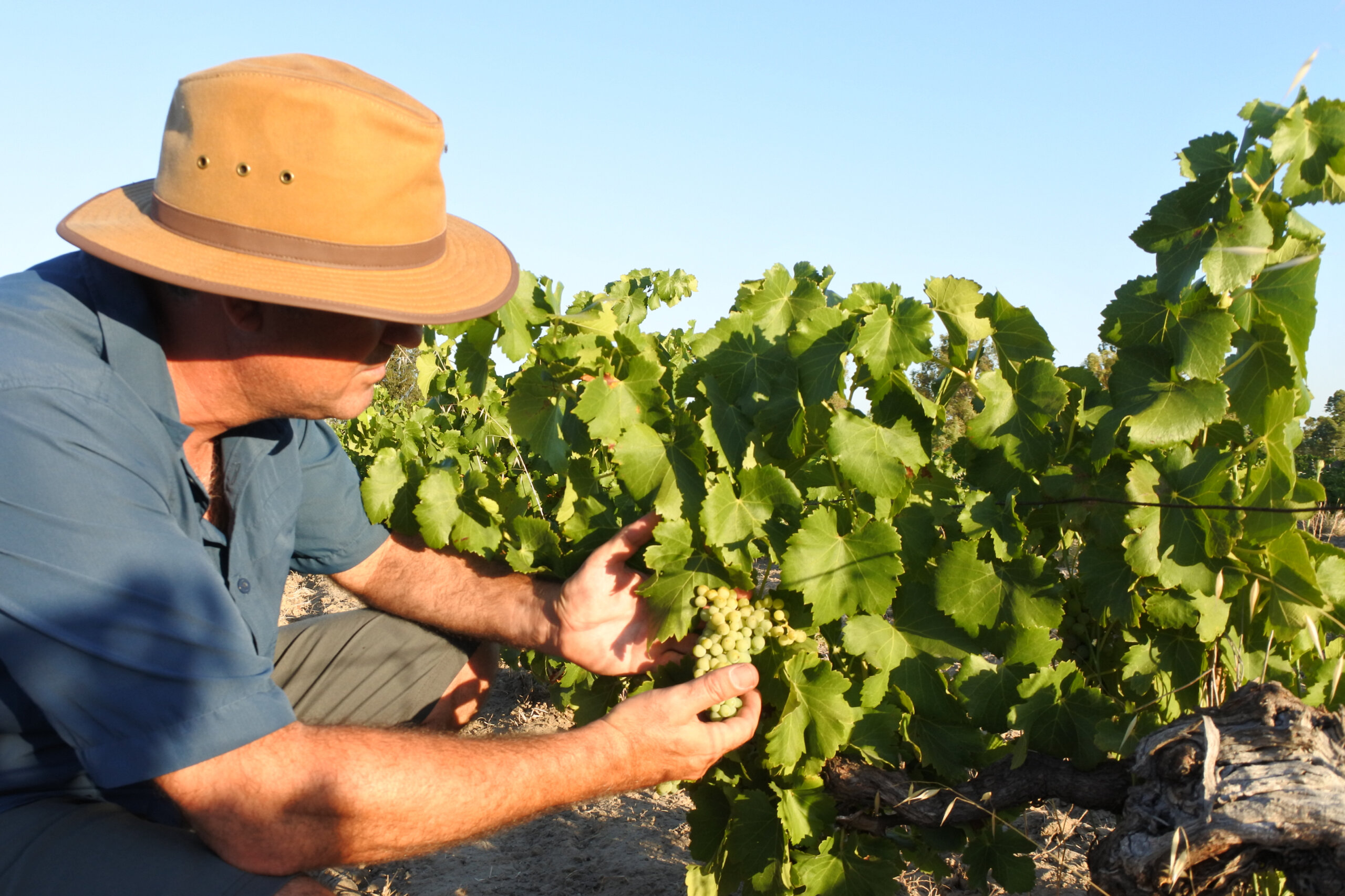
Sustainable Vineyard Practices That Define Modern Temecula Wineries
Precision Irrigation Systems and Smart Water Management Technology
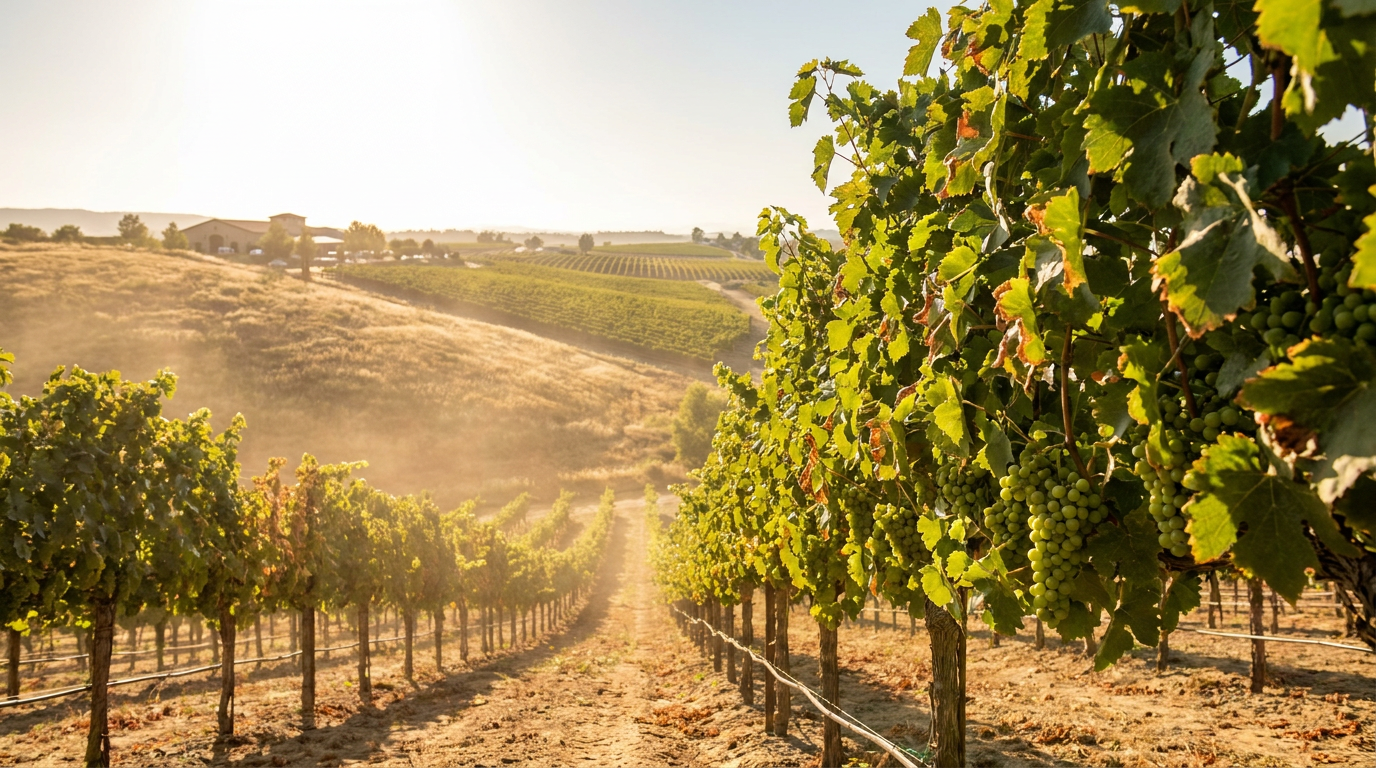
Picture rows of vines stretching across sun-baked California hills, each plant receiving exactly the water it needs—no more, no less. This vision is becoming reality as Temecula vineyards embrace sustainable water management practices that honor both tradition and innovation.
Smart water management begins with understanding your vineyard’s unique needs. By carefully observing soil conditions, weather patterns, and vine behavior, growers can develop irrigation schedules that reduce water usage by up to 30% while actually improving grape quality. (Who knew being mindful could taste so good?)
Many local wineries focus on strategic water application, timing irrigation based on seasonal patterns and vine development stages. This approach combines traditional viticultural knowledge with careful observation of plant stress indicators. The result? Vines get what they need when they need it, without waste.
Drip irrigation remains the foundation of efficient vineyard watering. Well-maintained drip systems deliver water directly to root zones, minimizing evaporation and runoff. Some innovative wineries are enhancing these systems with careful scheduling and targeted application methods that work with natural soil conditions.
Drought-Resistant Rootstock Selection for Mediterranean Climate Adaptation
Rootstock selection might sound like inside baseball, but it’s becoming the secret weapon in sustainable vineyard management. Think of rootstock as the foundation of a house—get it right, and everything else follows.
Temecula’s Mediterranean climate presents unique challenges. Hot, dry summers and unpredictable rainfall patterns mean traditional rootstocks often struggle. That’s why forward-thinking vineyard managers are turning to drought-tolerant varieties developed specifically for these conditions.
Rootstocks like 1103P and 140Ru have proven particularly effective in Southern California. These varieties can access deeper water sources and maintain vine health even when surface moisture disappears. The magic happens underground, where extensive root systems can reach water tables that shallow-rooted vines never touch.
But here’s where it gets interesting: some Temecula vineyards are experimenting with native California rootstocks. These varieties evolved alongside the region’s climate patterns, making them naturally adapted to local conditions. Early results suggest these native varieties could reduce irrigation needs by 40% or more.
The selection process involves careful consideration of soil type, drainage patterns, and grape variety compatibility. What works beautifully for Cabernet Sauvignon might fail spectacularly for Chardonnay. This precision approach reflects the soul of the soil philosophy that drives modern sustainable practices.
Rainwater Harvesting and Natural Water Conservation Programs
When winter rains finally arrive in Temecula, smart vineyard operators are ready. Simple rainwater collection systems capture precious water, storing it for the inevitable dry months ahead.
These systems focus on practical water capture and storage. From basic collection tanks to carefully constructed ponds, vineyards can store substantial amounts of rainwater without complex technology. Some facilities can store enough rainwater to sustain operations for months without additional water sources.
Water conservation extends beyond collection. Thoughtful vineyard design includes natural drainage management and soil preparation that maximizes water retention. Wine production facilities can implement simple conservation practices that reduce overall water demand.
Implementation costs for basic water conservation systems remain manageable for most operations. Simple collection and storage approaches often pay for themselves within a few years, especially considering California’s rising water costs.
Some innovative operations are combining multiple conservation approaches. Rainwater collection works alongside natural soil management and careful irrigation timing. It’s a holistic system that maximizes every water source available through practical, time-tested methods.
Soil Health Monitoring and Experience-Based Watering Schedules
Understanding your vineyard’s water needs transforms irrigation from guesswork into informed stewardship. Regular soil observation and vine monitoring provide valuable insights about underground conditions, creating detailed knowledge of water patterns across entire properties.
Experienced vineyard managers develop keen observation skills, reading signs of plant stress and soil conditions to determine optimal irrigation timing. When combined with weather awareness and seasonal knowledge, these observations create effective watering schedules.
The approach goes beyond simple moisture assessment. Careful attention to soil health, vine vigor, and fruit development helps vineyard managers understand exactly how vines respond to different watering strategies throughout the growing season.
Success stories are emerging across Temecula wine country. Vineyards using experience-based irrigation report consistent improvements in both water efficiency and grape quality. Some operations have reduced water usage by 25% while producing fruit with higher sugar content and better flavor concentration.
This approach requires patience and careful observation, but the long-term benefits extend far beyond water savings. Consistent soil management leads to more predictable harvest timing and grape characteristics—advantages that translate directly to better wines. This sustainable approach represents the same commitment to excellence celebrated when local wineries achieve recognition for their exceptional quality standards.
Organic Pest Management and Soil Health Enhancement Techniques
Integrated Pest Management Systems Reducing Chemical Dependencies
Modern wineries in Temecula have moved far beyond the spray-and-pray mentality of conventional agriculture. These forward-thinking operations now employ sophisticated monitoring systems that track pest populations, weather patterns, and vine health indicators to make precise intervention decisions.
The approach starts with prevention rather than reaction. Vineyard managers conduct weekly scouting walks, documenting pest pressure zones and identifying beneficial insect populations. When intervention becomes necessary, they deploy targeted biological controls like Bacillus thuringiensis for moth larvae or release predatory mites to combat spider mite infestations.
Smart technology plays a crucial role here. Weather stations throughout vineyard blocks track temperature fluctuations, humidity levels, and rainfall patterns that influence pest lifecycles. This data helps vintners time interventions precisely when pests are most vulnerable, often reducing chemical applications by 60-80% compared to traditional schedules.
The financial benefits extend beyond reduced input costs. Vineyards practicing integrated pest management often qualify for organic certification premiums and appeal to environmentally conscious consumers during wine tastings.
Cover Cropping and Companion Planting for Natural Ecosystem Balance
Walk through any progressive Temecula vineyard during winter months and you’ll see carpets of mustard, clover, and native wildflowers between vine rows. These aren’t weeds—they’re carefully selected cover crops designed to enhance soil biology and provide natural pest control.
Leguminous cover crops like crimson clover and vetch fix atmospheric nitrogen directly into the soil, reducing fertilizer needs by up to 40 pounds per acre annually. Meanwhile, deep-rooted radishes and turnips break up compacted soil layers, creating channels for water infiltration and root penetration.
The timing of cover crop management requires precision. Most Temecula vineyard managers mow or till cover crops just before bloom, when plant tissues contain maximum nutrients. This organic matter then decomposes throughout the growing season, releasing nutrients exactly when grapevines need them most.
Companion planting takes this concept further by introducing perennial plants that provide year-round benefits. Rose bushes planted at row ends serve as early warning systems for powdery mildew, while lavender and rosemary attract beneficial insects and repel harmful pests naturally.
Beneficial Insect Programs and Biodiversity Conservation Efforts
Creating habitat for beneficial insects has become a cornerstone of sustainable vineyard management. Forward-thinking winery operations dedicate 5-10% of their acreage to pollinator-friendly plantings that support predatory and parasitic insects throughout the growing season.
These insectary plantings feature native California plants like coyote brush, buckwheat, and blue elderberry that bloom at different times, providing continuous nectar sources. The investment pays dividends when populations of predatory mites, lacewings, and parasitic wasps establish themselves and naturally control pest species.
Some vineyards go a step further by purchasing and releasing specific beneficial insects. Releases of Anagrus wasps for glassy-winged sharpshooter control or predatory thrips for mite management have become standard practices during critical periods.
Bird habitat conservation complements insect programs beautifully. Installing owl boxes and raptor perches encourages natural rodent control, while maintaining hedgerows provides nesting sites for insectivorous birds that consume thousands of harmful insects daily.
The result? Vineyards that buzz with life and rarely require emergency pest interventions. Visitors often comment on the abundance of butterflies and songbirds they observe during wine tours.
Composting and Organic Matter Integration for Soil Vitality
Soil health forms the foundation of sustainable viticulture, and progressive Temecula wineries have embraced composting as their primary soil amendment strategy. These operations transform grape pomace, pruned canes, and cover crop residues into nutrient-rich compost that feeds soil microorganisms.
The composting process requires careful management of carbon-to-nitrogen ratios, moisture levels, and turning schedules. Well-managed compost piles reach temperatures of 140-160°F, eliminating pathogens while preserving beneficial microbes. The finished product typically contains 1-2% nitrogen and improves soil organic matter by 0.1-0.3% annually when applied consistently.
Application timing matters enormously. Most vineyard managers spread compost during dormant seasons, allowing organic matter to integrate naturally before spring growth begins. This approach minimizes nitrogen flush that could promote excessive vegetative growth and delay fruit ripening.
Beyond traditional composting, some wineries experiment with vermiculture systems using red worms to process organic waste more quickly. These systems produce both solid compost and liquid fertilizer that can be applied through drip irrigation systems.
The transformation in soil structure becomes apparent within 2-3 years. Previously compacted soils develop better aggregation, improved water infiltration, and increased microbial diversity. Vine root systems respond by developing more extensive feeder root networks that access nutrients more efficiently.
These practices create vineyards that function as living ecosystems rather than industrial monocultures. The evidence appears not just in healthier soils and reduced input costs, but in the quality of wines produced from these sustainably managed blocks.
Energy Efficiency and Carbon Footprint Reduction in Modern Winemaking
Solar Power Integration and Renewable Energy Adoption
The rolling hills of Temecula receive abundant sunshine year-round, making solar power a natural choice for forward-thinking wineries. Modern facilities are installing expansive solar panel arrays that generate 70-90% of their annual energy needs.
These systems typically pay for themselves within seven years while reducing carbon emissions by 15-20 tons annually per acre of vineyard. Smart grid technology allows wineries to sell excess power back to the utility during peak production months.
Beyond solar, some operations incorporate wind turbines on elevated vineyard sites and geothermal cooling systems that tap into the earth’s natural temperature regulation. The result? Energy costs drop by 60-80% while environmental impact plummets.
Energy-Efficient Fermentation and Temperature Control Systems
Temperature control represents the largest energy expense in modern winemaking, accounting for nearly 40% of total facility consumption. Revolutionary fermentation technologies now use precision sensors and AI-driven climate systems to optimize energy usage without compromising wine quality.
Variable speed heat pumps adjust cooling power based on real-time fermentation activity, reducing energy consumption by 35% compared to traditional systems. Insulated fermentation tanks with advanced thermal barriers maintain stable temperatures using 50% less energy.
Glycol cooling systems now recirculate chilled water through closed loops, eliminating waste and reducing pump energy by 25%. These innovations ensure consistent fermentation temperatures while dramatically cutting operational costs.
The latest facilities use thermal mass construction techniques, incorporating thick walls and underground cellars that naturally regulate temperature fluctuations. This reduces mechanical cooling needs by up to 45% during Temecula’s warm summer months.
Sustainable Packaging Solutions and Lightweight Bottle Technologies
Traditional wine bottles weigh 450-500 grams, but sustainable wineries are adopting lightweight alternatives that maintain the same premium appearance while reducing material usage by 30%. These bottles use advanced glass technology that preserves wine integrity.
Cork alternatives made from recycled materials and plant-based polymers eliminate the environmental impact of traditional cork harvesting. Synthetic closures now offer 20-year aging potential while reducing packaging costs by 15%.
Innovative packaging solutions include refillable growlers for wine tasting rooms, reducing single-use bottle consumption by 40% for local customers. Some wineries offer bulk wine programs where customers bring containers for direct filling.
Labels printed on recycled paper with soy-based inks reduce chemical waste, while minimalist designs use 25% less material. Digital printing eliminates setup waste and allows for smaller batch customization without environmental penalty.
Shipping innovations include molded pulp packaging made from recycled cardboard that protects bottles while decomposing completely within 90 days. This eliminates styrofoam and plastic bubble wrap from distribution chains.
Carbon Neutral Certification Processes and Environmental Impact Assessments
Achieving carbon neutral status requires comprehensive measurement of every aspect of winery operations, from vineyard management to final product delivery. Third-party certification programs track energy usage, water consumption, and transportation emissions across the entire production cycle.
The assessment process begins with baseline measurements of current carbon output, typically revealing annual emissions of 2.5-4.0 tons of CO2 per acre of vineyard. Detailed audits identify reduction opportunities in equipment upgrades, transportation logistics, and packaging choices.
Carbon offset programs allow wineries to invest in reforestation, renewable energy projects, and soil carbon sequestration initiatives that neutralize remaining emissions. Popular offset options include native oak restoration projects throughout Southern California.
Monthly monitoring systems track progress toward carbon neutrality goals, with real-time dashboards showing energy usage, water consumption, and waste production. This data-driven approach typically achieves 80% emission reductions within three years.
Certification maintenance requires annual third-party audits and continuous improvement plans. Wineries must demonstrate year-over-year progress in sustainability metrics while maintaining wine quality standards.
When you visit certified sustainable wineries, you’re supporting operations that invest 15-20% more in environmental protection while producing wines that reflect their commitment to preserving Temecula’s natural beauty for future generations.
Precision Viticulture and Technology-Driven Sustainable Farming
Drone Technology for Vineyard Monitoring and Selective Harvesting
Modern Temecula wineries are embracing drone technology to revolutionize how they monitor vine health and execute selective harvesting. These aerial workhorses capture high-resolution multispectral images that reveal stress patterns invisible to the naked eye.
Advanced drones equipped with NDVI (Normalized Difference Vegetation Index) sensors can identify water stress, nutrient deficiencies, and disease outbreaks weeks before human scouts would notice symptoms. This early detection system allows vineyard managers to respond swiftly with targeted interventions rather than blanket treatments.
The precision extends to harvest timing as well. Drones map grape maturity across entire vineyard blocks, identifying micro-zones that are ready for picking while others need more hang time. This selective approach maximizes fruit quality while reducing waste.
Some wineries report 15-20% reductions in pesticide use after implementing drone monitoring systems. The technology pays for itself within two growing seasons through reduced chemical costs and improved fruit quality.
GPS-Guided Equipment and Variable Rate Application Systems
Precision agriculture has transformed Temecula vineyard operations through GPS-guided tractors and variable rate application (VRA) systems. These technologies eliminate the guesswork from fertilizer, herbicide, and fungicide applications.
GPS guidance systems achieve sub-inch accuracy, ensuring equipment follows precise paths between vine rows. This reduces soil compaction by 30-40% compared to traditional farming methods, preserving soil structure and reducing the need for deep tillage.
VRA systems represent the next evolution in sustainable farming. These intelligent machines adjust application rates in real-time based on soil maps, vine vigor data, and historical yield information. A single vineyard block might receive five different fertilizer rates depending on soil conditions and vine needs.
The environmental benefits are substantial. Variable rate technology reduces nitrogen runoff by up to 25% while maintaining or improving vine nutrition. Water usage drops by similar percentages as irrigation systems target specific zones rather than applying uniform coverage.
Satellite Imaging for Disease Prevention and Yield Optimization
Satellite technology provides Temecula vintners with a bird’s-eye view of vineyard health patterns across entire properties. High-resolution satellite imagery captures data every few days, creating a continuous monitoring system that tracks changes over time.
Infrared satellite data excels at early disease detection. Fungal infections like powdery mildew alter leaf reflectance patterns before visible symptoms appear. Vineyard managers receive alerts about potential problem areas, allowing for targeted fungicide applications instead of prophylactic spraying.
Yield prediction models built from satellite data help optimize harvest logistics and production planning. These systems analyze vine canopy density, berry development rates, and environmental stress factors to forecast yields within 5-10% accuracy.
The technology proves particularly valuable during workshops where vineyard managers demonstrate how satellite data guides their decision-making process. Guests see firsthand how modern sustainable practices rely on data-driven insights rather than intuition alone.
Data Analytics and Machine Learning in Vineyard Management
The convergence of big data and machine learning is creating unprecedented opportunities for sustainable vineyard management. Modern wineries collect thousands of data points daily from weather stations, soil sensors, drone flights, and satellite feeds.
Machine learning algorithms process this information to identify patterns that human analysts might miss. The systems learn from years of historical data to predict optimal irrigation timing, disease outbreak risks, and harvest windows with remarkable accuracy.
Predictive models now forecast water needs up to two weeks in advance, considering weather forecasts, soil moisture levels, and vine growth stage. This precision prevents both water stress and overwatering, optimizing grape development while conserving precious water resources.
Disease prediction models analyze temperature, humidity, wind patterns, and vine susceptibility to calculate infection risk scores. When conditions favor specific diseases, the system triggers targeted prevention protocols rather than calendar-based spray schedules.
The most sophisticated operations integrate all data streams into comprehensive management platforms. These systems generate daily recommendations for irrigation, nutrition, pest management, and canopy work. Vineyard crews receive mobile alerts with specific instructions for each block.
Data analytics also optimize the guest experience during wine tours by identifying ideal conditions for vineyard visits. Weather patterns, vine phenology, and seasonal beauty factors combine to suggest the best times for educational tours and wine tastings.
The technology revolution in Temecula vineyards proves that sustainability and profitability work hand in hand. These precision tools reduce environmental impact while producing higher quality grapes, demonstrating how innovation drives both economic and ecological success.
Community Engagement and Educational Initiatives in Sustainable Winemaking
Farm-to-Table Partnerships with Local Restaurants and Chefs
Temecula’s sustainable wineries aren’t just growing grapes – they’re cultivating entire ecosystems of responsible food production. Local restaurants increasingly partner with these forward-thinking vineyards to create authentic farm-to-table experiences that showcase both sustainable wine and locally-sourced ingredients.
These partnerships go far beyond simple wine pairings. Chefs work directly with vineyard teams to understand seasonal growing cycles, often timing menu changes around harvest schedules and grape varietals. When restaurants feature wines from sustainable vineyards alongside locally-grown produce, diners experience the true terroir of the region.
Many Temecula wineries now maintain on-site gardens that supply partner restaurants with herbs, vegetables, and edible flowers. This creates a closed-loop system where restaurant food scraps become vineyard compost, which then nourishes the soil that produces both grapes and garden vegetables.
The economic impact extends throughout the community. Local farmers’ markets often feature collaborative booths where wineries and restaurants jointly promote their sustainable practices. These partnerships demonstrate how winery operations can anchor broader sustainable food networks.
Educational Tours Highlighting Sustainable Vineyard Practices
Modern Temecula wineries recognize that education drives consumer behavior and industry change. Specialized sustainable practice tours have become increasingly popular, offering visitors hands-on learning experiences that go well beyond traditional tastings.
These educational programs typically include interactive demonstrations of cover crop management, water conservation systems, and integrated pest management techniques. Visitors learn to identify beneficial insects, understand soil composition through tactile experiences, and observe renewable energy systems in action.
Many wineries now offer seasonal “behind-the-scenes” programs that align with specific sustainable practices. Spring tours might focus on cover crop establishment, while fall programs highlight harvest techniques that minimize environmental impact. Winter sessions often explore dormant season vineyard management and soil health restoration.
The most successful educational initiatives combine technical information with sensory experiences. Guests participate in wine tasting sessions specifically designed to highlight how sustainable practices influence flavor profiles. They taste differences between organically-grown and conventionally-grown grapes, or compare wines from blocks using different water management techniques.
These programs create informed advocates who return home with deeper appreciation for sustainable winemaking. Many participants become regular customers and vocal supporters of environmentally responsible vineyard practices.
Collaboration with Agricultural Research Institutions and Universities
Temecula’s commitment to sustainable vineyard practices extends into academic partnerships that drive innovation and knowledge sharing. Local wineries collaborate with UC Davis, Cal Poly San Luis Obispo, and other agricultural research institutions to test new sustainable technologies and techniques.
Research partnerships often focus on climate adaptation strategies, testing drought-resistant rootstocks and exploring optimal planting densities for water conservation. University students conduct thesis projects in Temecula vineyards, studying everything from mycorrhizal fungal relationships to precision agriculture applications.
These collaborations produce real-world data that benefits the entire industry. Research conducted in Temecula vineyards contributes to peer-reviewed publications and industry best practice guidelines. Wineries gain access to cutting-edge research while providing researchers with practical testing environments.
Technology transfer programs allow wineries to pilot new sustainable technologies before commercial availability. Whether testing new soil sensors, evaluating biological pest control agents, or exploring alternative energy systems, these partnerships accelerate adoption of sustainable practices throughout the region.
The knowledge sharing extends to conferences and industry publications. Temecula winemakers regularly present their sustainable practice results at academic conferences, sharing both successes and challenges with peers worldwide.
Mentorship Programs for Next-Generation Sustainable Winemakers
Recognizing that sustainable practices require long-term commitment and specialized knowledge, established Temecula wineries invest heavily in mentorship programs for emerging winemakers and vineyard managers.
These programs pair experienced sustainable practitioners with newcomers to the industry, creating structured learning opportunities that span multiple growing seasons. Mentees gain hands-on experience with organic certification processes, integrated pest management implementation, and sustainable business model development.
Many programs include cross-vineyard rotations where participants work with different sustainable approaches across multiple properties. This exposure helps develop well-rounded expertise in various sustainable methodologies and their practical applications in different microclimates and soil conditions.
The mentorship extends beyond technical skills to include business acumen specific to sustainable operations. Participants learn about premium pricing strategies for sustainably-produced wines, marketing sustainable practices to consumers, and building long-term customer relationships based on environmental stewardship.
Alumni networks from these programs create ongoing professional relationships that strengthen the entire sustainable winemaking community. Former mentees often return as guest speakers during wine tour educational programs, sharing their experiences and continued learning with visitors.
These initiatives ensure that sustainable vineyard practices in Temecula continue evolving and improving across generations of winemakers, creating lasting environmental and economic benefits for the region.
Certification Programs and Industry Leadership in Environmental Stewardship
Sustainable Winegrowing Alliance Certification Standards
The Sustainable Winegrowing Alliance has established the gold standard for environmental responsibility in California’s wine regions. Temecula wineries earning this certification must meet 227 specific criteria covering everything from soil health to energy consumption.
These standards aren’t just paperwork exercises. Certified vineyards undergo rigorous third-party audits examining water usage data, carbon footprint measurements, and ecosystem impact assessments. The process typically takes 18-24 months and costs between $15,000-$30,000 per vineyard.
What makes this certification meaningful? It requires continuous improvement. Wineries can’t simply meet baseline requirements and coast. They must demonstrate year-over-year progress in reducing environmental impact while maintaining wine quality.
Several Temecula producers have achieved this distinction, including properties that reduce water usage by 40% compared to conventional methods. The certification has become a competitive advantage, with environmentally conscious consumers actively seeking these wines during winery visits.
LEED Green Building Practices in Winery Construction
Forward-thinking Temecula wineries are incorporating LEED (Leadership in Energy and Environmental Design) principles into new construction and renovation projects. These buildings use 25-30% less energy than conventional winery facilities while creating healthier work environments for staff.
Key features include solar panel installations generating 80-100% of facility power needs, natural ventilation systems reducing HVAC requirements, and locally sourced building materials minimizing transportation emissions. Some wineries report saving $50,000-$75,000 annually on utility costs through these upgrades.
The design philosophy extends beyond energy efficiency. LEED-certified winery buildings often feature living roofs that provide insulation while creating habitat for beneficial insects. Rainwater collection systems integrated into architectural design capture precipitation for later irrigation use.
These investments pay dividends during wine tour experiences. Visitors notice the comfortable temperatures, natural lighting, and fresh air quality that LEED buildings provide. The visual appeal of sustainable architecture has become a marketing asset itself.
Wildlife Habitat Conservation and Native Species Protection
Sustainable Temecula wineries are creating corridors for wildlife movement across agricultural landscapes. Native plant restoration projects cover an average of 15-20% of vineyard property, providing crucial habitat for species like California quail, red-tailed hawks, and beneficial pollinators.
The approach goes beyond simply leaving land unused. Winery owners actively remove invasive species, plant native oak trees, and establish seasonal wetlands that support migrating birds. These efforts require initial investments of $2,000-$3,000 per acre but create long-term ecological value.
Integrated pest management benefits significantly from wildlife conservation. Restored habitats support natural predators that control vineyard pests without chemical interventions. Owl boxes reduce rodent populations, while native flowering plants attract beneficial insects that prey on grape-damaging species.
During wine tasting experiences, guests often spot wildlife moving through these preserved areas. The biodiversity creates an authentic connection to the land that enhances the overall vineyard experience.
Waste Reduction Programs and Circular Economy Implementation
Progressive Temecula wineries are eliminating waste streams through innovative circular economy practices. Grape pomace (the pulp remaining after pressing) gets transformed into compost that enriches vineyard soils, closing the nutrient loop naturally.
Wine production generates substantial organic waste, but sustainable operations view this as resource opportunity rather than disposal problem. Stems become mulch for vine rows, while grape seeds find new life as natural skincare ingredients or livestock feed supplements.
Even packaging waste receives attention. Several wineries have implemented bottle return programs, offering discounts to customers who bring back empty containers. Glass gets crushed and mixed into vineyard walkway surfaces, creating functional beauty while diverting waste from landfills.
Water from barrel cleaning and tank washing undergoes treatment through constructed wetlands before irrigation reuse. These systems process 10,000-15,000 gallons monthly while creating additional wildlife habitat on winery grounds.
The commitment to sustainability extends throughout every aspect of modern winery operations. From LEED-certified buildings reducing energy consumption to wildlife corridors supporting biodiversity, Temecula’s wine producers are proving that environmental stewardship and exceptional wine quality go hand in hand.
Experience these sustainable practices firsthand by visiting wineries that prioritize environmental responsibility. You’ll taste the difference that comes from grapes grown in harmony with nature while supporting businesses that invest in our planet’s future.