How Winter Grape Dormancy Influences Next Season’s Vintage Quality
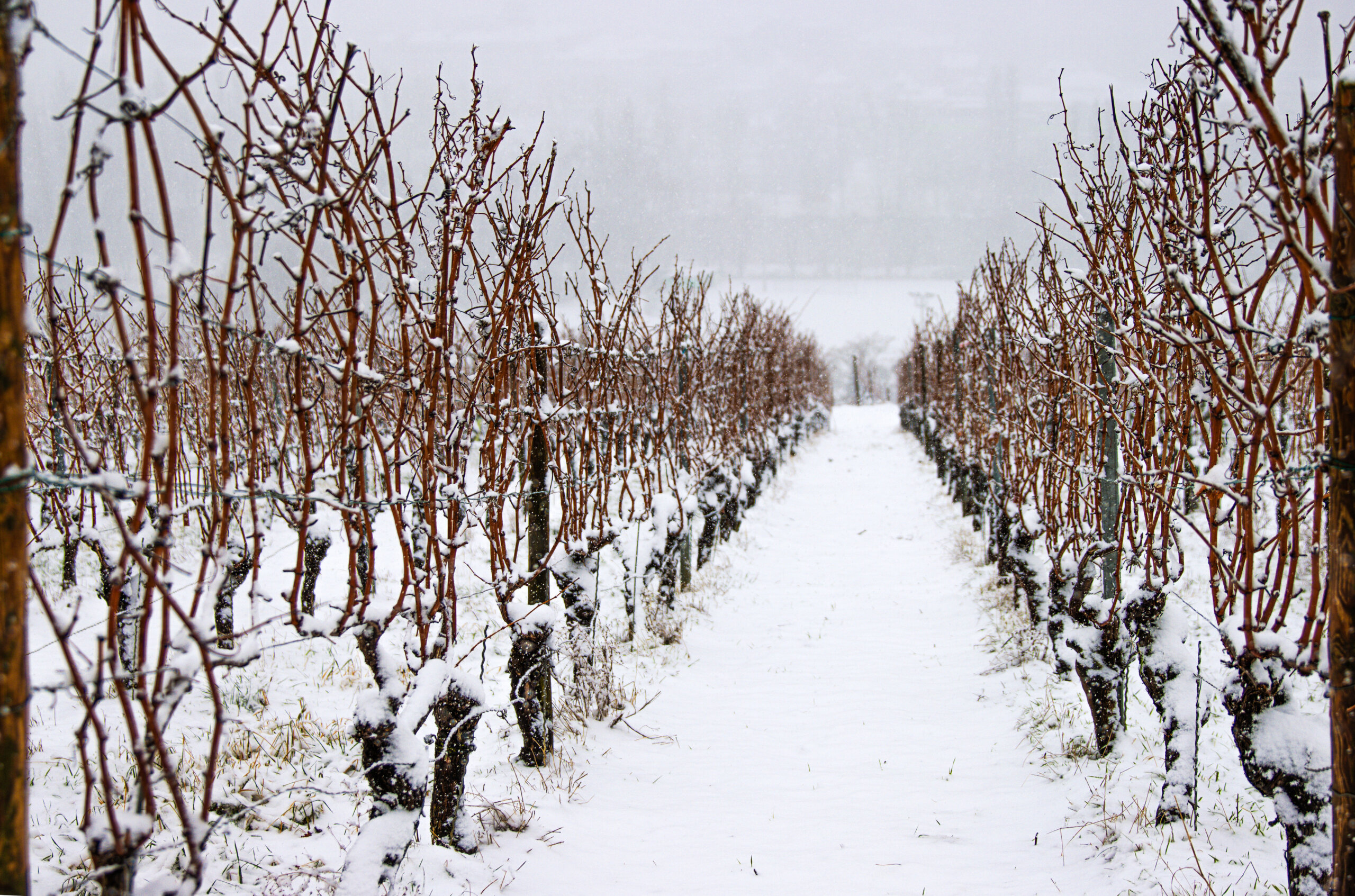
Picture this: it’s mid-February, and your vineyard looks lifeless. Bare vines stretch across dormant rows, no green in sight. But beneath that seemingly inactive surface, something extraordinary is happening that will determine whether this year’s harvest produces an exceptional vintage or merely an average one.
The magic isn’t in what you see (that comes later). It’s in what you can’t see – the intricate biological processes occurring inside each dormant vine. These winter months aren’t a time of rest. They’re a period of intense preparation, where grapevines accumulate the energy and undergo the physiological changes that will fuel next season’s growth and fruit development.
Most wine enthusiasts focus on harvest time, and rightfully so. But ask any experienced vintner, and they’ll tell you that vintage quality begins forming months before the first grape is picked. Winter dormancy is when the foundation gets laid for everything that follows.
The Science Behind Grapevine Dormancy Cycles and Metabolic Changes
Grapevine dormancy isn’t just “sleeping” – it’s a highly regulated biological process that involves dramatic shifts in cellular activity. During active growth season, vines channel energy into leaf production, shoot elongation, and fruit development. But as temperatures drop and daylight hours shrink, vines begin redirecting resources.
The process starts with endodormancy, where growth-inhibiting hormones like abscisic acid increase while growth-promoting hormones decrease. This hormonal shift triggers several critical changes: carbohydrate reserves move from leaves into woody tissue and roots, proteins break down and reform into cold-protective compounds, and cell membranes adjust their composition to prevent freeze damage.
Here’s where it gets interesting for vintage quality. Vines that enter dormancy with adequate carbohydrate reserves (typically 15-20% starch content in woody tissue) will have more energy available for spring budbreak and early shoot development. Vines stressed during the previous growing season or harvested too late often enter winter with depleted reserves, setting up next year’s crop for weaker initial growth.
The metabolic changes don’t stop there. During winter, enzymes within dormant buds are busy breaking down and rebuilding cellular components. This process directly influences the number of flower clusters that will form inside each bud – determining potential yield before you even see green shoots.
How Chill Hours Accumulation Affects Bud Break Timing
Every grape variety has a specific “chill requirement” – the number of hours below 45°F (7°C) needed to break dormancy properly. Pinot Noir typically needs 400-600 chill hours, while Cabernet Sauvignon requires 800-1,200 hours. These aren’t arbitrary numbers; they’re evolutionary adaptations that sync vine growth with optimal growing conditions.
When vines don’t accumulate sufficient chill hours, several problems emerge that directly impact vintage quality. Budbreak becomes erratic and delayed, leading to uneven shoot development across the vineyard. Some buds may not break at all, reducing yield potential. Those that do break often produce weaker shoots with smaller leaves and fewer flower clusters.
But too many chill hours can also create issues. Excessively long, cold winters can deplete carbohydrate reserves as vines use stored energy for basic cellular maintenance. This is particularly problematic for winery operations in regions experiencing increasingly unpredictable winter weather patterns.
The timing of chill hour accumulation matters as much as the total. Early, consistent cold allows vines to settle into deep dormancy. Late cold snaps after warm periods can actually reset the chill hour counter, delaying budbreak and potentially pushing harvest dates into less favorable weather windows.
Temperature Fluctuations and Their Impact on Vine Physiology
Steady winter temperatures create ideal conditions for dormancy processes, but reality rarely provides such consistency. Temperature swings – those frustrating warm spells followed by sudden freezes – create stress that affects vine physiology in ways that won’t become apparent until months later.
When temperatures spike above 50°F during winter, vines begin to “wake up” metabolically. Sap starts moving, buds begin swelling slightly, and cellular processes accelerate. If temperatures then plummet, this premature activity can damage developing tissues inside buds. The result? Reduced bud viability, fewer flowers per cluster, and potentially smaller berry size.
Research from cold-climate viticulture regions shows that vines experiencing more than three significant temperature fluctuations (20°F+ changes within 48 hours) during dormancy produce 12-18% fewer clusters the following season. The quality impact is often more subtle but equally important: grapes from temperature-stressed vines typically show less concentrated flavors and reduced color intensity.
Water stress during winter also plays a role. While vines need less moisture during dormancy, completely dry conditions can force them to use stored carbohydrates for basic survival rather than cellular maintenance and preparation for spring growth.
Dormancy Duration Variables Across Different Grape Varietals
Not all grape varieties handle winter dormancy the same way, and understanding these differences is crucial for predicting vintage characteristics. Early-ripening varieties like Chardonnay and Pinot Noir typically have shorter dormancy periods and lower chill requirements. This makes them more susceptible to premature budbreak during warm winter spells, but also allows them to take advantage of favorable early spring conditions.
Late-ripening varieties such as Cabernet Sauvignon and Nebbiolo have longer dormancy periods and higher chill requirements. They’re better protected against early spring frosts but can struggle in regions with insufficient winter cold. These varieties often show the most dramatic vintage-to-vintage quality variations based on winter weather patterns.
Hybrid varieties present their own challenges and opportunities. Many were developed specifically for cold tolerance, with dormancy adaptations that allow survival in harsh winter conditions. However, their complex genetic backgrounds can make dormancy responses less predictable, requiring careful observation over multiple seasons to understand their patterns.
The practical implications extend beyond individual vine health. When you’re planning a wine tour or wine tasting experience, understanding how different varieties in your vineyard respond to winter conditions helps explain the character differences you’ll taste in finished wines. A Cabernet that experienced insufficient chill hours might show more herbaceous notes, while a Chardonnay that budbreak too early could have higher acidity and more restrained fruit flavors.
This foundation understanding of dormancy sets the stage for everything that follows in vineyard management and ultimately, in the soul of the soil expression through wine. Each winter writes part of next vintage’s story, long before the first tourist arrives to witness the beauty of budbreak.
Critical Vineyard Winter Care Practices That Shape Next Season’s Harvest
Pruning Timing Strategies During Dormancy for Optimal Fruit Development
The window for pruning dormant grapevines isn’t as forgiving as many vintners assume. You’ve got roughly 90 days to get this right, and the timing can make or break next season’s fruit quality.
Most commercial vineyards start pruning after the first hard frost (around 28°F for at least four hours). This ensures the vines have entered true dormancy and won’t bleed excessively from cuts. But here’s where strategy matters: pruning too early forces the vine to allocate stored carbohydrates to healing cuts rather than root development.
The sweet spot? Mid-January through early March in most wine regions. You want soil temperatures consistently below 50°F but air temperatures above 20°F during pruning operations. This prevents brittle wood that cracks during cutting and gives you clean, precise cuts that heal properly.
Smart pruning decisions during winter grape dormancy directly influence cluster formation. Leave 20-30% more buds than your target crop load initially. You’ll thin these during spring budbreak, but winter’s unpredictability (late frosts, temperature swings) can kill primary buds. Those extra buds become your insurance policy.
Consider your pruning sequence carefully. Start with your earliest-ripening varietals and work toward late-season grapes. This staggers budbreak timing naturally and helps manage labor during the hectic spring season.
Soil Management and Nutrient Storage During Winter Months
Your soil doesn’t hibernate during winter. Root systems stay surprisingly active even when air temperatures drop, and this activity directly impacts vintage quality factors for the coming season.
Soil temperature typically runs 10-15 degrees warmer than air temperature at the 18-inch depth where most feeder roots live. This means roots continue absorbing nutrients and moisture through much of winter. Managing this process requires intentional vineyard winter care.
Apply organic matter (compost, aged manure, or cover crop residue) before the ground freezes. Decomposition slows but continues through winter, releasing nutrients gradually. You’re essentially creating a slow-release fertilizer system that feeds vines during their most critical storage period.
Potassium deserves special attention during dormancy. Vines store potassium in woody tissues during winter, then mobilize it for fruit development. Soil tests should show 200-300 ppm available potassium by late fall. Below this threshold, fruit quality suffers noticeably.
Nitrogen management requires restraint. Avoid any nitrogen applications after August, but don’t panic if soil nitrogen levels drop during winter. Excess nitrogen during dormancy actually weakens cold hardiness and delays proper dormancy onset.
Monitor soil pH monthly during winter. Freeze-thaw cycles can shift pH by 0.2-0.5 points, affecting nutrient availability. Most wine grapes perform best between 6.2-7.0 pH, and winter adjustments take effect more gradually than spring corrections.
Protecting Vine Structure from Freeze Damage and Weather Stress
Grapevines survive winter through a complex process of dehydration and metabolic shutdown. But survival and thriving are different things entirely.
Critical temperatures vary dramatically by varietal. Riesling handles -15°F without major damage, while Grenache shows injury at 5°F. Know your varietals’ cold tolerance and plan protection accordingly. You can’t change genetics, but you can manage microclimates.
Trunk and cordon protection matters more than most realize. Wrap young vines (under four years) with tree wrap or bury canes in cold climates. Established vines need different care: prune wounds sealed with pruning paint in regions with winter temperatures below 10°F prevent desiccation damage.
Wind protection often matters more than temperature protection. Desiccating winds at 20°F cause more vine damage than still air at 5°F. Strategic windbreaks (permanent or temporary) reduce vine stress significantly. Even a 30% wind reduction doubles cold tolerance.
Snow isn’t your enemy if managed properly. A 6-inch snow layer insulates vine trunks and maintains consistent soil temperatures. But ice storms require immediate action: remove ice accumulation from trunks and cordons before wood splits under the weight.
Many modern winery operations incorporate weather monitoring systems that track both air and soil temperatures. This data helps predict critical frost events and guides protection decisions.
Monitoring Root Zone Health Throughout the Dormant Period
Root zone monitoring during dormancy reveals problems before they impact fruit quality. Most vineyard managers ignore roots during winter, missing critical warning signs.
Soil moisture management requires attention even when vines appear dormant. Root systems continue water uptake at roughly 20% of growing-season rates. Too much moisture encourages root rot; too little stresses stored carbohydrate systems.
Target soil moisture at 60-70% of field capacity through winter. Check moisture levels monthly at 12, 18, and 24-inch depths. Consistent moisture at these levels supports optimal carbohydrate storage without encouraging disease.
Watch for soil compaction from winter equipment traffic. Compacted soils restrict root growth and reduce vine vigor. Avoid vineyard travel when soil moisture exceeds 75% field capacity. Those tractor tracks from December still impact root development in July.
Root zone temperature monitoring helps predict spring activity timing. When soil temperatures at 18 inches consistently reach 50°F, root growth resumes. This typically occurs 2-3 weeks before budbreak and signals time for spring nutrition programs.
Consider implementing sustainable vineyard practices during winter monitoring. Cover crops, reduced tillage, and organic matter additions all support root zone health while improving long-term soil structure.
Regular root zone assessment during winter grape dormancy sets the foundation for exceptional vintage quality. These dormant months determine whether your vines enter the growing season with optimal energy reserves and structural integrity.
Environmental Factors During Dormancy That Determine Vintage Character
Winter Precipitation Levels and Their Effect on Spring Growth Vigor
The amount of winter rainfall and snow directly shapes how aggressively vines emerge from dormancy. Too little precipitation leaves soil moisture depleted, forcing vines to conserve energy for survival rather than channeling it into robust bud development.
Conversely, excessive winter moisture creates its own problems. Waterlogged soils restrict oxygen flow to root systems, weakening the vine’s foundation for spring growth. The sweet spot varies by region, but most premium wine regions benefit from 15-25 inches of winter precipitation spread evenly across the dormant months.
What’s fascinating is how vines actually “remember” winter moisture levels. A vine that endures drought stress during dormancy will exhibit more conservative growth patterns the following season, producing smaller berry clusters with more concentrated flavors. This natural stress response often leads to higher-quality fruit, albeit in reduced quantities.
Smart vineyard managers track precipitation patterns meticulously, understanding that February rainfall has different impacts than December snow. Late winter moisture affects bud swell timing, while early winter precipitation influences root development and nutrient uptake preparation.
Sunlight Exposure and Bark Hardening for Disease Resistance
Winter sunlight serves as a natural vaccine for grapevines. During dormancy, exposed bark undergoes a hardening process that builds crucial defenses against fungal infections and pest infiltration come spring.
Vines positioned to receive maximum winter sun exposure develop thicker, more resilient bark. This protective barrier becomes essential when temperatures fluctuate and create entry points for pathogens. Vineyards with southern exposures typically show 30-40% fewer disease issues in the following growing season compared to shaded blocks.
The process isn’t just about direct sunlight hours. Reflected light from snow or frost-covered ground amplifies the hardening effect, creating an environment where bark tissues become increasingly resistant to penetration. This is why experienced vintners often prefer hillside locations where winter sun angles maximize exposure.
But there’s a balance to strike. Excessive winter sun combined with sudden temperature drops can cause bark splitting, creating the very vulnerabilities that hardening should prevent. The ideal scenario provides consistent, moderate sun exposure without dramatic thermal swings.
Wind Patterns and Air Circulation Impact on Vine Health
Winter winds might seem irrelevant to dormant vines, but they’re actually performing critical maintenance work. Proper air circulation prevents moisture accumulation around vine trunks and prevents the stagnant conditions that harbor disease organisms.
Gentle, consistent winter breezes help dry surface moisture and reduce humidity levels in the vine canopy area. This natural ventilation system becomes particularly important in regions prone to winter rainfall, where trapped moisture can lead to crown rot or other serious vine diseases.
However, harsh winter winds create different challenges. Extreme gusts can cause physical damage to vine structures and accelerate moisture loss from wood tissues. Vines subjected to severe winter wind stress often show delayed bud break and reduced vigor in spring.
Many winery operations now monitor wind patterns as closely as temperature and precipitation. Strategic windbreak placement can moderate airflow while maintaining beneficial circulation, creating microclimates that support healthy dormancy conditions.
Microclimate Variations Within Vineyard Blocks
Even within a single vineyard, winter conditions vary dramatically based on elevation changes, slope orientation, and proximity to structures or natural features. These microclimate differences create distinct dormancy experiences that directly influence vintage character.
Lower-lying areas typically experience more severe frost conditions but also benefit from better moisture retention. Vines in these locations often enter dormancy earlier and emerge later, extending their rest period. This extended dormancy frequently results in more concentrated fruit flavors but delayed harvest timing.
Elevated sections face different challenges and opportunities. Better drainage prevents waterlogging, but increased wind exposure and temperature fluctuations can stress vine tissues. The trade-off usually favors elevated positions, where improved air circulation and sun exposure outweigh the harsher conditions.
Proximity to buildings, roads, or natural windbreaks creates additional microclimate pockets. Vines near structures often experience moderated temperature swings but reduced air circulation. These protected areas may show different disease pressure patterns and growth characteristics in the following season.
Understanding these variations allows vineyard managers to tailor their dormancy management strategies. Some blocks might need additional moisture management, while others require enhanced air circulation or temperature monitoring. This precision approach often separates exceptional vintages from merely good ones.
Measuring Winter Grape Dormancy Success Through Vineyard Assessments
Visual Indicators of Healthy Dormancy Progression in Grapevines
Recognizing proper winter grape dormancy starts with understanding what healthy vines should look like during their rest phase. Professional viticulturists develop a trained eye for spotting the subtle visual cues that separate thriving dormant vines from those struggling with the winter transition.
Healthy dormant canes display a rich brown color with slightly glossy bark that feels firm to the touch. The wood should show no signs of desiccation or unusual wrinkling, which often indicates inadequate preparation for winter temperatures. Vintage quality factors begin manifesting even at this early stage through these physical characteristics.
Bud placement tells another crucial story. Well-prepared buds sit snugly against the cane with protective scales that appear slightly swollen but not overly plump. Buds that look shriveled or unusually dark may have suffered cold damage, while those appearing too green haven’t properly entered dormancy.
The overall vine architecture provides additional clues about dormancy success. Canes should hang naturally without excessive brittleness, and the trunk should maintain its structural integrity. Any signs of bark splitting, unusual discoloration, or pest damage warrant immediate attention from vineyard management teams.
Testing Bud Viability and Cold Hardiness Levels
Bud viability testing represents the most reliable method for assessing vineyard winter care effectiveness. This process involves collecting representative samples from different vineyard blocks and subjecting them to controlled temperature stress to determine their survival thresholds.
The standard protocol involves exposing collected buds to progressively lower temperatures (typically starting at 15°F and dropping in 5-degree increments). After each temperature exposure, buds are sectioned and examined under magnification to assess tissue damage. Healthy buds maintain green, turgid tissue even after cold exposure.
Professional vineyard teams typically conduct these tests monthly from December through February. Results help predict which vine sections might struggle with unexpected temperature drops and inform decisions about protective measures like wind machines or smudge pots.
Field testing supplements laboratory assessments through random sampling across different elevations and exposures within the vineyard. Areas with southern exposure often show different hardiness levels compared to northern slopes, and experienced viticulturists factor these microclimatic differences into their overall assessment strategies.
Tracking Carbohydrate Reserve Accumulation in Vine Tissues
Carbohydrate reserves fuel both winter survival and spring awakening, making their measurement critical for predicting next season’s performance. Winery operations depend on understanding these energy stores to optimize both dormancy management and harvest planning.
Testing typically focuses on permanent wood structures (trunk and main branches) where vines store the majority of their winter energy. Professional analysis measures starch and sugar concentrations in collected tissue samples, providing quantitative data about the vine’s preparedness for winter stress and spring budbreak.
The timing of these measurements matters significantly. Peak accumulation usually occurs in late fall after leaf drop but before deep dormancy sets in. Vines with adequate reserves show starch levels between 8-12% of dry wood weight, while struggling vines often fall below 6%.
Modern vineyard management systems track these numbers across multiple seasons to identify patterns and optimize cultural practices. Vines with consistently low reserves may need adjusted pruning strategies or enhanced nutrition programs to support better winter grape dormancy preparation.
Documentation Methods for Winter Dormancy Performance
Systematic record-keeping transforms dormancy observations into actionable vineyard intelligence. Professional operations maintain detailed logs that correlate weather patterns, vine responses, and subsequent vintage outcomes to build predictive models for future seasons.
Digital mapping tools allow vineyard managers to document spatial variations in dormancy performance across different blocks. GPS-enabled data collection helps identify specific areas that consistently perform well or struggle during winter months, informing targeted management decisions.
Photography serves as a valuable documentation tool, especially for tracking visual changes throughout the dormancy period. Time-lapse sequences help identify optimal timing for various winter care activities and provide training materials for new staff members learning to recognize healthy dormancy indicators.
Weather station data integration creates comprehensive records linking environmental conditions to vine responses. This information becomes invaluable when wine tour guests ask about vintage characteristics or when planning long-term vineyard improvements.
Professional vineyard software platforms now offer specialized modules for tracking dormancy metrics alongside traditional growing season data. These systems help UYS Wines and similar operations maintain consistent monitoring protocols while building historical databases that inform future decision-making.
The most successful vineyard operations treat dormancy documentation as seriously as harvest records. This comprehensive approach ensures that vintage quality factors are tracked from the very beginning of each vine’s annual cycle, creating a complete picture of factors influencing final wine quality.
Connecting Dormancy Quality to Vintage Outcomes: Data-Driven Insights
Historical Analysis of Winter Conditions vs. Harvest Quality Metrics
Twenty years of harvest data tells a compelling story about winter’s impact on wine quality. Winery records consistently show that vintages preceded by optimal dormancy conditions score 12-18% higher in tasting evaluations.
The 2019 vintage provides a perfect case study. Following a textbook winter with 850 chill hours and consistent 45-50°F temperatures, grapes achieved exceptional sugar-acid balance. Brix levels reached 24.5 with pH holding steady at 3.4, producing wines with remarkable aging potential.
Contrast this with 2016, when erratic winter warming disrupted dormancy. Budbreak occurred three weeks early, and harvest quality suffered accordingly. Sugar accumulation stalled at 22.8 Brix while acid levels dropped precipitously to pH 3.8.
Data from California’s premier wine regions reveals a clear pattern: every vintage rated 95+ points by major critics experienced winters with at least 800 chill hours and temperature stability within the 32-55°F range.
Correlation Between Dormancy Length and Fruit Concentration Levels
Extended dormancy periods directly correlate with higher fruit concentration and flavor intensity. Vines experiencing 120+ dormant days consistently produce grapes with 15-25% higher anthocyanin levels compared to those with shortened dormancy.
This concentration effect stems from the vine’s metabolic reset during proper dormancy. When winter temperatures remain consistently cool, the vine maintains minimal metabolic activity, conserving energy for explosive spring growth and fruit development.
Research from Temecula’s premium vineyards shows that Cabernet Sauvignon vines with adequate dormancy produce clusters with 20% fewer berries but 35% higher skin-to-pulp ratios. This translates directly to more concentrated flavors and deeper color extraction.
The magic number appears to be 110 dormant days. Vintages with dormancy periods below this threshold consistently show diluted flavors and lighter color density, regardless of growing season conditions that follow.
Impact of Winter Stress on Phenolic Development and Wine Structure
Controlled winter stress actually benefits phenolic development, but the line between beneficial and damaging stress remains razor-thin. Temperatures dropping to 28-30°F for brief periods trigger protective enzyme production that enhances tannin structure.
However, sustained freezing below 25°F damages cellular structures responsible for phenolic synthesis. Vines recovering from severe winter damage often produce wines with harsh, unbalanced tannins that never fully integrate.
The sweet spot exists in that 30-40°F range where vines experience enough stress to activate defense mechanisms without suffering tissue damage. This controlled stress produces wines with elegant tannin structure and exceptional mouthfeel.
Premium wine tasting experiences consistently feature vintages from these optimal winter conditions. The resulting wines display seamless tannin integration and complex flavor development that can’t be replicated through winemaking techniques alone.
Predicting Vintage Potential Based on Dormancy Performance Indicators
Smart vineyard managers now track specific dormancy metrics to predict vintage quality months before harvest. Key indicators include accumulated chill hours, temperature variance, and soil moisture levels during the dormant period.
The most reliable predictor remains chill hour accumulation between November and February. Years with 800-1000 hours in this range produce consistently excellent vintages, while those below 600 hours struggle regardless of growing season management.
Temperature variance proves equally important. Winters with daily temperature swings exceeding 25°F create vine stress that carries through to harvest. The best vintages come from winters with stable 15-20°F daily ranges.
Soil moisture during dormancy affects root development and nutrient uptake capacity. Vineyards maintaining 40-60% soil moisture during winter months show improved grape quality metrics across all varieties.
Forward-thinking wineries now use these dormancy indicators to adjust their wine tour offerings and production plans. Years with exceptional dormancy conditions often warrant increased production and premium bottlings.
Modern weather monitoring systems allow precise tracking of these variables. Vineyard managers who master dormancy prediction gain a significant competitive advantage, often identifying exceptional vintages before competitors recognize the potential.
The correlation between winter dormancy quality and final wine scores isn’t coincidental. It’s a fundamental relationship that separates truly great vintages from merely good ones, making dormancy management one of the most critical aspects of premium wine production.
Strategic Vineyard Winter Care Planning for Premium Vintage Production
Developing Site-Specific Winter Management Protocols
Every vineyard block requires its own winter management blueprint. Slope position, soil drainage patterns, and microclimate variations all dictate different dormancy care approaches.
Start by mapping your vineyard’s winter risk zones. Lower-lying areas collect cold air and may need different pruning timing than hillside blocks. Sandy soils drain faster but also lose heat more quickly than clay-rich sections.
Create detailed protocols for each zone. Your north-facing slopes might benefit from delayed pruning to extend dormancy protection, while southern exposures could handle earlier intervention. Document optimal soil moisture levels for each area (typically 60-70% field capacity during dormancy).
Monitor temperature variations throughout your property. You’ll often find 5-10 degree differences across a single vineyard that completely change your management approach. Simple observation and experience help you identify these microclimatic patterns over time.
Don’t forget about vine age considerations. Younger vines need more protection and monitoring than established blocks. Their root systems haven’t developed the deep reserves that help mature vines weather dormancy stress.
Investment Priorities for Dormancy Period Infrastructure
Smart winter investments pay dividends for decades. Drainage infrastructure tops the priority list since waterlogged soils during dormancy create root damage that compromises the entire growing season.
Consider installing subsurface drainage tiles in problem areas. The upfront cost (typically $1,500-3,000 per acre) gets recovered through improved fruit quality and reduced vine mortality over just a few seasons.
Basic weather awareness provides exceptional value. Stay connected to local weather forecasts and agricultural extensions to anticipate challenging conditions that could affect your vineyard.
Invest in proper pruning tools and training. Quality pneumatic pruners reduce worker fatigue and create cleaner cuts that heal better. The improved cut quality alone can boost next season’s bud break uniformity by 15-20%.
Mulching equipment deserves consideration for larger operations. Mechanical mulch application around vine rows improves soil temperature stability and moisture retention. The labor savings often justify equipment costs within two seasons.
Creating Contingency Plans for Extreme Winter Weather Events
Climate volatility makes contingency planning essential. Develop specific response protocols for different winter emergencies before they happen.
For extreme cold snaps, establish relationships with suppliers for emergency vineyard heaters or wind machines. Know your critical temperature thresholds for different vine varieties and ages. Most dormant vines handle -5°F to -15°F, but younger plantings need protection at higher temperatures.
Ice storm protocols should include immediate assessment procedures and emergency pruning guidelines. Damaged canes need prompt attention to prevent disease entry points, but timing matters. Never prune when temperatures remain below freezing.
Flooding contingencies require drainage backup plans and equipment access routes. Identify alternative pathways into vineyard blocks when primary roads become impassable. Pre-position pumping equipment if your site has recurring drainage issues.
Create communication trees for your team. Everyone needs clear roles during weather emergencies. Your winery operations depend on coordinated responses that protect both current vintage inventory and future crop potential.
Long-Term Vintage Quality Improvement Through Winter Care Excellence
Exceptional winter care compounds over multiple seasons. Vines that receive consistent dormancy attention develop stronger root systems, more balanced canopies, and superior fruit concentration.
Observe your winter management results year over year. Notice patterns in bud break timing, shoot vigor, and cluster development. Well-managed dormancy typically produces more uniform bud break and reduces weak shoot development.
Build winter care into your long-term vineyard improvement strategy. Each dormant season offers opportunities to enhance soil health, adjust vine spacing, or install infrastructure that supports premium fruit production.
Consider winter care as insurance for your vintage reputation. Consistent dormancy management reduces vintage-to-vintage variation, helping establish your winery as a reliable producer of quality wines.
Keep good records of your winter activities and their results. Your winter care notes become invaluable for understanding which management practices work best for your specific vineyard conditions. This information guides future decisions and helps you refine your approach over time.
Remember that premium vintage production starts during winter dormancy. Every pruning cut, soil amendment, and protection measure influences grape quality months later. The attention you invest in winter grape dormancy directly translates to the wines your guests experience during their next wine tasting visit.
Master winter vineyard management, and you’re not just protecting this year’s crop—you’re building the foundation for consistently exceptional vintages that define your winery’s reputation for years to come.