Maintaining Optimal Wine Storage in July Temperatures
Understanding the Perils of Summer Heat for Your Wine Collection
The Science Behind Heat Damage: ‘Cooked’ Wine Syndrome
July in Temecula ushers in some truly breathtaking landscapes, but for those of us passionate about fine wines, it also brings a significant challenge: soaring temperatures. The summer heat can be a formidable adversary for your beloved bottles, even seasoned collectors sometimes underestimate its power. When temperatures climb above a certain threshold, typically around 75-80°F (24-27°C), wines begin to suffer what we in the industry refer to as ‘cooked’ wine syndrome. This isn’t just about a slight alteration; it’s a fundamental breakdown of the wine’s delicate chemical structure. Think about it this way: wine is a living, evolving entity, and like any living thing, extreme conditions can lead to its demise. The heat accelerates chemical reactions within the bottle, leading to the oxidation of compounds that produce desirable aromas and flavors. Imagine the subtle notes of a perfectly aged Cabernet Sauvignon or the crisp minerality of a Chardonnay – these can quickly be replaced by unappetizing stewed fruit, prune, or even vinegary aromas. It’s a irreversible process, and once a wine is ‘cooked,’ there’s no turning back. The sophisticated balance that winemakers painstakingly achieve, whether it’s through careful grape selection in the winery or meticulous barrel aging, is simply undone by uncontrolled heat. This is why understanding the science of temperature control isn’t just a suggestion; it’s a necessity for preserving the integrity of your collection. We’re talking about maintaining optimal conditions, not just acceptable ones, to ensure that every bottle you open delivers the experience it was crafted to provide.
Assessing Vulnerability: Bottle Shock vs. Long-Term Spoilage
It’s crucial to differentiate between two common issues that wine enthusiasts encounter: bottle shock and long-term spoilage due to heat. They can sometimes be confused, but their origins and implications are quite distinct. Bottle shock, for instance, is a temporary condition. It often occurs after wines have been bottled, shipped, or otherwise agitated. The wine appears muted, closed, or even a little “off” immediately after such an event. This is a physiological response, if you will, where the wine needs time to settle and recover its equilibrium. Typically, with a few days or weeks of rest, the wine will return to its intended character. Think of it like taking a long, bumpy flight – you might feel disoriented for a bit, but you’ll eventually recover. The key here is that bottle shock is usually reversible and doesn’t cause permanent damage to the wine’s composition.
Long-term spoilage from heat, however, is an entirely different beast. This is not a temporary state; it’s a permanent degradation. When wine is exposed to consistently high temperatures or drastic temperature fluctuations over an extended period, the chemical changes we discussed earlier become irreversible. The delicate esters and aldehydes, which contribute so much to a wine’s aromatic complexity and flavor profile, are destroyed. The alcohol level might even increase slightly due to evaporation through the cork, a phenomenon known as ‘ullage.’ This isn’t about the wine needing a bit of a nap; it’s about the wine being fundamentally altered beyond repair. The wine might appear brick red or brown, even if it’s a young red, or take on a deep amber hue if it’s a white. The cork might be pushed out slightly, or feel spongy. It’s easy to dismiss these signs, but they are critical indicators of irreversible damage. For those of us managing a wine club or offering private wine tastings, understanding this distinction is paramount. Our customers expect pristine quality, and protecting our wines from long-term heat spoilage is a non-negotiable aspect of our commitment to excellence, particularly when considering the robust July temperatures common in our Temecula home. So, next time you’re evaluating a bottle, consider the duration and intensity of any heat exposure it might have experienced; it makes all the difference.
Identifying Early Warning Signs of Heat Exposure
Catching heat damage early can sometimes mitigate further issues, though as we’ve discussed, irreversible changes can occur quickly. Still, knowing what to look for is your first line of defense, especially when acquiring new bottles for your shop uys wines personal cellar or even just rotating your current stock. One of the most obvious physical indicators is the condition of the cork and capsule. A cork that has pushed out slightly from the bottle neck is a major red flag (sometimes called a ‘protruding cork’ or ‘weeping cork’). This happens because heat causes the wine inside to expand, increasing the pressure within the bottle. If the pressure becomes too great, it can force the cork upwards. Similarly, if you notice any stickiness or seepage around the foil capsule, it’s a strong sign that wine has escaped, indicating heat exposure and often a compromised seal. When you remove the capsule, check the top of the cork for any dried wine residue.
Beyond the cork, observe the wine itself. Visually, a wine that has been subjected to significant heat might appear cloudy or have a slightly off-color compared to what you’d expect for its varietal and age. For white wines, an overly deep golden or brownish tint can be a warning sign, while reds might lose their vibrancy and take on a dull, brickish hue. Now, for the sensory clues – these are perhaps the most telling. When you finally open the bottle, take a moment to smell it. If the wine smells distinctly of stewed fruit, prune, jam, or even something akin to burnt sugar or molasses, these are classic indicators of ‘cooked’ wine. The fresh, vibrant fruit notes you anticipate might be completely absent, replaced by heavy, oxidative aromas. On the palate, a heat-damaged wine often lacks freshness and liveliness. It might taste flat, lifeless, or possess an unpleasant bitterness. The finish, too, can be short and unappetizing. While it can be disheartening to discover these issues, recognizing these early warning signs ensures you don’t waste precious moments or ruin a special occasion with a compromised bottle. It also informs your future actions in terms of storage and procurement, helping you protect your wine tasting investments moving forward.
Optimizing Your Storage Environment for Peak Summer Conditions
Ideal Temperature Ranges for Different Varietals
When it comes to wine storage july in Temecula, understanding the optimal temperature range for your specific varietals is paramount. It’s not a one-size-fits-all situation; different wines, much like different types of people, thrive in varying conditions. Generally, you’re aiming for a consistent temperature between 50-59°F (10-15°C) to allow for graceful aging and prevent premature spoilage. But let’s get a bit more granular, shall we?
For instance, your delicate white wines and sparkling wines, which often embody crisp acidity and vibrant fruit notes, prefer the cooler end of that spectrum, perhaps closer to 50-55°F (10-13°C). Think of your Chardonnay or Sauvignon Blanc; these tend to lose their freshness and aromatic complexity if stored too warm. Conversely, robust red wines, such as Cabernet Sauvignon or Syrah, can handle the slightly warmer side, maybe 55-59°F (13-15°C). This allows their complex tannins to soften and flavors to integrate over time, rather than becoming flat or stewed.
What happens if you stray outside these ranges, especially during intense summer temperatures? Storing wine too warm accelerates the aging process, leading to cooked flavors and a loss of fruit character. It can literally “cook” your wine, making it taste dull and lifeless.
On the other hand, storing wine too cold can stunt its development, preventing the flavors and aromas from fully evolving. It’s a delicate balance, and consistency is key. Fluctuations are arguably even more damaging than a slightly off but stable temperature.
Consider the delicate nuances of Temecula’s own award-winning varietals. Our whites and lighter reds often benefit from precise temperature control to preserve their unique terroir characteristics. A slight shift can significantly impact the sensory experience. So, actively monitoring your storage environment, especially during the peak summer heat, is not just recommended; it’s essential for ensuring your collection reaches its full potential when you finally pop that cork.
The Crucial Role of Humidity Control in Preventing Cork Dryness
While temperature often gets the spotlight in discussions about wine storage july, humidity plays an equally critical, though often overlooked, role. We’re talking about preserving the integrity of that tiny, yet mighty, cork. Why is this so important? Because a dry cork is a shrinking cork, and a shrinking cork means air can ingress into your bottle, leading to oxidation – the arch-nemesis of wine.
An ideal humidity level for wine storage typically hovers between 60-80%. Within this range, the cork remains moist and supple, forming a tight seal that protects the wine from oxygen exposure. Imagine a cork as a living thing; it needs moisture to stay healthy and flexible.
If the humidity drops too low, especially in the dry Temecula summer, corks can dry out, become brittle, and crack. This not only allows oxygen in but can also cause the cork to crumble when you try to open the bottle, making for a rather frustrating experience.
The impact of improper humidity extends beyond just cork integrity. Extremely low humidity can also evaporate wine through the cork, a phenomenon known as “ullage,” which means you lose precious liquid over time. Conversely, overly high humidity, while less common in dry climates, can foster mold growth on labels and even on the cork itself. While mold on the outside of the bottle is aesthetically displeasing and can damage labels, mold inside the bottle is a far more serious concern, indicating a compromised seal.
So, during the intense summer wine storage months, actively managing humidity helps to ensure that each bottle remains perfectly sealed, allowing the wine inside to age gracefully and maintain its intended characteristics. It’s a subtle yet profound factor that can make all the difference between a perfectly preserved vintage and a prematurely aged disappointment.
Strategic Placement: Avoiding Direct Sunlight and Heat Sources
You’ve got your perfect temperature and humidity, but where you actually physically place your wine bottles within your storage area is just as vital. This is where strategic placement comes into play, particularly when battling the intense Temecula sun and various household heat sources. Direct sunlight is, quite simply, a wine killer.
Its UV rays are incredibly damaging, breaking down the complex organic compounds in wine, leading to what’s often referred to as “light struck” flavors. These off-flavors can manifest as a cooked cabbage or wet wool aroma, completely ruining the wine’s delicate profile. Even tinted bottles offer only limited protection against prolonged exposure.
But it’s not just direct sunlight from windows you need to worry about. Think about any heat-emitting appliances or structural elements in your home. This includes water heaters, laundry machines, refrigerators, furnaces, and even poorly insulated walls that bear the brunt of the afternoon sun.
Storing wine near any of these sources guarantees erratic temperature fluctuations, which, as we discussed, are detrimental to wine’s longevity and quality. Even ambient heat radiating from a TV or computer can contribute to localized hot spots.
The goal is to find the coolest, darkest, and most stable corner you can. Basements or dedicated wine cellars are ideal, offering natural insulation and darkness. If a cellar isn’t an option, consider an interior closet on the lowest level of your home.
These spots are typically furthest from exterior walls and windows, and usually have more consistent temperatures throughout the day and night. Avoid kitchens, garages, and attics at all costs during the summer; these are notorious for extreme temperature swings and high heat, making them unsuitable for any serious wine temperature control.
Proper placement is a foundational element of effective summer wine storage. By keeping your bottles away from direct light and heat sources, you create a more stable environment that safeguards your investment and ensures that each bottle will deliver the peak pleasure it was intended for when you finally decide to open it.
Essential Equipment and Technologies for Temperature Regulation
Evaluating Wine Refrigerators and Cellar Cooling Systems
When the Temecula summer sun really starts to beat down in July, maintaining the ideal temperature for your wine collection in your home or winery becomes paramount. This is where dedicated wine refrigerators and cellar cooling systems truly shine. They’re not just fancy gadgets; they’re essential investments for serious collectors and producers alike. Think about it: a standard kitchen refrigerator is designed to keep food cold, typically around 35-40°F (1.7-4.4°C), which is far too cold for wine. Wine, especially those delicate reds and nuanced whites, really wants to live in a much more comfortable range, generally between 50-59°F (10-15°C).
Dedicated wine tasting refrigerators are purpose-built for this. They often feature specific temperature zones, allowing you to store different varietals at their optimal conditions. For instance, you might have a cooler zone for sparkling wines and a slightly warmer one for your Cabernet Franc. Beyond just temperature, these units also address humidity, a critical factor we’ve discussed before. Many models include humidity control to prevent corks from drying out and allowing oxidation, which is, frankly, a wine collector’s nightmare. When evaluating options, consider capacity – how many bottles do you actually need to store? And do you need a single-zone or multi-zone system? For larger collections or dedicated cellars, cellar cooling systems are the way to go. These are much more robust, often external units that seamlessly integrate into an insulated space, transforming it into a true wine cellar, capable of handling the extreme heat spikes we frequently see in Temecula. They maintain a consistent temperature and humidity, crucial for long-term aging.
Consider the energy efficiency (look for Energy Star ratings!), noise levels (some units can be quite loud), and of course, the aesthetic. Many people want these units to look good too, especially if they’re in a visible area. Manufacturers like EuroCave, Liebherr, and Sub-Zero are well-regarded in the industry for their reliability and precision. Don’t be fooled by regular beverage coolers; while they might offer a temporary solution, they simply don’t provide the stable, consistent environment required for proper wine preservation, especially during the relentless heat of July.
Passive Cooling Solutions for Non-Dedicated Spaces
Not everyone has the luxury of a dedicated wine cellar or the budget for high-end cooling systems, and that’s perfectly okay. For those with smaller collections or non-dedicated spaces, passive cooling solutions can be surprisingly effective, especially when paired with smart environmental management. The goal here is to minimize temperature fluctuations and extremes without active refrigeration. Think about natural insulation and strategic placement.
First and foremost, location is key. Always store your wine in the coolest, darkest part of your home. This often means basements or interior closets away from exterior walls and direct sunlight.
Sunlight, even indirect, is a huge no-no; UV rays can prematurely age wine and degrade its quality. If you don’t have a basement, consider an interior closet on the ground floor. Avoid attics, garages, or any space that experiences significant temperature swings through the day, as these are typically the first places to heat up dramatically in July.
Another excellent passive solution involves insulation. If you have a closet or pantry you’re using, consider adding insulation to the walls, ceiling, and even the back of the door. This helps create a more stable microclimate. Wine racks can also play a role; metal or wood racks that allow for good air circulation around the bottles are preferable to stacking cases directly against a wall. For extreme cases or temporary storage during a heatwave, some collectors use insulated wine boxes or even wrap bottles in blankets to provide an extra buffer against temperature changes. While not a permanent solution, these temporary measures can truly make a difference in preserving your winery‘s integrity when temperatures soar. Another option is a wine “cabinet” that isn’t actively cooled but is heavily insulated, offering a better thermal mass than an open shelf. These aren’t perfect, but they definitely beat storing wine in a hot living room!
Monitoring Tools: Thermometers, Hygrometers, and Smart Devices
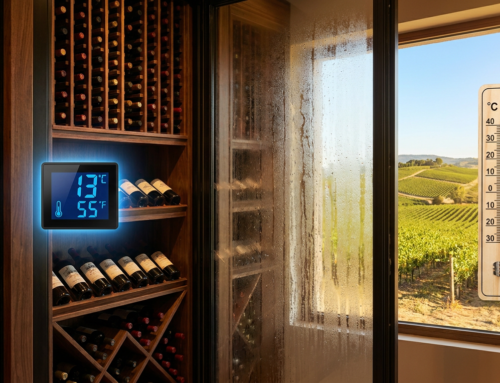
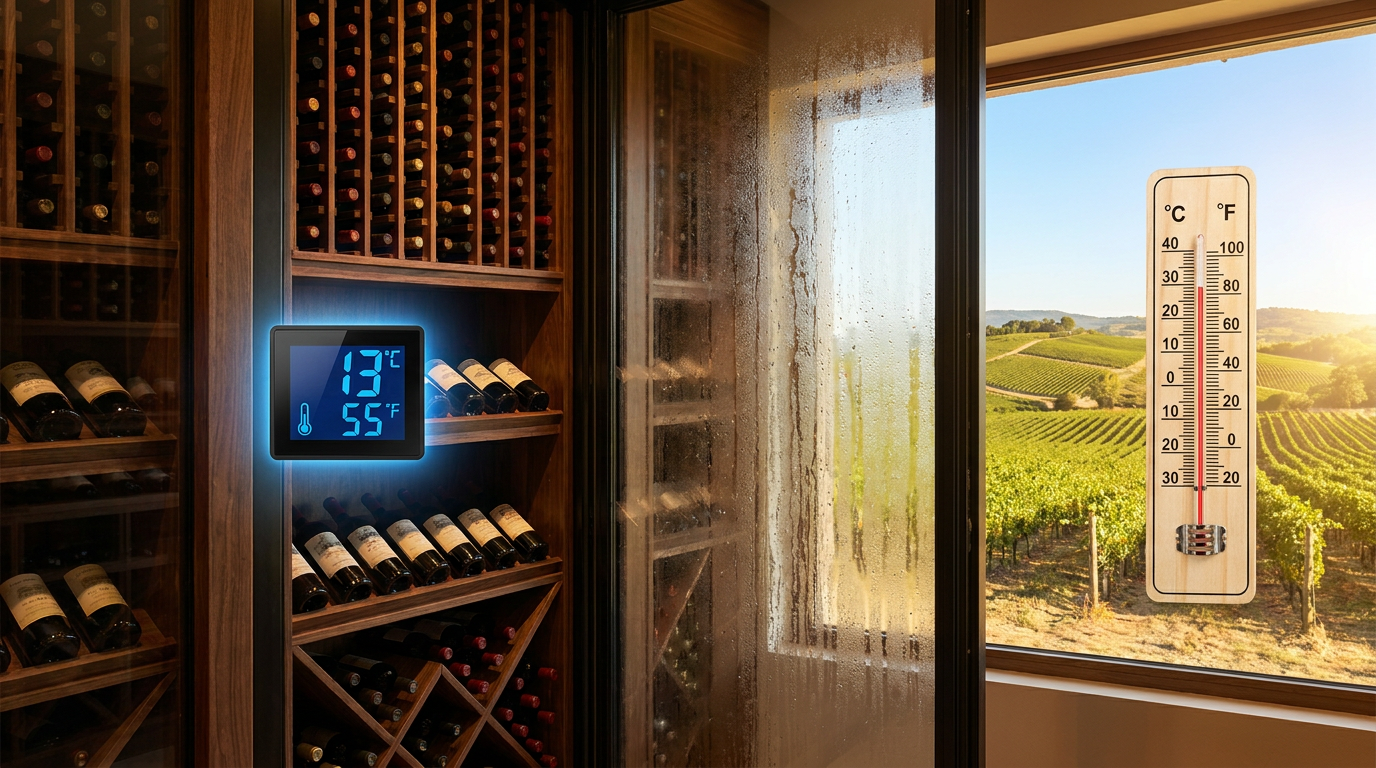
You can’t manage what you don’t measure, and this holds especially true for wine storage. Without proper monitoring, even the best cooling systems or passive strategies can be undermined by unforeseen environmental shifts. The foundational tools here are simple: a good thermometer and a hygrometer.
A thermometer, obviously, tells you the temperature. But it’s not just about knowing the ambient temperature; it’s about understanding the fluctuations. You want a consistent temperature, not one that bounces around.
Aim for accurate digital thermometers, and ideally, place them both inside your storage area and near the bottles themselves, to get a true reading of the wine’s environment.
A hygrometer measures humidity, which is just as critical as temperature. We’re looking for a sweet spot, ideally between 60-75% relative humidity. Too low, and corks dry out, leading to oxidation.
Too high, and you risk mold growth on labels and corks. Many digital thermometers come with integrated hygrometer functions, offering a convenient two-in-one device. Place these centrally within your storage area, away from direct airflow, to get an accurate reading.
Stepping up from basic devices, smart monitoring tools offer a significant advantage, especially for those in warm climates like Temecula. These devices connect to your Wi-Fi and can send real-time alerts to your smartphone or email if temperature or humidity levels fall outside your desired range. Imagine being away on vacation and getting an alert that your cellar temperature just spiked! This proactive notification can literally save your entire collection. Brands like Temp Stick, SensorPush, and Govee create these types of sensors, which are unobtrusive and relatively inexpensive given the value they protect. Some advanced wine refrigerators also come with their own integrated smart monitoring and control features. Investing in these tools provides peace of mind and allows you to intervene quickly if something goes awry, ensuring your precious wine tour remains in pristine condition, even through the hottest July days.
Best Practices for Handling and Transporting Wine in July
Minimizing Exposure During Purchases and Deliveries
July in Temecula means serious heat, and for us in the wine world, that presents a unique challenge for ensuring our cherished bottles arrive at their destination uncompromised. When you’re making purchases, whether from your favorite local winery or an online retailer, it’s crucial to minimize the time your wine spends exposed to those scorching summer temperatures. Think of it this way: every minute a bottle spends above its ideal storage temperature (which, let’s be real, is pretty much all of July’s ambient air) can contribute to premature aging or, worse, irreversible damage.
So, what can we do? For local pickups, pre-ordering is your best friend. Call ahead to your preferred winery so your order is ready and waiting. This reduces the time your bottles sit outside, even for a few minutes. Also, consider the time of day. Early mornings or late evenings, when the sun isn’t at its peak, are far safer for transport. And always, always have your vehicle ready to go with the AC blasting before you even step inside to collect your wine.
When it comes to deliveries, especially from online shops, communication is key. Confirm delivery dates and request specific delivery windows if possible. If you won’t be home, arrange for someone else to receive the package immediately, or have it delivered to a temperature-controlled location, like an office.
Leaving wine on a porch in July, even for an hour, is a recipe for cooked wine. That’s a heartache no one wants. Some retailers offer temperature-controlled shipping, which, while it might come with an added cost, is often a worthwhile investment to protect your purchase during the peak summer months.
Safe Transit Strategies for Moving Bottles
Moving wine, even for short distances in July, requires careful planning and execution. It’s not just about getting the bottles from point A to point B; it’s about getting them there safely, without thermal shock or excessive vibration. Think of your wine as delicate cargo – because it truly is, especially in extreme heat. A quick run to a dinner party could turn into a disaster if you’re not thinking about how the wine is traveling.
First off, never, ever transport wine in the trunk of your car in July. The enclosed space can reach oven-like temperatures surprisingly quickly. We’re talking well over 100 degrees Fahrenheit, which will destroy your wine faster than you can say “corked.” Instead, place your wine inside the climate-controlled cabin of your car.
If you have a longer drive, insulated wine carriers or coolers are invaluable. Just be sure to use reusable ice packs rather than loose ice, which could lead to condensation and damage labels.
Positioning also matters. Lay bottles flat if possible, or keep them upright in specialized carriers that prevent jostling. Excessive vibration can disrupt the wine’s sediment and, over time, affect its delicate chemical structure. For larger quantities, like when you’re moving house or bringing back a significant haul from a wine tour in Temecula, professional wine transportation services are your best bet. They have insulated, climate-controlled vehicles designed specifically for this purpose, ensuring your collection remains in pristine condition from start to finish. It’s a small investment for peace of mind, especially when dealing with valuable or sentimental bottles.
Post-Shipping Acclimation: Allowing Your Wine to Settle
So, you’ve successfully navigated the treacherous July temperatures and your wine has arrived safely – great! But don’t uncork that bottle just yet. Just like us, wine needs a moment to unwind and settle after a journey. This period of acclimation is often overlooked, but it’s particularly important during summer when bottles might have experienced even minor temperature fluctuations during transit, despite your best efforts.
When your wine arrives, immediately move it to its optimal storage environment. This should be a cool, dark place with stable temperatures, ideally between 50-55°F (10-13°C) and consistent humidity. Avoid putting bottles straight into a cold fridge if they’ve been in a warmer environment, as this sudden temperature shock can be detrimental. The goal is a gradual, gentle return to stability.
How long should you let it acclimate? For standard shipments or bottles you’ve just brought home from a local winery, giving them at least 24 to 48 hours to rest is a good rule of thumb. This allows any disturbed sediment to resettle and the wine to calm down from any travel stress. For wines that have undergone longer journeys or potentially harsher conditions, an extended acclimation period of a week or even two might be beneficial. Think of it as letting the wine get over its jet lag. Seriously, a little patience here can make a significant difference in the tasting experience. You’ve gone through all the trouble to protect it during transit; don’t rush the final step.
Proactive Maintenance and Emergency Preparedness
Routine Checks of Storage Equipment Performance
Once you’ve got your optimal wine storage environment set up, the job isn’t over. Especially in July, with those challenging summer temperatures, routine checks of your storage equipment are absolutely non-negotiable. Think of it like maintaining a high-performance vehicle; you wouldn’t just install the best engine and then forget about oil changes, right? Regular inspection and maintenance of your refrigeration units, humidifiers, and temperature sensors are crucial for consistent performance. This isn’t just about preventing catastrophic failure, which, let’s be honest, would be terrible for your precious wine collection. It’s also about ensuring efficiency and accuracy. A slightly malfunctioning unit might still be cooling, but perhaps consuming more energy or maintaining an inconsistent temperature range, which can still negatively impact your wine over time.
So, what exactly constitutes a “routine check”? For starters, you should be visually inspecting your units weekly. Look for any unusual condensation, ice buildup, or strange noises coming from the compressor.
Check door seals for any signs of wear or gaps that could allow warm air to seep in. For digital thermostats, verify that the displayed temperature matches what a calibrated backup thermometer reads. This helps you catch calibration issues before they become serious.
Condenser coils on refrigeration units (if applicable and accessible) should be cleaned every few months to ensure proper airflow and heat exchange; dirty coils are a common culprit for decreased efficiency and increased energy consumption. And speaking of efficiency, monitoring your energy bills can sometimes tip you off to a unit that’s working harder than it should be. A sudden spike might indicate a struggling compressor or a seal problem.
Don’t underestimate the power of these small, consistent actions to save you a headache (and potentially a significant investment in ruined wine) down the line.
Developing a Contingency Plan for Power Outages
Power outages are an unfortunate reality, especially during intense summer storms that can sweep through Temecula. For a wine collector, even a short outage in July can spell disaster for your wine storage, as temperatures inside your cellar or cooler can rise quickly. That’s why having a robust contingency plan is just as important as your daily maintenance. You wouldn’t go on a long road trip without a spare tire, so why would you leave your valuable wine collection vulnerable to an unexpected power cut?
First and foremost, invest in a reliable backup power source. For a smaller wine cooler, a high-capacity uninterruptible power supply (UPS) can provide a few hours of critical cooling, giving you enough time to react. For larger cellars, a generator, either portable or whole-house, is a much more comprehensive solution.
Make sure your generator is regularly tested and maintained, and that you have an adequate fuel supply on hand. Beyond power, consider insulation. While external insulation helps, having additional thermal blankets or covers you can quickly deploy over your wine units can slow down temperature increases significantly during an outage.
Keep a supply of frozen gel packs or even dry ice specifically for emergencies. These can be strategically placed within your wine cooler or cellar to absorb heat and maintain cooler temperatures for longer periods. Finally, and this is crucial, have an action plan written down.
Who do you call? What steps do you take? Knowing exactly what to do when the lights go out eliminates panic and allows for swift, effective action, minimizing any potential damage to your precious bottles.
Don’t wait until the power goes out to figure this all out; prepare now.
Expert Consultation: When to Seek Professional Advice
While DIY solutions and diligent routine checks are commendable, there are times when even the most experienced wine enthusiast (or simply someone with a significant collection) needs to bring in the pros. Maintaining optimal wine storage in July, especially here in Temecula where temperatures can climb, often requires more than just basic troubleshooting. Understanding when to call in an expert is a sign of smart collection management, not a failure to cope. Are you noticing persistent temperature fluctuations despite your best efforts? Is your wine cooler making strange, recurring noises? Or perhaps your humidity levels are erratic, and you can’t pinpoint the cause. These are all red flags that warrant a professional eye.
A specialized HVAC technician or a professional wine cellar installer understands the intricate balance of temperature, humidity, and airflow that goes into proper wine preservation. They can diagnose issues that might be invisible to the untrained eye, from refrigerant leaks to subtle sensor malfunctions or even insulation deficiencies. More than just fixing immediate problems, they can offer preventative maintenance schedules tailored to your specific setup and the local climate. Furthermore, if you’re considering expanding your collection or upgrading your storage system, an expert consultation is invaluable. They can advise on the best technologies, energy-efficient solutions, and optimal cellar design that will serve you well for years to come. Don’t let a minor issue escalate into a major one, potentially jeopardizing your valuable wine. Investing in professional advice when needed is a strategic decision that protects your investment and ensures your wines continue to age gracefully, allowing you to enjoy them at their peak for all your wine tasting events. So, when in doubt, reach out to the experts; your future sips will thank you for it.