Behind the Scenes Grape Ripening Monitoring in July
The Pivotal Role of July in Grape Development
Understanding Veraison: The Color Change Catalyst
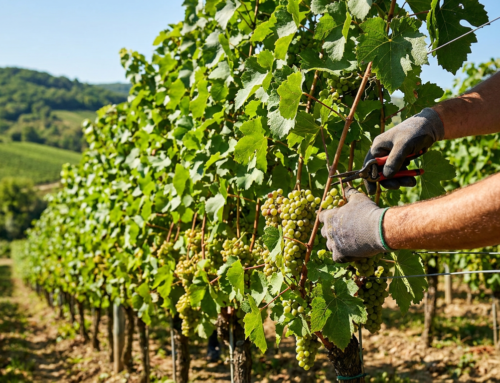
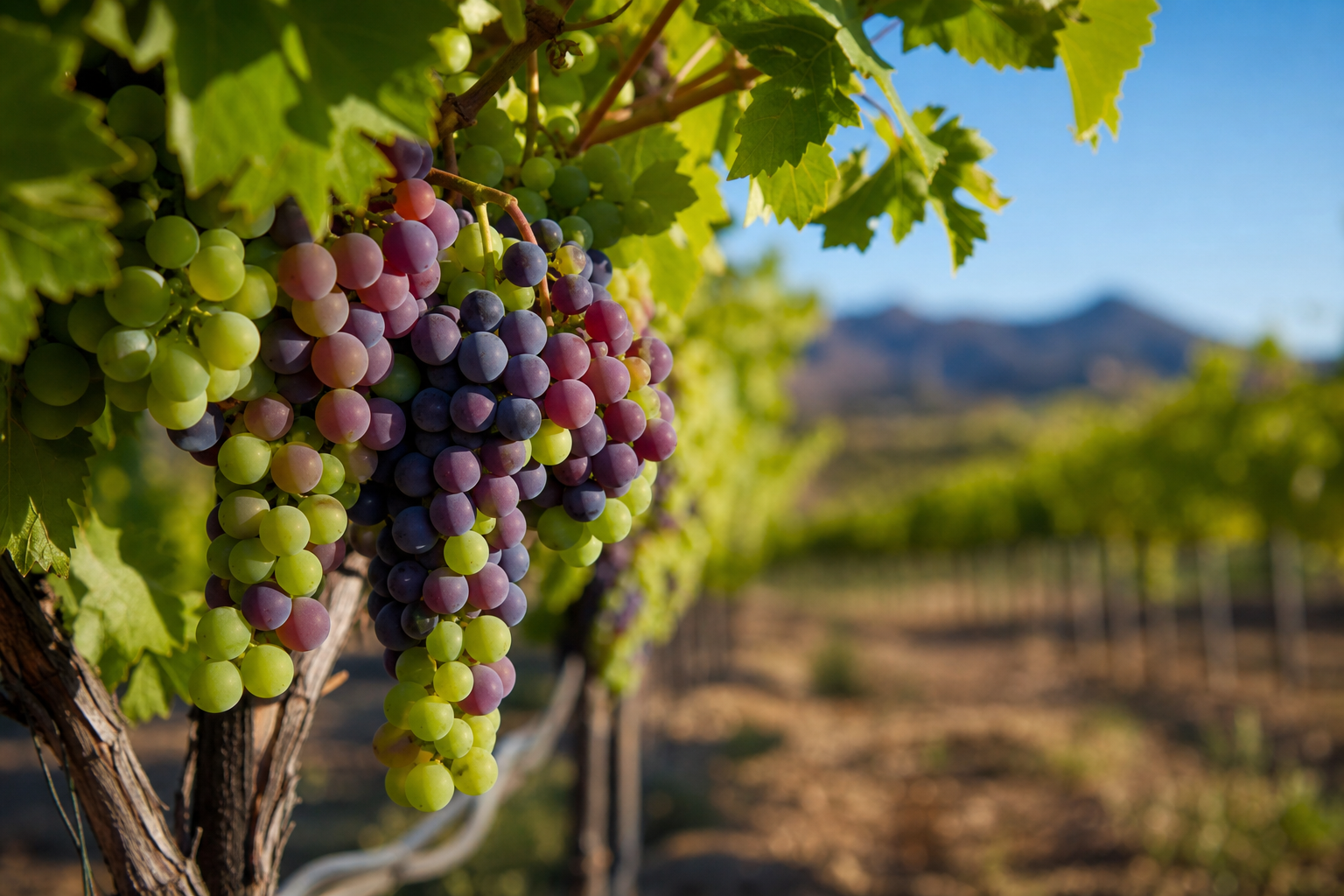
July is a fascinating period for anyone involved in a winery, especially here in Temecula, because it marks the critical stage of veraison. Defined Key Terms: Veraison is the onset of ripening in grapes, most visibly indicated by the change in color of the berries. For red varietals, this means a transformation from hard, green, acidic little spheres to softer, purple-hued grapes, while white varietals become translucent and yellowish.
But it’s not just a visual spectacle; veraison triggers a cascade of biochemical changes. Sugars begin to accumulate, acids start to decrease, and critically, the grapes start developing the complex aromatic compounds and tannins that will define the final wine’s character. This is why vineyards actively monitor this transition. It’s the moment when the grape’s destiny, in terms of flavor profile, starts to solidify. Without successful veraison, you simply don’t get quality wine. It’s akin to flipping a switch that initiates the magic.
For us in Temecula, veraison usually kicks off in mid-July, although the exact timing can vary slightly depending on the varietal and the specific microclimate of each vineyard block. Think of it as the vineyard’s internal clock — a signal to winemakers that harvest is not too far off in the distance. This visual cue helps us predict the overall ripening trajectory and allows us to adjust vineyard management practices accordingly. For instance, canopy management might shift to ensure optimal sunlight exposure for the now-changing berries, enhancing color and flavor development. This period is a prime example of the sustainable vineyard practices, where careful observation leads to informed decisions.
Physiological Ripening vs. Commercial Ripening
Now, while veraison marks the beginning of ripening, it’s important to distinguish between physiological ripening and commercial ripening. Defined Key Terms: Physiological ripening refers to the grape achieving its maximum potential for seed viability and plant propagation. This is what the plant “wants” to do naturally, focusing on sugar accumulation and acid degradation to make the seeds appealing for dispersal. Basically, the vine thinks its job is done once the seeds are ready.
However, what we’re really after in winemaking is commercial ripening, and that’s a whole different ballgame. This is when the grapes reach the optimal balance of sugars, acids, tannins, and phenolic compounds for producing a specific style of wine. It’s not just about sweetness; it’s about flavor complexity, structural integrity, and the overall sensory experience. For a private wine tastings here at Uys Wines, this balance is absolutely crucial. Are we aiming for a crisp, acidic white or a rich, jammy red?
The time between physiological and commercial ripening is a critical window for winemakers to monitor closely. It’s during this phase that the subtle nuances develop, and the decision on when to harvest becomes an art form based on science. Our winemakers are constantly in the vineyards during July, assessing fruit on the vine, not just looking at sugar levels, but tasting, feeling, and truly understanding the progression.
This dedicated grape ripening monitoring ensures that each wine we produce truly reflects the best of our Temecula terroir. It’s not simply a waiting game; it’s an active process of observation and anticipation.
Impact of Early Summer Weather on Berry Growth
Early summer weather, particularly in July, plays a monumental role in dictating the pace and quality of berry growth, which directly impacts the subsequent grape ripening monitoring process. We’re often blessed in Temecula with consistent sunshine, but variations in temperature and any unseasonal humidity can significantly influence the vine’s physiology. For instance, consistent high temperatures, especially during veraison, can accelerate sugar accumulation.
This might sound good, but it can sometimes lead to a disconnect where sugar ripeness outpaces phenolic ripeness (the development of flavor and color compounds in the skin and seeds). What does this mean for us?
It means we might have grapes that are technically “sweet enough” but lack the full aromatic complexity and tannic structure desired for premium wines. On the flip side, cooler-than-average July temperatures can slow down ripening, prolonging hang time and potentially allowing for a more balanced development of all components. This is why we pay so much attention to the forecast and historical weather patterns. We’re not just growing grapes; we’re growing potential. Our vineyards are essentially living laboratories.
Water availability is another huge factor. While Temecula is known for its dry climate, precise irrigation management during July is crucial to avoid stress on the vines, which can halt development, or over-watering, which can dilute flavors. Our approach blends traditional knowledge with modern meteorological data to ensure optimal conditions.
Every decision we make during July, from canopy adjustments to irrigation schedules, is made with the goal of nurturing the berries towards perfect commercial ripeness. This careful stewardship defines the quality and character of the wines you experience on a wine tour with us, or during a wine tasting here in Temecula.
Key Metrics for Assessing Ripening Progress
Sugar Accumulation: Brix Levels and Their Significance
July is a pivotal time for grape ripening monitoring, especially when we talk about sugar accumulation, which is primarily measured in Brix. Defined Key Terms: Brix represents the sugar content of grapes, indicating the percentage of soluble solids by weight in grape juice. For instance, 24 Brix means 24 grams of sugar per 100 grams of juice. As grapes mature, they convert sunlight into sugars, and monitoring Brix levels is crucial for determining harvest timing. Too low, and the wine might lack body and alcohol; too high, and you risk an overly alcoholic or sweet wine, potentially masking other delicate flavors. Wineries (especially in Temecula, where we often deal with warmer temperatures) pay close attention to this metric, taking daily or bi-daily readings as harvest approaches. This isn’t just about sweetness; it’s about the potential alcohol content of the finished wine. Each varietal has an optimal Brix range, and hitting that sweet spot (no pun intended!) is a critical component of producing wines with balance and character. We’re looking for that perfect equilibrium where sugar, acid, and phenolic maturity align, like a symphony coming together. And getting it right in July means the groundwork is laid for a stellar vintage. Sometimes, if sugar develops too quickly, it can outpace other maturity indicators, which presents a challenge for winemakers trying to achieve full flavor development without excessive alcohol. What
Acidity Shifts: Tartaric and Malic Acid Dynamics
While sugar accumulates, acidity simultaneously shifts, and understanding this dynamic is key to grape ripening monitoring. The two primary acids in wine grapes are tartaric and malic acid. Tartaric acid is relatively stable throughout the ripening process, forming the backbone of a wine’s acidity.
Malic acid, on the other hand, decreases as grapes ripen, being metabolized by the vine (a process called malic acid respiration). This decline in malic acid, coupled with the increasing sugar, contributes to a grape’s overall pH rise during ripening. A balanced acidity is vital for a wine’s freshness, longevity, and ability to pair with food.
Too much acidity can make a wine seem harsh or tart, while too little can result in a flabby, dull wine. In warmer climates like Temecula, managing acidity can be particularly challenging, as high temperatures accelerate malic acid degradation. Winemakers meticulously track both total acidity (TA) and pH levels.
TA gives us the overall酸度 sensation, while pH indicates the intensity of that acidity and directly impacts chemical stability and microbial resistance in the wine. It’s a delicate dance, really; we want enough acidity to provide structure and vibrancy, but not so much that it overwhelms the fruit. Early July might see high malic acid levels, but by the end of the month, we expect to see a noticeable reduction, especially in white grape varieties.
So, how do we know we’re hitting the mark? It’s about more than just numbers; it’s about understanding the progression and predicting the trajectory as we head towards veraison and beyond.
Phenolic Maturity: Evaluating Tannins and Anthocyanins
Beyond sugar and acid, phenolic maturity is a critical (and often more nuanced) aspect of grape ripening monitoring, particularly for red wines. Phenolics include tannins and anthocyanins. Defined Key Terms: Anthocyanins are the pigments responsible for the red and purple colors in grape skins, and their development is crucial for the visual appeal of red wines. Tannins, found in skins, seeds, and stems, contribute to a wine’s structure, texture, and age-worthiness, providing that characteristic astringency and bitterness. As grapes ripen, not only do anthocyanins increase in concentration, but the quality of tannins also evolves. Immature tannins can be harsh, green, and overly astringent. As grapes reach phenolic maturity, these tannins polymerize (link together), becoming softer, rounder, and more integrated, contributing to a smoother mouthfeel. This transformation is vital for creating complex, well-structured red wines. Wineries often use sophisticated analytical methods to measure these compounds, but experienced viticulturists also rely on chewing the skins and seeds to assess their texture and flavor. Are the seeds crunchy and nutty, or bitter and green? Are the skins easily separating from the pulp, and do they taste rich, not vegetal? This sensory evaluation complements the lab data, giving us a complete picture. Getting phenolic maturity right is especially important for our red varietals in Temecula, affecting not just color and taste, but also how well the wine will age in the barrel. Without proper phenolic development, even a wine with perfect sugar and acid can fall flat.
Sensory Analysis: Tasting for Flavor and Aromatic Development
Ultimately, grape ripening monitoring isn’t solely about numbers; it culminates in sensory analysis, where tasting for flavor and aromatic development takes center stage. This is where the art meets the science, and it’s arguably the most critical metric for any winery. While Brix, TA, pH, and phenolic assays give us objective data, they don’t tell us how a wine will taste.
Sensory analysis involves picking small grape samples from various parts of the vineyard and evaluating them by sight, smell, and taste. Winemakers and viticulturists look for specific flavor precursors—the subtle hints of fruit, spice, or herbaceous notes that will eventually translate into the wine. For instance, are we detecting green pepper notes (indicative of underripe Cabernet Sauvignon) or more developed blackcurrant and cherry flavors?
Are the tannins present but becoming less aggressive? Is there a developed fruitiness that suggests ripeness, or still a herbaceous edge? We also assess the texture of the pulp, the ease with which the skin separates from the flesh, and the color development.
These are daily or near-daily rituals as we approach veraison and certainly through July. It’s an iterative process, much like a chef tasting a sauce as it cooks. This hands-on, qualitative assessment allows us to understand the overall balance of the grape components and to predict the potential quality of the vintage.
After all, the best wine is the one that tastes good, isn’t it? Without this crucial sensory input, we’d be flying blind, relying purely on lab results, which simply don’t capture the whole story of a grape’s journey to ripeness. This commitment to detailed “wine tasting” in the vineyard itself directly informs our decisions for when to pick, ensuring we capture the optimal flavor profile for our wines.
Advanced Tools and Techniques for Data Collection
Field Sampling Methodologies: Ensuring Representative Data
When it comes to grape ripening monitoring in July, the integrity of our data hinges entirely on robust field sampling. It’s not enough to just walk into the vineyard and grab a few berries (though that’s certainly part of the fun, isn’t it?). We need a systematic approach to ensure that the samples we collect truly represent the overall block, or even the entire Temecula vineyard. Think about it: a single cluster can vary significantly in ripeness from its neighbor, depending on sun exposure, canopy density, and even vine vigor.
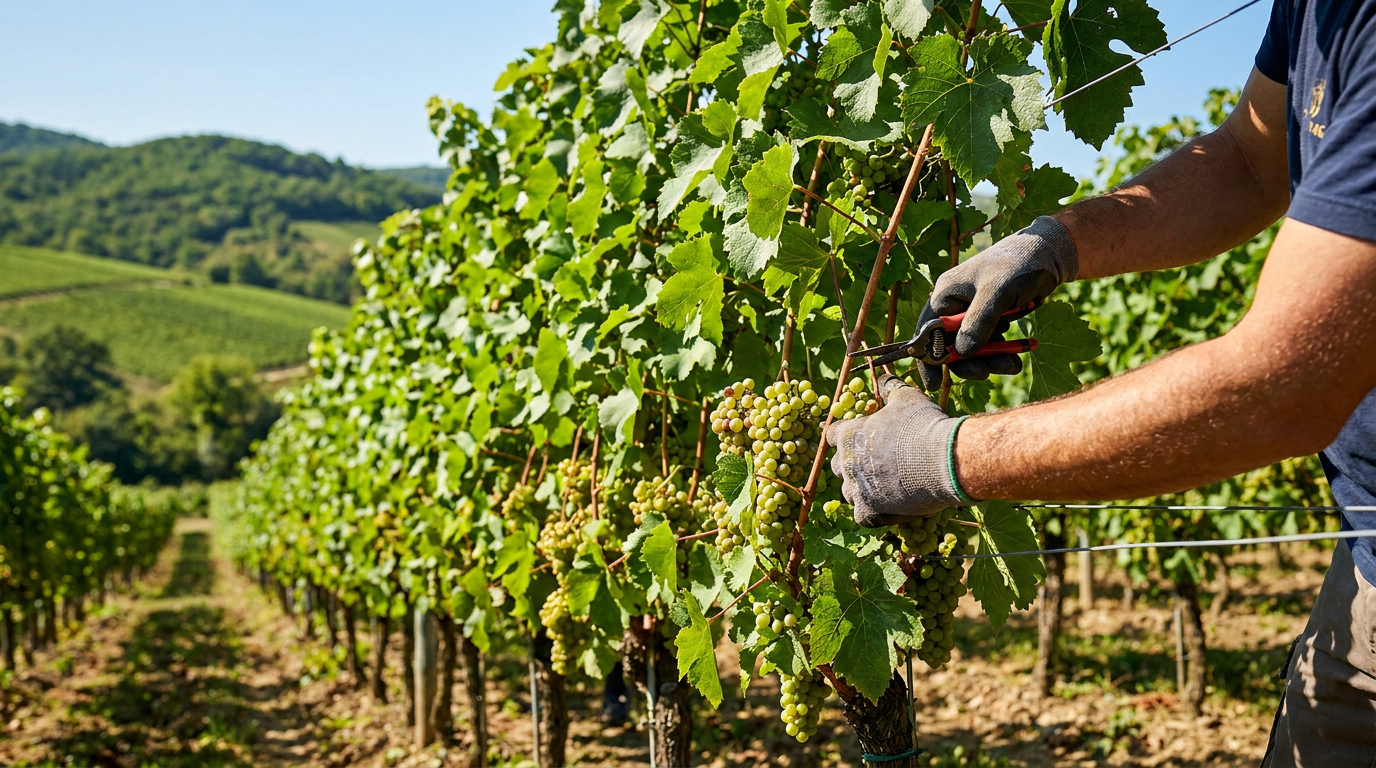
Our methodology often involves delineating specific sampling zones within each block, based on factors like soil type, varietal clone, and historical performance. Within these zones, vines are randomly selected, and then specific clusters are harvested. For instance, we might target clusters from both sun-exposed and shaded areas of the canopy to get a full spectrum.
The number of berries per sample is also crucial. It needs to be statistically significant enough to smooth out individual berry variations but not so large that it becomes impractical for collection and laboratory analysis. Typically, we aim for at least 150-200 berries per block sample, often collected from multiple vines to ensure a good mix.
The timing of these field samplings is equally critical. In July, as grape ripening monitoring accelerates, we might conduct samplings multiple times a week, especially as veraison progresses. This frequent collection allows us to track the subtle, yet rapid, changes in sugar accumulation and acid degradation, providing a dynamic snapshot of the vineyard’s progress. And, of course, proper labeling and immediate transport to the lab are non-negotiable to prevent any post-harvest changes that could skew our results.
Laboratory Analysis: Precision in Measurement
Once those meticulously collected samples arrive from our Temecula vineyards, the real precision work begins in the lab. This is where we break down the complex chemistry of grape ripening into quantifiable metrics. The primary analyses include measuring Brix (for sugar content), pH, and titratable acidity (TA).
Brix, as you might know, is a direct indicator of sugar accumulation, giving us a good idea of potential alcohol levels in the finished wine. We use refractometers, both handheld for quick field checks and more advanced digital models in the lab, for accurate sugar readings.
pH and TA, however, are perhaps even more critical for wine quality and stability. pH measures the active acidity, influencing everything from color stability in red wines to microbial spoilage resistance. Titratable acidity (TA) gives us the total amount of acids in the grape, mainly tartaric and malic acids.
As grapes ripen, malic acid often degrades, reducing TA, while pH generally rises. We use advanced titrators for highly accurate TA measurements. Precision in these measurements is paramount because even small deviations can have a profound impact on the final wine profile, defining its crispness, balance, and aging potential.
Beyond these foundational metrics, our lab also conducts analyses for phenolic maturity, especially for our red wine varietals. This involves assessing anthocyanin levels (for color) and tannin development. These aren’t just about color and mouthfeel; they’re vital for the structural integrity and aging capacity of the wine. So, while field sampling sets the stage, it’s the rigorous laboratory analysis that provides the detailed, scientific data we rely on to make informed decisions for our wines.
Remote Sensing Technologies: Aerial and Satellite Monitoring
Stepping beyond the traditional, we embrace remote sensing technologies as a powerful complement to our ground-based grape ripening monitoring efforts. Imagine getting a bird’s-eye view of your entire Temecula vineyard, understanding variability without ever setting foot on every row. This is precisely what drones, aerial imagery, and even satellite data allow us to do. These technologies leverage various spectral bands to capture information invisible to the human eye, painting a detailed picture of vine health, vigor, and potential stress.
For instance, Normalized Difference Vegetation Index (NDVI) mapping, derived from multispectral drone or satellite imagery, provides insights into vine photosynthetic activity and biomass. High NDVI values often correlate with healthy, vigorous growth, while lower values can indicate stress or less developed canopy. In July, as grapes are developing, this can help us identify areas with uneven growth, which might, in turn, lead to asynchronous ripening.
We can then target these specific areas for more intensive field sampling or adjust our irrigation and nutrient strategies accordingly. This kind of macro-level intelligence is invaluable for optimizing vineyard management at scale.
Some advanced remote sensing techniques can even estimate canopy temperature, giving us clues about vine water status without direct measurements. Thermal imaging, for example, can highlight areas where vines are experiencing water stress, potentially impacting ripening uniformity. By integrating these aerial perspectives with our on-the-ground data, we gain a holistic view of the vineyard’s performance, allowing us to react proactively and make precise, localized adjustments, contributing to our overall sustainable vineyard practices.
Weather Station Integration: Correlating Climate and Ripening
You can’t talk about grape ripening without talking about the weather, especially in a region like Temecula where microclimates play such a significant role. That’s why integrating data from on-site weather stations is absolutely critical to our grape ripening monitoring in July. These stations are not just for curiosity; they provide real-time, hyper-local meteorological data that we then correlate with our grape analyses. What kind of data are we talking about?
Our stations continuously log air temperature (both high and low), humidity, rainfall, wind speed, and solar radiation. Why is this so important for ripening? Well, temperature directly influences sugar accumulation and acid degradation rates. A prolonged heat spike, for example, can accelerate sugar development but might also lead to acid loss too quickly, affecting the wine’s balance. Humidity levels can impact disease pressure, which indirectly affects vine health and ripening. Solar radiation, of course, is the engine of photosynthesis, driving the entire ripening process. By understanding these environmental factors, we can better predict ripening trends and understand why our berry samples are showing certain results.
Furthermore, this data allows us to calculate growing degree days (GDDs), a crucial metric that quantifies heat accumulation over the season. Tracking GDDs helps us benchmark the current season’s progress against historical averages and predict approximate harvest dates. If we see a deviation in GDD accumulation, we know to pay closer attention to our berry sampling results. This constant feedback loop between climate data and grape analysis is essential for making timely decisions, from canopy management adjustments to optimizing our harvest schedule, ensuring the best possible quality from our winery.
Interpreting Data for Informed Vineyard Management
Predicting Harvest Windows: Timing is Everything
Once we’ve meticulously gathered all that data on grape ripening, what’s next? It’s crunch time for decision-making, specifically predicting the optimal harvest window. This isn’t just about picking grapes when they look ready; it’s about a delicate balance of sugar accumulation (Brix), acidity levels (TA and pH), and phenolic maturity, which contributes to the wine’s color, aroma, and tannin structure.
In Temecula’s unique climate, understanding these metrics in July is crucial for projecting when those grapes will hit their peak. For instance, if sugar levels are rapidly rising but acidity is dropping too fast, it indicates a need for careful monitoring to prevent over-ripeness and preserve that essential fresh fruit character. We’re looking for that sweet spot where all components align for the target wine style. Predicting this window allows winemakers to plan labor, equipment, and cellar space far in advance, ensuring a smooth transition from vineyard to winery. It also directly impacts the scheduling of crucial events, like those private wine tastings we offer later in the year, as the quality of the grape vintage will be a key talking point.
Adjusting Canopy Management Strategies
Canopy management, Defined Key Terms as the careful manipulation of vine leaves and shoots, plays a significant role in grape ripening. July data provides critical insights. If we see that parts of the vineyard are struggling to accumulate sugar because of excessive shading, or conversely, if grapes are getting sunburnt due to too much exposure, adjustments are immediately required. This might involve strategic leaf pulling to enhance light penetration and airflow around the fruit zone, which is vital for color development and mitigating fungal diseases.
On the other hand, if a particular block shows signs of stress from too much direct sun exposure, especially with Temecula’s summer heat, we might opt to retain more leaves to offer natural shading. It’s an ongoing, dynamic process. Think of it like fine-tuning a complex machine.
Every piece of data from July’s grape ripening indicates whether we need to open the canopy up, or provide more protection, ensuring a balanced ripening environment. This proactive approach helps us achieve optimal grape development, contributing to the overall quality that defines Uys Wines.
Optimizing Irrigation and Nutrient Applications
Water and nutrient availability are non-negotiable for healthy grape development. July’s monitoring data allows us to precisely optimize irrigation and nutrient applications, moving beyond a one-size-fits-all approach. Are the berries turgid and plump, or are they starting to shrivel prematurely?
Is there a noticeable lag in ripening in certain sections that could be attributed to nutrient deficiencies? Soil moisture probes and sap analysis, for example, provide real-time feedback.
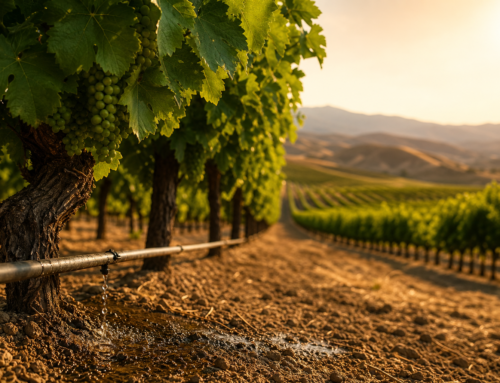
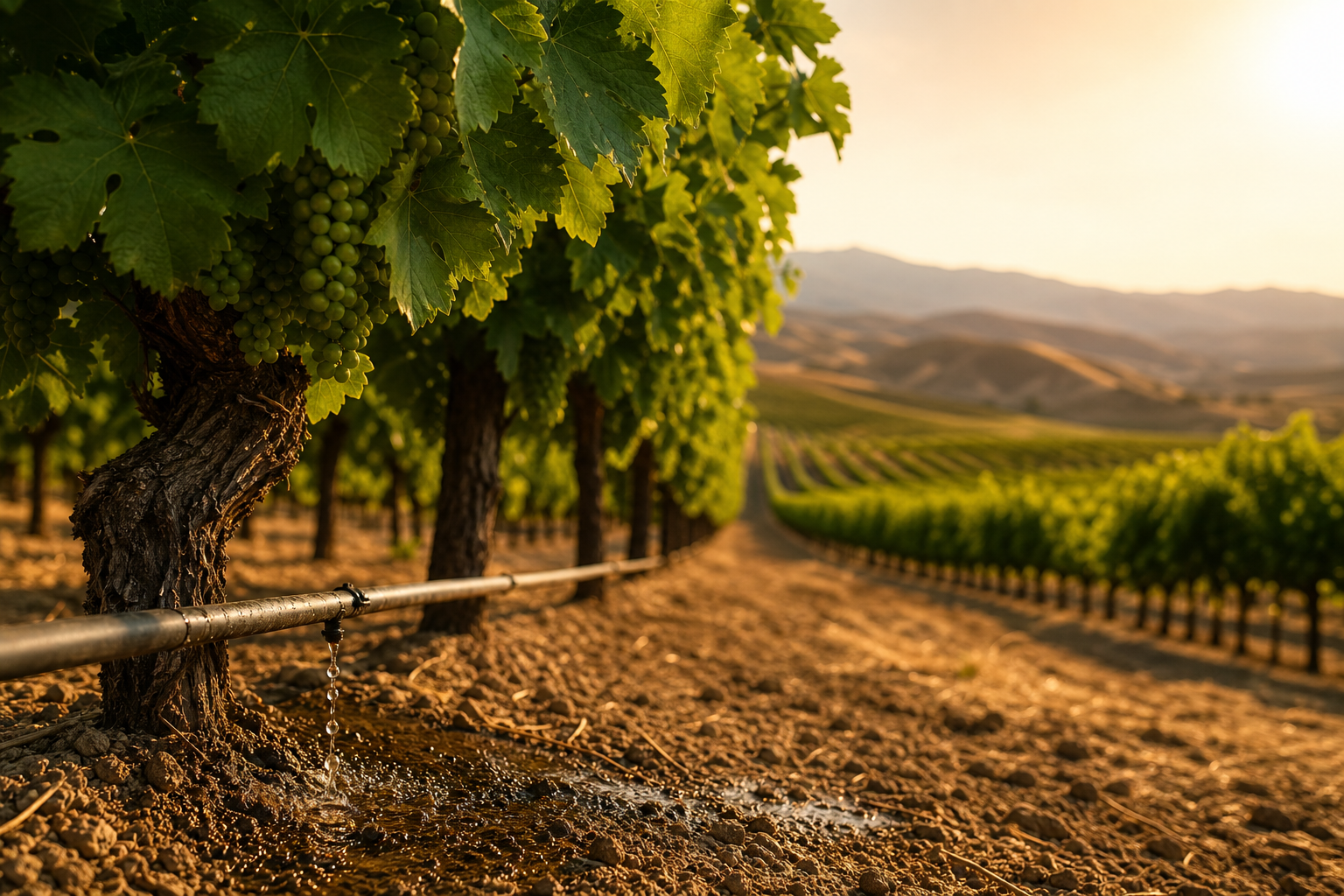
Based on these insights, we can implement targeted drip irrigation schedules, ensuring vines receive just the right amount of water to support ripening without diluting flavors or encouraging excessive vegetative growth. Similarly, nutrient applications, such as small doses of potassium, might be strategically applied to aid sugar accumulation and pH balance, if the data suggests a need. This bespoke approach minimizes waste, optimizes resource use, and is a cornerstone of sustainable vineyard practices, ensuring that our vineyards thrive naturally.
Mitigating Ripening Irregularities and Challenges
Despite all our efforts, nature occasionally throws a curveball. Ripening irregularities can occur, sometimes due to differing vine vigor, soil variations, or even localized pest pressure. July’s detailed grape ripening monitoring is our early warning system. By identifying blocks or even individual vines that are falling behind (or racing ahead) in their ripening curve, we can implement specific mitigation strategies.
For instance, if a section of a vineyard is consistently showing lower Brix levels compared to its neighbors, we might analyze soil composition more closely, adjust irrigation, or even consider selective harvesting later. Sometimes, it might mean making tough decisions, like sacrificing a small portion of the crop for the overall quality of the block. The goal is to minimize variability and ensure a consistent, high-quality harvest across our vineyards. This meticulous attention to detail at every stage, including early detection of ripening challenges in July, is what sets our Temecula wines apart, ultimately providing visitors with exceptional wine tasting experiences.
Regional Nuances in Mid-Summer Ripening
Coastal Influences and Cooler Climates
While Temecula is inland, understanding coastal influences helps frame our regional uniqueness. Vineyards closer to the coast, even those a relative stone’s throw away, often experience a more prolonged and gentler grape ripening monitoring period in July. The consistent marine layer and lower ambient temperatures mean that sugars accumulate more slowly, and crucially, acid degradation is also retarded. This allows for a more extended hang time, giving phenolic compounds (those responsible for color, flavor, and tannin) more opportunity to develop without sugar levels skyrocketing out of balance. For wineries in these cooler climes, July grape ripening monitoring focuses on ensuring a steady, measured pace, guarding against any sudden heat spikes that could accelerate sugar accumulation too quickly. It’s a delicate dance where the goal is often physiological ripeness over mere brix accumulation. How do you think this slower pace impacts the final wine?
Inland Valley Dynamics and Warmer Growing Conditions
Now, let’s talk about Temecula, where our vineyards are certainly inland. Our growing conditions in July are significantly warmer, leading to a much faster accumulation of sugars in the grapes. This means our grape ripening monitoring is inherently more intensive and requires quicker decision-making. High daytime temperatures, often exceeding 90°F (32°C), can cause rapid sugar accumulation and, if not managed carefully, can lead to a quick drop in acidity. Winemakers here meticulously track sugar levels (Brix), pH, and total acidity (TA) to ensure a balanced ripeness. The challenge is to achieve full phenolic maturity — those deep flavors and complex aromas — before the sugar levels become overwhelming and the acids drop too low. It truly is a race against time, but a controlled one, thanks to precise monitoring. This regional dynamic is a major reason why Temecula wines have their distinctive bold character; the grapes really get to soak up that California sunshine.
High-Altitude Vineyard Considerations
Even within a region like Temecula, there can be microclimates, and high-altitude vineyards introduce another layer of complexity to grape ripening monitoring. While we might not have the dramatic elevation changes of, say, the Andes, subtle differences in elevation within our valleys can impact July ripening. Vineyards situated at slightly higher elevations benefit from cooler nighttime temperatures. This diurnal shift (the difference between day and night temperatures) is incredibly beneficial for grape quality. The cooler nights help preserve acidity and extend the ripening process slightly, allowing for a more nuanced flavor development even under warm daytime conditions. These sites might accumulate sugars a little slower than their lower-elevation counterparts, offering a slightly longer window for winemakers to achieve optimal balance. It’s all about finding those unique pockets where nature offers a helping hand, optimizing light exposure and temperature swings.
Specific Varietal Responses to July Conditions
Different grape varietals react uniquely to July’s growing conditions, and this is a critical aspect of grape ripening monitoring. For instance, early-ripening varietals like Sauvignon Blanc or certain clones of Pinot Noir might be showing significant sugar development already, meaning winemakers are closely watching acid levels to prevent them from dropping too quickly. Late-ripening varietals, such as Cabernet Sauvignon or Zinfandel, are still in a more active growth phase, and the focus is more on canopy management to ensure adequate sunlight exposure for future ripening, while protecting against sunburn. Each varietal has its own preferred rhythm and tolerance for heat and sun. Careful monitoring ensures that winemakers can tailor irrigation, canopy adjustments, and even potential harvest timing based on the specific needs of each block and grape type. This is how we ensure every bottle reflects the best qualities of its varietal.
Understanding these regional nuances is paramount for crafting exceptional wines. The intricate dance between geography, climate, and meticulous grape ripening monitoring in July sets the stage for the quality of the vintage. It’s a testament to the dedication of our winery and the complex agricultural science behind every glass.
We invite you to experience the results of this dedication firsthand; consider joining us for a private wine tasting or a wine tour to truly appreciate the journey from vineyard to bottle. You’ll gain a deeper appreciation for the artistry and science that goes into every Uys Wines creation, especially when you consider the strategic decisions made during a crucial month like July. Don’t you think learning about these processes makes the wine taste even better?
Related Posts
- Why February is the Perfect Month for Private Wine Tastings in Temecula
- Sustainable Vineyard Practices That Define Modern Temecula Wineries
- How Winter Grape Dormancy Influences Next Season’s Vintage Quality
- Barrel Aging Timeline Analysis for Current Vintage Development
- March Vineyard Soil Preparation Strategies for Optimal Spring Growth
- Women Pioneers Who Shaped California’s Vineyard Industry
- How March Weather Patterns Affect Grape Varietal Selection
- March Planting Windows for New Vineyard Development
- Sustainable Cover Crop Management During Spring Transition
- Irrigation System Testing Before Peak Growing Season
- Vineyard Labor Planning for 2026 Growing Season
- March Fertilization Programs for Premium Wine Grapes