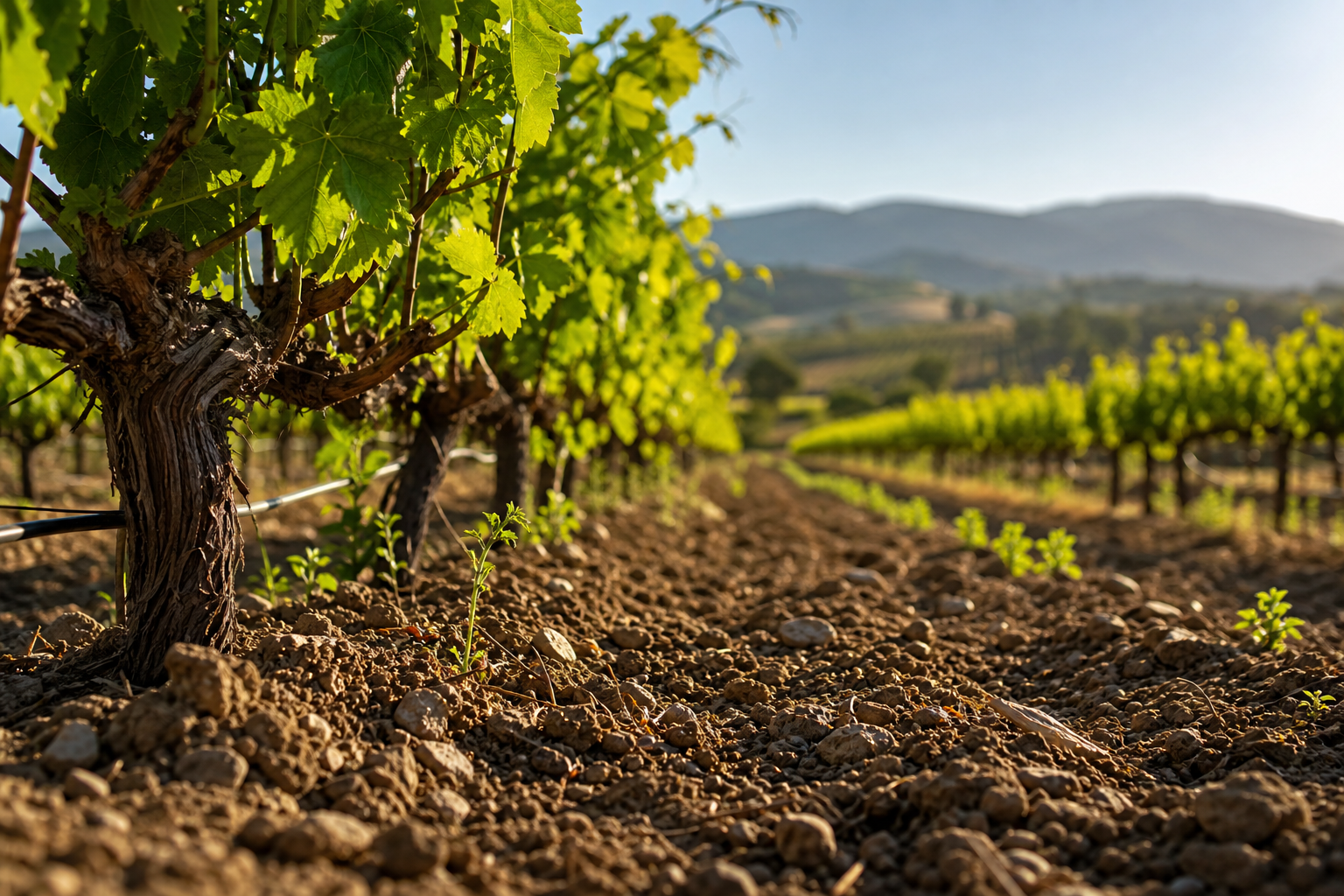
The Role of Soil Health in July Vineyard Development
Understanding July’s Impact on Vineyard Soil
As the vibrant summer sun drenches the winery country of Temecula, July stands as a pivotal month for vineyards. This isn’t just about the vines themselves; it’s about the silent, intricate world beneath their roots – the soil. Why is July so critical for vineyard soil health? Because everything from berry set to canopy management is heavily influenced by what’s happening in the ground. Neglect the soil now, and you’re essentially setting up a cascading series of challenges for the entire vintage. It’s a delicate balance, where high temperatures and intense sunlight demand precise interventions to maintain the soil ecosystem’s vitality. For those looking to understand the nuanced efforts behind exceptional wine tasting experiences, appreciating this mid-summer soil management is key.
The critical growth stages vineyards undergo in mid-summer
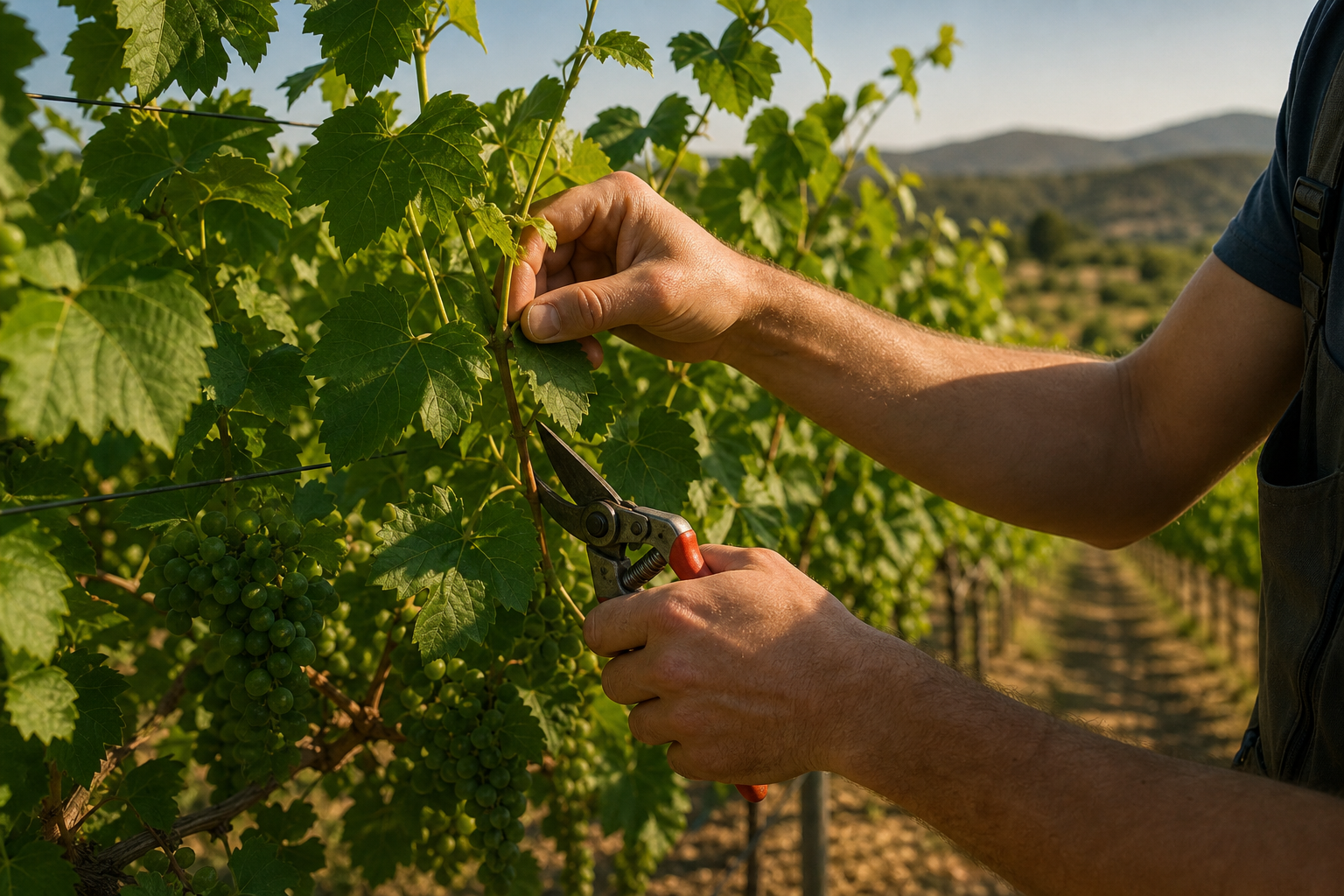
July marks a significant transition in the vineyard’s annual cycle, moving beyond the vigorous vegetative growth of spring into the critical reproductive stages. We’re talking about berry set, which is when the tiny flowers transform into nascent grapes. This period, often referred to as “pea-size” or “fruit set,” is incredibly sensitive to environmental stressors. If the soil isn’t providing consistent moisture and an ample supply of readily available nutrients, the vine’s ability to develop these berries properly can be severely compromised. Think about it: the vine is now pouring all its energy into creating the fruit, and it needs a robust support system from the soil to do so efficiently. Moreover, the vine begins to focus on canopy development, building the leaf structure necessary for photosynthesis to ripen those berries to perfection. This requires a stable, well-aerated soil environment to support the extensive root growth needed to fuel such demanding processes. It’s a phase where the vine’s future (and our future wines) hangs in the balance.
How ambient temperatures and sunlight intensity affect soil ecosystems
Temecula summers are glorious, but that high ambient temperature and relentless sunlight, while fantastic for grape ripening, can be a double-edged sword for the soil. Elevated soil temperatures can accelerate the decomposition of organic matter, which sounds good in theory, but it also means those beneficial microbes are working overtime and potentially depleting precious organic carbon too quickly. Over-exposure to direct sunlight, especially on bare soil, can lead to a phenomenon known as soil crusting, making water penetration difficult and impacting gas exchange. This isn’t ideal for healthy root development. We also see potential changes in microbial activity. Some beneficial microorganisms thrive in warm conditions, but excessively high temperatures can stress others, shifting the microbial balance. That’s why sustainable cover crop continues to be crucial even into July, creating a protective layer that moderates soil temperatures, retains moisture, and provides organic matter for the microbial community. It’s a delicate dance to ensure these microscopic workers remain happy and productive.
Water demands and irrigation strategies for optimal soil moisture
July in Temecula means increasing water demands for the vines, without question. The combination of high temperatures, intense sunlight, and the critical berry development stage means vines transpire (release water vapor) at a much higher rate. If the soil can’t meet this demand, vines experience water stress, which can lead to halted berry growth, or worse, premature defoliation. Our irrigation strategies around this time become incredibly precise. We’re not just watering; we’re aiming for optimal soil moisture – enough to support the vine without creating saturated conditions that can lead to root rot or nutrient leaching. This often involves drip irrigation systems, delivering water directly to the root zone, minimizing evaporation, and ensuring every drop counts. Understanding the soil’s water holding capacity (its ability to store water) and the vine’s specific needs at this stage is paramount. We continuously monitor soil moisture levels, often using probes, to inform our irrigation scheduling. It’s a balance of efficiency and necessity, ensuring the vines have precisely what they need, when they need it, without waste. This careful approach to water management is a cornerstone of sustainable vineyard practices.
Nutrient uptake challenges during peak vine development
With aggressive growth and fruit development in full swing, July presents significant nutrient uptake challenges for the vines. The demand for macronutrients like nitrogen, phosphorus, and potassium, as well as crucial micronutrients, reaches its peak. If the soil’s nutrient profile isn’t adequate or if soil conditions (like pH or compaction) hinder uptake, the vine can suffer deficiencies that impact berry development and ultimately, wine quality. For instance, potassium is vital for sugar accumulation in the berries, while nitrogen supports vibrant canopy growth essential for photosynthesis. The challenge lies in ensuring these nutrients are not only present in the soil but also available in a form the vine can readily absorb. Factors like soil organic matter, microbial activity, and even our previous fertilization programs all play a role here. We often analyze leaf tissue to confirm nutrient status, providing real-time data on what the vine is actually getting from the soil. This allows for targeted foliar applications if necessary, but the preference is always for a healthy, living soil that naturally provides this vast pantry of nutrients. Addressing these challenges effectively is a continuous process, rooted in observation and informed decision-making throughout the growing season.
Key Indicators of Healthy Vineyard Soil in Summer
In Temecula, July is when our vineyard development really hits its stride, and the health of the soil becomes paramount. It’s not just about what you see above ground; what’s happening underneath is crucial for the quality of our grapes. So, how do we know if our vineyard soil is truly thriving during these warmer months? It’s all about digging a bit deeper (pun intended) and observing some key indicators.
Assessing soil structure and aeration
Healthy soil isn’t just dirt; it’s a living, breathing ecosystem with a specific architecture. In July, as vines are actively growing and transpiring a lot, good soil structure and aeration are non-negotiable. We’re looking for soil that’s crumbly, not compacted, allowing roots to penetrate easily and air to circulate. Think of it like a good sponge – it holds water but doesn’t get waterlogged. If you can easily push a spade into the soil, and it breaks apart into small aggregates (like cottage cheese, if you will), that’s a good sign. Conversely, if it’s hard as a rock or overly clumpy, that indicates poor aeration, which can stifle root growth and nutrient uptake. Compacted soil can also exacerbate water runoff, meaning less water actually gets to where the vines need it most during our dry summer months. We often check this after irrigation or significant rainfall to get a true picture of how water is moving through the soil profile.
Monitoring microbial activity and organic matter content
The microbial world beneath our feet is a bustling city, vital for a thriving vineyard. In July, with warmer temperatures, microbial activity should be buzzing. These tiny organisms are the unsung heroes, breaking down organic matter, cycling nutrients, and even helping protect vines from disease. A great indicator of this activity is the presence and quality of organic matter. Healthy soil smells earthy, not sour or stagnant, and you’ll find plenty of evidence of decomposition. We regularly take soil samples to measure organic matter levels, aiming for a consistent percentage that shows the soil is continuously being enriched. Organic matter acts like a nutrient reservoir and significantly improves water retention, which is critical during July’s heat in Temecula. It also contributes to that ideal soil structure we just talked about. Without robust microbial life, nutrient availability drastically declines, even if the nutrients are physically present in the soil. It’s often said that we’re not just growing grapes; we’re farming microbes.
Interpreting soil nutrient analysis results for July needs
July is a peak demand period for nutrients, as grapes are undergoing veraison (the onset of ripening) and sugar accumulation. So, what specific nutrients are we looking for in our soil analysis reports this time of year? Potassium (K) is particularly crucial during veraison, impacting sugar accumulation and overall fruit quality. Calcium (Ca) is essential for cell wall integrity, which reduces the risk of berry shatter. Magnesium (Mg) plays a key role in photosynthesis. Nitrogen (N) is still needed, but often in more moderated amounts than earlier in the season, to prevent excessive vegetative growth at the expense of fruit development. We look for ideal ranges for each of these macronutrients, as well as critical micronutrients like Boron (B) and Zinc (Zn), which are important for fruit set and development. An imbalance, either too much or too little, can lead to physiological disorders in the vine and ultimately affect the final wine quality. Our analyses aren’t just about raw numbers; it’s about interpreting those numbers within the context of the vine’s growth stage and the microclimate of our Temecula wineries. It helps us fine-tune our fertilization strategies, ensuring the vines have exactly what they need, when they need it. This proactive approach helps us avoid playing catch-up later in the season.
Identifying signs of stress or imbalance in the soil profile
Even with the best intentions, a vineyard’s soil can show signs of stress or imbalance. In July, these signs can manifest in the vines themselves, signaling underlying soil issues. Yellowing leaves (chlorosis), particularly between the veins, can point to nutrient deficiencies like iron or magnesium. Stunted shoot growth or small berries might indicate a lack of phosphorus or widespread nutrient unavailability. Uneven vine vigor across a block often suggests variations in soil depth, compaction, or water holding capacity. Another critical sign is poor water infiltration; if water pools on the surface for too long after irrigation, that’s a red flag for compaction or a lack of organic matter to absorb it. Conversely, if the soil dries out extremely quickly, it might lack clay content or organic matter to retain moisture effectively. We also look for the presence of specific weeds, as some can be indicators of certain soil conditions – for instance, some thrive in compacted or nutrient-poor soils. These visual cues, combined with regular soil testing, provide a comprehensive picture of our soil health and allow us to make timely adjustments to our management practices. Catching these early signs is paramount, as addressing them quickly can prevent more significant problems down the line, safeguarding our precious July vineyard progress.
Strategic Soil Management Practices for Mid-Season Growth
Optimizing irrigation schedules based on soil type and vine demand
July in Temecula brings distinct challenges, particularly concerning water management. Optimizing irrigation is less about a blanket schedule and more about a nuanced approach considering individual soil types and the precise demands of the grapevines (which, let’s be honest, can be quite particular). Different soils – sandy, loamy, clay – retain moisture differently, right?
A sandy soil, common in parts of Temecula, might require more frequent, smaller applications to prevent deep percolation and nutrient leaching. Conversely, a heavier clay loam can hold water much longer, necessitating less frequent but potentially deeper irrigation events. It’s like tailoring a water diet for each vineyard block.
Vine demand, especially in July, is heavily influenced by canopy development and fruit set. The vines are actively growing, and the fruit is sizing up, which means they’re thirsty. However, over-watering is just as detrimental as under-watering; it can lead to diluted flavors, increased disease pressure, and even root rot. We often use soil moisture sensors and plant-based measurements (like midday leaf water potential) to really dial this in. This granular data allows us to irrigate only when necessary, delivering exactly what the vine needs, when it needs it, preventing stress without promoting excessive vigor that often leads to shading and poor fruit quality. It’s a delicate balance, but crucial for maintaining optimal soil health.
Implementing targeted nutrient applications and foliar feeds
By July, after the initial spring flush of growth, the nutrient needs of the vines shift. We’re no longer primarily focused on vegetative growth but rather on fruit development and maturation. This means a move towards more targeted nutrient applications.
A robust tissue analysis (from leaf petioles, for instance) becomes invaluable at this stage. It tells us precisely what the vine is absorbing and what it might be lacking, allowing us to avoid guesswork. If the analysis shows a dip in, say, potassium, which is critical for sugar accumulation and overall fruit quality, a targeted application makes sense.
Foliar feeds come into their own during this period. While not a replacement for good soil management, they offer a rapid and efficient way to deliver specific micronutrients directly to the leaves, bypassing potential soil pH issues or nutrient tie-ups. For example, boron or zinc deficiencies, if identified, can be quickly corrected through foliar sprays, ensuring the vine has all the building blocks it needs for healthy fruit development.
This is especially important in Temecula’s warm climate, where nutrient uptake can sometimes be impacted by high soil temperatures. We’ve found proactive, targeted applications prevent stress and ensure the vine continues its development without interruption.
The role of cover cropping and cultivation in summer soil health
Many people associate cover cropping with the dormant season, but its role in summer soil health, even in July, is profound. While some vineyards might terminate their cover crops earlier in the season, others maintain a managed cover or allow a summer annual to grow. This provides a living mulch, which is fantastic for regulating soil temperature, reducing evaporation, and suppressing unwanted weeds that compete for water and nutrients. Think about it: bare soil in July can reach scorching temperatures, stressing roots and speeding up organic matter decomposition. A cover crop acts like a natural umbrella, keeping the soil cooler.
When cover crops are eventually mowed or incorporated, they contribute organic matter, enriching the soil’s structure and microbial life, even if the primary benefit is seen later. As for cultivation, minimal intervention is usually the strategy in July. Deep cultivation can damage surface roots, disturb beneficial microbial communities, and bring weed seeds to the surface. However, judicious light cultivation might be used for weed control in specific areas, or to break up a surface crust after heavy irrigation, allowing for better water penetration. The goal here is always to enhance, not disrupt, the intricate balance of the vineyard ecosystem, a key aspect of sustainable vineyard practices.
Managing soil temperature and erosion during hot periods
July in Temecula often means high temperatures, and controlling soil temperature is a critical, yet often overlooked, aspect of summer soil health. Extremely hot soil can stress vine roots, inhibit water and nutrient uptake, and even negatively impact microbial activity, which as we discussed, is vital for nutrient cycling. Strategies like maintaining a healthy layer of organic mulch (whether from cover crop residue or applied compost) are essential. This acts as an insulating blanket, keeping the soil cooler and more stable. Imagine walking barefoot on bare asphalt versus a grassy lawn on a hot day – it’s a similar principle for the soil.
Erosion also remains a concern, even in mid-summer, particularly if heavy monsoonal rains (which can happen, albeit less frequently) occur, or if irrigation runoff is poorly managed. Sloping vineyards are naturally more susceptible. Maintaining soil structure through organic matter integration is key, as healthy soil aggregates are more resistant to being washed away. Contour planting, terracing, and even strategically placed grass waterways (often part of a broader sustainable cover crop plan) can help mitigate erosion risk. The aim is always to keep that valuable topsoil exactly where it belongs – supporting our vines and contributing to the next great vintage.
Connecting Soil Health to Grape Quality and Yield
How microbial diversity influences nutrient availability for berry development
When we talk about soil health, it’s easy to focus on the big things like nitrogen or phosphorus. But what about the microscopic world thriving beneath our feet? That diverse community of bacteria, fungi, and other microorganisms plays an absolutely critical role, especially during July when berry development is in full swing. These microbes are the unsung heroes, breaking down organic matter and converting it into forms that grapevines can actually absorb. Think of it like a tiny, subterranean digestive system for the plants.
Without this intense microbial activity, even a soil rich in nutrients might not deliver what the vines need for optimal berry growth. For instance, certain bacteria are essential for nitrogen fixation, taking atmospheric nitrogen and making it available to the vines. Others solubilize phosphorus, which is vital for energy transfer within the plant during fruit production.
Fungi, particularly mycorrhizal fungi, extend the root system’s reach, allowing vines to access water and nutrients from a much larger volume of soil. This symbiotic relationship ensures that as berries swell and mature, they have a steady supply of the building blocks for aromatic compounds, sugars, and phenolic development.
Maintaining this biodiversity means avoiding harsh chemical treatments and embracing practices that feed the soil, not just the plant. We see a direct correlation in our Temecula vineyards: soils with robust microbial life tend to produce grapes with more complex flavor profiles and better Brix levels, which, of course, is what every winemaker is after. It’s truly a foundational element for quality wine production.
The link between soil moisture and vine canopy health
July in Temecula can bring some serious heat, and managing soil moisture effectively becomes paramount. The vine canopy, that lush spread of leaves, isn’t just for show; it’s the solar panel of the plant, driving photosynthesis and sugar production in the berries. But for that canopy to thrive and optimally perform, it needs consistent access to water, which is directly managed by soil moisture levels. Too much water, and you risk root rot and nutrient leaching; too little, and the vines shut down, leading to stressed canopies, early defoliation, and subpar fruit.
Consider the delicate balance. As berries develop, the vine’s water demands increase significantly. Adequate soil moisture ensures consistent turgor in the leaves, allowing stomata to open and CO2 uptake to occur efficiently.
This directly translates to higher photosynthetic rates and, consequently, more sugar accumulation in the grapes. Conversely, water stress during this crucial period can lead to smaller berries, sunburn, and a diminished ability to ripen properly. We’ve certainly learned that monitoring soil moisture with precision (rather than just guessing) is a game-changer for maintaining our vigorous canopies and high-quality fruit.
Different soil types (like the sandy loams often found in Temecula Valley) have varying water-holding capacities, meaning our irrigation strategies need to be dynamic and responsive. By ensuring the soil retains a balanced moisture level, we prevent the vine from shutting down metabolically, keeping the canopy healthy and active during this critical July growth phase.
Impact of balanced soil nutrients on fruit set and cluster development
Beyond water, the availability of balanced soil nutrients is absolutely non-negotiable for fruit set and robust cluster development. We’re past flowering by July, but the initial fruit set and subsequent growth of those tiny berries into full-sized grapes are still heavily reliant on a specific nutrient profile. Think of it as the early nutrition for the fruit – what you put in now dictates what you get out later.
For example, potassium is key for sugar transport into the berries and overall vine vigor. Calcium plays a role in cell wall structure, contributing to berry integrity and disease resistance. Magnesium is central to chlorophyll production, linking directly back to the photosynthetic efficiency of the canopy. While we focus on march fertilization programs, maintaining these nutrient levels through July is about sustained health, not just an initial boost. Soil testing helps us identify any deficiencies that might hinder berry expansion or impact the final composition of the grape. An imbalance, especially during this rapid growth phase, can lead to uneven ripening within a cluster, or even premature berry drop, directly impacting yield and quality.
Essentially, continuously providing the right cocktail of macro and micronutrients allows the vine to invest fully in its fruit, promoting uniform cluster development and ensuring each berry reaches its full genetic potential in terms of size, color, and flavor precursors. It’s an ongoing process, not a one-time application.
Mitigating summer stress factors for improved grape composition
July in Temecula can be a challenging month for grapevines. High temperatures, intense sunlight, and potential for water stress (even with irrigation) all contribute to what we call “summer stress factors.” Our sustainable vineyard practices are specifically designed to mitigate these, and soil health is at the core of that strategy because it directly impacts the vine’s resilience and, ultimately, the grape’s composition.
A healthy soil, rich in organic matter, has a greater buffering capacity against temperature fluctuations and retains water more efficiently. This allows the vine roots to access moisture even when surface soils are drying out, reducing the severity of heat stress. Proper canopy management, facilitated by well-nourished and adequately watered vines, also helps by providing shade for the developing clusters, preventing sunburn and heat damage.
We often observe that vines in less healthy soils tend to shut down earlier under stress, leading to grapes with lower sugar accumulation, higher acidity, and fewer desirable aromatic compounds. It’s a cascading effect that can compromise the vintage.
By focusing on robust soil health, we effectively equip our vines to withstand these mid-season challenges. This proactive approach ensures that by the time harvest rolls around, we’re not just picking grapes, but picking grapes with optimal sugar-acid balance, vibrant color, and the complex phenolic compounds that are the hallmark of quality Temecula wines. It’s all about giving the vine the best possible foundation to produce exceptional fruit, even when summer decides to turn up the heat.
Long-Term Soil Stewardship for Sustainable Viticulture
Building soil resilience through organic amendments and compost
Building soil resilience isn’t just a buzzword; it’s a fundamental practice in sustainable viticulture, especially here in Temecula. In July, as vines are actively growing and demanding continuous nutrients, the steady release of organic matter is crucial. This is where organic amendments and compost come into play.
Think of them as the long-term investment in your vineyard’s health. Adding well-aged compost, for instance, not only provides a slow-release natural fertilizer but also significantly improves soil structure, enhancing water retention and aeration. For our often-sandy or clay-heavy soils, better water retention means less irrigation stress during hot summer months, which is a big win.
It fosters a vibrant microbial community too, which in turn helps vines access nutrients more efficiently (it’s a beautiful cycle, really). The benefits extend beyond immediate nutrient availability; robust organic matter content increases the soil’s ability to buffer against pH changes and mitigate the effects of environmental stressors like sudden heat spikes. We often see vineyards that have consistently incorporated compost showing greater vitality and healthier canopy development even during peak summer.
Integrating soil health into year-round vineyard planning
Soil health isn’t a July-only concern; it’s a continuous, cyclical process that needs to be woven into every aspect of year-round vineyard planning. While July practices focus on sustained growth, decisions made in winter and spring directly impact the mid-season performance of our vines. For example, considering specific cover crops in the fall or early spring, as discussed in our blog on March vineyard soil preparation, can significantly contribute to organic matter accumulation and nitrogen fixation which then benefits the vines during July. Similarly, understanding the implications of winter grape dormancy on future root development helps us plan interventions long before the summer heat arrives. This year-round perspective means that every action, from pruning choices to irrigation scheduling, is considered through the lens of how it impacts the soil ecosystem. It involves comprehensive nutrient budgeting, rotational cover cropping, and strategic irrigation planning to avoid over-saturation or drought stress, both of which can harm the delicate microbial balance in the soil. This holistic approach ensures that July’s demands are met not just reactively, but proactively through thoughtful planning.
The benefits of continuous soil monitoring and data analysis
You can’t manage what you don’t measure, right? This holds particularly true for soil health in a dynamic environment like a winery. Continuous soil monitoring goes beyond annual soil tests; it involves regular, often weekly or bi-weekly, checks on parameters like moisture levels, temperature, and even nutrient availability, particularly as the vines are in full swing during July. This real-time data allows for agile decision-making, helping us fine-tune irrigation schedules to prevent stress or adjust fertilization programs with precision. Utilizing technologies like soil moisture probes and drone-based imaging can provide invaluable insights into variations across different blocks within the vineyard. Analyzing this data over time also helps identify trends and potential issues before they become critical. For instance, consistently low nitrogen levels despite initial amendments might indicate a microbial imbalance or specific soil characteristics that require a different approach. This analytical capability allows our winemakers to create highly personalized management plans for different vineyard sections, optimizing resource use and enhancing grape quality. It’s about being informed and responsive, rather than just reacting to visible symptoms.
Preparing soil for successful veraison and harvest
July is a pivotal month because it sets the stage for veraison and, ultimately, harvest. The soil health during this period directly influences the vine’s ability to transition into these critical phases smoothly. Ensuring adequate yet balanced nutrient supply is paramount; we don’t want an explosion of vegetative growth at this point, but rather a focus on fruit development. Proper soil moisture management is key to avoid water stress that could negatively impact berry size and sugar accumulation. As the season progresses towards veraison (the onset of ripening), consistent soil conditions help the vine allocate energy efficiently to the developing clusters. This means carefully managing irrigation to prevent extremes – too much water can dilute flavors, while too little can lead to shriveled berries and halted ripening. By maintaining optimal soil health through July, we’re essentially providing the perfect foundation for the grapes to reach their full potential in terms of flavor, aroma, and phenolic maturity. It’s truly a delicate balancing act, ensuring the soil empowers the vine to produce the best possible fruit, ready for the next exciting phase within the wine tasting journey.
Ultimately, long-term soil stewardship is the bedrock of producing exceptional Wine here in Temecula. It’s an ongoing commitment that requires observation, adaptation, and an unwavering respect for the land. By focusing on organic amendments, integrating soil health into every planning stage, continuously monitoring our vineyards, and meticulously preparing for veraison and harvest, we cultivate not just grapes, but a legacy of sustainable viticulture. We believe this dedication to the soil translates directly into the quality of our wines, creating truly unique and memorable wine tour experiences for our visitors. Interested in learning more about how our practices influence our wines, or perhaps experiencing a private tasting? We invite you to explore our winery and see our dedication firsthand.
Related Posts
- Why February is the Perfect Month for Private Wine Tastings in Temecula
- Sustainable Vineyard Practices That Define Modern Temecula Wineries
- How Winter Grape Dormancy Influences Next Season’s Vintage Quality
- Barrel Aging Timeline Analysis for Current Vintage Development
- March Vineyard Soil Preparation Strategies for Optimal Spring Growth
- Women Pioneers Who Shaped California’s Vineyard Industry
- How March Weather Patterns Affect Grape Varietal Selection
- March Planting Windows for New Vineyard Development
- Sustainable Cover Crop Management During Spring Transition
- Irrigation System Testing Before Peak Growing Season
- March Fertilization Programs for Premium Wine Grapes
- The Soul of the Soil