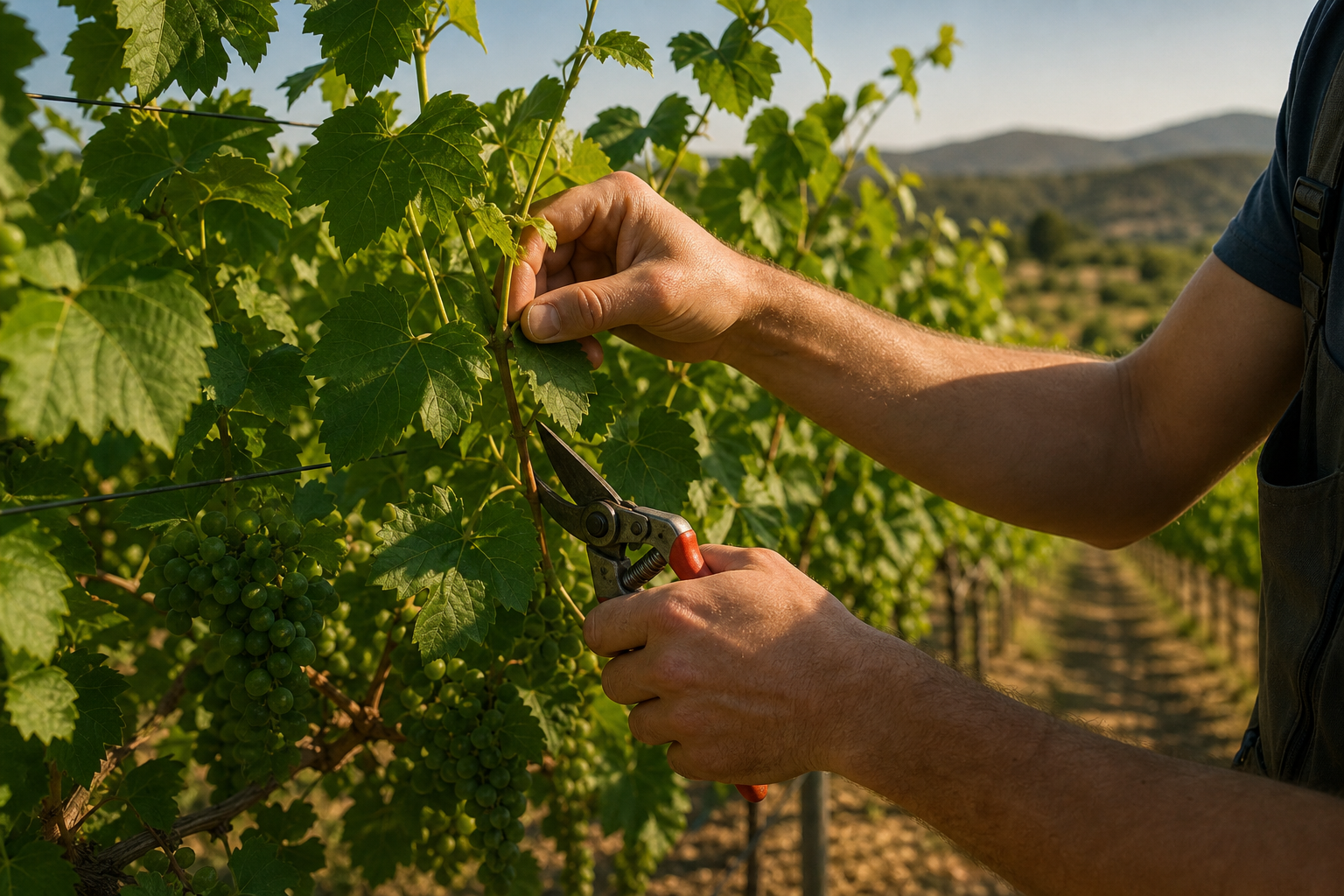
Benefits of Pre Harvest Vineyard Pruning for Grape Quality
Understanding the Fundamentals of Pre-Harvest Pruning
When you picture a vineyard, you might envision rows of lush, fruit-laden vines basking in the Temecula sunshine. But what often goes unseen is the meticulous work that goes into cultivating those perfect grapes. One such critical practice, often misunderstood or overlooked, is pre-harvest pruning. It’s not just about hacking away at branches; it’s a strategic intervention that profoundly impacts the final quality of the Wine.
Defining Pre-Harvest Pruning in the Vineyard Cycle
Defined Key Terms: Pre-harvest pruning, also known as green pruning or summer pruning, refers to the selective removal of vine growth such as leaves, shoots, and sometimes even grape clusters (cluster thinning) during the growing season, specifically as the grapes approach ripeness. Unlike its winter counterpart, which aims to shape the vine’s structure, pre-harvest pruning is all about fine-tuning the vine’s energy allocation in the immediate lead-up to harvest. Its primary goal is to redirect the vine’s resources towards the developing fruit, enhancing concentration and promoting uniform ripening.
Think of it this way: a vine has a finite amount of energy to distribute. If it’s expending that energy on excessive leaf growth or too many clusters, the quality of the individual grapes can suffer. Our aim, especially in premium winery operations around Temecula, is always to produce the most expressive fruit possible. This practice is part of a broader commitment to sustainable vineyard practices, ensuring both vine health and grape excellence.
Distinguishing Pre-Harvest from Winter Dormant Pruning
So, how is this really different from the more commonly known winter pruning? Defined Key Terms: Winter dormant pruning, performed when the vine is “asleep” during the colder months, focuses on establishing the vine’s permanent structure and regulating overall yields for the coming season. It’s about setting the stage for growth and productivity well in advance. For more on this, you might find our insights on how winter grape insightful.
Pre-harvest pruning, however, is reactive and prescriptive for the current vintage. While winter pruning dictates how many buds will burst, pre-harvest pruning refines what those buds ultimately produce. It’s about making real-time adjustments based on the vine’s current vigor and crop load.
For instance, if a section of a vineyard shows particularly dense canopy growth that’s shading the grapes excessively, preventing optimal sun exposure, pre-harvest leaf removal would be the targeted solution. It’s less about long-term vine architecture and more about immediate fruit optimization.
The Strategic Timing for Optimal Impact
Timing is absolutely everything with pre-harvest pruning. There isn’t a single, rigid calendar date; instead, it’s determined by the vine’s developmental stage and observable conditions. The sweet spot usually falls from verasion (when grapes begin to change color) up until just a few weeks before harvest. This window allows winemakers to assess the canopy’s density, potential for disease, and the uniformity of ripening across clusters.
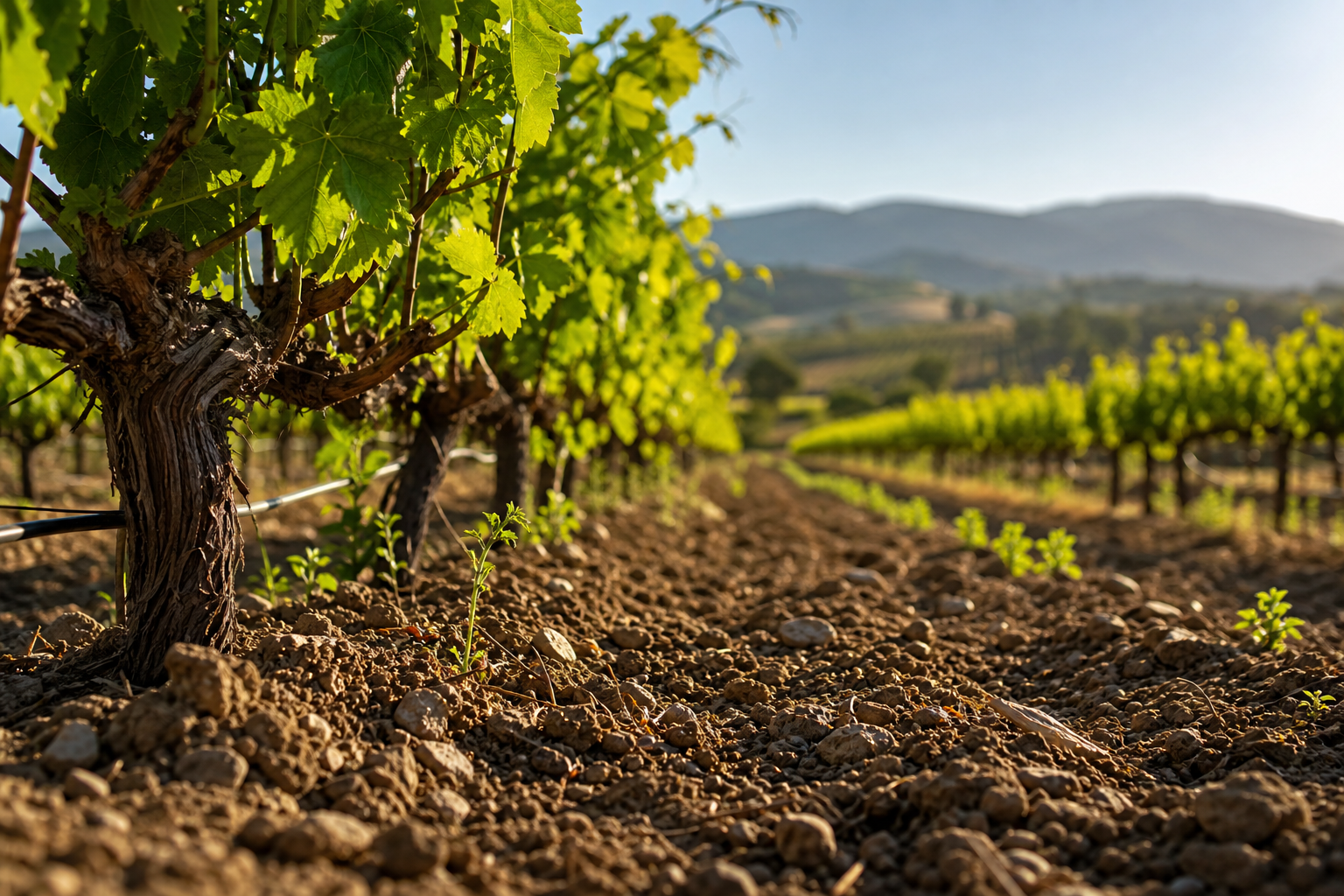
For example, in Temecula’s climate, a hot summer might necessitate more aggressive leaf pulling to increase air circulation and reduce disease pressure, while a cooler, cloudier period might call for less intervention. Performing it too early could lead to sunburn on newly exposed berries, while doing it too late might not provide enough benefit to truly impact the final grape characteristics. It’s a delicate balance, requiring experienced eyes and a deep understanding of each block in the vineyard. We often integrate these decisions into our broader soil preparation strategies and irrigation system testing to ensure a holistic approach to vine health.
Key Decisions and Objectives for Growers
For growers, the decisions involved in pre-harvest pruning are multifaceted. The primary objectives are enhancing fruit quality through improved light penetration and air circulation within the canopy. This means making choices around:
- Leaf Removal: Selectively removing leaves around the fruit zone to increase sunlight exposure, which boosts color development (especially in red varietals) and concentration of sugars and phenolics. It also improves air flow, reducing the risk of fungal diseases.
- Lateral Shoot Removal: Removing unproductive lateral shoots (side shoots) that compete for the vine’s energy and contribute to excessive canopy density.
- Cluster Thinning: If the vine has set too many grape clusters, some are carefully removed. This reduces the crop load, ensuring the remaining clusters receive more of the vine’s resources, leading to higher quality, more concentrated berries. This is a critical factor in achieving premium wines, because a vine can only ripen so much fruit effectively.
These decisions are made with the specific varietal, vintage goals, and microclimate of each vineyard block in mind. For instance, a vineyard dedicated to sparkling wine production might have different objectives than one producing a rich Cabernet Sauvignon. The overarching goal is not merely to reduce yield, but to enhance the intensity, balance, and character of every single grape that makes it into our wines. It’s a proactive approach to ensure that when you come experience a private wine tasting, you’re tasting the very best Temecula has to offer.
Enhancing Grape Physiology and Development
Optimizing Canopy Architecture for Photosynthesis
Pre-harvest pruning, sometimes referred to as green pruning, is a critical practice in viticulture that directly influences the physiological efficiency of the grapevines. Think of it as fine-tuning the engine of the vine. By carefully removing well, specific parts of the canopy, vineyard managers in Temecula can optimize the exposure of the remaining leaves to sunlight.
This isn’t just about making the vineyard look tidy, it’s about maximizing photosynthesis, a process where plants convert light energy into sugars. More efficient photosynthesis means more energy for the plant to channel into grape development, leading to richer flavors and aromas. We’re talking about strategically positioning leaves to capture ample sunlight without shading other crucial parts of the vine, especially the fruit zone.
An ideal canopy architecture — Defined Key Term: canopy architecture: the spatial arrangement of leaves, shoots, and fruit within the vine’s structure — ensures that every leaf is pulling its weight. Without proper pruning, you can end up with a dense, tangled mess of leaves that shade each other out, reducing overall photosynthetic capacity. This also impacts air circulation, an often overlooked but equally important factor. Achieving this balance in our vineyards is a continuous effort, adjusting to the specific varietal and seasonal growth patterns. It’s an art as much as a science, understanding how each cut will impact the vine’s long-term health and the quality of the wine we produce. And this methodical approach contributes significantly to sustainable vineyard practices.
Regulating Cluster Zone Microclimate
The microclimate within the cluster zone is incredibly influential for grape ripening and overall quality. When we talk about pre-harvest pruning, one of its primary goals is to open up this zone. This doesn’t mean just hacking away, but rather selectively removing leaves and laterals (side shoots) that are either blocking sunlight or restricting airflow around the grape clusters.
Why is this so important? Well, direct sunlight exposure to the berries, particularly in moderation, aids in the development of anthocyanins (color compounds) and phenolics (tannins and other beneficial compounds) which are crucial for the wine’s character.
Beyond light, improved air circulation is a game-changer. In the warm Temecula climate, reducing humidity within the cluster zone is paramount. High humidity can create a breeding ground for various fungal diseases, such as botrytis (bunch rot), which can devastate a harvest. By allowing breezes to pass through the canopy, we significantly decrease the risk of such infections, minimizing the need for chemical interventions. This careful management of the microclimate also helps regulate temperatures around the clusters, preventing excessive heat stress which can lead to sunburned berries and off-flavors. It’s a delicate balance; too much exposure and the grapes can “cook,” too little and they remain underdeveloped. This regulation of the cluster zone microclimate is also inherently linked to our march pest management.
Promoting Uniform Berry Ripening
One of the most valuable outcomes of effective pre-harvest pruning is achieving uniform berry ripening across the entire vineyard block, and even within individual clusters. Grapes on a single vine, or even within a single cluster, don’t all ripen at the exact same pace naturally. This physiological variability can lead to inconsistent flavors and sugar levels in the harvested fruit, which then translates to a less balanced wine.
Pruning helps mitigate this by ensuring that all clusters receive similar levels of sun exposure and airflow. By removing excessive foliage, we can reduce competition for resources like water and nutrients among the clusters, allowing each berry to develop optimally.
Imagine trying to bake a cake where half the oven is hotter than the other – you’d get uneven results, right? It’s similar in a vineyard. When all berries ripen simultaneously, we can make a single, precise harvest decision for that block, knowing that the vast majority of the fruit will be at its peak physiological maturity. This uniformity is fundamental for crafting high-quality wines with consistent flavor profiles, balanced acidity, and optimal sugar levels. Without it, winemakers would face the daunting task of blending unripe and overripe fruit, making their job significantly harder. It’s one of the reasons february, allowing us to focus on these pre-harvest details.
Reducing Disease Pressure and Pest Infestations
Beyond optimizing growth and ripening, pre-harvest pruning plays a vital role in vineyard health by actively reducing disease pressure and pest infestations. A dense, overgrown canopy is an open invitation for problems. High humidity levels, stagnant air, and reduced light penetration create ideal conditions for pathogenic fungi like powdery mildew and downy mildew to thrive.
Our prudent pruning practices in Temecula vineyards significantly alleviate these conditions. By opening up the canopy, we increase air circulation and light penetration, making the environment much less hospitable for these diseases.
Moreover, improved visibility within the canopy makes it easier for vineyard workers to spot early signs of disease or pest activity. Early detection is key to effective management, allowing for targeted treatments before an outbreak spreads across the whole vineyard. A less dense canopy also makes it harder for certain pests, such as grape leafhoppers or mites, to find sheltered areas to hide and multiply. This proactive approach to canopy management minimizes the reliance on chemical sprays and contributes to a more sustainable, environmentally friendly viticulture. It’s part of a holistic vineyard management strategy that includes robust march fertilization programs, ensuring overall vine health from root to shoot.
Impacting Key Quality Parameters of the Harvest
Achieving Desired Sugar-Acid Balance
One of the most critical aspects of grape quality, particularly for crafting exceptional wine, is the delicate interplay between sugar and acid levels. Pre-harvest pruning plays a pivotal role here. By carefully managing the vine’s canopy and fruit load, winemakers can influence the rate of sugar accumulation and acid degradation in the berries. Too many clusters, and the vine struggles to ripen them all adequately, leading to diluted flavors and potentially high acidity. Conversely, an aggressively pruned vine, while concentrating sugars, might prematurely drop desirable acid levels, especially in warmer climates like Temecula. The goal is to find that sweet spot, allowing for optimal physiological ripeness where sugars are sufficiently high for fermentation, but acids (primarily tartaric and malic) remain balanced to provide freshness and structure to the finished wines. This proactive approach helps avoid costly post-harvest adjustments in the winery, which can sometimes impact the natural expression of the fruit. We’ve seen this balance perfected in our own vineyards through meticulous pruning.
Concentrating Flavor and Aroma Precursors
Beyond sugar and acid, the true magic of a great wine lies in its complex flavor and aroma profile. Pre-harvest pruning directly impacts the concentration of these vital precursors within the grape. By reducing the overall crop load, the vine’s energy is redirected to fewer clusters, intensifying the synthesis of aromatic compounds and phenolic substances (which contribute to color, tannin, and flavor). Think of it like this: a vine with too much fruit is trying to do too many things at once, resulting in less intense flavors across the board. But when pruned effectively, those remaining grapes become powerhouses of concentration. This is particularly crucial for varietals where aromatic intensity is key, such as Sauvignon Blanc or Gewürztraminer, but equally important for the depth and complexity desired in a Cabernet Sauvignon or Syrah. It’s about ensuring every single berry is packed with potential, ready to unleash its full character during fermentation. This nuanced understanding is why proper vineyard management is so essential.
Improving Phenolic Maturity in Red Varieties
For red wines, phenolic maturity is a non-negotiable factor for quality. Pre-harvest pruning is instrumental in achieving this. Phenols, which include anthocyanins (color) and tannins (structure, mouthfeel), develop primarily in the grape skins and seeds. Adequate sunlight exposure, facilitated by a well-managed canopy through pruning, is crucial for their complete polymerization. Underripe phenolics can lead to harsh, green tannins and unstable color in the finished wine, even if sugar levels are high. By optimizing light penetration and air circulation to the fruit zone, pruning helps ensure that these phenolic compounds ripen fully, resulting in softer, more integrated tannins, deeper color, and a more pleasant mouthfeel. This is a subtle but profound impact, distinguishing a good red wine from a truly exceptional one. And because it happens in the vineyard, it’s something you literally can’t fix later in the cellar.
Minimizing Unwanted Vegetal Notes
Nobody wants a wine that tastes like green bell pepper when it shouldn’t. Vegetal notes, primarily caused by compounds called pyrazines, are often a sign of underripe grapes or excessive shading in the fruit zone. Pre-harvest pruning directly addresses these issues.
By carefully removing leaves that block sunlight from the clusters, and by ensuring proper shoot spacing, we reduce the conditions that promote pyrazine development. This is especially important in varietals like Cabernet Franc or Sauvignon Blanc, where a touch of pyrazine can be desirable, but too much becomes a flaw. The goal is to achieve ripe, fruity, and varietally expressive flavors, free from overwhelming herbaceousness.
It’s a fine balance, because some canopy is needed for photosynthesis. But targeted leaf removal and shoot positioning help shift the balance towards fruit and away from green characteristics, creating a cleaner, more desirable flavor profile. This attention to detail is part of what goes into every wine tasting we offer.
The Role in Overall Wine Composition Potential
Ultimately, pre-harvest pruning acts as a foundational step in defining the overall compositional potential of the wine. It’s about creating the best possible raw material for the winemaker to work with. Every decision made during pruning, from shoot thinning to leaf removal, influences a cascade of biological processes within the vine and the developing grape. This isn’t just about maximizing yield; it’s about maximizing quality per berry. A well-pruned vineyard yields grapes with balanced sugar and acid, concentrated flavor and aroma precursors, ripe phenolics, and an absence of unwanted vegetal notes. These grapes provide the winemaker with an optimal palette, allowing them to craft complex, harmonious, and age-worthy wines that truly express their terroir. Without this meticulous work in the vineyard, even the most skilled winemaker faces an uphill battle to produce a premium product. It simply makes the job of turning grapes into extraordinary wines so much easier and more predictable.
Operational Efficiencies and Long-Term Vineyard Health
Streamlining Harvest Operations
Pre-harvest vineyard pruning, while seemingly adding an extra step, actually pays dividends by significantly streamlining harvest operations. By carefully managing the canopy beforehand, we create a much more uniform environment for the grapes. This uniformity means less time spent by harvest crews sorting through disparate bunches and more efficient picking overall.
Imagine a vineyard where every cluster is perfectly exposed and ripened; that’s the ideal we’re striving for through meticulous pruning. It reduces the need for multiple passes through the vineyard, cutting down on labor costs and equipment wear and tear.
Furthermore, a well-pruned vine allows for better visibility of the fruit, making both manual and mechanical harvesting far more straightforward. This isn’t just about speed, though that’s certainly a benefit. It’s about precision.
When pickers can clearly see what they’re doing, the incidence of damaged fruit or accidental inclusion of underripe or overripe berries dramatically decreases. In Temecula, where the focus is often on producing high-quality wines, this level of precision during harvest is invaluable, directly impacting the final product in our winery.
Managing Vine Vigor and Energy Allocation
Effective pre-harvest pruning is a crucial tool in managing vine vigor, which is the balance between vegetative growth (leaves and shoots) and reproductive growth (grapes). Too much vigor can lead to excessive shading, reducing sunlight exposure for the fruit and potentially hindering ripening. Conversely, insufficient vigor might mean the vine struggles to support its crop. Pruning helps redirect the vine’s energy, initially stored from the previous season, towards what matters most: developing high-quality grapes.
By removing unproductive shoots and leaves, we ensure that the vine’s resources, both water and nutrients, are primarily channeled into the fruit. This optimized energy allocation directly contributes to better sugar accumulation, phenolic ripeness, and overall flavor development in the berries. It’s a delicate dance, of course, adapting to each varietal and specific vineyard block, but the ultimate goal is always a perfectly balanced vine. This careful management during the growing season influences everything, even how the grapes will respond to barrel aging timeline later on.
Promoting Sustainable Vineyard Practices
Pre-harvest pruning plays a much larger role than just immediate grape quality; it’s a cornerstone of sustainable vineyards practices. What does that mean exactly? Well, by promoting optimal canopy management, we inherently reduce the need for certain interventions.
For example, improved air circulation within the canopy, a direct result of judicious pruning, significantly lowers the risk of fungal diseases. This often translates to fewer fungicide applications, which is better for the environment, for vineyard workers, and ultimately for the grape itself.
Moreover, healthy, well-managed vines are more resilient to environmental stressors. Think about it: a balanced vine, not overstressed by an excessive crop load or struggling with lack of light, is better equipped to handle fluctuating weather conditions, especially in regions like Temecula where temperatures can vary. This natural resilience aligns perfectly with the ethos of many sustainable vineyard practices, focusing on long-term ecological balance rather than short-term fixes. It’s about working with nature, not against it, to produce exceptional wines year after year.
Contributing to Vine Longevity and Productivity
Beyond the current season’s harvest, pre-harvest pruning profoundly impacts the long-term health and productivity of the vines. It’s an investment in the future, if you will. By preventing vines from overproducing, we safeguard their energy reserves and prevent them from burning out prematurely. A vine that consistently carries an overly large crop load will eventually become exhausted, leading to diminished quality and yield in subsequent years, and potentially a shorter productive lifespan overall.
Careful pruning maintains the vine’s structural integrity, allowing for consistent renewal of fruiting wood and a balanced growth pattern over decades. It’s about teaching the vine to allocate its resources wisely, ensuring it remains robust and capable of producing high-quality fruit for many years to come. This longevity is critical for wineries, as establishing a new vineyard is a significant long-term commitment. Think of it as preventative care; just as we maintain our own health, we maintain the health of our vines for continuous peak performance. And this careful attention to the vines’ needs starts early, even with an understanding of how winter grape, setting the stage for success.
Implementing Effective Pre-Harvest Pruning Strategies
Assessing Vineyard Specific Needs and Varietal Response
Implementing effective pre-harvest pruning strategies begins with a thorough assessment of each vineyard’s unique characteristics. This isn’t a one-size-fits-all approach; rather, it requires a nuanced understanding of soil composition, microclimate, vine age, and, critically, the specific grape varietal being cultivated. For our Temecula vineyards, where conditions can vary even within a few acres, this localized assessment is paramount. Different varietals, for instance, respond to pruning in distinct ways.
Cabernet Sauvignon, a thicker-skinned grape often found thriving in our region, might benefit from aggressive leaf removal to enhance sun exposure and ripeness, promoting those deep, rich colors and tannins we appreciate. Conversely, a more delicate varietal like Pinot Noir might require a gentler hand to prevent sunburn and preserve its nuanced aromatics. Have you ever considered how these subtle differences in varietal response can dramatically impact the final wine in your glass?
It’s a constant balancing act for winemakers, understanding that the health of the vine directly translates to the quality of the grape. Data from previous vintages, including sugar levels, acidity, and phenolic ripeness, are invaluable here, guiding decisions on cane selection and bud count. It’s about predicting how each vine, given its history and environment, will react to intervention and then tailoring that intervention for optimal results.
Training and Equipping Vineyard Teams
Even the most meticulously planned pruning strategy is only as good as the team implementing it. Therefore, comprehensive training and proper equipment are non-negotiable. Our vineyard teams undergo rigorous instruction, learning not just the ‘how’ but also the ‘why’ behind each pruning cut. This includes understanding vine anatomy, identifying potential disease vectors, and recognizing stress indicators in the plant. Hands-on workshops, often led by experienced viticulturists, are a core part of this process, ensuring everyone on the team can identify the proper fruiting wood and make precise cuts that protect the vine’s long-term health. Consider how much effort goes into ensuring precision, much like calibrating an irrigation system before the peak growing season.
Equipping them with the right tools is equally important. High-quality, sharp pruning shears reduce stress on the vine and minimize the risk of wound infections. Safety gear, from gloves to eye protection, ensures our team can work efficiently and without incident.
We also foster a culture of continuous learning and feedback; regular check-ins and field discussions allow us to refine our techniques and address any challenges that arise during the pruning season. It’s an investment, both in our people and in the future of our vines, recognizing that well-trained hands are critical for executing the nuanced decisions made in the vineyard.
Monitoring and Adapting Practices Throughout the Season
Pre-harvest pruning isn’t a static event; it’s an ongoing process of observation, adaptation, and refinement. Once the initial pruning is complete, continuous monitoring of vine development is essential. This includes regularly checking canopy density, assessing fruit exposure, and looking for any signs of imbalance.
Weather conditions, which can fluctuate dramatically in Temecula, play a huge role here. A sudden heatwave might necessitate more leaf retention to shade fruit, while an overcast period might call for additional thinning to encourage ripening.
Our vineyard managers walk the rows daily, collecting data and making micro-adjustments. This iterative process, often involving minor leaf pulling or cluster thinning, ensures that the vines remain on track for optimal grape development right up to harvest. Think of it as a constant dialogue with nature – listening to what the vines need and responding accordingly. This adaptive management style is crucial for mitigating risks and capitalizing on opportunities that arise from ever-changing environmental factors, ensuring that each vintage truly reflects the best of our Temecula terroir. It mirrors the careful planning involved in fertilization programs, which are also adapted based on ongoing assessments.
Case Studies: Regional Adaptations and Best Practices
While the principles of pre-harvest pruning are universal, their application varies significantly across different wine regions, and Temecula is no exception. In regions with persistent humidity, for instance, aggressive leaf removal might be a standard practice to improve air circulation and reduce disease pressure. Here in Temecula, particularly closer to the time of harvest, our primary focus often shifts to managing sun exposure due to our intense Mediterranean climate. So, instead of maximizing sun, we might selectively remove leaves to provide dappled sunlight, protecting delicate fruit from sunburn while still ensuring adequate ripening.
Another best practice gaining traction involves precision viticulture techniques, using drone imagery and sensor data to pinpoint areas within the vineyard that require specific attention. This allows for targeted pruning interventions, optimizing labor and resources. For example, some blocks might show higher vigor and require more aggressive canopy management, while others might need a more conservative approach. This level of precise, data-driven decision-making helps us continuously refine our practices, ensuring that our grapes reach their full potential. These targeted approaches contribute significantly to the overall quality and character of our temecula wines, reflecting the unique adaptations necessary for our specific environment.
Implementing effective pre-harvest pruning strategies is a complex yet rewarding endeavor, blending scientific understanding with artful execution. It’s about understanding the specific needs of each vine, empowering our team with knowledge and tools, and continuously adapting our approach based on real-time observations and regional particularities. This meticulous care throughout the growing season contributes profoundly to the final quality of the wine, a testament to the dedication poured into every bottle.
We invite you to explore the fruits of these labors by visiting Uys Wines for a personal wine tour or wine tasting, where you can truly experience the difference that thoughtful vineyard management makes from clone to bottle. It’s an experience that truly transforms the way one appreciates the craft, allowing visitors to delve deeper into the narrative of our exceptional Temecula Valley wines.
Related Posts
- Why February is the Perfect Month for Private Wine Tastings in Temecula
- Sustainable Vineyard Practices That Define Modern Temecula Wineries
- How Winter Grape Dormancy Influences Next Season’s Vintage Quality
- Barrel Aging Timeline Analysis for Current Vintage Development
- March Vineyard Soil Preparation Strategies for Optimal Spring Growth
- Women Pioneers Who Shaped California’s Vineyard Industry
- How March Weather Patterns Affect Grape Varietal Selection
- March Planting Windows for New Vineyard Development
- Sustainable Cover Crop Management During Spring Transition
- Irrigation System Testing Before Peak Growing Season
- Vineyard Labor Planning for 2026 Growing Season
- March Fertilization Programs for Premium Wine Grapes