June Vineyard Canopy Management Techniques for Summer Heat
Understanding Summer Heat Stress in Vineyard Canopies
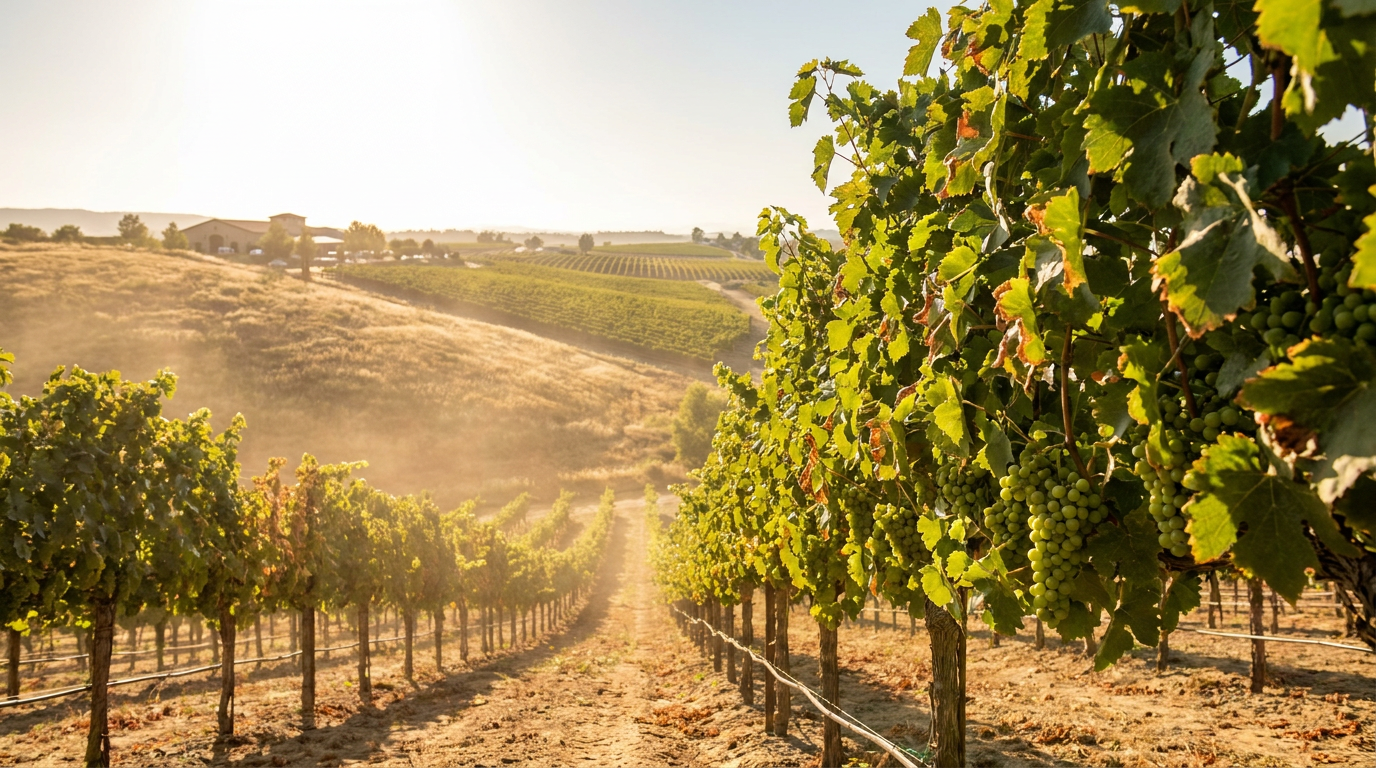
The June sun beats down mercilessly on Temecula’s rolling vineyards, transforming what should be a period of vigorous growth into a delicate balancing act between ripening and survival. As temperatures soar past 95°F, grape clusters hang vulnerable beneath canopies that can either shield them from scorching heat or inadvertently trap damaging thermal energy. Understanding how this summer heat stress affects your vineyard canopy becomes the difference between a stellar vintage and a season of regret.
This critical period demands your attention because grape development accelerates rapidly under intense heat, but not always in ways that benefit wine quality. The canopy becomes your primary tool for managing this thermal challenge, requiring precise adjustments to leaf positioning, cluster exposure, and airflow patterns that most growers overlook until damage becomes visible.
How High Temperatures Affect Grape Development in June
When vineyard temperatures climb above 90°F consistently, grape metabolism shifts into overdrive, accelerating sugar accumulation while simultaneously degrading essential acids that provide wine structure. This creates an imbalance where grapes reach optimal sugar levels weeks before achieving proper flavor development and phenolic maturity. The result? Wines that taste hot and unbalanced despite technically correct chemistry.
Heat stress triggers protective mechanisms in grape clusters that actually work against quality wine production. Berries begin shutting down photosynthesis and reducing water uptake to prevent cellular damage, which stunts the complex biochemical processes that create varietal character. Research from UC Davis shows that sustained temperatures above 95°F can reduce anthocyanin production in red varieties by up to 35%, directly impacting color intensity and aging potential.
The timing of this stress matters enormously. June represents the critical period between fruit set and veraison when berries are establishing their fundamental structure. Heat damage during these weeks cannot be reversed through later canopy management, making prevention your only viable strategy for maintaining vintage quality that reflects proper sustainable vineyard practices.
Signs of Heat Damage in Young Grape Clusters
Recognizing heat damage early requires looking beyond obvious symptoms like shriveled berries or sunburned clusters. The first indicators appear as subtle changes in berry development patterns and cluster architecture that experienced growers learn to spot during routine vineyard walks.
Berry shrinkage occurs gradually, starting with slight wrinkling around the attachment point before progressing to visible dehydration across the entire cluster. However, the more insidious damage appears as uneven ripening within individual clusters, where berries exposed to direct afternoon sun develop faster than those in shade, creating harvest timing challenges that compromise wine quality.
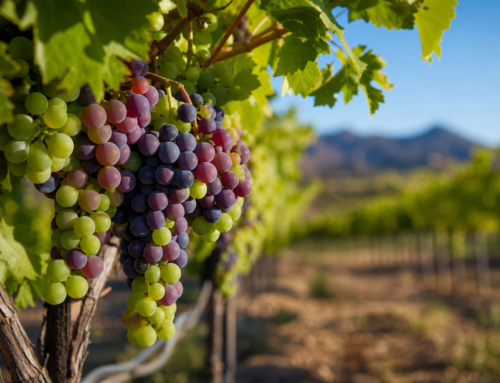
Color changes provide another diagnostic tool. Healthy green berries maintain consistent coloration throughout the cluster, while heat-stressed fruit develops bronze or brown patches that indicate cellular breakdown. These damaged areas become entry points for fungal infections and insect damage, compounding the initial thermal stress through secondary complications.
Professional viticulturists monitor berry firmness through gentle pressure testing, noting when clusters feel softer than expected for their developmental stage. This texture change signals internal cellular damage that affects juice quality even when external appearance remains acceptable.
The Role of Leaf Coverage in Temperature Regulation
Vineyard canopy management becomes your primary defense against heat stress through strategic leaf positioning that creates optimal microclimate conditions around developing clusters. Each leaf functions as both a solar panel for photosynthesis and a thermal shield for grape protection, requiring careful balance between these competing functions.
Research demonstrates that clusters receiving 30-40% dappled sunlight achieve optimal development without thermal stress. This requires maintaining leaf coverage that filters intense midday radiation while allowing sufficient light penetration for proper photosynthesis and air circulation. The key lies in understanding how leaf angle and density affect light distribution throughout the fruiting zone.
Lateral shoot management becomes crucial during June heat waves, as excessive foliage can trap hot air around clusters while insufficient coverage exposes them to direct solar radiation. Professional vineyard managers target specific leaf-to-fruit ratios based on variety characteristics and local climate patterns, adjusting these ratios as summer temperatures fluctuate.
Balancing Sun Exposure for Optimal Fruit Development
Achieving the perfect balance between protection and exposure requires understanding how different grape varieties respond to thermal stress and adjusting your approach accordingly. Thin-skinned varieties like Pinot Noir demand more aggressive shading strategies, while thick-skinned Cabernet Sauvignon can tolerate higher heat loads with proper canopy positioning.
Morning sun exposure provides essential energy for photosynthesis without the thermal stress of afternoon heat, making east-facing cluster positioning ideal for most varieties. This orientation allows grapes to benefit from gentle morning light while receiving natural shade protection during peak temperature periods between 2-6 PM.
Successful heat management integrates canopy work with broader vineyard strategies, including irrigation timing and soil moisture management that support healthy leaf function throughout summer stress periods. This comprehensive approach ensures your winery maintains the fruit quality standards that define exceptional Temecula wines.
Essential Canopy Training Techniques for Early Summer
Strategic Shoot Positioning and Tucking Methods
Proper shoot positioning forms the foundation of effective vineyard canopy management during June’s warming temperatures. The key lies in training new growth upward while maintaining adequate spacing between shoots to promote air circulation. Position shoots 4-6 inches apart along the fruiting wire, gently tucking them behind catch wires without forcing or breaking tender growth.
Start positioning when shoots reach 18-24 inches in length, typically occurring in early June across Temecula’s wine regions. This timing allows flexibility in the green tissue while establishing the framework for summer heat management. Avoid aggressive tucking during midday heat (temperatures above 85°F) as shoots become more brittle and prone to damage.
Implementing sustainable vineyard practices during shoot positioning reduces stress on both vines and vineyard workers. Work systematically through each row, maintaining consistent shoot spacing that accommodates the variety’s natural growth habit. Cabernet Sauvignon requires more aggressive positioning than Pinot Noir due to its vigorous growth characteristics.
Timing Your First Summer Hedging Operations
June hedging operations require precise timing to balance canopy density with fruit protection needs. Begin hedging when shoot tips extend 12-18 inches beyond the top catch wire, usually occurring during the third week of June in most Temecula vineyard blocks. This timing prevents excessive vegetative growth while maintaining adequate leaf area for photosynthesis.
Monitor daily temperature forecasts before scheduling hedging operations. Avoid hedging within 48 hours of predicted heat events exceeding 95°F, as freshly cut shoots cannot protect fruit clusters from sudden temperature spikes. The ideal hedging window occurs during mild morning temperatures (65-75°F) with stable weather patterns expected for the following week.
Hedging intensity varies by grape variety and vineyard location. Remove 6-8 inches of shoot growth for red varieties like Merlot and Cabernet Sauvignon, while limiting white varieties to 4-6 inches to maintain sufficient leaf coverage. This conservative approach proves especially important for vineyards facing southern or western exposures where heat stress intensifies during afternoon hours.
Wire Management and Trellis Adjustments
June trellis management focuses on optimizing wire tension and positioning to support growing canopy weight while facilitating air movement. Check wire tension weekly, as expanding foliage adds significant stress to trellis systems. Loose wires create uneven canopy distribution and reduce the effectiveness of positioning operations.
Adjust catch wire height based on current shoot development and anticipated growth through harvest. Position the top catch wire 8-10 inches above the fruiting wire for most table wine varieties, allowing adequate vertical space for continued growth without crowding. This spacing proves critical for varietals destined for premium winery production where canopy uniformity directly impacts fruit quality.
Inspect trellis posts for stability and alignment, particularly after spring winds or heavy rain events. Replace damaged clips and ties with materials that accommodate continued growth throughout the summer months. UV-resistant materials perform better under intense California sun exposure, maintaining their integrity through harvest season.
Creating Optimal Fruit Zone Microclimates
Establishing proper fruit zone microclimates during June sets the stage for optimal ripening conditions throughout the summer heat period. The goal involves creating filtered sunlight exposure while maintaining air circulation around developing grape clusters. This balance prevents both sunburn damage and fungal pressure that thrives in stagnant air conditions.
Focus canopy management efforts on achieving 40-60% dappled sunlight penetration in the fruit zone during peak afternoon hours. This level provides sufficient light for flavor development while protecting clusters from direct solar radiation that can exceed 100°F on berry surfaces. Use the “shadow test” by observing light patterns on clusters during 2:00-4:00 PM when sun intensity peaks.
Consider the relationship between current canopy work and future development, as decisions made during June directly influence conditions during August and September ripening periods. Techniques learned from analyzing winter grape dormancy help predict how current management choices will affect harvest timing and fruit quality. Maintain detailed records of positioning dates, hedging intensity, and resulting canopy density to refine techniques for subsequent growing seasons.
Monitor fruit zone temperatures using digital thermometers placed at cluster height in representative vineyard blocks. Target maximum fruit zone temperatures should remain 5-8°F below ambient air temperature during peak heat events. Adjust canopy density immediately if fruit zone temperatures consistently exceed this threshold, as prolonged heat exposure compromises both yield and quality potential.
Selective Leaf Removal Strategies for Heat Protection
Pre-Bloom vs. Post-Set Leaf Removal Timing
The timing of leaf removal makes all the difference between protecting your grapes and accidentally damaging your crop. Pre-bloom leaf removal (typically May in Temecula) focuses on basal leaves around the fruit zone to improve air circulation without compromising photosynthesis during critical flowering. This early intervention helps establish proper airflow patterns before summer heat intensifies.
Post-set leaf removal requires more precision and restraint. After fruit set in early June, removing too many leaves can expose developing clusters to direct sunlight damage. The key is selective removal of interior leaves that create humidity pockets while maintaining enough canopy coverage to protect fruit. Professional winery operations typically remove 20-30% of leaves in the fruit zone during this period.
Temperature monitoring becomes crucial during post-set removal. When daytime temperatures exceed 85°F in Temecula’s inland valleys, aggressive leaf removal can stress vines and create sunburn damage on exposed fruit. The goal is creating airflow without eliminating the natural shade protection that healthy canopies provide.
Identifying Which Leaves to Remove for Air Circulation
Start with the oldest basal leaves near the trunk, which contribute least to photosynthesis but often harbor moisture and disease pressure. These yellowing or damaged leaves should be your first targets. Next, focus on leaves growing inward toward the vine’s center, where they create stagnant air pockets that trap heat and humidity.
Lateral shoots growing parallel to the main cane often produce leaves that overlap excessively. Removing every second or third leaf from these laterals opens up air channels without dramatically reducing the vine’s photosynthetic capacity. Look for leaves that are shaded by others above them, as these contribute minimal energy while blocking airflow.
Suckers and water shoots deserve immediate removal regardless of season. These vigorous vertical shoots not only consume vine energy but create dense canopy areas that trap heat. Their leaves are typically larger and more tender, making them susceptible to heat damage while contributing little to grape development.
The foundation for effective canopy management begins with proper soil preparation, which we covered in our soil preparation guide that helps ensure balanced vine vigor from the start.
Protecting Fruit from Direct Sunlight Exposure
Grape clusters need filtered light, not direct exposure to intense summer sun. The ideal scenario provides morning sunlight while offering protection during peak afternoon heat between 1 PM and 5 PM. This means maintaining leaf coverage on the southwestern side of your vine rows, where afternoon sun creates the most heat stress.
Calculate your removal intensity based on cluster position. Clusters hanging in naturally shaded positions can handle more aggressive leaf removal around them, while clusters already receiving direct morning light need maximum protection from additional exposure. Remove leaves gradually over several sessions rather than all at once, allowing vines to adjust their remaining canopy accordingly.
Consider the microclimate within your vineyard blocks. South-facing slopes and areas with reflective soil surfaces require more conservative leaf removal. Conversely, north-facing slopes or areas with natural wind corridors can handle more aggressive thinning without risking fruit damage.
Monitor your clusters daily during heat waves. Early signs of sun damage include brown spotting on berry skins and premature shriveling. Once you notice these symptoms, increase shade protection immediately by repositioning remaining leaves or installing temporary shade cloth in severely affected areas.
Regional Considerations for Leaf Removal Intensity
Temecula’s unique microclimate requires specific adaptations to standard leaf removal practices. The region’s afternoon winds can quickly desiccate exposed fruit, making windward-side protection essential. Eastern-facing vine rows need different treatment than western-facing rows due to our prevailing wind patterns and sun exposure timing.
Elevation differences within Temecula Valley create varying heat accumulation zones. Vineyard blocks at higher elevations experience greater temperature swings and can handle more aggressive leaf removal during cooler morning hours. Lower valley positions with heat accumulation may require minimal removal to prevent stress.
Soil type influences your removal strategy significantly. Clay-heavy soils retain moisture longer, potentially allowing more leaf removal without stressing vines. Sandy soils drain quickly and may require conservative approaches to maintain adequate canopy cover for moisture retention.
Local weather patterns matter enormously. June marine layer penetration varies yearly in Temecula, affecting morning humidity and cooling. Years with consistent marine influence allow more aggressive removal, while dry years demand conservative approaches. Always adjust your standard practices based on current season conditions rather than following rigid schedules.
Shoot Management and Vigor Control
Identifying and Managing Excessive Vegetative Growth
June’s warm weather often triggers explosive vegetative growth that can quickly overwhelm your vineyard’s carefully planned structure. Excessive vigor manifests as thick, rapidly growing shoots that compete directly with grape clusters for precious water and nutrients. These overly vigorous shoots typically exceed 6-8 inches of growth per week and develop unusually large, dark green leaves that signal the vine is prioritizing vegetative development over fruit production.
The key to managing this growth lies in recognizing the difference between healthy vigor and excessive vigor. Healthy shoots maintain steady growth rates of 3-5 inches weekly with balanced leaf size and color. But when shoots begin racing toward the sky with thick, succulent stems and oversized foliage, immediate intervention becomes necessary. These vigorous shoots often emerge from the vine’s head or trunk area, drawing energy away from your carefully positioned fruiting shoots.
Target the most aggressive shoots first, particularly those growing vertically from the main trunk or older wood. Remove them completely at their point of origin, making clean cuts that won’t encourage additional sprouting. This selective removal redirects the vine’s energy toward your designated fruiting shoots and helps maintain the balanced canopy structure established during earlier training.
Sucker Removal Techniques for Better Resource Allocation
Water shoots and suckers represent one of the biggest threats to efficient resource allocation in June vineyards. These unwanted shoots emerge from the vine’s base, trunk, or root system, creating a drain on the plant’s energy reserves that should be flowing to developing grape clusters. Professional sucker removal requires both timing precision and proper technique to prevent recurring growth.
Remove suckers when they reach 4-6 inches in length, before they develop woody tissue that makes removal more difficult and stressful for the vine. Use your hands to snap off young, tender suckers rather than cutting tools, which can leave wounds that encourage regrowth. The snapping motion should be quick and decisive, breaking the sucker cleanly at its base without tearing the bark of the main trunk.
Focus your efforts on the vine’s base first, where root suckers compete most directly with the main plant structure. These ground-level shoots often appear vigorous and healthy, but they represent pure energy waste that diverts resources from your premium fruit production goals. Regular sucker patrol every 7-10 days during June’s peak growth period prevents these shoots from establishing strong connections to the vine’s vascular system.
Crown Suckering and Water Shoot Management
Crown suckering addresses the vigorous shoots that emerge from the vine’s head and upper trunk areas, particularly problematic during June’s intense growth phase. These shoots often develop in response to earlier pruning cuts or stress events, creating unwanted complexity in your canopy management system. Effective crown suckering requires understanding which shoots serve your long-term vine structure and which represent energy-wasting distractions.
Water shoots typically emerge from older wood and grow with exceptional vigor, often reaching several feet in length within weeks if left unchecked. Unlike sustainable cover crop that supports soil health, these shoots create direct competition for your vine’s resources without contributing to fruit production or desired canopy architecture.
Remove water shoots as soon as they appear, ideally when less than 12 inches long. Make cuts close to the trunk or parent wood, angling slightly to shed water and prevent disease entry points. Pay special attention to the areas around old pruning wounds, where water shoots commonly develop in response to the vine’s healing processes.
Balancing Canopy Density with Air Flow Requirements
June vineyard canopy management demands careful balance between maintaining adequate leaf surface for photosynthesis and ensuring proper air circulation throughout the fruiting zone. Dense canopies trap humidity and reduce air movement, creating ideal conditions for fungal diseases while simultaneously shading grape clusters and reducing fruit quality potential.
Optimal canopy density allows morning sunlight to penetrate the fruiting zone while maintaining enough leaf coverage to protect grapes from intense afternoon heat. This balance typically requires removing 20-30% of interior shoots that contribute to excessive density without providing significant photosynthetic benefit. Focus on removing shoots that grow inward toward the vine’s center or those that create overlapping leaf layers.
Monitor air movement through your canopy by observing how quickly morning dew disappears and how effectively afternoon breezes penetrate the vine structure. Proper air flow should dry surface moisture within 2-3 hours after sunrise and maintain gentle movement throughout the canopy during typical Temecula valley conditions. Dense pockets that retain moisture or lack air circulation require immediate thinning to prevent disease pressure and ensure optimal fruit development through the critical summer months ahead.
Monitoring and Adjusting Canopy Health
Daily Inspection Routines for Heat Stress Detection
Establishing consistent morning inspection routines becomes critical during June’s intense heat cycles in Temecula’s wine country. Walk vineyard blocks between 6 AM and 8 AM when temperatures remain moderate and leaves show their most honest condition. Look for early warning signs like wilted shoot tips, yellowing leaves along the fruit zone, and clusters showing brown edges or shriveling berries.
Focus your attention on south-facing rows and elevated sections where heat accumulates first. Check leaf turgor by gently pressing mature leaves (they should feel firm, not papery). Examine the canopy’s interior for adequate air circulation, noting areas where dense foliage creates heat pockets. These microenvironments can reach temperatures 10-15 degrees higher than ambient conditions.
Document any clusters showing stress symptoms, particularly those in direct afternoon sun exposure. Early detection allows for immediate corrective action through selective sustainable practices like targeted leaf removal or emergency shade installation.
Using Technology to Track Canopy Temperature
Modern vineyard canopy management relies heavily on data-driven decision making through strategic sensor placement. Install infrared thermometers or thermal imaging cameras at multiple points throughout your vineyard blocks to monitor canopy surface temperatures throughout the day. Position sensors approximately 18 inches from the fruit zone to capture accurate microclimate readings.
Wireless temperature monitoring systems provide real-time alerts when canopy temperatures exceed critical thresholds (typically 95°F for most grape varietals). Set up data logging every 15 minutes during peak heat hours (11 AM to 4 PM) to identify patterns and correlate temperature spikes with specific weather conditions or canopy configurations.
Drone-mounted thermal cameras offer comprehensive canopy temperature mapping across large vineyard areas. These aerial surveys reveal heat stress patterns invisible from ground level, allowing targeted interventions in problem zones. Modern winery operations increasingly rely on this technology to optimize canopy management decisions during critical growth periods.
Adjusting Irrigation Schedules Based on Canopy Needs
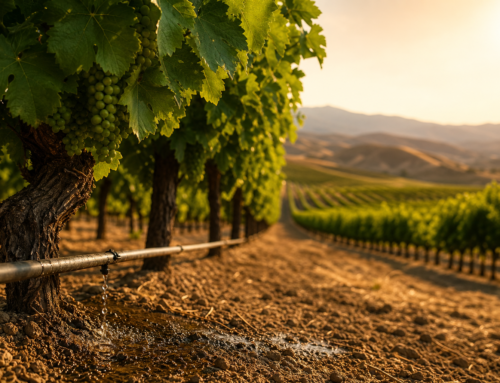
Canopy health directly influences irrigation requirements, creating a dynamic relationship that changes daily during summer heat events. Monitor soil moisture levels at multiple depths (12, 24, and 36 inches) while simultaneously tracking canopy stress indicators. Healthy, well-managed canopies typically require 15-20% more water during extreme heat periods compared to standard summer irrigation schedules.
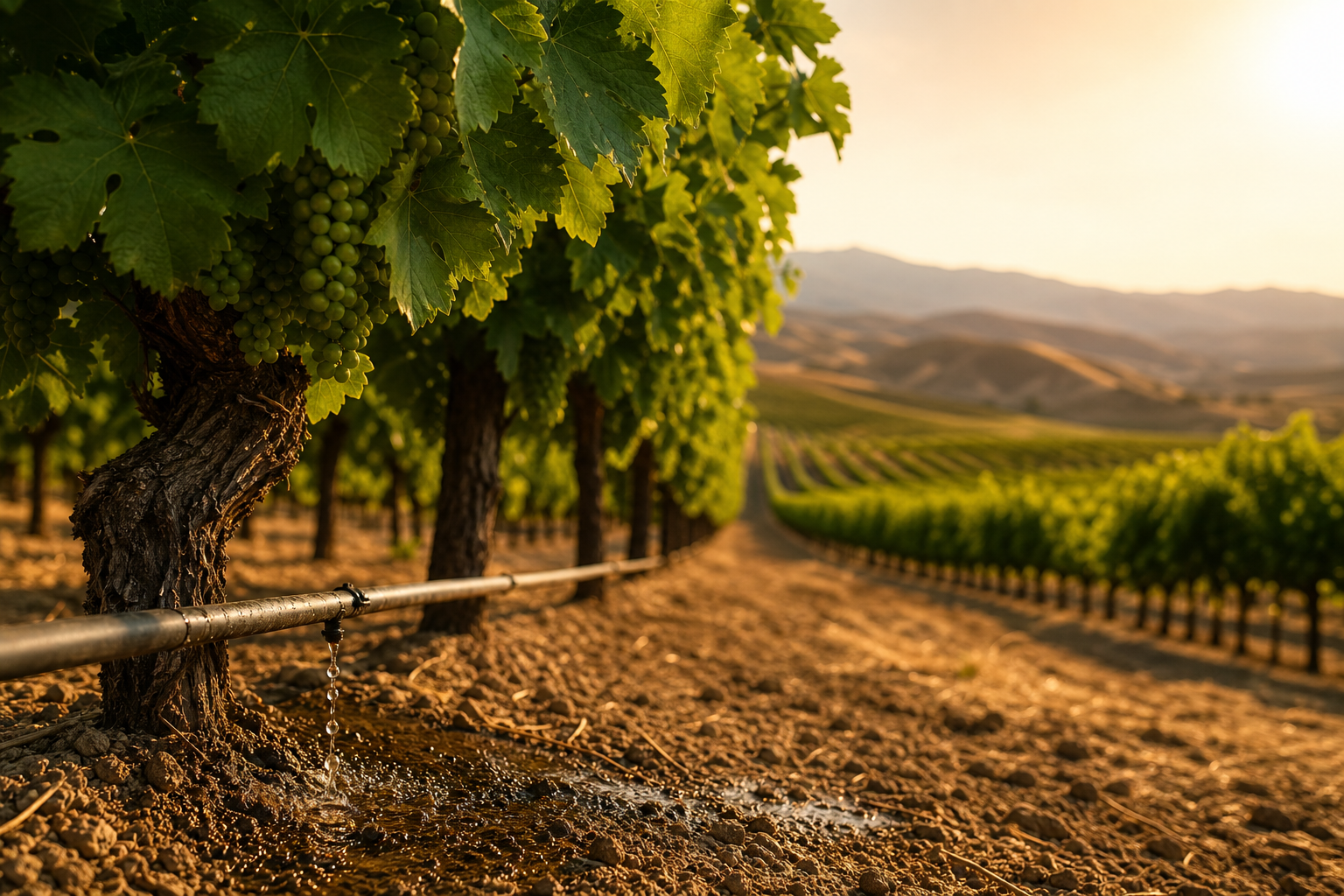
Implement pulse irrigation techniques during afternoon heat peaks, delivering smaller water volumes every 2-3 hours rather than single large applications. This approach maintains consistent soil moisture without creating waterlogged conditions that stress root systems. Pay attention to canopy transpiration rates, which increase dramatically when leaf temperatures exceed 85°F.
Adjust your irrigation system timing to support canopy cooling during peak stress hours. Early morning irrigation (4 AM to 6 AM) ensures maximum soil moisture availability before heat stress begins. Evening irrigation after 7 PM helps recovery but avoid late watering that encourages fungal development in dense canopy areas.
Documentation and Record-Keeping for Future Seasons
Comprehensive record-keeping during June’s canopy management activities provides invaluable data for improving future vineyard performance. Create detailed maps showing areas where heat stress occurred, noting specific varieties, rootstock combinations, and canopy management techniques used in each block. Include weather data, soil moisture readings, and photographic documentation of both successful and problematic areas.
Track the effectiveness of different canopy management interventions with quantified measurements. Record leaf removal percentages, shoot positioning adjustments, and irrigation modifications alongside their corresponding outcomes. Note which grape clusters maintained quality through heat events and correlate this with specific canopy management approaches.
Develop season-long spreadsheets tracking daily inspection findings, temperature readings, and management decisions. Include notes about vine response times to interventions, labor requirements for different techniques, and cost analyses of various approaches. This historical data becomes essential for planning next year’s June grape growing strategies and helps identify patterns specific to your Temecula vineyard’s unique microclimate conditions. Consider how these practices enhance the overall experience for visitors during future wine tour seasons.
Common Summer Canopy Management Mistakes to Avoid
Over-Aggressive Leaf Removal Leading to Sunburn
The most costly mistake vineyard managers make during summer canopy management is removing too many leaves too quickly. While selective leaf removal improves air circulation and reduces disease pressure, excessive defoliation exposes grape clusters to direct sunlight during Temecula’s intense summer heat. This creates sunburn damage that can devastate an entire vintage.
Proper leaf removal should never exceed 20-30% of total canopy during peak summer months. Focus on removing only the basal leaves around fruit zones while maintaining adequate shade protection above clusters. The goal is creating filtered light conditions that promote ripening without exposing grapes to temperatures exceeding 95°F for extended periods.
Timing becomes crucial when temperatures regularly reach 100°F or higher. Remove leaves gradually over several weeks rather than in single aggressive sessions. This allows remaining foliage to adjust and provides backup protection if heat waves arrive unexpectedly. Many successful sustainable vineyard practices emphasize this measured approach to canopy modification.
Timing Errors in Summer Pruning Operations
Summer pruning timing mistakes can stress vines beyond recovery, particularly when operations coincide with heat stress periods. The optimal window for major canopy work falls between dawn and 10 AM, when temperatures remain moderate and vine moisture levels are highest.
Avoid all pruning activities during afternoon heat peaks (12 PM to 5 PM) when vine stress reaches maximum levels. This practice prevents additional shock to already heat-stressed plants and reduces water loss through fresh wound sites. Professional vineyard managers schedule intensive canopy work for early morning hours or wait for cooler evening periods.
Post-pruning recovery requires consistent soil moisture and protection from extreme temperatures. Vines need 48-72 hours to seal wound sites properly, making them vulnerable to additional stress factors during this critical period. Monitor weather forecasts carefully and postpone major canopy modifications if heat waves are predicted within three days of planned operations.
Ignoring Variety-Specific Canopy Requirements
Different grape varieties require distinct canopy management approaches, yet many vineyard managers apply uniform techniques across all plantings. This one-size-fits-all approach often results in suboptimal fruit development and reduced wine quality potential.
Thick-skinned varieties like Cabernet Sauvignon tolerate more aggressive leaf removal and can benefit from increased sun exposure to develop complex tannin structures. Conversely, thin-skinned varieties such as Pinot Noir require careful shade management to prevent overexposure and maintain delicate flavor profiles.
Vigorous varieties need intensive shoot management to prevent excessive vegetative growth that competes with fruit development. Lower-vigor varieties require gentler handling to maintain adequate leaf surface area for photosynthesis. Understanding these varietal differences ensures that canopy management enhances rather than compromises grape quality potential.
Failing to Account for Local Climate Patterns
Temecula’s unique microclimate patterns demand location-specific canopy management strategies that many vineyard managers overlook. The region’s diurnal temperature swings and seasonal wind patterns create distinct challenges requiring adaptive management approaches.
Morning marine layer influences affect vine moisture levels and canopy drying rates differently across vineyard blocks. Eastern-facing slopes receive intense morning sun exposure, while western exposures face afternoon heat stress. These microclimatic variations require customized canopy strategies rather than uniform management across entire properties.
Local weather history provides valuable guidance for timing decisions. Temecula typically experiences its most intense heat periods during late July and early August, making June the critical preparation month. Successful vineyard managers use historical temperature data to predict stress periods and adjust canopy management schedules accordingly.
Proper vineyard canopy management during summer months requires careful attention to timing, technique, and variety-specific needs. By avoiding these common mistakes and implementing thoughtful management strategies, vineyard operations can maintain healthy canopies that support optimal fruit development throughout the growing season. The expertise gained from managing these complex systems contributes to the exceptional wine quality that defines premium winery operations. Whether you’re interested in learning more about sustainable vineyard practices or experiencing the results firsthand, understanding these management principles enhances appreciation for the craft and dedication required to produce exceptional wines.
Related Posts
- Why February is the Perfect Month for Private Wine Tastings in Temecula
- Sustainable Vineyard Practices That Define Modern Temecula Wineries
- How Winter Grape Dormancy Influences Next Season’s Vintage Quality
- Barrel Aging Timeline Analysis for Current Vintage Development
- March Vineyard Soil Preparation Strategies for Optimal Spring Growth
- Women Pioneers Who Shaped California’s Vineyard Industry
- How March Weather Patterns Affect Grape Varietal Selection
- March Planting Windows for New Vineyard Development
- Sustainable Cover Crop Management During Spring Transition
- Irrigation System Testing Before Peak Growing Season
- Vineyard Labor Planning for 2026 Growing Season
- March Fertilization Programs for Premium Wine Grapes