May Weather Impact on Current Vintage Grape Development
Understanding May’s Critical Window for Grape Development
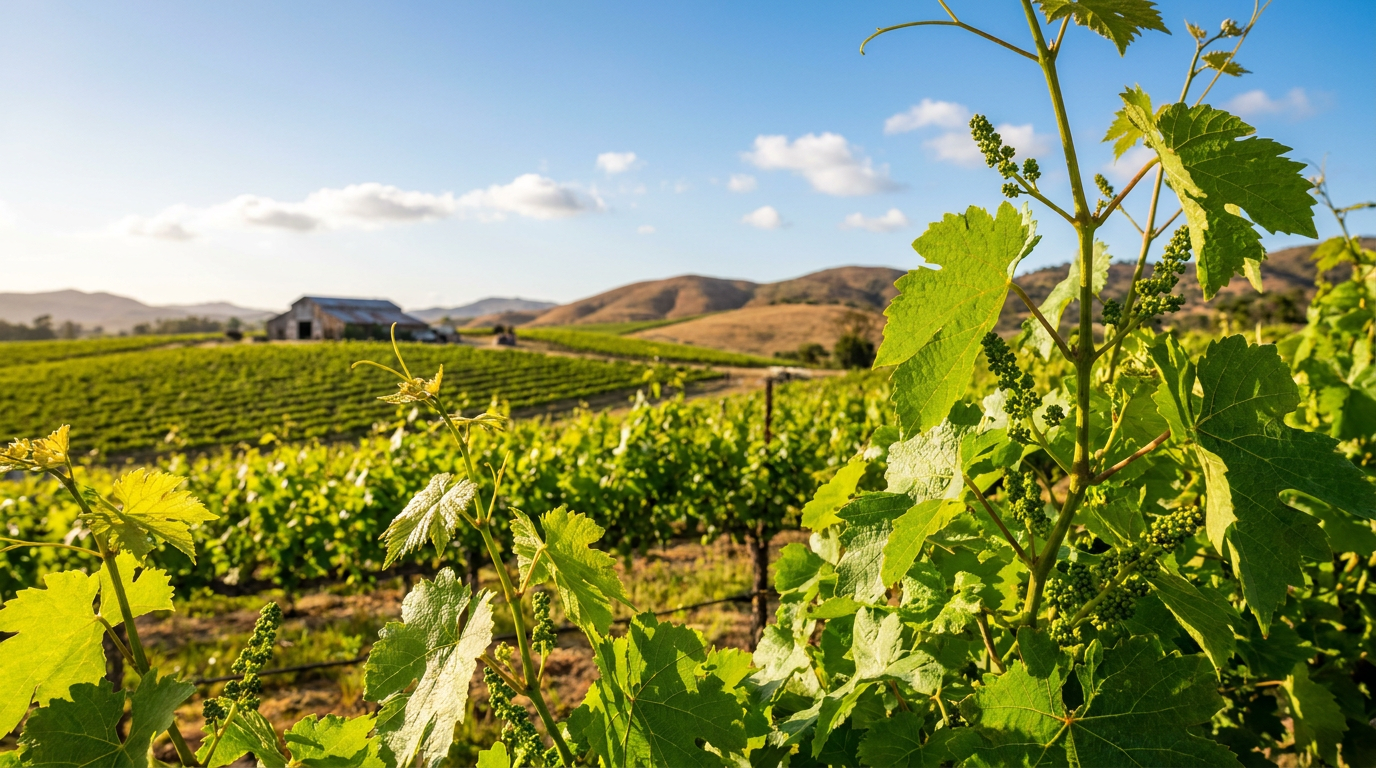
The transformation happening in Temecula vineyards right now is nothing short of magical. As temperatures stabilize and daylight hours extend, grape vines are entering their most critical growth phase of the year. What happens during these pivotal weeks will determine whether this vintage becomes exceptional or merely adequate.
May represents the sweet spot where winter’s dormancy gives way to explosive growth activity. The delicate balance of temperature, moisture, and sunlight creates conditions that either support healthy berry development or introduce challenges that winemakers will taste months later. For those invested in understanding how weather patterns shape wine quality, this period demands close attention to every meteorological detail.
The Science Behind Spring Growth Patterns
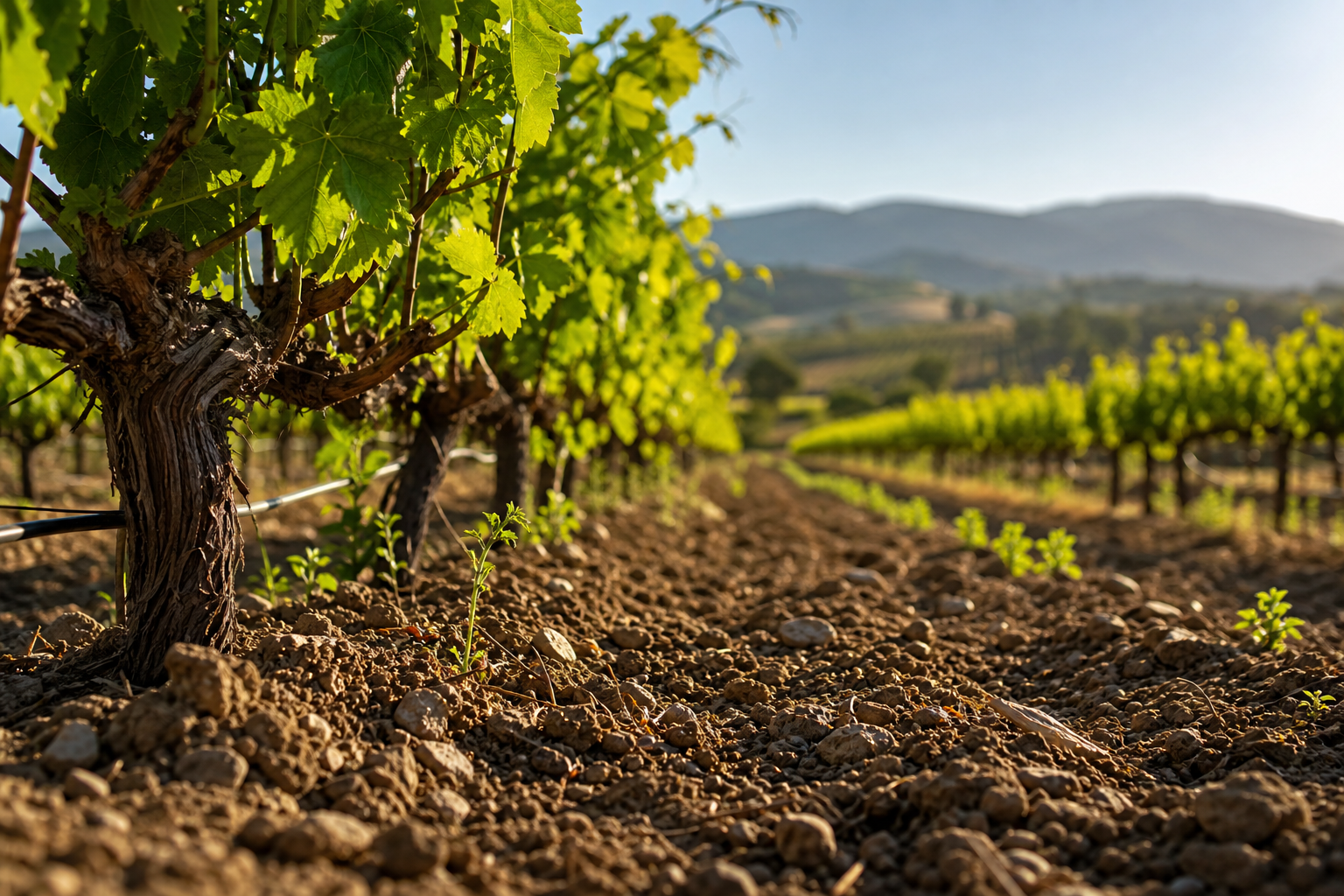
Grape vines operate on an internal clock triggered by accumulated heat units, measured as growing degree days. Once soil temperatures reach 50 degrees Fahrenheit consistently, dormant buds begin their awakening process. This biological switch activates carbohydrate stores accumulated during the previous growing season, fueling rapid shoot elongation and leaf development.
The magic happens at the cellular level where meristematic tissue divides rapidly, creating the framework for this year’s crop. Photosynthesis ramps up dramatically as leaf surface area expands, establishing the energy factory that will support berry development through harvest. Temperature consistency during this phase proves more valuable than occasional warm spikes, as vines respond better to steady conditions than dramatic fluctuations.
Temecula’s Mediterranean climate typically provides ideal conditions during May, with daytime temperatures ranging between 70 and 80 degrees. This range optimizes enzymatic activity within vine tissues while preventing stress responses that can shut down growth. When implementing sustainable farming practices, vineyard managers monitor these temperature patterns closely to time crucial interventions.
How Temperature Fluctuations Affect Berry Formation
Berry set represents one of viticulture’s most temperature-sensitive processes. During the brief window when flowers transition to small berries, even minor temperature swings can dramatically impact cluster formation. Temperatures below 55 degrees or above 95 degrees during flowering can cause poor fruit set, resulting in loose clusters with reduced berry counts.
The cellular division occurring within developing berries requires stable energy input from photosynthesis. Cool nights help preserve acids and aromatics while warm days drive sugar accumulation and flavor compound development. This diurnal temperature variation becomes the signature of exceptional vintages, creating complexity that distinguishes premium wines from ordinary ones.
Frost events during late May, though rare in Temecula, can devastate tender shoots and developing clusters. The damage extends beyond immediate tissue death, as stressed vines redirect energy toward recovery rather than optimal berry development. Understanding these relationships helps winery teams make informed decisions about protective measures and harvest planning.
Timing of Flowering and Its Long-Term Implications
Flowering typically occurs 6-8 weeks after bud break, marking the transition from vegetative growth to reproductive development. The precise timing depends on accumulated heat units and variety-specific requirements. Earlier flowering varieties like Chardonnay complete this process before later varieties such as Cabernet Sauvignon, creating a natural harvest sequence.
Weather conditions during the 10-day flowering window determine cluster architecture and berry size distribution. Warm, dry conditions promote successful pollination and uniform berry set. Rain or excessive humidity can interfere with pollen release and fertilization, leading to millerandage (uneven berry sizes) or coulure (poor fruit set).
The relationship between winter dormancy patterns and flowering success becomes apparent during May observations. Vines that experienced optimal winter chilling produce more uniform flowering and better cluster development. This connection between seasons highlights viticulture’s long-term perspective, where decisions made months earlier influence current outcomes.
Moisture Requirements During Early Development
Water availability during May affects both immediate growth and long-term vine balance. Adequate soil moisture supports rapid cell division and shoot elongation while preventing water stress that can limit photosynthetic capacity. However, excessive moisture can promote vigorous vegetative growth at the expense of fruit development.
Root zone moisture content influences nutrient uptake efficiency, particularly for nitrogen and potassium essential for healthy berry development. Modern irrigation management systems allow precise control over water delivery, matching vine needs with weather conditions. This precision becomes crucial as climate patterns become increasingly variable.
The interplay between natural rainfall and supplemental irrigation requires careful calibration. Too little water stresses developing berries, while excessive moisture can dilute flavors and promote disease pressure. Successful vineyard managers balance these factors while considering long-term soil health and vine longevity.
Temperature Extremes and Their Vineyard Consequences
Managing Heat Stress in Young Clusters
Young grape clusters face their most vulnerable period during May when sudden temperature spikes can devastate developing fruit. Heat stress typically occurs when temperatures exceed 90°F for consecutive days, causing cluster dehydration and berry shrinkage that ultimately impacts vintage quality.
Vineyard managers in Temecula implement several protective measures during these critical weeks. Misting systems activate automatically when temperatures reach 85°F, creating a cooling microclimate around developing clusters. This technique reduces ambient temperature by 8-10 degrees while maintaining optimal humidity levels for continued grape development.
Row orientation becomes crucial during heat management strategies. North-south planted rows provide better air circulation and reduce afternoon sun exposure on vulnerable clusters. Many winery operations also utilize reflective mulch between vine rows, redirecting excessive heat away from the fruit zone while conserving soil moisture.
Timing of protective measures matters significantly. Early morning irrigation before 6 AM allows vines to absorb moisture before peak heat periods. This scheduling prevents thermal shock that occurs when cold water hits sun-heated foliage during afternoon applications.
Frost Protection Strategies for Late-Season Cold Snaps
May frost events, while less common than April occurrences, pose serious threats to newly formed grape clusters. Temperature drops below 32°F can destroy tender buds and young berries, potentially reducing yields by 30-50% depending on exposure duration.
Wind machines remain the most effective frost protection method for large vineyard blocks. These 40-foot tall fans pull warmer air from upper atmospheric layers, creating temperature inversions that protect developing fruit. Properly positioned machines can raise vineyard temperatures by 4-6 degrees during critical frost periods.
Vineyard heating systems provide targeted protection for premium vine blocks. Smudge pots and propane heaters create localized warm zones around valuable varietals. However, fuel costs and environmental considerations make this approach viable only for high-value grape development areas.
Sprinkler systems offer another protection method through ice encasement. While counterintuitive, water spray creates protective ice shells around clusters, maintaining internal temperatures at 32°F even when ambient temperatures drop further. This technique requires precise timing and adequate water pressure to ensure complete coverage.
Optimal Temperature Ranges for Different Varietals
Different grape varieties respond uniquely to May temperature fluctuations, requiring tailored management approaches for optimal vintage development. Cabernet Sauvignon tolerates higher temperatures (up to 95°F) better than Pinot Noir, which struggles above 85°F during cluster formation.
Cool-climate varietals like Chardonnay and Pinot Grigio prefer consistent temperatures between 70-80°F during May development. These grapes maintain better acidity levels when protected from extreme heat, preserving the crisp character desired in finished wines. Vineyard microclimates created through strategic plantings of these varieties on north-facing slopes help maintain optimal temperature ranges.
Warm-climate varietals including Zinfandel and Petite Sirah actually benefit from controlled heat exposure during cluster development. Temperatures reaching 90-95°F encourage proper berry sizing and skin development, contributing to the bold characteristics expected from these varieties. However, even heat-loving grapes require protection from extreme spikes above 100°F.
Implementing proper soil preparation from earlier seasons helps vines regulate temperature stress naturally. Well-prepared soils retain moisture more effectively, providing consistent root zone temperatures that support stable cluster development regardless of surface temperature variations.
Canopy Management During Temperature Swings
Strategic canopy manipulation provides natural climate control for developing grape clusters during volatile May weather patterns. Leaf positioning and shoot training create protective microclimates that buffer temperature extremes while maintaining adequate sun exposure for photosynthesis.
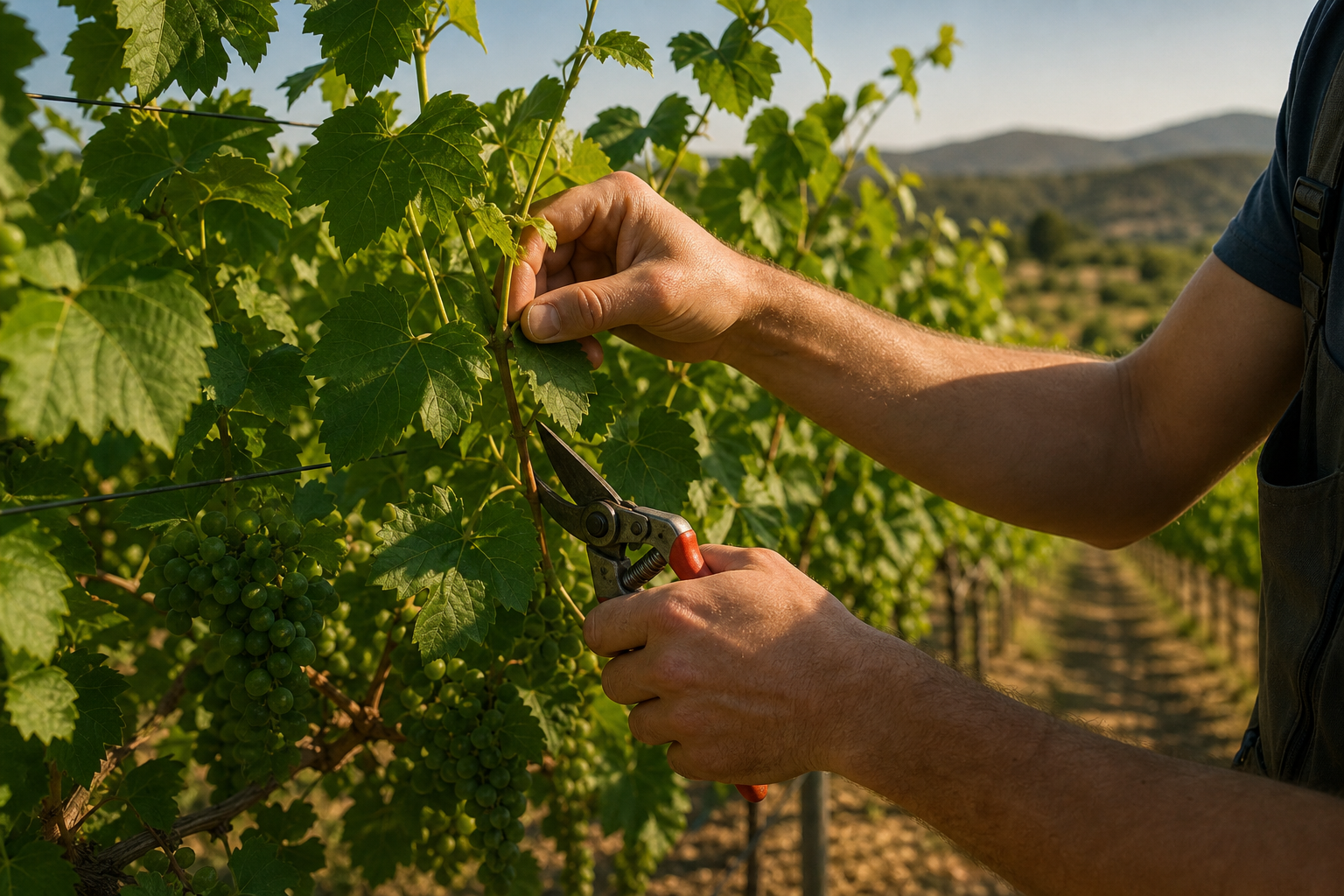
Partial defoliation around cluster zones improves air circulation during hot periods while maintaining enough foliage for vine health. Removing 20-30% of leaves in the fruit zone prevents heat buildup while preserving the vine’s ability to produce energy through photosynthesis. This balanced approach requires careful timing to avoid exposing clusters to sudden temperature changes.
Shoot positioning systems allow precise control over cluster exposure throughout changing weather conditions. Adjustable wire systems enable vineyard workers to modify canopy density quickly as temperature forecasts change. This flexibility proves essential during May’s unpredictable weather patterns when conditions can shift dramatically within 24-hour periods.
Understanding how these management decisions affect future barrel aging helps winemakers make informed choices during critical development periods. Proper temperature management during May cluster formation directly influences tannin development and sugar concentration, factors that determine optimal harvest timing and aging strategies months later.
Precipitation Patterns and Vine Health Management
Balancing Soil Moisture for Root Development
May’s variable precipitation creates critical windows for root establishment that directly impact vintage quality. Temecula’s Mediterranean climate typically delivers 0.5 to 1.2 inches during this period, but irregular distribution patterns can stress developing vine systems. Young vines require consistent moisture penetration to 18-24 inches depth, while established rootstock benefits from controlled water stress to encourage deeper root exploration.
Soil moisture sensors placed at multiple depths reveal how march weather patterns set the foundation for May’s hydration needs. Clay-heavy vineyard blocks retain moisture longer but risk waterlogging, while sandy soils drain quickly and may require supplemental irrigation even after significant rainfall events.
Successful moisture management involves monitoring soil temperature alongside precipitation totals. When soil temperatures reach 60-65°F and moisture levels stabilize at 70-80% field capacity, root growth accelerates dramatically. This optimal zone typically occurs for 10-14 days in May, making precise water management essential during this narrow window.
Disease Prevention in High-Humidity Conditions
May’s combination of warming temperatures and spring moisture creates ideal conditions for powdery mildew and downy mildew development. Humidity levels above 75% for extended periods trigger spore germination, while temperatures between 68-77°F accelerate fungal growth exponentially. Early morning fog, common in Temecula’s valleys, extends these dangerous humidity periods.
Preventive fungicide applications typically begin when shoots reach 4-6 inches, but May weather patterns often compress this timeline. A single week of high humidity can advance disease pressure by three weeks compared to dry conditions. Copper-based treatments remain most effective, but application timing becomes critical when rain threatens to wash protective barriers away.
Air circulation management through strategic cover crop management reduces humidity pockets around developing clusters. Removing excess vegetation from the vine’s interior creates airflow channels that accelerate leaf drying after precipitation events. This cultural practice often proves more valuable than chemical interventions alone.
Drainage Solutions for Excessive Spring Rainfall
Excessive May precipitation can flood vine rows within hours, creating anaerobic soil conditions that damage feeder roots permanently. Temecula’s varied topography means water accumulates differently across vineyard blocks, with some areas requiring immediate intervention while others self-drain naturally. French drains installed between rows provide emergency overflow capacity during extreme weather events.
Soil compaction from heavy machinery during wet periods creates long-term drainage problems that persist through harvest. Even light equipment can compress soil structure when moisture content exceeds 25%, reducing pore space that roots need for oxygen exchange. Many experienced winery operations suspend all vineyard traffic during active precipitation periods.
Strategic mounding between vine rows creates micro-drainage channels that redirect excess water toward collection points. These temporary modifications, combined with cover crop root channels from winter growth, form natural drainage networks that activate during heavy rainfall. The investment in proper drainage infrastructure often determines whether a challenging May weather pattern becomes a complete vintage loss or manageable stress event.
Irrigation Adjustments Based on Natural Precipitation
Precise irrigation scheduling becomes complex when natural precipitation varies significantly from historical averages. Modern vineyard management relies on evapotranspiration calculations that factor current weather data, but May’s unpredictable patterns often require real-time adjustments to avoid over-watering stress. Vine water status monitoring through pressure chamber readings provides objective data when visual assessment becomes unreliable.
Drip irrigation systems require recalibration when significant rainfall alters soil moisture distribution patterns. Emitter flow rates calculated for dry conditions can create localized flooding when combined with unexpected precipitation. Smart irrigation controllers now integrate weather station data automatically, but experienced vineyard managers still verify system performance manually during transitional periods.
Water storage capacity becomes crucial during May’s feast-or-famine precipitation cycles. Reservoirs filled during heavy rainfall periods provide irrigation security during subsequent dry spells, but storage timing must account for water quality changes over time. Proper water management during May often determines irrigation costs and vine health throughout the growing season, making this month’s decisions critical for both current vintage quality and long-term vineyard sustainability.
Wind and Storm Protection for Developing Vines
Protecting Tender Shoots from Wind Damage
May’s developing grape shoots are particularly vulnerable to wind damage, representing one of the most critical periods for vineyard protection. These tender shoots, often reaching 12-18 inches during this growth phase, can snap easily under sustained winds exceeding 25 mph. The cellular structure of new growth lacks the lignification that provides strength to mature canes, making protection strategies essential for preserving the current vintage’s potential.
Windbreak installation becomes crucial during this period, with temporary measures often supplementing permanent plantings. Strategic positioning of wind barriers can reduce wind velocity by up to 50% in protected zones, creating microclimates that allow shoots to develop properly. Many successful vineyards utilize portable windbreaks made from specialized fabric materials that can be repositioned based on prevailing wind patterns throughout the growing season.
Timing vineyard activities around weather forecasts proves equally important. When wind advisories are issued, experienced vineyard managers postpone activities like canopy management or mechanical cultivation that might stress already vulnerable vines. This careful scheduling approach at our winery operations helps maintain shoot integrity during critical development phases.
Trellising Systems for Storm Resilience
The foundation of storm protection lies in robust trellising systems designed to withstand extreme weather events. High-tensile wire systems, properly tensioned and anchored, can handle wind loads that would destroy inadequately supported vines. Post spacing at 20-24 foot intervals provides optimal support while maintaining cost effectiveness, though areas prone to severe weather may require closer spacing.
Catch wire installation during May becomes essential as shoots reach lengths requiring additional support. These supplementary wires, positioned 12-15 inches above the fruiting wire, prevent shoot breakage during sudden wind gusts. The technique involves carefully lifting shoots into position without damaging delicate growing tips, requiring experienced labor and proper timing coordination.
Modern trellising incorporates flexible elements that allow controlled movement during storm events. Systems utilizing breakaway components prevent catastrophic failure by allowing controlled give under extreme loads. This engineering approach protects the vine structure while accepting minor damage to replaceable hardware components.
Hail Protection Methods and Their Effectiveness
Hail protection represents one of the most challenging aspects of vineyard weather management, with May hailstorms capable of destroying entire vintage potential within minutes. Netting systems provide the most reliable protection, though installation costs can exceed $8,000 per acre. These specialized nets must withstand hail impact while allowing adequate light penetration for photosynthesis and air circulation for disease prevention.
Weather radar monitoring has revolutionized hail protection strategies, providing 15-30 minute advance warning for approaching storms. This lead time allows vineyard crews to deploy emergency protection measures or activate overhead sprinkler systems that can dissipate hail energy through ice formation. Water application rates of 0.3-0.5 inches per hour create protective ice shells around developing clusters.
Crop insurance considerations factor heavily into hail protection decisions. Premium calculations often reflect implemented protection measures, with comprehensive netting systems qualifying for reduced rates. Understanding policy coverage details helps vineyard operators balance protection costs against potential losses, particularly during vulnerable development periods like May’s rapid growth phase.
Recovery Protocols After Severe Weather Events
Post-storm assessment requires immediate action to minimize long-term vintage impact. Within 24-48 hours of severe weather, damaged shoots must be evaluated for salvageability. Shoots with intact growing tips can often recover fully, while those with damaged apical meristems require removal to prevent disease entry points and redirect vine energy to healthy growth.
Wound treatment becomes critical following storm damage, with copper-based fungicides applied to prevent infection at damage sites. Timing these applications requires careful consideration of weather conditions, as rain within 6-8 hours can reduce treatment effectiveness. Professional vineyard management often involves coordinating with specialized teams who understand proper application techniques and timing protocols.
Recovery pruning techniques focus on redirecting vine energy toward remaining healthy shoots. This process involves removing severely damaged wood while preserving viable growing points that can contribute to current vintage development. Proper pruning cuts, made at slight angles to promote healing, help vines compartmentalize damage and resume normal growth patterns.
Documentation of storm damage supports insurance claims while providing valuable data for future protection planning. Photographic evidence, combined with detailed damage assessments, helps establish patterns that inform long-term vineyard protection strategies and investment decisions for enhanced weather resilience.
Monitoring and Adjustment Strategies
Essential Weather Tracking Tools for Vineyards
Modern vineyard management relies on precise weather monitoring systems that capture real-time data throughout the growing season. Digital weather stations positioned strategically across vineyard blocks provide continuous temperature readings, humidity levels, wind speed measurements, and precipitation data. These stations typically record conditions every fifteen minutes, creating a comprehensive picture of microclimate variations that directly influence grape development weather patterns.
Sophisticated monitoring equipment includes soil temperature probes at multiple depths, leaf wetness sensors, and UV radiation meters. Many Temecula wineries utilize wireless sensor networks that transmit data directly to smartphone applications, allowing vineyard managers to track conditions remotely. Professional-grade systems often integrate with weather forecasting services, providing extended outlook data that helps predict upcoming challenges before they impact vine health.
Handheld moisture meters and refractometers complement automated systems by offering precise field measurements. These portable tools enable quick assessment of soil conditions and grape sugar levels during routine vineyard walks. Advanced operations employ drone technology equipped with thermal imaging cameras to identify temperature variations across large vineyard areas, revealing potential stress zones that might not be visible from ground level.
Daily Assessment Techniques for Vine Health
Effective vine monitoring begins with systematic morning inspections during cool temperatures when stress indicators are most apparent. Experienced vineyard managers examine leaf color, turgor pressure, and shoot growth patterns as primary indicators of plant response to recent weather conditions. Visual assessment of canopy density helps determine whether vines are receiving adequate sunlight penetration for optimal grape development.
Regular sampling protocols involve collecting representative grape clusters from different vineyard zones to track sugar accumulation, acid retention, and phenolic development. These samples undergo laboratory analysis weekly during critical ripening periods, with results compared against historical data to identify weather-related deviations from normal maturation patterns. Consistent sampling techniques ensure accurate vintage wine production forecasting.
Documentation includes photographing vine conditions, recording growth measurements, and noting any signs of water stress or disease pressure. Digital record-keeping systems allow managers to correlate daily observations with corresponding weather data, building a comprehensive database that improves future decision-making. Many operations schedule activities around these assessment routines to maximize data collection efficiency.
When to Implement Emergency Interventions
Critical intervention thresholds are established based on specific weather parameters that threaten grape quality or vine survival. Temperature extremes exceeding 105°F trigger immediate protective measures, including deployment of shade cloth systems and activation of cooling irrigation protocols. Conversely, unexpected frost warnings below 32°F during budbreak require rapid deployment of wind machines or overhead sprinkler systems to prevent tissue damage.
Precipitation events exceeding two inches within 24 hours often necessitate emergency drainage procedures and fungicide applications to prevent moisture-related diseases. Sustained periods of high humidity above 85% combined with temperatures between 70-80°F create ideal conditions for powdery mildew and botrytis, requiring immediate spray programs regardless of planned treatment schedules.
Wind events with sustained speeds above 25 mph may damage delicate new growth or interfere with pollination during flowering. Emergency interventions include installation of temporary windbreaks and adjustment of canopy management practices to reduce wind exposure. Hail threats require deployment of protective netting systems, though these interventions must be balanced against potential negative impacts on vine growth and air circulation.
Documentation for Future Vintage Planning
Comprehensive record-keeping systems capture detailed correlations between weather patterns and grape development outcomes throughout each growing season. Daily weather logs include maximum and minimum temperatures, precipitation amounts, wind conditions, and humidity readings alongside corresponding vine phenology observations. This data forms the foundation for understanding how vineyard weather impact influences vintage characteristics over multiple years.
Annual reports summarize key weather events and their documented effects on grape development, harvest timing, and final wine quality parameters. These historical analyses help predict optimal harvest windows and guide vineyard management decisions for subsequent seasons. Professional operations maintain detailed block-by-block records that account for microclimate variations across different vineyard areas.
Integration with harvest data creates valuable predictive models for future vintage planning. By correlating specific weather patterns with resulting wine quality scores and commercial success, vineyard managers develop sophisticated forecasting capabilities. Guests on vineyard visits often find these documented weather relationships fascinating, as they illustrate the complex interplay between climate and wine character that defines each unique vintage year.
Long-Term Impact on Harvest Quality and Timing
Predicting Harvest Dates Based on May Conditions
May weather patterns serve as reliable predictors for harvest timing throughout Temecula’s wine country. Warm May temperatures typically accelerate vine development, potentially pushing harvest dates two to three weeks earlier than average. This creates ripple effects across the entire vineyard operation, from labor scheduling to fermentation tank availability.
Temperature accumulation during May, measured in growing degree days, directly correlates with sugar development and acid retention in grapes. Cool May conditions often extend the growing season into late October, while unseasonably warm weather can trigger harvest as early as mid-August. Smart vineyard managers track these thermal patterns to adjust their operational calendars accordingly.
Precipitation timing during May also influences harvest predictions. Late spring rains can delay flowering and fruit set, extending the timeline by weeks. Conversely, dry conditions accelerate maturity but might stress vines if moisture reserves become depleted. These variables help experienced winemakers anticipate not just when grapes will ripen, but what quality characteristics they might expect.
Quality Indicators Established in Early Development
The foundation of exceptional wine begins with May’s grape development phase. Cluster architecture, berry size uniformity, and initial sugar-to-acid ratios are largely determined during this critical window. Consistent temperatures during May typically produce more uniform berry development, leading to even ripening and balanced flavor profiles.
Stress indicators appearing in May often persist throughout the growing season. Water stress during early development can result in smaller berries with concentrated flavors, which many winery operations actually prefer for premium red varietals. However, excessive stress can lead to uneven ripening and harsh tannin development.
Canopy health established in May influences photosynthetic efficiency for the entire season. Well-developed leaf canopies during this period ensure adequate sugar production and flavor compound development later in the season. Vineyard managers often make crucial decisions about crop thinning and canopy management based on May observations, knowing these choices will impact final wine quality.
Adjusting Winemaking Plans for Weather-Affected Fruit
Winemakers begin adapting their production strategies based on May weather conditions months before harvest arrives. Cool, wet May weather often signals the need for extended maceration periods and gentle extraction techniques to compensate for potentially lower concentration levels. These conditions might also require adjustments to fermentation temperatures and timing.
Warm May conditions typically produce fruit with higher sugar content and potentially lower acidity. Experienced winemakers prepare for these scenarios by planning acid additions, considering earlier harvest dates, and adjusting fermentation protocols. Some might even source grapes from different vineyard blocks to create blends that achieve better balance.
Equipment allocation and cellar space planning also shift based on May observations. Variable weather patterns might require additional sorting equipment to handle uneven ripening, or extra fermentation capacity if multiple vineyard blocks reach maturity simultaneously. These operational adjustments often determine the difference between good and exceptional vintage years.
Market Considerations for Variable Vintage Years
May weather conditions directly influence marketing strategies for the resulting vintage. Challenging weather years often require more extensive consumer education about the wine’s unique characteristics and aging potential. Conversely, ideal May conditions create marketing opportunities around “perfect vintage” narratives that resonate with wine enthusiasts.
Pricing strategies also adapt to May-influenced quality expectations. Variable weather patterns might result in smaller production volumes but potentially higher quality concentrations, justifying premium pricing for limited releases. Some wineries use May conditions to pre-market their wines, building anticipation for exceptional vintages or preparing consumers for interesting variations.
The beauty of understanding May weather impact lies in appreciating how nature shapes each vintage’s unique personality. While challenging conditions require adaptation and skill, they often produce the most memorable and distinctive wines. Whether you’re planning a wine tour to learn about vintage variations or seeking wines that showcase specific weather influences, exploring how May weather translates into bottle character adds depth to every tasting experience. Visit our shop wines collection to discover how different vintage conditions have shaped our portfolio, and taste firsthand how May weather becomes liquid poetry in the glass.