
Summer Solstice Wine Release Traditions at Boutique Wineries
The Ancient Roots of Solstice Wine Celebrations
When the longest day of the year arrives, something magical happens in boutique wineries across the globe. The summer solstice marks more than just peak daylight—it represents a pivotal moment where ancient agricultural wisdom meets modern winemaking artistry. This celestial event has shaped wine traditions for millennia, creating a bridge between the mystical rhythms of nature and the precise craft of viticulture.
What makes solstice wine releases particularly special isn’t just their timing. These events tap into deep-rooted cultural connections that span from ancient harvest festivals to contemporary boutique winery celebrations, where each bottle tells a story written in starlight and soil.
Historical Connection Between Harvest Cycles and Celestial Events
Ancient civilizations understood what modern science confirms: celestial events directly influence agricultural cycles. Egyptian vintners tracked the solstices to time their grape cultivation, while Roman agricultural texts detail how maximum daylight exposure during the summer solstice creates optimal conditions for grape maturation.
The connection runs deeper than simple timing. Historical records from Mediterranean wine regions show that solstice periods were considered sacred moments when the earth’s energy peaked. Winemakers believed (and many still do) that grapes harvested or aged during these periods carry enhanced character and complexity.
Archaeological evidence from ancient wineries reveals ceremonial spaces aligned with solstice sunrise positions. These weren’t mere architectural choices—they reflected a fundamental understanding that wine production is intimately connected to cosmic rhythms. The tradition of releasing wines during solstice periods emerged from this belief that celestial timing enhances both the wine’s quality and its spiritual significance.
How European Wine Regions Influenced Modern Solstice Traditions
European wine regions, particularly in France and Italy, established formal solstice celebration protocols that boutique wineries worldwide now adapt. Burgundian traditions include candlelit tastings that mirror ancient fire festivals, while Tuscan wineries developed elaborate feast ceremonies centered around solstice wine unveilings.
These Old World practices emphasized community gathering and seasonal reverence. French vignerons created the concept of “cuvée solstice”—special blends reserved exclusively for solstice releases. This practice crossed oceans, influencing California’s boutique wine scene where intimate gatherings became hallmarks of solstice celebrations.
German Riesling producers contributed the tradition of extended daylight tastings, utilizing the solstice’s extra hours for comprehensive sensory experiences. Their approach of matching wine complexity to daylight duration became a template for modern boutique wineries designing immersive seasonal tasting experiences throughout the year.
The Role of Light and Terroir in Seasonal Wine Production
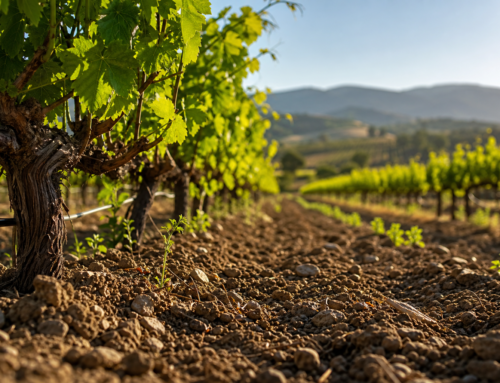
Maximum daylight exposure during summer solstice creates unique terroir conditions that boutique wineries leverage for special releases. Extended light periods increase photosynthetic activity in grape leaves, concentrating sugars and developing complex phenolic compounds that define premium wines.
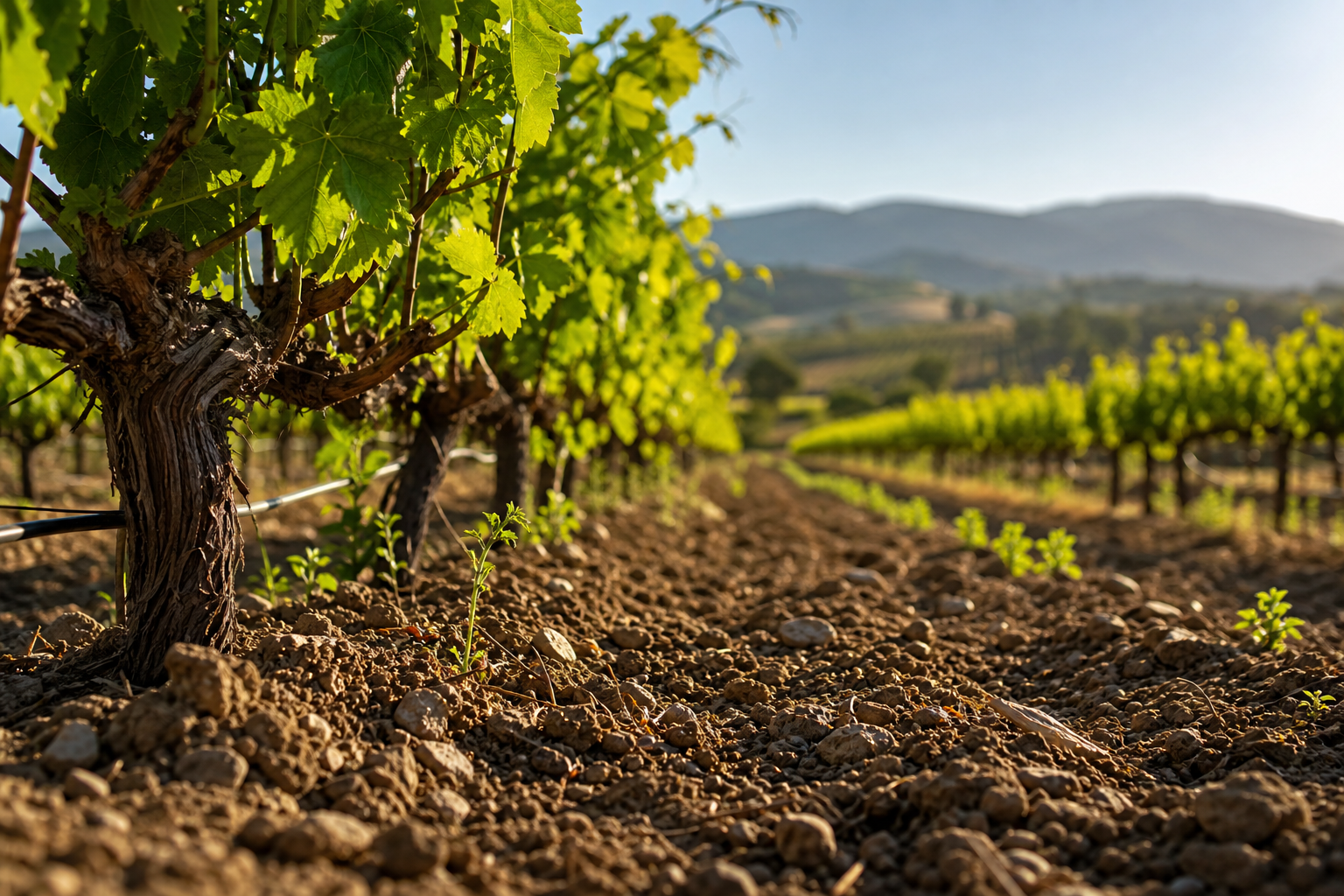
Terroir expression reaches its peak during solstice periods because soil temperatures, moisture retention, and mineral availability align optimally. This convergence creates what winemakers call “terroir windows”—brief periods when environmental conditions perfectly showcase a vineyard’s unique characteristics.
Modern viticulture research confirms that grapes exposed to peak solstice conditions develop enhanced aromatic profiles. The extended daylight triggers specific metabolic pathways in grape skins, creating compounds that contribute to distinctive flavor notes. Boutique wineries capitalize on this by scheduling releases to showcase these solstice-influenced characteristics.
Temperature variations during solstice periods also play crucial roles. Cool nights following intense daylight exposure create ideal conditions for acid retention while maintaining sugar development—the perfect balance for exceptional vintage expression.
Modern Revival of Ancient Winemaking Rituals
Contemporary boutique wineries are rediscovering and adapting ancient solstice rituals with sophisticated modern approaches. Biodynamic producers schedule their most significant cellar activities around solstice timing, believing cosmic forces enhance fermentation and aging processes.
This revival isn’t purely ceremonial. Many wineries report measurable quality improvements when incorporating solstice timing into production schedules. The practice combines respect for traditional wisdom with data-driven modern techniques, creating unique marketing opportunities for boutique operations.
Digital age adaptations include virtual solstice celebrations where wine enthusiasts participate in global tasting events. These modern interpretations maintain the communal spirit of ancient festivals while expanding reach beyond physical vineyard boundaries. The result is a renaissance of interest in seasonal wine appreciation that drives both cultural engagement and commercial success for participating wineries.
Planning Your Solstice Wine Release Event
Timing Your Release with Peak Vineyard Season
The summer solstice arrives during peak growing season when your vines showcase their most vibrant energy. Scheduling your summer solstice wine release requires careful coordination with vineyard operations to create an authentic experience that celebrates both past vintages and current growth cycles.
Plan your solstice event for the weekend closest to June 21st when daylight hours reach their maximum. This timing allows guests to experience the magical golden hour that stretches well into the evening. The extended daylight also means your vineyard rows will be illuminated perfectly for those Instagram-worthy moments that drive social media engagement.
Consider the practical aspects of harvest timing when planning. If you’re releasing a previous year’s vintage, the contrast between mature wines and young, developing fruit creates compelling storytelling opportunities. Your sommelier can guide guests through wine tasting experiences that highlight how seasonal changes influence flavor development over time.
Creating Atmospheric Evening Experiences for Wine Club Members
Transform your vineyard into an enchanted evening venue that honors both ancient solstice traditions and modern wine appreciation. String lights throughout the vine rows to create a constellation effect as natural daylight gradually fades. This lighting approach extends the magic without overwhelming the natural beauty of your landscape.
Design your event flow around the changing light conditions. Begin with cellar tours during the afternoon heat, allowing guests to experience the cool underground environment while learning about your aging processes. As temperatures drop and golden hour approaches, transition to outdoor tastings among the vines where guests can connect directly with the terroir.
Wine club members expect exclusive access and personalized attention during special events. Create intimate tasting stations throughout your property, each featuring different varietals paired with seasonal bites. This approach allows for meaningful conversations while preventing overcrowding at any single location. Consider incorporating activities that engage multiple senses beyond just taste and smell.
Coordinating with Local Artisans and Food Partners
Summer solstice celebrations provide perfect opportunities to showcase Temecula’s vibrant artisan community alongside your wines. Partner with local chefs who understand how seasonal ingredients complement specific varietals in your current release. Fresh summer produce from nearby farms creates authentic farm-to-table experiences that resonate with conscious consumers.
Collaborate with local musicians to provide ambient soundscapes that enhance rather than overpower conversation. Acoustic guitarists or small string ensembles work particularly well during the transition from daylight to twilight. The goal is creating atmosphere that encourages guests to linger and savor both wines and company.
Consider partnerships with local artisans who can demonstrate traditional crafts during your event. Pottery demonstrations, leather working, or even small-batch soap making create engaging focal points while guests move between tasting stations. These collaborations often lead to cross-promotional opportunities that benefit the entire local business community.
Weather Contingencies for Outdoor Vineyard Events
Southern California’s summer weather patterns require careful contingency planning despite generally favorable conditions. June evenings in Temecula typically feature comfortable temperatures, but unexpected heat waves or marine layer intrusions can significantly impact guest comfort and wine quality during outdoor events.
Develop flexible venue configurations that work both indoors and outdoors. Your tasting room should accommodate the full guest list if weather forces a last-minute venue change. Portable shade structures and cooling stations become essential when temperatures exceed 85 degrees during afternoon setup periods.
Monitor weather forecasts closely during the week leading up to your event. Wind conditions particularly affect outdoor wine service, as gusts can carry dust into glasses and disrupt aromatic experiences. Having enclosed backup locations preserves the intimate atmosphere while protecting both guests and wines from environmental factors.
Create communication protocols for weather-related adjustments. Your wine club members invest significant time and resources attending special events, so clear, timely updates about any changes demonstrate respect for their commitment. Consider offering makeup dates or special perks when weather forces major modifications to planned programming.
Stock emergency supplies including sunscreen, light jackets for evening temperature drops, and additional water stations. These thoughtful touches show professional event management while ensuring guest safety and comfort throughout the extended celebration period.
Signature Elements That Define Boutique Solstice Celebrations
Limited Edition Blends and Vintage Unveilings
Boutique wineries distinguish their summer solstice celebrations by unveiling exclusive small-batch wines that capture the essence of this pivotal moment in the growing season. These limited releases often feature experimental blends that push creative boundaries, showcasing the winemaker’s artistry during the year’s longest day. Many Temecula wineries craft special reserve bottles exclusively for solstice events, with production runs typically limited to 50-200 cases.
The timing proves strategic beyond symbolism. Summer solstice marks the midpoint between harvest seasons, allowing winemakers to present previous vintage wines that have reached optimal maturity while teasing upcoming harvest possibilities. Guests experience rare library wines alongside barrel samples of developing vintages, creating an educational journey through time that only boutique producers can offer with such intimacy.
Incorporating Sunset Tastings and Golden Hour Photography
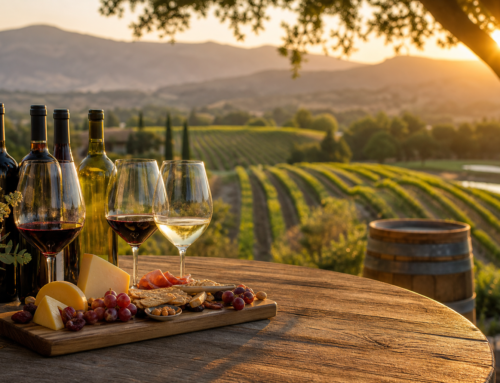
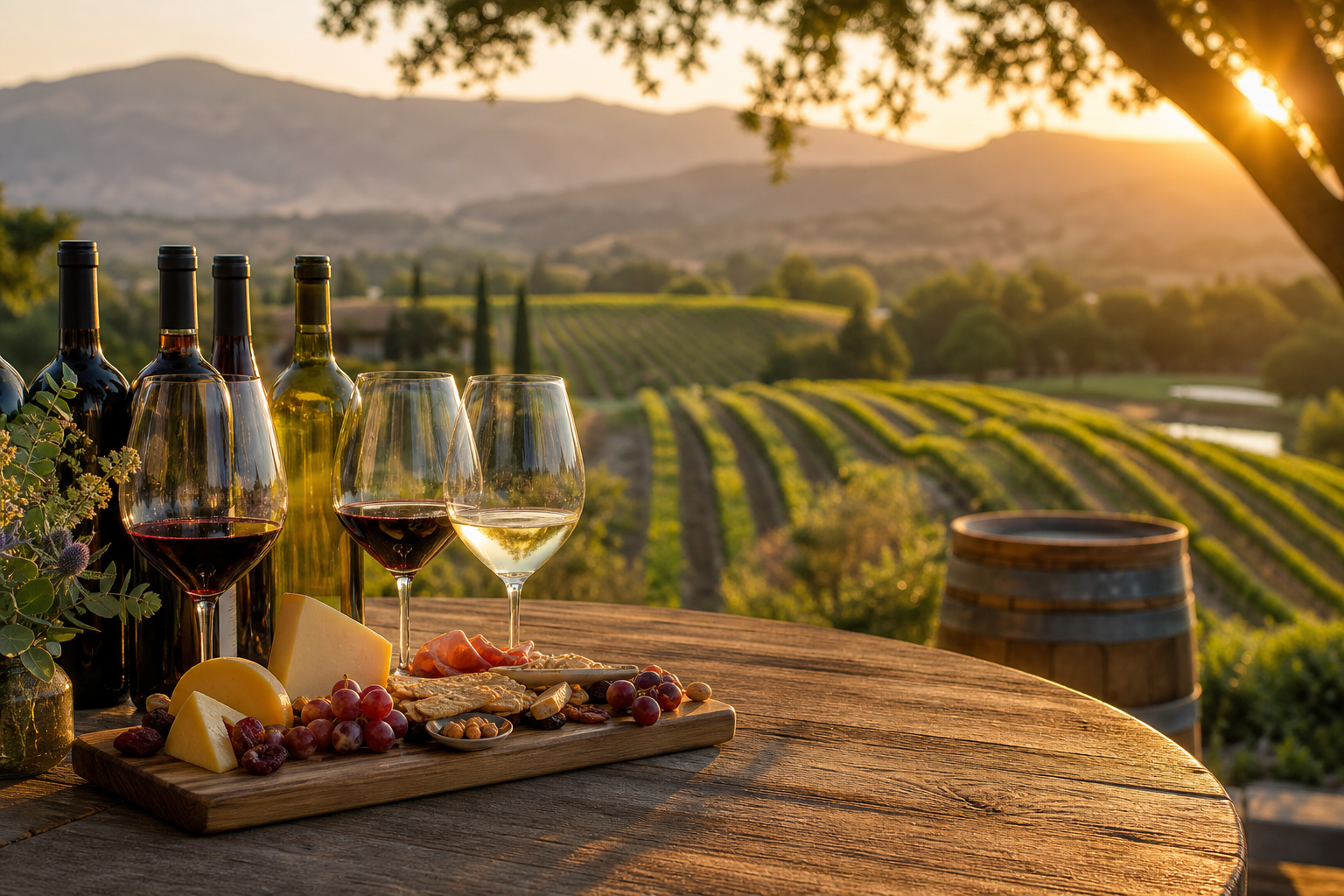
The extended daylight hours of summer solstice create unparalleled opportunities for wine tasting experiences that align with nature’s rhythm. Boutique wineries schedule tastings to peak during golden hour, when warm light enhances the visual appeal of wine colors and vineyard landscapes. This natural lighting transforms standard tasting rooms into photography studios, encouraging guests to capture and share their experience.
Professional photographers often partner with wineries during these events, offering complimentary portrait sessions among the vines. The combination of premium wines and Instagram-worthy moments creates powerful marketing momentum that extends far beyond the event itself. Guests become brand ambassadors, sharing their golden hour wine experience across social media platforms while the memory remains fresh and the lighting spectacular.
Traditional Music and Cultural Elements
Authentic solstice celebrations incorporate musical traditions that honor both ancient customs and local culture. Many boutique wineries feature acoustic performances that complement rather than compete with conversation, creating an atmosphere where wine education and entertainment blend seamlessly. Folk instruments like acoustic guitars, violins, and hand percussion provide organic soundscapes that enhance the vineyard’s natural ambiance.
Cultural elements extend beyond music to include storytelling about wine traditions, seasonal celebrations, and the historical significance of solstice in agricultural communities. These narrative components distinguish boutique events from commercial wine tastings, offering guests deeper connections to the land and winemaking heritage. The combination creates memorable experiences that guests associate specifically with smaller, more personal wine producers.
Sustainable Practices for Eco-Conscious Wine Enthusiasts
Boutique wineries leverage summer solstice events to showcase their commitment to environmental stewardship, appealing to increasingly eco-conscious consumers. These celebrations often feature zero-waste initiatives, locally sourced food pairings, and educational components about sustainable vineyard practices that demonstrate the winery’s ecological values in action.
Renewable energy demonstrations, compost education stations, and native plant showcases transform wine events into environmental learning experiences. Guests discover how sustainable farming practices enhance wine quality while protecting local ecosystems. This educational approach attracts environmentally minded consumers who value transparency and align their purchasing decisions with their personal values, creating loyal customer relationships that extend beyond single visits.
Interactive Experiences with Winemakers and Vineyard Tours
The intimate scale of boutique operations enables direct winemaker interaction that larger commercial operations cannot match. Summer solstice events feature walking conversations with winemakers who share technical insights, harvest predictions, and personal stories about their craft. These interactions provide authentic educational value that transforms casual visitors into knowledgeable wine enthusiasts.
Extended wine tours during solstice celebrations include behind-the-scenes access to barrel rooms, fermentation tanks, and vineyard sections typically closed to public visits. Guests participate in hands-on activities like grape sampling, soil examination, and harvest date predictions based on current grape development. These immersive experiences create emotional connections to the winemaking process that encourage repeat visits and wine club memberships.
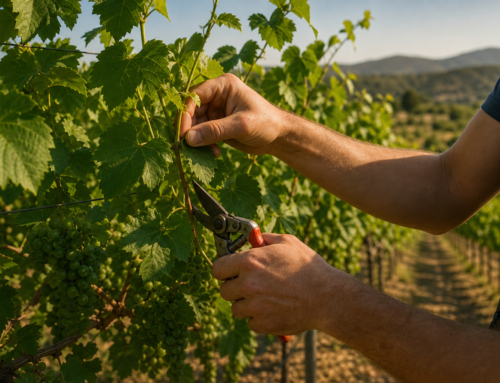
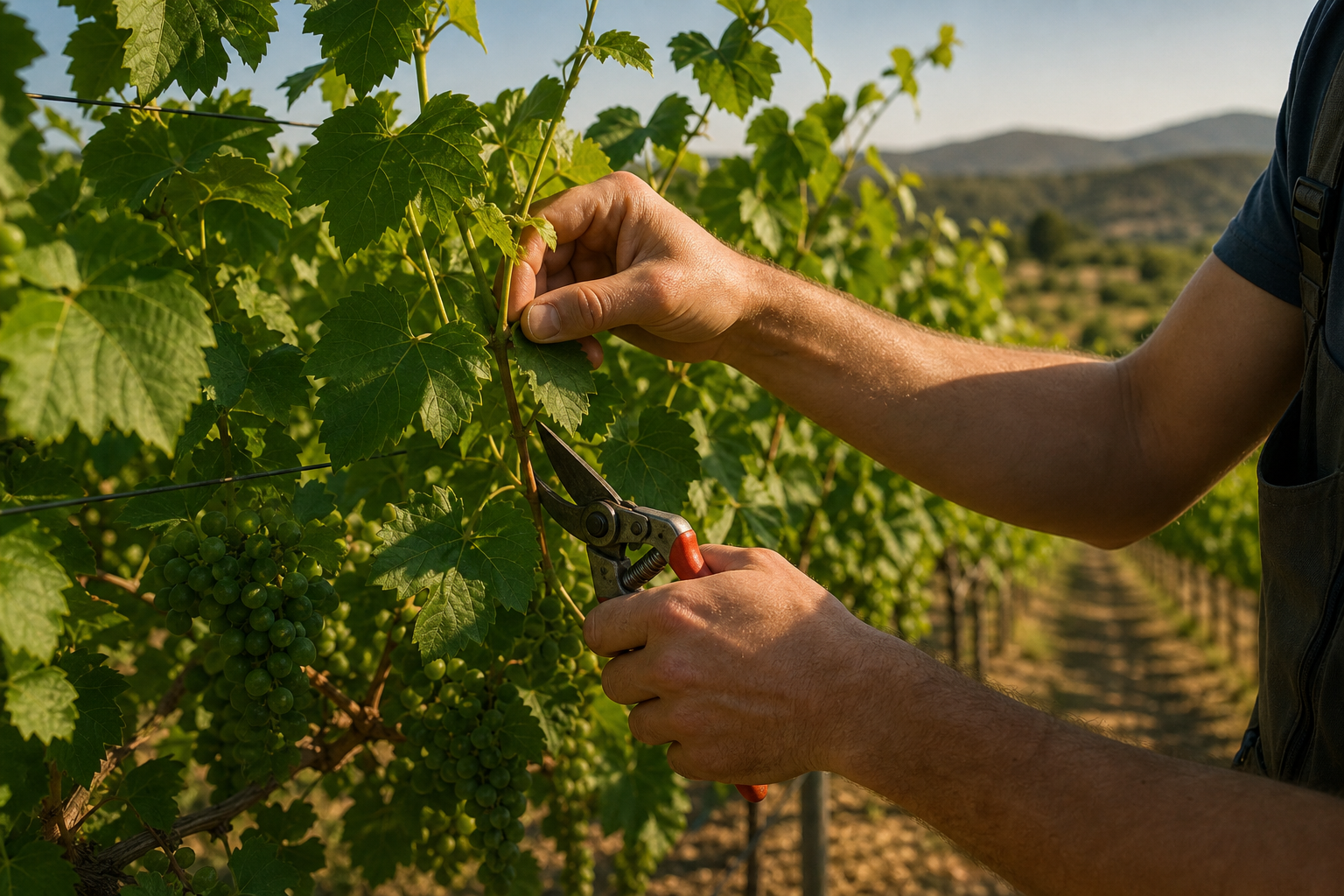
Special access to vineyard equipment, demonstration of pruning techniques, and explanation of canopy management strategies provide tangible learning opportunities that distinguish boutique winery visits from standard commercial tastings. The personal attention and specialized knowledge sharing create premium experiences that justify higher price points while building lasting customer relationships through genuine education and memorable interaction.
Marketing Your Summer Solstice Wine Event
Building Anticipation Through Pre-Release Campaigns
Successful summer solstice wine releases begin months before the actual event, with strategic campaigns that build excitement within Temecula’s wine community. Start your promotional efforts eight weeks prior to the solstice, using teaser emails that hint at the unique characteristics of your special release without revealing everything upfront.
Create countdown content that shares behind-the-scenes glimpses of the wine’s development process. Your members want to understand the craftsmanship behind each bottle, so document the final blending decisions, barrel tastings, and label design process. This transparency builds emotional investment in your release.
Consider offering pre-order opportunities exclusively to your wine club members, creating urgency through limited quantities. Many boutique wineries in Temecula find that 60-70% of their solstice releases sell out during the pre-order phase, making the exclusivity genuine rather than manufactured.
Email campaigns should include personal stories from your winemaker about what inspired this particular blend or vintage. These narratives transform a simple wine purchase into participation in your winery story, strengthening the connection between your brand and customers.
Leveraging Social Media for Event Documentation
Instagram and Facebook become powerful storytelling tools when you document the entire solstice celebration process, not just the final event. Share short videos of your team preparing the venue, setting up tasting stations, and arranging the special lighting that creates the magical solstice atmosphere.
Live streaming key moments of your celebration allows wine enthusiasts who couldn’t attend to participate virtually. Stream the sunset toast, the official release announcement, and brief interviews with guests about their tasting experience. This real-time content generates immediate engagement and encourages attendance at future events.
User-generated content becomes incredibly valuable when guests share their own photos and experiences. Create a unique hashtag for your solstice event and encourage guests to use it throughout the evening. Reposting guest content on your stories extends the event’s reach and provides authentic testimonials.
Stories and reels work particularly well for showcasing the sensory elements of wine tasting that can’t be captured in still photos. The swirl of wine in a glass, the golden hour lighting across your vineyard, and candid reactions during tastings all translate beautifully to these dynamic formats.
Creating Exclusive Member Benefits and Early Access
Wine club members should experience tangible benefits that justify their loyalty, particularly during special events like solstice celebrations. Offer members early access to the venue, allowing them to enjoy quieter tastings and more personal interaction with your winemaking team before general admission guests arrive.
Exclusive member pricing on solstice releases creates immediate value. A 15-20% discount on limited-edition bottles or special pricing on case purchases acknowledges their commitment to your brand. Some Temecula wineries also offer members-only reserve wines that aren’t available to the general public.
Design special member experiences within the larger event. Reserved seating areas with enhanced service, private guided tastings, or meet-and-greet opportunities with visiting wine industry personalities make membership feel truly exclusive.
Consider creating tiered membership benefits where long-term or higher-level members receive additional privileges. VIP members might get first access to purchase multiple bottles of limited releases or invitations to intimate pre-event dinners with the winemaking team.
Partnerships with Local Tourism and Hospitality
Collaborating with Temecula’s hospitality sector amplifies your event’s reach while supporting the local wine tourism economy. Partner with nearby hotels to create special packages that include accommodation and tickets to your solstice celebration, making it easier for out-of-area guests to attend.
Local restaurants can promote your event through special wine pairing dinners featuring your solstice release in the weeks following the celebration. These partnerships extend your marketing reach while giving guests additional opportunities to experience your wines in different settings.
Tourism boards and visitor centers often feature special events in their promotional materials. Providing them with high-quality images, event details, and compelling descriptions helps them effectively promote your celebration to wine tourists planning their Temecula visits.
Cross-promotion with other local wineries creates a rising tide effect where everyone benefits. Coordinate timing so your events complement rather than compete, and consider joint marketing efforts that position the broader Temecula wine region as a summer destination for wine enthusiasts.
Wine Selection and Pairing Strategies for Solstice Events
Choosing Varietals That Reflect Summer Terroir
Summer solstice wine releases demand varietals that capture the peak intensity of your vineyard’s terroir during the longest day of the year. Grenache and Syrah showcase the Mediterranean climate influence that defines Southern California viticulture, while their concentrated fruit profiles align perfectly with the celebratory nature of solstice events.
Consider releasing wines with extended hang time that developed during the previous summer’s heat waves. These grapes experienced maximum sun exposure, creating concentrated sugars and complex phenolic compounds that translate into bold, memorable wines. Viognier and Roussanne work exceptionally well for white wine releases, offering honeyed textures that complement outdoor summer celebrations.
Temperature-sensitive varietals like Pinot Noir require careful consideration for solstice events. While these wines can be spectacular, their delicate profiles might get overwhelmed by outdoor conditions and competition from more robust food pairings. Reserve these for intimate indoor tastings or as special pours for serious collectors attending your winery event.
Creating Tasting Flights That Tell Your Vineyard’s Story
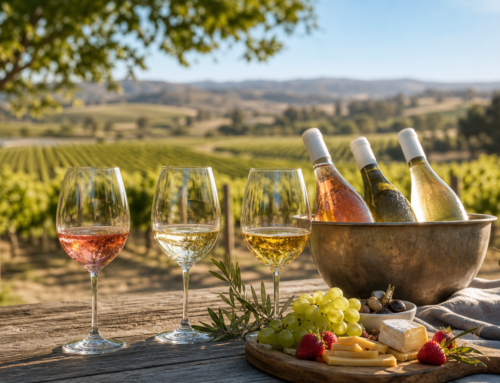
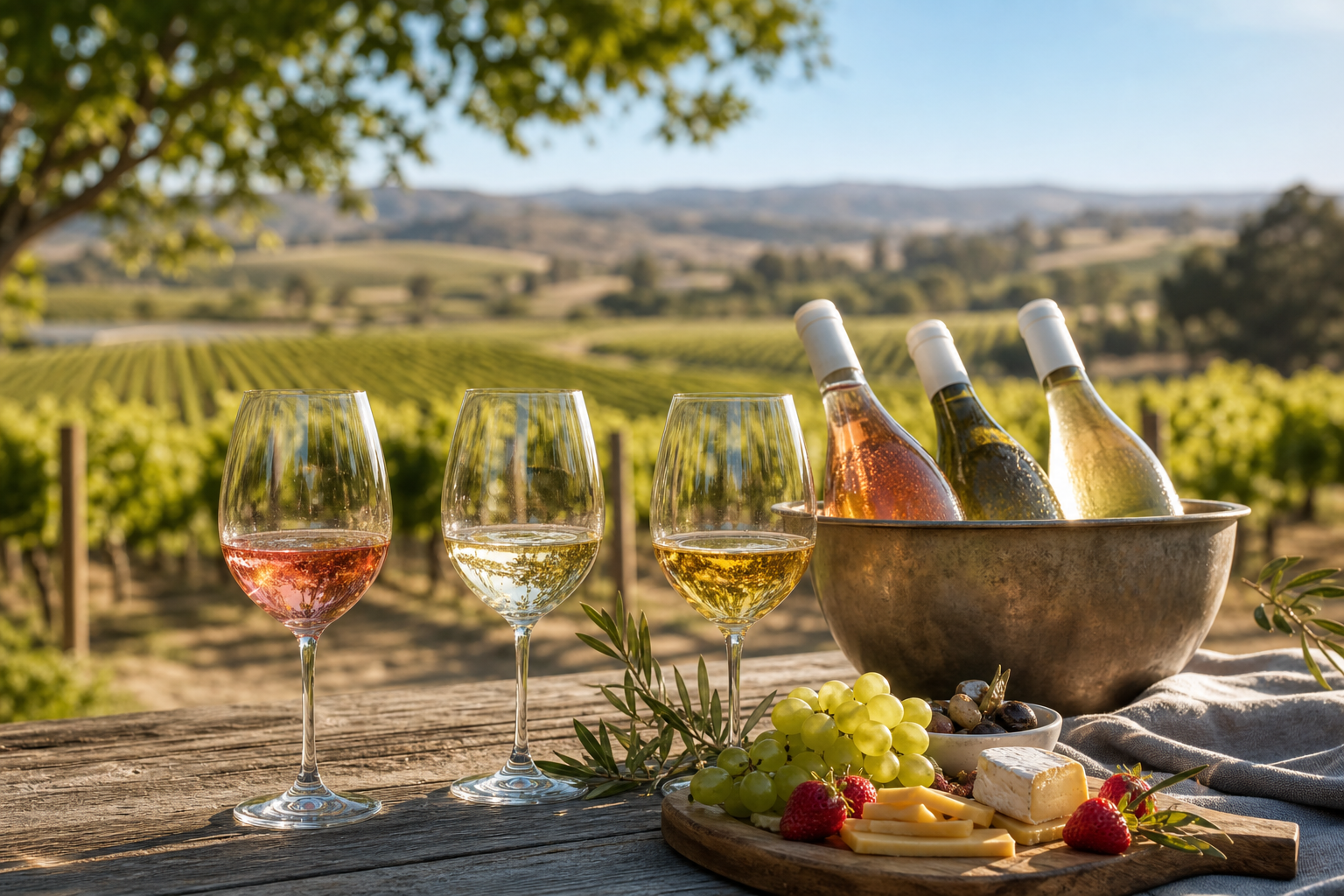
Structure your solstice tasting flights to mirror the sun’s journey across your vineyard throughout the day. Start with crisp whites that represent dawn’s freshness, progress through rosé wines that capture the golden hour glow, and culminate with rich reds that embody sunset’s intensity.
A five-wine progression works particularly well for solstice celebrations. Begin with your estate Sauvignon Blanc, move to a barrel-fermented Chardonnay, transition through a Grenache rosé, then feature your signature red blend, and finish with a port-style dessert wine. This structure mirrors the natural rhythm of summer days while showcasing your winemaking versatility.
Include vintage comparisons within each flight to demonstrate how seasonal variations affect your terroir expression. Offering the same varietal from different years highlights how summer heat patterns, rainfall timing, and harvest decisions create distinct personality profiles. Guests appreciate understanding these nuances during extended wine tasting experiences.
Seasonal Food Pairings from Local Ingredients
Summer solstice events thrive when wine pairings incorporate peak-season local produce that reaches harvest maturity around the same time as your celebration. Stone fruits from nearby orchards provide natural acidity that complements both white wines and lighter reds, while fresh herbs from local farms add aromatic complexity to cheese pairings.
Grilled peach and burrata combinations work magnificently with Viognier or rosé wines, creating textural contrasts that highlight both the wine’s minerality and the fruit’s natural sweetness. Local honey drizzled over aged goat cheese provides an elegant pairing for late-harvest Riesling or Gewürztraminer releases.
Mediterranean-influenced dishes reflect the growing conditions that produce your best summer varietals. Olive tapenade, grilled vegetables with fresh basil, and artisanal charcuterie from local producers create authentic pairings that reinforce your vineyard’s connection to the regional terroir. These combinations work especially well for outdoor celebrations where guests can appreciate the agricultural landscape surrounding them.
Consider partnering with nearby restaurants or food artisans to create signature bites exclusively for your solstice event. Custom preparations that incorporate your wine into the cooking process (like reduction sauces or wine-poached fruits) create memorable experiences that extend beyond traditional pairing approaches.
Temperature and Serving Considerations for Outdoor Events
Summer solstice celebrations present unique serving challenges that require strategic temperature management throughout extended outdoor events. Red wines need protection from direct sunlight and ambient heat that can push serving temperatures above optimal ranges within minutes of pouring.
Invest in professional-grade wine cooling systems that maintain precise temperatures even during peak afternoon heat. Portable wine chillers positioned strategically around your tasting area ensure consistent serving conditions as guests move through different areas of your venue. White wines require constant refrigeration, while reds benefit from slightly cooler-than-normal serving temperatures to compensate for rapid warming in glasses.
Shade structures become critical infrastructure for maintaining wine quality during solstice events. Position tasting stations away from direct western exposure, and consider temporary canopies that provide protection without blocking scenic vineyard views. Evening celebrations starting closer to sunset offer more favorable conditions for sensitive varietals.
Glass selection impacts temperature retention significantly during outdoor events. Thicker stems and bowls maintain cooler temperatures longer, while smaller pour sizes ensure wines don’t overheat before consumption. Consider offering insulated stemware or providing guests with wine sleeves that maintain optimal temperatures throughout the celebration.
Timing your wine service strategically throughout the event helps manage temperature challenges while creating natural progression through your tasting offerings. Reserve the most temperature-sensitive wines for cooler evening hours when guests can fully appreciate their subtle characteristics.
Measuring Success and Building Long-Term Tradition
Guest Experience Metrics and Feedback Collection
Successful summer solstice wine events require systematic measurement beyond simple attendance numbers. Smart boutique wineries track specific metrics that reveal the true impact of their celebrations. Monitor guest dwell time throughout the event, noting how long visitors engage with different activities and wine stations. Track which wines generate the most conversation and return visits to the tasting table.
Post-event surveys capture valuable insights within 48 hours when memories remain fresh. Ask targeted questions about favorite wine discoveries, most memorable moments, and suggestions for future celebrations. Digital feedback forms work well, but personal conversations during wine club follow-ups often reveal deeper insights about guest preferences and expectations.
Photo engagement provides another valuable metric. Count social media posts featuring your event hashtag, noting which moments guests chose to share. High-quality user-generated content indicates emotional connection with your brand and increases organic marketing reach for future solstice events.
Converting Event Attendees to Wine Club Members
Summer solstice events create perfect opportunities for wine club conversions when approached strategically. Offer exclusive solstice wine allocations available only to club members, creating immediate value for joining. Present these offerings during peak enjoyment moments when guests are most receptive to making purchasing decisions.
Track conversion rates by source, distinguishing between first-time visitors and returning customers. New guests often need additional touchpoints before committing to membership, while previous event attendees may convert immediately. Follow up within one week with personalized messages referencing specific wines they enjoyed during the celebration.
Create solstice-specific membership tiers that capitalize on the seasonal magic. Limited-edition summer releases, priority access to future solstice events, and exclusive vineyard experiences during peak growing season provide compelling reasons for guests to deepen their relationship with your winery.
Creating Annual Traditions That Build Community
Establishing consistent solstice traditions transforms single events into anticipated annual celebrations that define your winery’s character. Develop signature elements that guests expect and anticipate each year. This might include releasing the same wine style annually, featuring consistent musical themes, or incorporating traditional solstice rituals that become uniquely yours.
Document guest stories and connections made during each celebration. Create a “Solstice Stories” collection featuring proposals, anniversaries, and friendships that began at your events. These narratives build emotional investment in your annual tradition and encourage guests to return year after year.
Partner with local artisans, musicians, and food producers to create a consistent supporting cast for your celebrations. Regular collaborations strengthen community ties and provide guests with familiar faces and experiences they associate with your solstice events. This consistency builds anticipation and creates a sense of belonging among attendees.
Documenting Your Event Legacy for Future Planning
Comprehensive documentation ensures each solstice celebration improves upon the previous year’s success. Maintain detailed records of weather conditions, attendance patterns, wine consumption rates, and logistical challenges. Note which setup configurations worked best for crowd flow and which activities generated the most engagement.
Create visual documentation through professional photography and behind-the-scenes videos. These materials serve multiple purposes: marketing content for future events, training resources for staff, and historical records that show your tradition’s evolution. Guest testimonials captured during the event provide powerful promotional material for following years.
Establish post-event debriefing sessions with your entire team within one week of each celebration. Fresh perspectives from different departments reveal insights that might otherwise be overlooked. Staff members often notice guest reactions and operational improvements that event organizers miss while managing larger logistics.
Building a successful summer solstice wine tradition requires patience, attention to detail, and commitment to continuous improvement. Each year’s celebration becomes a foundation for the next, creating deeper connections with your community and establishing your winery as an integral part of Temecula’s seasonal rhythms. The investment in measuring success and building traditions pays dividends through increased customer loyalty, enhanced brand reputation, and the satisfaction of creating meaningful experiences that guests treasure long after the longest day ends.
Related Posts
- Why February is the Perfect Month for Private Wine Tastings in Temecula
- Sustainable Vineyard Practices That Define Modern Temecula Wineries
- How Winter Grape Dormancy Influences Next Season’s Vintage Quality
- Barrel Aging Timeline Analysis for Current Vintage Development
- March Vineyard Soil Preparation Strategies for Optimal Spring Growth
- Women Pioneers Who Shaped California’s Vineyard Industry
- How March Weather Patterns Affect Grape Varietal Selection
- March Planting Windows for New Vineyard Development
- Sustainable Cover Crop Management During Spring Transition
- Irrigation System Testing Before Peak Growing Season
- The Soul of the Soil
- Uys Garagiste Winery Shines Bright at the Orange County Fair Commercial Wine Competition 2025!