Pre Summer Season Wine Storage and Serving Tips
Preparing Your Wine Collection for Rising Temperatures
The Temecula Valley’s scorching summer heat can transform your prized wine collection from liquid gold into expensive vinegar faster than you’d believe. While February’s mild temperatures create perfect conditions for wine tasting and cellar organization, smart collectors know this cooler season is actually prime time for fortifying their storage systems against the brutal months ahead.
Most wine enthusiasts underestimate how quickly rising temperatures can compromise their investment. A single day of excessive heat can age wine by months, while prolonged exposure creates irreversible damage that no amount of proper serving technique can mask. The key lies in proactive preparation rather than reactive damage control.
Evaluating Your Current Storage Environment
Start by conducting a thorough temperature audit of your current storage areas. Use a digital thermometer with memory functions to track temperature fluctuations over several days, paying particular attention to afternoon peaks when Temecula’s desert climate shows its intensity. Ideal wine storage maintains consistent temperatures between 55-65°F with minimal daily variation.
Check for common problem areas that many collectors overlook: garages (which can reach 100°F+ in summer), kitchen wine racks near appliances, and decorative displays in sunny rooms. Even basement storage can become problematic if your home lacks proper insulation or if HVAC systems struggle during peak demand periods.
Humidity levels deserve equal attention since our region’s dry climate can cause cork shrinkage, leading to premature oxidation. Target humidity ranges between 60-70%, using a reliable hygrometer to monitor conditions. Document these baseline measurements now while temperatures remain moderate.
Identifying Vulnerable Wine Types and Vintages
Not all wines face equal risk from temperature fluctuations. Delicate varietals like Pinot Noir and aged Burgundies suffer more dramatically from heat exposure than robust Cabernets or fortified wines. Vintage bottles with older corks are particularly susceptible since seal integrity naturally deteriorates over time.
Sparkling wines present unique challenges due to internal pressure that increases exponentially with temperature. A bottle stored at 75°F instead of 55°F experiences nearly double the internal pressure, risking cork failure or premature aging. White wines and rosés lose their fresh, vibrant characteristics most quickly when exposed to heat.
Create an inventory prioritizing your most vulnerable and valuable bottles. These wines should receive premium storage locations with the most stable temperatures. Consider the investment value alongside vulnerability when making these decisions (a $200 temperature-sensitive bottle deserves better protection than a $20 heat-resistant wine).
Creating a Climate-Controlled Storage Plan
Professional wine storage doesn’t require massive investment if you plan strategically. Repurpose the coolest, most insulated area of your home into a dedicated wine space. Interior closets on north-facing walls often provide natural temperature stability that rivals expensive wine refrigerators.
For serious collectors, investing in a quality wine refrigerator or converting a spare closet with proper insulation and a small cooling unit pays dividends. Modern wine fridges offer dual-zone temperature control, letting you store reds at 60-65°F while keeping whites at 45-50°F.
Implementing sustainable practices learned from modern vineyard operations can reduce cooling costs while maintaining optimal conditions. Strategic placement of thermal mass (water jugs work perfectly) helps stabilize temperatures naturally.
Emergency Cooling Solutions for Unexpected Heat Waves
Even the best storage systems can be overwhelmed during extreme weather events. Develop contingency plans before you need them, because scrambling during a heat wave often leads to poor decisions and damaged wine.
Portable cooling solutions like thermoelectric wine coolers can serve as emergency backup storage. While not suitable for long-term storage, they provide crucial protection during power outages or HVAC failures. Keep contact information for local winery storage facilities that might offer temporary storage during emergencies.
Consider joining wine storage cooperatives with other local collectors. Pooling resources for backup generators or shared climate-controlled spaces provides security at lower individual costs. Some Temecula wineries offer storage services for serious collectors, combining professional conditions with convenient access.
The months preceding summer offer the perfect opportunity to address storage vulnerabilities while temperatures remain manageable. Taking action now prevents the heartbreak of discovering heat-damaged bottles when you’re ready to serve them at that special dinner or celebration.
Optimal Storage Conditions Before Summer Heat Arrives
Temperature and Humidity Control Strategies
Maintaining consistent temperature becomes critical as Temecula’s mild winter transitions into warmer spring months. Wine storage requires temperatures between 50-59°F, with 55°F being the sweet spot for long-term aging. Installing a dedicated wine refrigeration system prevents temperature fluctuations that can cause cork expansion and contraction, leading to oxidation issues.
Humidity levels between 60-70% prevent cork drying while avoiding mold growth on labels and corks. In Temecula’s variable climate, consider investing in a humidifier or dehumidifier system that automatically adjusts based on seasonal changes. Many local collectors use wine cellars equipped with barrel aging techniques to understand optimal humidity control for premium bottle storage.
Monitor your storage area with digital hygrometers that track both temperature and humidity over time. These devices help identify patterns and potential issues before they affect your wine collection’s quality and value.
Light Protection and UV Prevention Methods
UV light poses one of the greatest threats to wine quality, breaking down tannins and creating off-flavors in both red and white varieties. Direct sunlight can damage wine within hours, while fluorescent lighting causes gradual deterioration over months. Your storage area should remain as dark as possible when not accessed.
Install LED lighting with UV filters for storage areas that require illumination. These lights produce minimal heat while providing adequate visibility for bottle selection. Many serious collectors use motion-activated lighting systems that only illuminate when someone enters the storage space.
Consider tinted glass or UV-blocking window films for storage rooms with natural light exposure. Even wine bottles with dark glass can suffer damage from prolonged UV exposure. Professional winery storage facilities often use specialized coatings on windows and doors to eliminate harmful light wavelengths completely.
Proper Bottle Positioning and Rack Organization
Store wine bottles horizontally to keep corks moist and prevent air infiltration. This positioning maintains the cork’s seal integrity, which becomes especially important as temperatures begin rising toward summer months. Vertical storage works only for wines consumed within six months or bottles with synthetic closures.
Organize your collection with frequently accessed bottles at eye level and premium long-term storage wines in more stable lower positions. Heat rises naturally, making upper rack positions slightly warmer and less ideal for extended aging. Create zones within your storage area based on intended consumption timing and wine style.
Implement a rotation system that moves older vintages forward while placing new acquisitions in back positions. This method, similar to techniques used in commercial wine operations like those showcased at award-winning competitions, ensures optimal aging conditions for each bottle in your collection.
Label rack sections clearly with vintage dates and wine types. This organization system prevents excessive handling and searching, which can disturb sediment in aged wines and expose bottles to unnecessary temperature fluctuations.
Ventilation Requirements for Different Storage Spaces
Proper air circulation prevents stagnant conditions that can lead to mold growth and musty odors affecting cork integrity. Install gentle ventilation systems that move air without creating drafts or temperature variations. Avoid placing wine storage near HVAC vents that can cause rapid temperature swings.
Basement storage areas typically require mechanical ventilation to maintain air quality and prevent moisture buildup. Use fans designed for wine cellars that operate quietly and move air slowly throughout the space. These systems should run continuously at low speeds rather than cycling on and off.
For above-ground storage rooms, consider passive ventilation strategies that take advantage of natural air movement. Install vents near floor and ceiling levels to create gentle air circulation without mechanical systems. This approach works particularly well in Temecula’s moderate climate conditions.
Avoid storing wine near strong odors from cleaning supplies, paint, or food preparation areas. Wine can absorb external aromas through the cork, permanently affecting taste and aroma profiles. Maintain your storage environment as a dedicated space free from contaminating odors and chemicals that might compromise wine quality over time.
Summer Serving Techniques for Peak Flavor Experience
Chilling Methods for Different Wine Styles
The foundation of exceptional summer wine service lies in understanding that each varietal demands its own temperature approach. White wines perform best between 45-50°F, while reds benefit from slight chilling to 60-65°F during Temecula’s warm months. This temperature control becomes even more critical when you’re hosting outdoor tastings or events at your winery.
For rapid chilling without compromising wine integrity, the ice bath method works exceptionally well. Fill a bucket with equal parts ice and water, then submerge your bottle for 15-20 minutes. This technique chills wine three times faster than refrigeration alone. Sparkling wines require even more attention, needing consistent 40-45°F temperatures to maintain proper carbonation and prevent explosive openings.
Avoid the freezer trap that many hosts fall into during summer entertaining. Freezer temperatures can shock delicate wine compounds and create sediment issues in premium bottles. Instead, invest in wine sleeves or cooling jackets that maintain steady temperatures throughout your service period. These tools become invaluable when you’re conducting extended outdoor tastings or corporate events.
Timing Your Wine Service Throughout the Day
Strategic timing transforms good wine service into memorable experiences, especially during Temecula’s summer season. Morning tastings between 10 AM and noon offer optimal conditions when temperatures remain moderate and palates are fresh. This timing works particularly well for wine club members seeking educational experiences without afternoon heat interference.
Midday service presents unique challenges but also opportunities. Lighter wines like Sauvignon Blanc or Pinot Grigio shine during lunch hours when paired with fresh, seasonal foods. The key lies in maintaining wine temperatures despite rising ambient heat. Pre-chill glasses and use insulated wine buckets to extend optimal serving temperatures.
Evening service allows for more complex wine presentations as temperatures cool. This timing suits bold reds and structured wines that benefit from slight warming after initial chilling. Plan your wine sequence from lightest to heaviest, allowing each selection proper time to reach ideal serving temperature. Consider the sun’s position when planning outdoor events, as direct sunlight can rapidly alter wine characteristics even in properly chilled bottles.
Glassware Selection for Hot Weather Entertaining
Summer glassware decisions significantly impact wine enjoyment, yet many overlook this crucial element. Thinner glass walls conduct less heat from warm hands to chilled wine, maintaining optimal temperatures longer. Crystal glasses excel in this regard, though they require careful handling during outdoor events.
Size matters more during summer months. Smaller bowl glasses for whites prevent rapid warming from extended holding, while larger bowls for reds allow better aeration in compressed timeframes. Stemless glasses might look modern, but stems provide essential barriers between warm hands and cool wine during extended tastings.
Pre-chilling glassware becomes non-negotiable during peak summer temperatures. Store glasses in refrigeration for 10-15 minutes before service, or rinse with ice water and dry thoroughly. This simple step maintains wine temperature for an additional 5-10 minutes, crucial during outdoor wine tasting sessions where ambient temperatures exceed 80°F.
Consider having backup glassware readily available. Summer entertaining often involves larger groups and extended sessions, meaning glasses warm up faster and need replacement. Quality plastic alternatives now offer decent wine presentation for casual outdoor events while eliminating breakage concerns on patios and decks.
Decanting Considerations in Warm Conditions
Summer decanting requires modified approaches compared to cooler months. Accelerated oxidation in warm conditions means decanting times should decrease by 25-30%. Young reds that typically need two hours of breathing time during winter might reach peak expression in just 60-90 minutes during summer temperatures.
Decanter selection becomes critical in warm weather. Wide-bottom decanters increase wine surface area, speeding both aeration and warming processes. Narrow decanters provide better temperature control but require longer decanting periods. Glass thickness also matters, with thicker decanters providing better insulation against ambient heat.
Pre-chill your decanter just as you would glassware. This step becomes especially important for premium wines where temperature stability directly impacts flavor development. Some sommeliers recommend using marble or stone decanter bases that naturally maintain cooler temperatures throughout service periods.
Monitor decanted wines more frequently during summer service. What appears perfectly developed indoors might become over-aerated within minutes when moved to warm patios or garden settings. Consider partial decanting, keeping reserve wine properly stored and combining as needed to maintain optimal characteristics throughout your event.
Transportation and Travel Guidelines for Wine Enthusiasts
Safe Transport Methods During Warm Weather
Moving wine during warm weather requires strategic planning to prevent heat damage that can ruin expensive bottles in minutes. The ideal temperature range for wine transport stays between 55-65°F, but summer conditions often push ambient temperatures well beyond safe limits.
Insulated wine carriers provide the first line of defense against temperature spikes. These specialized bags maintain stable conditions for 2-4 hours, depending on external heat. For longer journeys, consider investing in a portable wine refrigerator that plugs into your vehicle’s power outlet. Professional wine transporters use temperature-controlled vehicles, but home enthusiasts can achieve similar protection with proper preparation.
Never leave wine in direct sunlight, even for short periods. UV rays penetrate most car windows and create greenhouse effects that can push interior temperatures above 120°F. Park in shaded areas whenever possible, and use reflective windshield covers to reduce heat absorption. The trunk often stays cooler than passenger compartments, but check temperature levels before storing bottles there.
Packing Techniques for Wine Events and Picnics
Successful wine event packing starts with selecting appropriate containers that protect against both temperature fluctuations and physical damage. Double-walled coolers with tight-fitting lids maintain consistent temperatures while preventing harmful vibrations that can disturb sediment in older wines.
Layer frozen gel packs around bottle bases, avoiding direct contact with wine labels. Wrap each bottle individually in bubble wrap or wine sleeves, then nestle them securely between towels or foam dividers. This method prevents clanking during transport while maintaining proper insulation. For extended outdoor events, replace melted ice packs every 3-4 hours to sustain optimal temperatures.
Professional workshops often demonstrate proper packing techniques using real-world scenarios. These hands-on sessions teach participants how different wine styles respond to transport stress and temperature changes. Sparkling wines require extra care due to pressure sensitivity, while robust reds generally tolerate minor temperature variations better than delicate whites.
Vehicle Storage Best Practices
Your vehicle’s interior creates unique storage challenges during warm months. Dashboard temperatures can exceed 150°F on sunny days, while floor areas might stay 20-30 degrees cooler. Understanding these microclimates helps wine enthusiasts choose optimal placement locations within their cars.
Behind front seats offers protection from direct sunlight while remaining easily accessible. Avoid areas near exhaust pipes, heating vents, or electronic devices that generate additional heat. Some luxury vehicles include climate-controlled compartments specifically designed for wine storage, but most drivers must rely on strategic positioning and supplemental cooling methods.
Remote temperature monitoring systems alert owners when storage conditions exceed safe thresholds. These devices connect to smartphone apps, sending real-time updates about wine storage environments. While these systems add expense, they prevent costly losses when transporting premium bottles from exclusive collections.
Regular maintenance keeps vehicle cooling systems operating efficiently. Clean air filters, properly charged refrigerant levels, and functioning thermostats ensure consistent cabin temperatures. Schedule pre-summer inspections to identify potential problems before they compromise wine storage conditions during peak heat periods.
Post-Transport Recovery Time Requirements
Wine needs adequate recovery time after transport to restore optimal drinking conditions. Movement disrupts sediment in aged wines and can temporarily alter flavor profiles even in younger bottles. Professional sommeliers recommend minimum rest periods based on transport duration and wine style.
Short trips under one hour typically require 30-60 minutes of settling time before serving. Longer journeys or rough road conditions extend recovery periods to 2-4 hours. Delicate wines like vintage champagne or aged burgundy might need overnight rest to fully settle after extensive transport.
Temperature stabilization takes longer than sediment settling. Wine transported in hot conditions needs gradual cooling to prevent thermal shock. Place bottles in cool, dark environments and allow temperatures to normalize slowly over several hours rather than forcing rapid cooling through refrigeration.
During recovery periods, store bottles upright if corks became warm during transport. This position prevents expanded corks from pushing wine past the seal. Once temperatures stabilize, return bottles to their preferred horizontal position for proper cork contact and humidity maintenance.
Seasonal Wine Selection and Menu Pairing Strategies
Choosing Heat-Resilient Wine Styles
When summer temperatures climb in Temecula, certain wine styles naturally perform better than others. Wines with higher acidity and lower alcohol content maintain their structure and appeal even when served slightly warmer than ideal. Sauvignon Blanc and Pinot Grigio are excellent choices because their crisp profiles remain refreshing at temperatures up to 50°F.
Red wines present unique challenges during hot weather. Lighter-bodied options like Pinot Noir and Beaujolais work exceptionally well because they can be served slightly chilled (around 60-62°F) without losing their character. These wines actually benefit from the temperature flexibility that summer entertaining often requires.
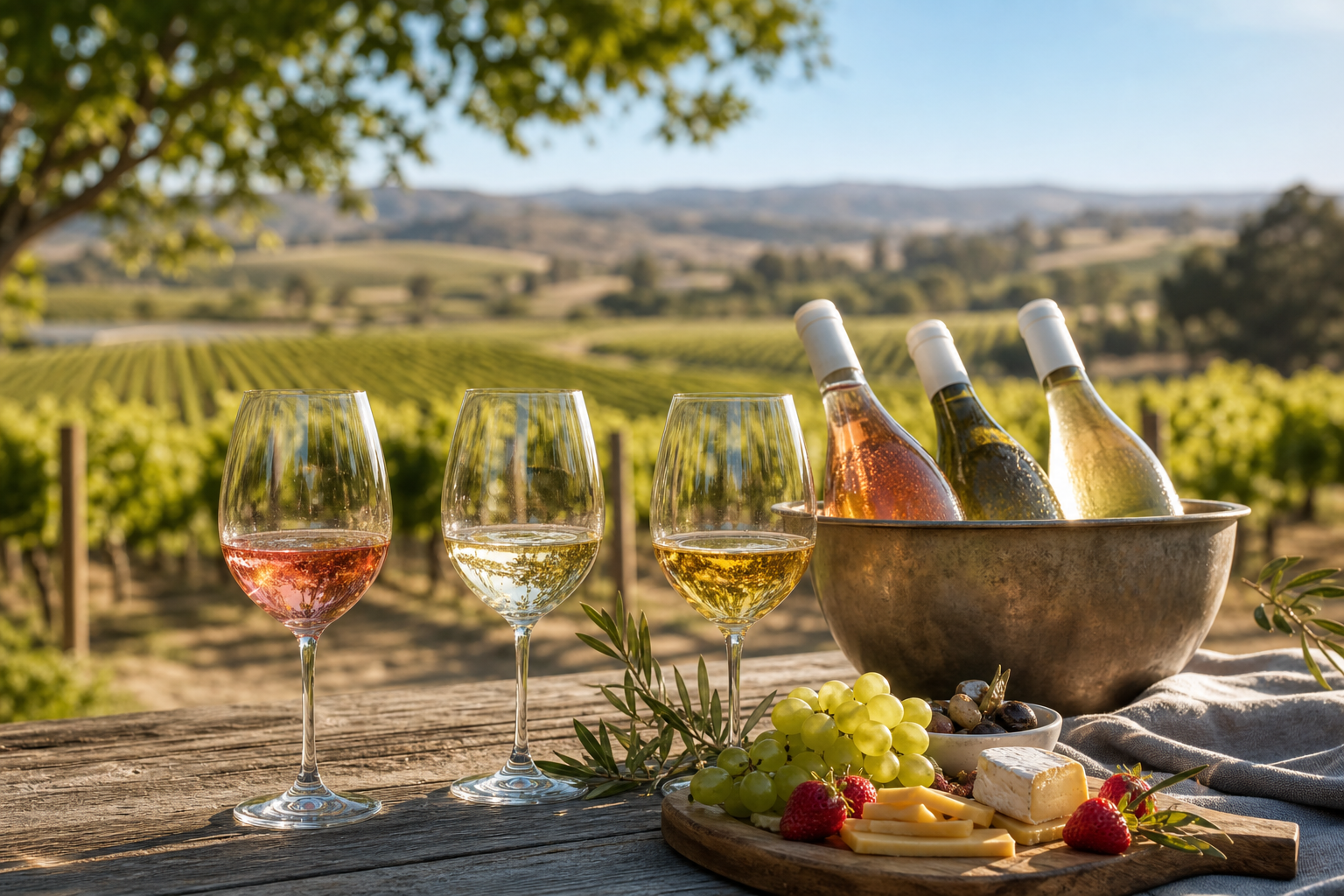
Rosé wines become the ultimate summer performers, bridging the gap between reds and whites. Their moderate tannins and bright acidity make them forgiving to temperature fluctuations. A quality rosé can handle brief exposure to warm conditions while maintaining its refreshing qualities that make summer gatherings memorable.
Light and Refreshing Varietals for Summer Entertainment
Summer wine selection should prioritize varietals that complement rather than compete with warm weather activities. Albariño and Vermentino offer mineral-driven profiles that pair beautifully with outdoor dining scenarios. These wines provide complexity without the weight that can feel overwhelming in heat.
Sparkling wines deserve special consideration for summer events. Their effervescence creates a cooling sensation that guests appreciate, while the bubbles help cleanse the palate between courses. Prosecco and Cava work particularly well because they’re designed to be consumed fresh and don’t require extensive aging that might be compromised by temperature variations.
For those seeking premium selections that showcase summer versatility, consider varietals like Grüner Veltliner or Riesling. These wines offer enough complexity to satisfy serious wine enthusiasts while maintaining the bright, clean finish that summer occasions demand. Their natural acidity helps them retain freshness even when serving conditions aren’t perfect.
Food Pairing Adjustments for Outdoor Dining
Outdoor dining changes how wines interact with food, requiring strategic pairing adjustments. Grilled foods develop more intense flavors and smoky characteristics that can overpower delicate wines. Medium-bodied reds with moderate tannins complement grilled meats without being overshadowed by char and smoke.
Fresh seafood and summer salads call for wines with pronounced acidity. The combination of heat and lighter fare means your wine needs to provide structural support to the meal. Sancerre and Muscadet excel in these scenarios, offering mineral complexity that enhances rather than masks subtle flavors.
Spicy summer dishes require careful wine consideration. Heat from both weather and food can amplify alcohol perception, making high-alcohol wines feel harsh. Opt for wines with residual sugar like off-dry Riesling or Gewürztraminer to balance spice levels while providing cooling relief.
Cheese and charcuterie boards, popular for casual summer gatherings, benefit from versatile wines that can handle multiple flavor profiles simultaneously. Côtes du Rhône blends and Spanish Tempranillo offer enough complexity to complement varied textures and intensities without overwhelming any single element.
Building a Summer-Ready Wine Portfolio
A well-planned summer wine collection balances variety with practical storage considerations. Stock lighter wines in greater quantities since they’ll be consumed more frequently during warm weather. Plan for approximately 60% white and rosé wines, 30% light reds, and 10% sparkling options.
Consider your entertaining style when building inventory. Frequent hosts should invest in crowd-pleasing options that appeal to diverse palates. Sauvignon Blanc and Chardonnay provide reliable foundations, while a quality rosé serves as the perfect bridge wine for mixed groups.
Regional selections from areas with similar climates often perform exceptionally well during summer months. Mediterranean wines like those from Southern France or coastal California demonstrate natural heat tolerance because they’re produced in warm-weather regions. These selections often offer better value during summer months when demand shifts toward their style profiles.
Don’t overlook the importance of having backup options readily available. Summer weather can be unpredictable, and having wines that perform well across temperature ranges ensures successful entertaining regardless of conditions. Versatile options like Provence rosé or Loire Valley whites provide insurance against temperature control challenges while maintaining quality standards that reflect well on your winery knowledge and preparation.
Equipment and Technology Solutions for Wine Preservation
Wine Refrigeration System Maintenance and Upgrades
Your existing wine refrigeration system needs preventative maintenance before Temecula’s summer heat arrives. Clean condenser coils monthly during peak season, as dust accumulation reduces cooling efficiency by up to 30%. Replace door seals showing wear signs, since compromised seals force compressors to work overtime against 100°F+ outdoor temperatures.
Consider upgrading to dual-zone refrigeration units if you’re still using single-temperature storage. These systems allow separate temperature controls for red wines (55-65°F) and whites (45-50°F), maximizing each varietal’s potential during extended storage periods. Modern units with digital displays provide precise temperature monitoring without opening doors unnecessarily.
Professional HVAC technicians should inspect refrigerant levels and compressor performance annually. Systems operating in desert climates like Temecula experience higher stress loads, making regular maintenance critical for preventing costly breakdowns during peak serving seasons.
Portable Cooling Devices for Flexibility
Portable wine coolers transform any space into proper storage areas when permanent refrigeration isn’t feasible. These units handle 12-50 bottle capacities, perfect for wine tasting events or temporary storage needs during facility renovations.
Thermoelectric coolers operate silently without vibration, making them ideal for intimate tasting rooms where noise disrupts the experience. While less powerful than compressor units, they maintain stable temperatures in climate-controlled environments and consume minimal electricity.
For outdoor events and mobile service, battery-powered cooling devices provide 4-6 hours of temperature control. These units work excellently for vineyard tours where wines need protection during transportation between locations. Insulated wine carriers with gel cooling packs offer budget-friendly alternatives for shorter duration needs.
Monitoring Technology for Remote Wine Storage
Smart monitoring systems provide real-time alerts when storage conditions drift outside optimal parameters. WiFi-enabled sensors track temperature, humidity, and vibration levels, sending notifications to smartphones before problems affect wine quality.
Cloud-based monitoring platforms maintain historical data logs, helping identify patterns that predict equipment failures. These systems prove invaluable for winery operations managing multiple storage locations across Temecula Valley, allowing centralized oversight without constant physical inspections.
Advanced systems integrate with building management platforms, automatically adjusting HVAC settings based on occupancy schedules and weather forecasts. Some units detect power outages immediately, triggering backup systems before temperature fluctuations begin affecting stored inventory.
Mobile apps let wine professionals monitor conditions remotely, receiving customizable alerts for different severity levels. Minor temperature drifts generate log entries, while critical failures trigger immediate phone notifications, ensuring rapid response to protect valuable collections.
Backup Power Solutions for Critical Storage Areas
Uninterruptible power supply (UPS) systems provide immediate backup during electrical outages, maintaining refrigeration for 2-4 hours depending on load requirements. These units bridge gaps between power loss and generator startup, preventing temperature spikes that compromise wine integrity.
Automatic standby generators offer extended protection during prolonged outages common during summer storms in Southern California. Properly sized generators maintain full cooling capacity indefinitely, with natural gas or propane fuel providing reliable operation when electrical grids fail.
Battery backup systems designed specifically for wine storage applications prioritize critical cooling over non-essential functions like lighting or displays. These intelligent systems can extend operating time by reducing power consumption to essential preservation functions only.
Regular testing ensures backup systems activate properly when needed. Monthly exercise cycles under load conditions verify generator performance, while battery systems require quarterly capacity tests to maintain reliability standards.
Investing in comprehensive preservation technology protects your wine investments while ensuring consistent serving quality throughout Temecula’s challenging summer months. These systems pay dividends through reduced waste, maintained flavor profiles, and enhanced customer satisfaction during peak season operations. Professional wine tour experiences depend on properly preserved bottles that showcase each vineyard’s craftsmanship at its finest. Contact our team to discuss customized storage solutions that match your specific preservation needs and operational requirements.