Spring 2026 Wine Release Schedule at Boutique Temecula Wineries
What to Expect from Spring 2026 Releases
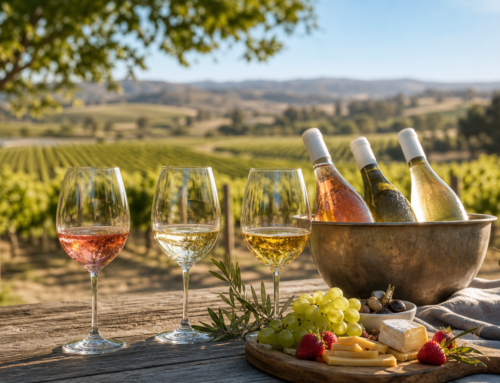
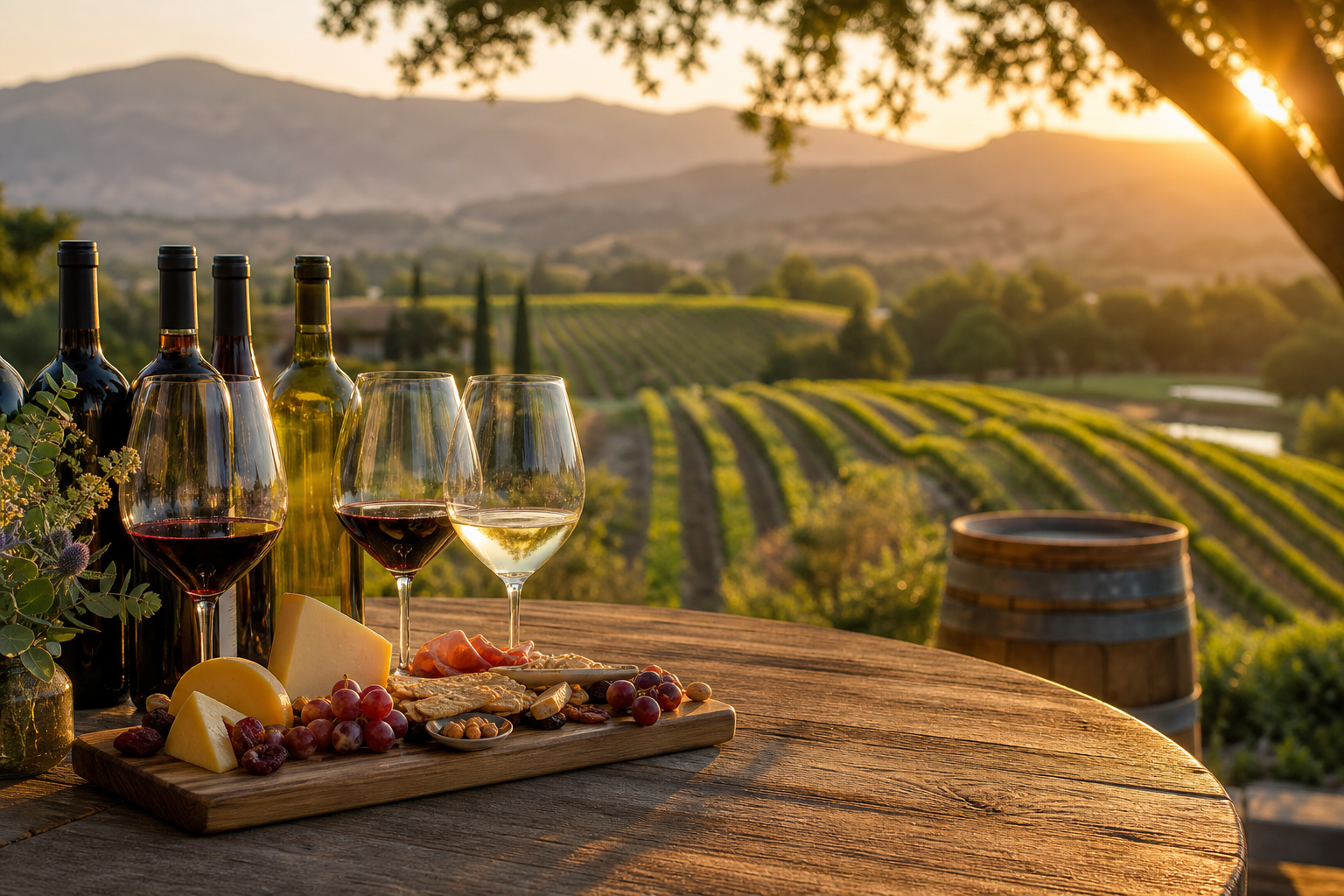
Picture this: you’re standing among rolling vineyard hills in early April, watching winemakers prepare for what could be the most anticipated release season in Temecula’s recent history. Spring 2026 represents a pivotal moment for boutique wineries, as they prepare to unveil wines crafted during some of the most challenging and rewarding growing seasons on record.
The excitement isn’t just about new bottles hitting the shelves (though that’s definitely part of it). It’s about the stories these wines tell, the limited quantities that make each release precious, and the innovative approaches smaller wineries are taking to connect directly with wine enthusiasts who appreciate craftsmanship over mass production.
Spring releases have always been special in Temecula, but 2026 brings unique circumstances. Many boutique producers are emerging from experimental phases, having spent recent years refining techniques and pushing boundaries. The result? Release schedules packed with unexpected varietals, limited-edition blends, and wines that showcase the distinct terroir of specific vineyard blocks.
Seasonal Release Trends and Timing
Most boutique Temecula wineries follow a predictable spring timeline, but 2026 breaks from tradition in fascinating ways. Early releases typically begin in late February, coinciding with the mild temperatures that make private wine tastings particularly appealing during this season.
However, expect significant variation in timing strategies. Smaller producers are increasingly staggering releases throughout March and April, avoiding the typical early-spring rush. This approach creates sustained excitement and allows dedicated wine enthusiasts to fully appreciate each offering without feeling overwhelmed by simultaneous launches.
Temperature considerations play a crucial role in release timing. Many winemakers prefer launching during cooler months when wine aromatics remain stable during transportation and tasting events. Spring’s moderate climate provides ideal conditions for showcasing delicate varietal characteristics that might be masked during warmer periods.
Limited Edition vs. Core Varietal Offerings
The distinction between limited editions and core offerings becomes particularly important when dealing with boutique operations. Unlike larger commercial wineries, small Temecula producers often blur these lines, treating their entire portfolio as essentially limited due to production constraints.
Core varietals for spring 2026 include established favorites like Viognier, Sangiovese, and Tempranillo that have proven successful in Temecula’s Mediterranean climate. But the real excitement centers around experimental releases: small-batch Grenache Blanc, estate-grown Mourvedre, and innovative blends that reflect sustainable vineyard practices becoming standard across the region.
Limited editions often feature single-vineyard designations, barrel selections, or wines crafted using traditional techniques. These releases typically range from 50 to 200 cases, making them genuine collector items for serious wine enthusiasts who appreciate the artisanal approach boutique wineries bring to winemaking.
Pre-Order and Allocation Systems
Boutique wineries have revolutionized how they handle limited inventory through sophisticated pre-order systems. Most establishments now offer wine club members first access, followed by general public releases 24-48 hours later. This tiered approach ensures loyal customers receive priority while maintaining excitement for new visitors.
Allocation systems have become increasingly creative. Some wineries offer “release packages” combining new wines with older vintages, creating curated experiences that tell the story of their winemaking evolution. Others implement lottery systems for extremely limited releases, adding an element of anticipation that keeps customers engaged throughout the season.
Digital platforms streamline the pre-order process, but many boutique operations maintain personal touches. Phone calls, handwritten notes, and direct communication with winemakers preserve the intimate connection that defines the boutique experience, even as ordering systems become more sophisticated.
Virtual and In-Person Tasting Events
Spring 2026 tasting events blend traditional in-person experiences with innovative virtual components. Many wineries host hybrid events where local participants gather at the winery while remote wine lovers join virtually, creating expanded communities around each release.
In-person events remain the gold standard for boutique wineries, offering behind-the-scenes vineyard tours, blending sessions with winemakers, and intimate group settings that larger operations cannot match. These experiences often include food pairings sourced from local artisans, creating comprehensive sensory experiences.
Virtual tastings have evolved beyond simple video calls. Many wineries now ship tasting packages with specific glassware, detailed tasting notes, and access to exclusive digital content about vineyard conditions and winemaking decisions that influenced each release.
Featured Boutique Wineries and Their Spring Portfolios
Small-Batch Producers Leading Innovation
The most exciting developments in Temecula’s spring 2026 wine scene come from small-batch producers who aren’t afraid to experiment. These boutique operations typically produce fewer than 2,000 cases annually, allowing winemakers to take creative risks that larger producers simply cannot afford.
Several innovative winery operations are pioneering unique fermentation techniques this season. Cold fermentation methods, extended skin contact for white wines, and experimental yeast strains are creating distinctive flavor profiles that showcase Temecula’s terroir in unexpected ways. These limited production runs often sell out within weeks of release, making spring the perfect time for serious collectors to secure allocations.
What makes these small producers particularly compelling is their willingness to blend traditional techniques with modern innovation. Many are incorporating natural fermentation processes while using precision temperature control systems. This balance creates wines with both complexity and consistency that larger operations struggle to achieve.
Family-Owned Estates with Exclusive Releases
Multi-generational family wineries bring a different energy to spring releases, often unveiling wines that represent decades of vineyard development and winemaking refinement. These estates typically reserve their finest fruit for spring launches, having learned how winter grape through years of careful observation.
Estate bottlings from family operations offer something unique in the wine world: continuity of vision across multiple vintages. Third and fourth-generation winemakers understand their specific vineyard blocks in ways that hired consultants never could. They know which slopes produce the most concentrated fruit, which harvest timing creates optimal sugar-acid balance, and how their particular soil composition affects tannin development.
Many family estates also maintain library collections, occasionally releasing aged vintages alongside current releases. These library wines provide fascinating comparisons and demonstrate how Temecula wines develop complexity over time. Spring releases often include these special library selections, creating opportunities for vertical tastings that showcase vineyard evolution.
Family operations also excel at creating wine club experiences that feel genuinely personal. Members often receive advance access to limited releases, invitations to harvest participation, and opportunities to taste wines directly from barrel during wine tour visits throughout the development process.
New Vineyard Debuts and First Vintages
Spring 2026 marks several significant debuts from newly established vineyards that planted their first vines three to five years ago. These inaugural releases represent years of careful planning, from soil analysis and rootstock selection through canopy management and harvest timing decisions.
First vintages carry special significance because they establish a winery’s baseline quality and style direction. New producers often work with established winemaking consultants for these crucial early releases, combining fresh perspective with proven techniques. The results frequently surprise even industry veterans with their polish and complexity.
What makes these debuts particularly interesting is how new operators approach Temecula’s unique growing conditions. Recent plantings often incorporate improved clonal selections and modern trellising systems that weren’t available to earlier vineyard developments. This technological advantage, combined with lessons learned from established operations, creates opportunities for immediate quality that might have taken previous generations years to achieve.
Many new vineyards are also experimenting with grape varieties that weren’t commercially viable in Temecula until recently. Climate patterns and improved viticultural knowledge have opened possibilities for varieties that struggled in the past, creating excitement around entirely new flavor profiles for the region.
Collaborative Releases and Special Projects
Some of spring’s most anticipated releases come from collaborative projects between established wineries and outside partners. These partnerships often combine resources and expertise in ways that create truly exceptional limited releases.
Winemaker collaborations typically involve respected producers working together on specific vineyard blocks or experimental techniques. One winemaker might contribute specialized knowledge of barrel aging timeline, while another provides access to premium fruit sources. These projects often push quality boundaries beyond what either producer could achieve independently.
Artist collaborations have also become increasingly popular, with wineries partnering with local artists for limited edition label designs and packaging. These releases often coincide with wine tasting events that combine wine education with artistic appreciation, creating memorable experiences that extend beyond the wine itself.
Special projects also include historical recreation efforts, where winemakers attempt to recreate wines using techniques and grape varieties from Temecula’s earlier winemaking periods. These educational releases provide insight into the region’s development while showcasing how modern techniques can enhance traditional approaches.
Varietal Highlights and Vintage Characteristics
Premium Red Blends and Single Vineyard Expressions
Spring 2026 showcases exceptional red blend releases from Temecula’s most discerning boutique producers. The 2023 vintage Bordeaux-style blends demonstrate remarkable balance, with Cabernet Sauvignon providing structure while Merlot adds velvet texture. These wines spent 18 months in French oak, developing complex notes of dark cherry, cedar, and tobacco leaf.
Single vineyard Cabernet Sauvignon expressions reveal distinct terroir characteristics unique to specific Temecula Valley microclimates. The eastern hillside vineyards produce wines with intense concentration and mineral backbone, while valley floor sites yield more approachable styles with soft tannins. Several wineries showcase their premium vineyard programs through limited production single-block bottlings that capture the essence of individual vineyard sites.
Syrah releases continue gaining recognition, particularly from cooler elevation sites where the varietal develops elegant pepper spice and dark fruit complexity. The 2023 vintage benefited from extended hang time, resulting in wines with natural acidity and refined tannin structure that pairs beautifully with grilled meats and aged cheeses.
White Wine Specialties and Rosé Collections
Viognier emerges as Temecula’s signature white varietal, with spring releases highlighting the grape’s natural affinity for the region’s warm days and cool nights. The 2024 vintage displays classic honeysuckle and stone fruit aromatics, balanced by crisp minerality that reflects the area’s granite-based soils. These wines showcase techniques learned from Rhône Valley traditions while expressing distinctly California character.
Chardonnay programs focus on both unoaked and barrel-fermented styles, appealing to diverse palate preferences. The unoaked versions preserve bright citrus flavors and clean finish, while barrel-fermented selections develop rich texture and subtle vanilla notes. Many producers offer side-by-side comparisons during winery visits, allowing guests to explore stylistic differences.
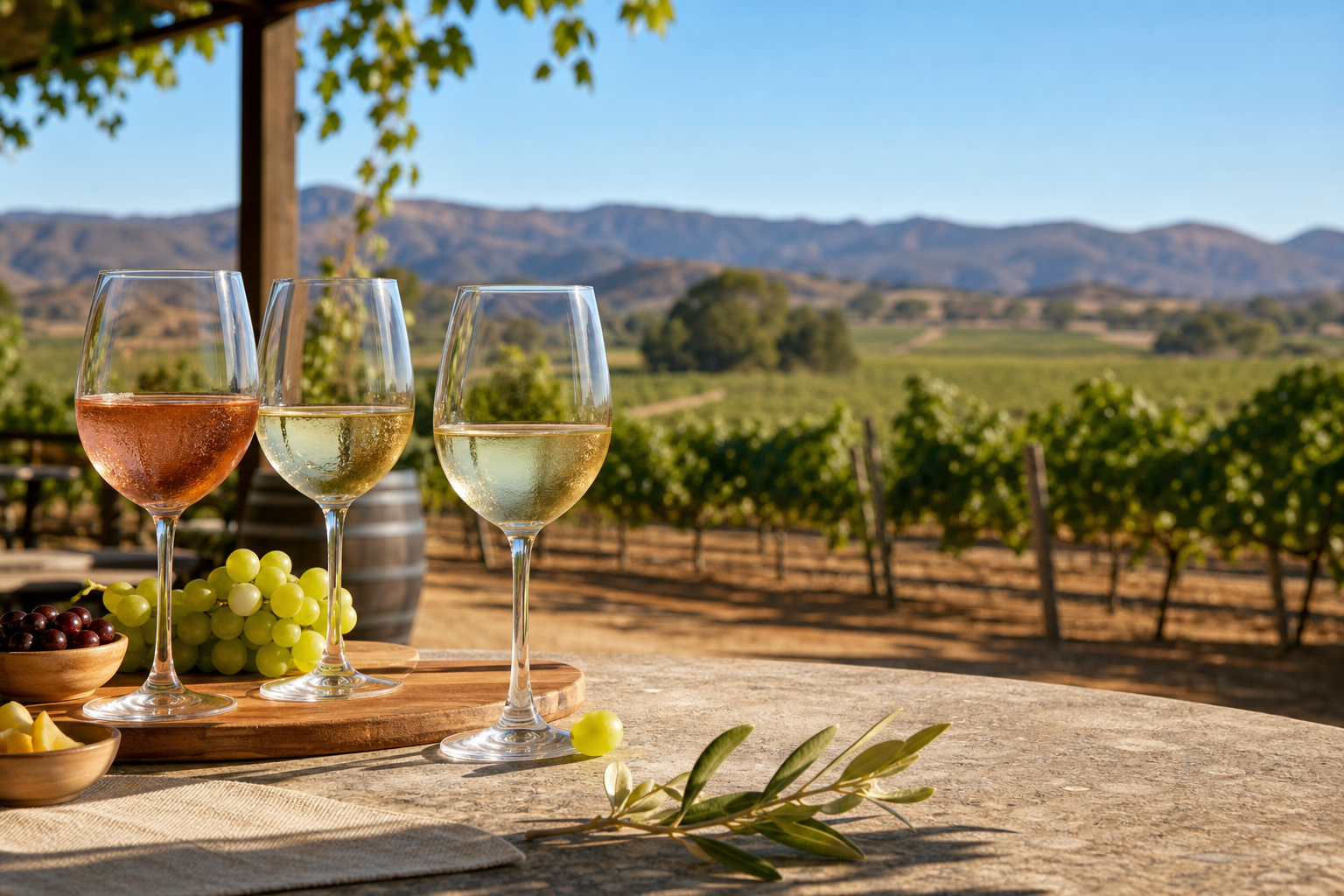
Rosé collections feature predominantly Grenache and Mourvèdre blends, capturing the delicate salmon hues and fresh strawberry flavors that define quality Provence-style rosés. The 2024 vintage particularly excels, with extended lees contact adding subtle complexity while maintaining the crisp, refreshing character perfect for Temecula’s warm climate.
Reserve Tier and Library Wine Releases
Reserve tier wines represent the pinnacle of each winery’s production, featuring fruit from the finest vineyard blocks and extended aging programs. The 2021 Reserve Cabernet Sauvignon releases demonstrate exceptional aging potential, with concentrated black fruit flavors complemented by notes of graphite and dark chocolate from 24 months in new French oak barrels.
Library wine releases offer rare opportunities to experience fully mature expressions of Temecula terroir. The 2018 vintage library selections reveal how the region’s wines develop complexity over time, with primary fruit flavors evolving into earthy, savory notes that showcase the valley’s unique soil composition and climate patterns.
Several boutique producers limit reserve tier production to fewer than 200 cases per wine, ensuring exclusivity and attention to detail throughout the winemaking process. These wines often feature hand-sorted fruit, indigenous yeast fermentation, and careful barrel selection that reflects each winemaker’s individual style and vision.
Dessert Wines and Fortified Selections
Late harvest dessert wines capitalize on Temecula’s consistent autumn weather patterns, allowing grapes to develop concentrated sugars while maintaining balanced acidity. The 2023 late harvest Riesling displays intense apricot and honey flavors with bright citrus notes that prevent cloying sweetness. These wines pair exceptionally with local artisan cheeses and seasonal fruit desserts.
Port-style fortified wines continue gaining sophistication, with several producers using traditional Portuguese methods adapted to California conditions. The vintage 2021 port releases show rich plum and fig characteristics enhanced by careful barrel aging in small cooperage. These wines demonstrate award-winning quality that rivals traditional European examples.
Moscato and off-dry Gewürztraminer selections appeal to those seeking lighter dessert options. The natural floral aromatics and gentle sweetness make these wines popular for spring celebrations and outdoor events. Limited production ensures freshness and quality while maintaining the delicate balance between residual sugar and natural acidity that defines successful dessert wine production.
Planning Your Winery Visits and Tastings
Reservation Requirements and Advance Booking
Boutique winery operations in Temecula typically require advance reservations for spring release events, particularly during peak weekends when limited production wines debut. Most establishments implement booking windows that open 30-60 days prior to release dates, with priority access often extended to wine club members and previous guests.
Smart visitors secure their spots early, especially for coveted Saturday afternoon tastings when new vintages are first poured. Weekday reservations offer more flexibility and often provide deeper conversations with winemakers who have additional time to discuss their craft. The reservation process usually includes selecting preferred time slots, group size specifications, and any dietary restrictions for potential food pairings.
Payment policies vary across Temecula’s boutique scene, with some requiring full prepayment while others accept deposits. Cancellation windows typically range from 24-48 hours, though weather-related adjustments are commonly accommodated. Group bookings of six or more often qualify for customized experiences that might include behind-the-scenes cellar tours or blending workshops alongside the standard tasting format.
Release Weekend Events and Festivals
Spring release weekends transform Temecula’s boutique wineries into celebration venues where new vintages take center stage alongside live music, artisan vendors, and educational demonstrations. These multi-day events often span Friday through Sunday, with each day offering distinct experiences ranging from casual walk-in tastings to structured seminars led by winemaking teams.
Festival atmospheres create opportunities to sample multiple releases while enjoying complementary activities like barrel tastings, vineyard walks, and harvest equipment displays. Many establishments coordinate with neighboring wineries to offer shuttle services or package deals that encourage exploration across the valley’s diverse portfolio of small producers.
Timing proves crucial during release weekends, as popular new wines often sell out by Saturday evening. Morning sessions typically provide the best selection and most personable service, while afternoon crowds bring energy and social interaction that many visitors prefer. News updates from individual wineries help guests plan their weekend itineraries around specific release times and special presentations.
Private Tasting Experiences and Tours
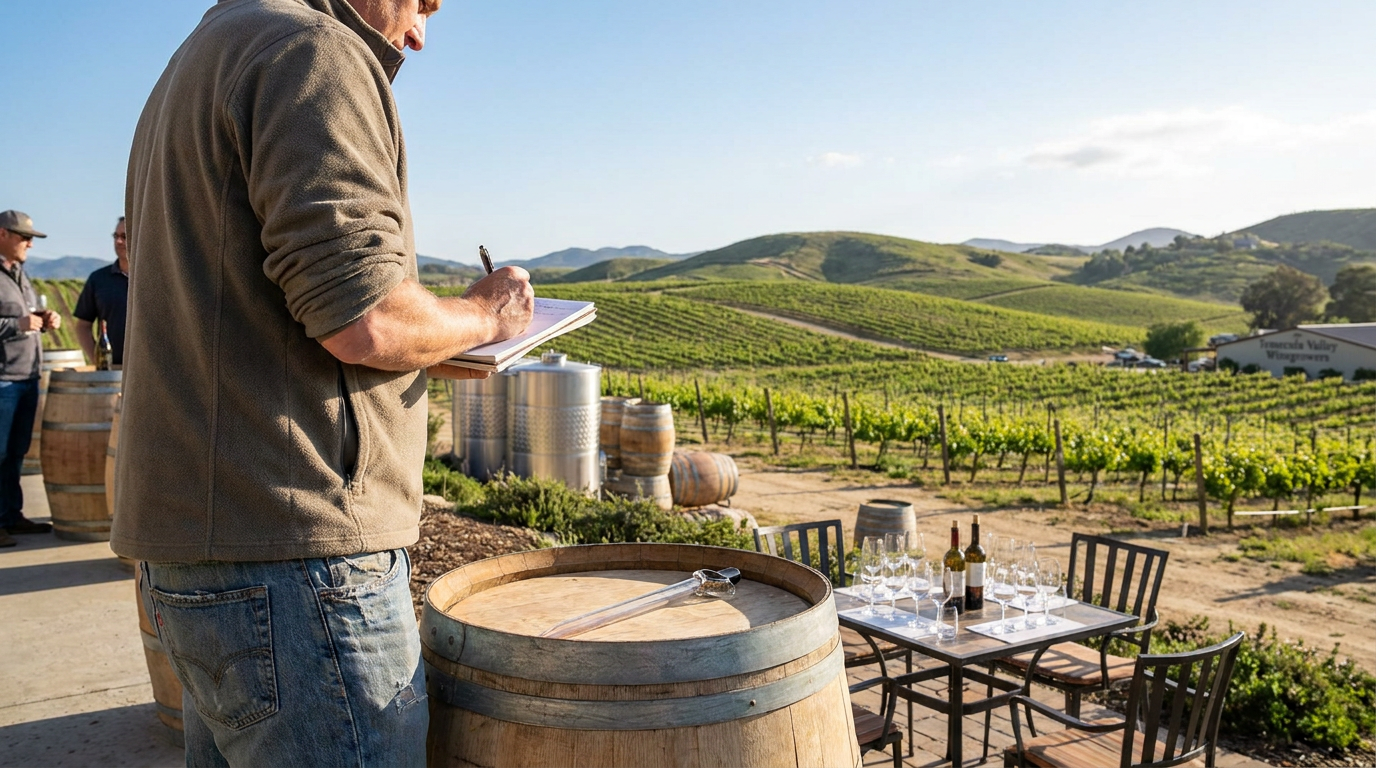
Boutique wineries excel at creating intimate wine tasting experiences that showcase spring releases in personalized settings away from weekend crowds. Private sessions accommodate 2-8 guests and often include access to library wines, unreleased barrels samples, and direct interaction with winemakers or proprietors who share detailed stories behind each vintage.
Customization options range from focused varietal education to blending workshops where guests create their own unique bottles. Tour components typically include vineyard walks through spring growth, cellar explanations of aging processes, and production facility overviews that reveal the craftsmanship behind small-batch winemaking.
Pricing for private experiences reflects the personalized attention and exclusive access provided, generally ranging from $75-150 per person depending on wine selection and tour comprehensiveness. These sessions require advance coordination but deliver unmatched value for serious wine enthusiasts or special occasions celebrating milestone events.
Food Pairing Events and Educational Sessions
Spring releases pair beautifully with seasonal ingredients, and Temecula’s boutique wineries often collaborate with local chefs to create educational pairing events that highlight both the wines and regional culinary traditions. These structured sessions teach guests about flavor complementarity while showcasing how specific varietals enhance different food preparations.
Educational components include discussions of tannin structure, acidity balance, and fruit characteristics that make certain wines ideal partners for cheese selections, charcuterie boards, or prepared dishes. Participants learn practical pairing principles they can apply at home while discovering new wines that suit their palate preferences and entertaining needs.
Seasonal menus feature ingredients like spring vegetables, fresh herbs, and artisanal cheeses that complement the bright, fresh characteristics often found in newly released wines. These events typically run 90-120 minutes and include take-home materials like pairing guides or recipe cards. Booking through the visit us page ensures access to current scheduling and availability for these popular educational experiences that combine wine tour elements with culinary learning opportunities.
Wine Club Benefits and Priority Access
Member-Only Release Privileges
Wine club membership at boutique Temecula wineries transforms your spring 2026 wine experience from competitive scrambling to exclusive access. Members receive first notification of new releases, typically 7-14 days before public announcements. This head start means securing limited-production bottles that often sell out within hours of public release.
The privilege extends beyond timing. Most winery locations reserve 30-50% of their spring inventory exclusively for club members. These allocations include single-vineyard designates, winemaker selections, and experimental batches that never reach the general public. At Uys Wines and similar boutique producers, members gain access to barrel samples and pre-release tastings during February and March.
Members also enjoy purchasing flexibility. While non-members face strict purchase limits during high-demand releases, club members can typically secure multiple bottles of sought-after varietals. This access becomes particularly valuable for spring releases of previous year’s harvest gems and limited-edition blends.
Allocation Preferences and Quantity Limits
Understanding allocation systems helps maximize your spring 2026 wine acquisitions. Most Temecula boutique wineries operate tiered allocation structures based on membership level and purchase history. Basic tier members might access 2-3 bottles per release, while premium members secure 6-12 bottles of limited productions.
Allocation preferences follow specific protocols. Wineries typically reserve their highest-scoring wines and smallest-batch productions for longest-standing members first. These collectors’ wines, often produced in quantities under 100 cases, require advance commitment through allocation lists maintained throughout the year.
Smart members understand quantity strategies. Rather than requesting maximum allocations across all releases, experienced collectors focus on 3-4 specific wines per season. This approach builds stronger relationships with winery staff and increases future allocation opportunities. Many boutique producers remember members who support consistent releases rather than cherry-picking only the highest-rated bottles.
The allocation system also includes seasonal considerations. Spring releases often feature lighter wines perfect for upcoming summer entertaining, while fall allocations focus on structured reds for aging. Members can typically adjust their preferences seasonally through their wine club portal or direct communication with winery staff.
Exclusive Pricing and Shipping Options
Wine club membership delivers immediate financial benefits that compound over multiple releases. Members typically receive 15-25% discounts on all purchases, with deeper discounts for case quantities. During spring 2026 releases, these savings become substantial when acquiring multiple bottles of premium wines.
Shipping advantages extend beyond cost savings. Most boutique wineries offer complimentary shipping to club members for orders above specific thresholds, usually $150-200. This benefit eliminates the logistics challenge of visiting multiple wineries during busy release weekends while ensuring proper temperature-controlled transport for your wines.
Members also access exclusive payment options. Many wineries offer extended payment plans for large allocations, allowing collectors to secure their desired wines immediately while spreading costs over 2-3 months. This flexibility proves invaluable during spring release season when multiple wineries launch simultaneously.
Advanced shipping programs include climate-controlled storage services. Several Temecula boutique producers offer short-term storage for member purchases, releasing shipments during optimal weather conditions. This service protects wine quality while providing purchase flexibility throughout the release season.
Special Events for Wine Club Members
Member-exclusive events transform wine collecting from transactional purchases into immersive experiences. Spring 2026 will feature numerous member-only tastings, typically scheduled during March and April before public release events. These intimate gatherings allow detailed conversations with winemakers about vintage conditions, blending decisions, and cellaring recommendations.
Barrel tastings represent the pinnacle of member privileges. During these sessions, members sample wines directly from barrels, influence final blending decisions, and sometimes participate in bottling activities. The educational value rivals formal wine courses while building personal connections with production teams.
Social events strengthen the wine club community. Many boutique wineries organize member appreciation dinners featuring new releases paired with local cuisine. These gatherings, often limited to 20-30 attendees, create networking opportunities among serious wine enthusiasts while deepening understanding of food and wine relationships.
Members can enhance their experience by making a reservation for private tastings during release events, ensuring personalized attention even during busy launch weekends. This access transforms potentially crowded public events into curated experiences focused on your specific wine interests and collecting goals.
Collecting and Cellaring Spring Releases
Investment-Quality Wines Worth Acquiring
Temecula’s spring 2026 releases showcase several standout wines that merit serious consideration for long-term collecting. Estate-grown Cabernet Sauvignon from vineyards like Wilson Creek and Europa Village demonstrate exceptional aging potential, with structured tannins and concentrated fruit that will develop beautifully over the next decade.
Limited production Rhône varietals represent particularly compelling investment opportunities. Syrah and Grenache blends from boutique producers typically see releases of fewer than 200 cases, creating natural scarcity. These wines often trade at significant premiums within three to five years of release.
Reserve-level Chardonnay from cooler microclimates around De Portola Wine Trail shows remarkable complexity after extended lees aging. Producers like Callaway Vineyard and Winery craft single-vineyard expressions that capture the unique terroir characteristics of specific blocks, making them highly sought after by collectors familiar with Temecula’s distinct growing regions.
Proper Storage Recommendations
Temecula’s Mediterranean climate requires careful attention to wine storage conditions, particularly during hot summer months when temperatures can exceed 100°F. Ideal storage maintains consistent temperatures between 55-58°F with humidity levels around 70%. Many collectors invest in climate-controlled units specifically designed for wine storage.
Position bottles horizontally to keep corks moist and prevent oxidation. White wines and lighter reds should be stored in the coolest areas of your storage space, while full-bodied reds can tolerate slightly warmer conditions. Avoid temperature fluctuations greater than 5°F, which can cause premature aging and cork degradation.
Vibration from household appliances or nearby traffic can disturb sediment formation in aging wines. Choose storage locations away from washing machines, water heaters, or garage doors. Darkness is crucial—UV light breaks down wine compounds and fades labels, reducing both quality and collectible value.
Consider professional storage facilities if your home lacks suitable conditions. Several Temecula area businesses offer temperature-controlled wine storage with individual lockers, providing optimal aging environments while maintaining convenient access to your collection.
Optimal Drinking Windows and Aging Potential
Spring 2026 white wine releases typically reach peak drinking quality within two to four years, though premium Chardonnay with oak aging can develop for up to eight years. Sauvignon Blanc and Viognier are best consumed within 18 months to preserve their bright acidity and fresh aromatics.
Red wine aging schedules vary significantly by varietal and winemaking style. Pinot Noir from cooler Temecula sites shows optimal development between three to seven years, while structured Cabernet Sauvignon can improve for 10-15 years under proper storage conditions. Estate Merlot and blended wines often hit their stride at five to eight years.
Rhône varietals demonstrate exceptional longevity. Syrah-based blends can age gracefully for 12-18 years, developing complex secondary and tertiary aromas of leather, earth, and dried herbs. Grenache typically peaks earlier but maintains quality for eight to twelve years.
Monitor your wines annually, tasting library bottles to track development. Keep detailed notes on color changes, aroma evolution, and structural development. This practice helps you identify optimal drinking windows for similar wines in your collection.
Building a Balanced Collection Portfolio
A well-rounded Temecula wine collection should represent diverse varietals, vintages, and producer styles. Allocate roughly 40% to red wines with aging potential, 30% to immediate-drinking wines for regular consumption, 20% to white wines, and 10% to special occasion bottles or rare finds.
Diversify across multiple producers to minimize risk from vintage variations or winery changes. Include established names like Ponte Winery alongside emerging boutique labels discovering unique expressions of Temecula terroir. This strategy provides both stability and growth potential within your collection.
Purchase wines in different formats when available. Magnums age more slowly and gracefully than standard bottles, making them excellent for special occasions 10-15 years from release. Half-bottles offer convenient tasting opportunities without committing to full bottles of experimental varieties.
Spring releases offer the perfect opportunity to expand your collection while securing allocation spots for future limited releases. Many boutique Temecula wineries reward loyal customers with early access to special bottlings and library wines. Building relationships with local winery staff creates opportunities to acquire rare bottles that never reach general market distribution, ensuring your collection includes truly exceptional wines that represent the very best of Temecula’s evolving wine scene.