Pre Summer Menu Wine Pairing Development Process
Understanding Your Summer Dining Crowd
Reading the Room: What Summer Guests Actually Want
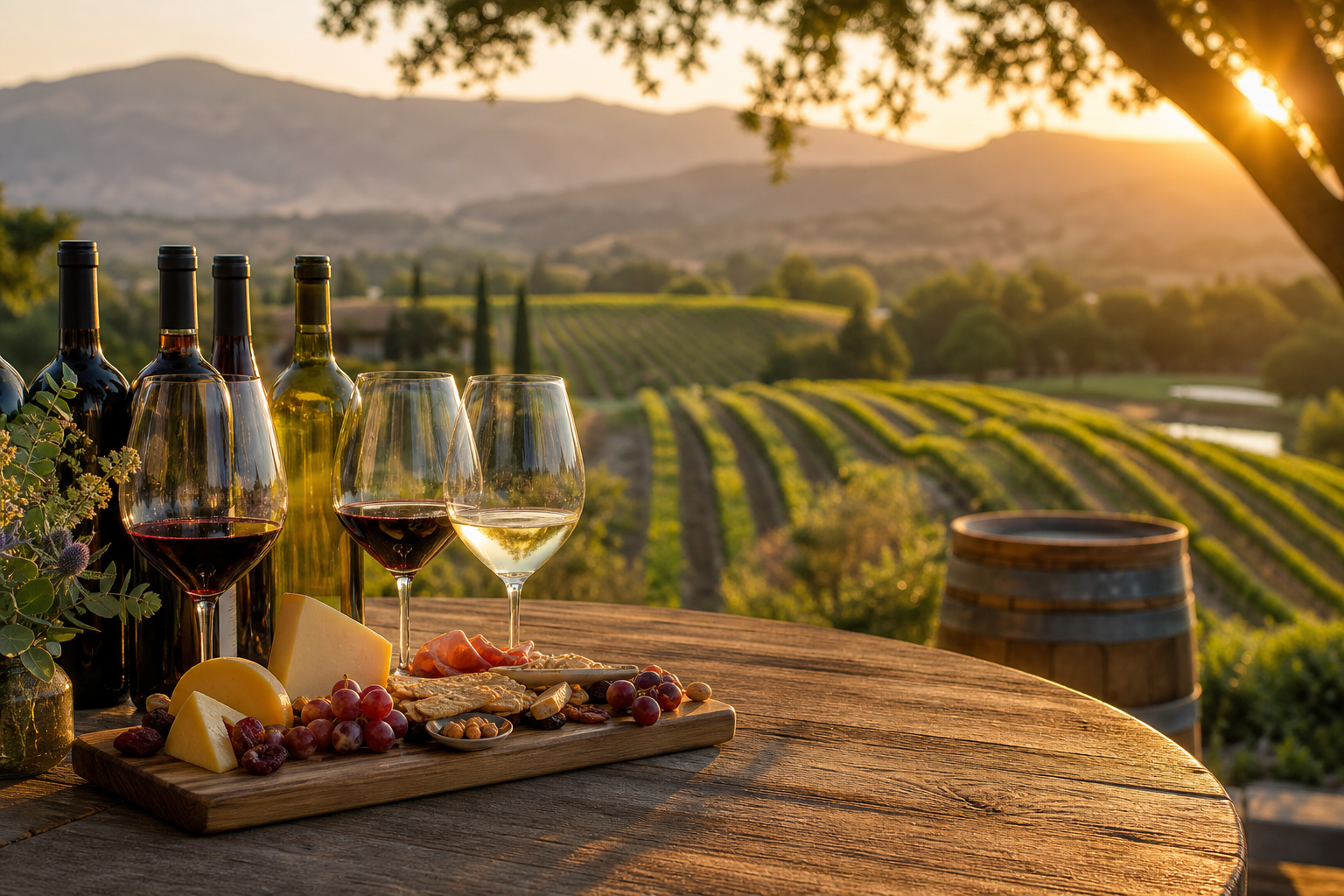
Summer brings a completely different energy to Temecula’s wine scene. Your February regulars who savored bold Cabernets by the fireplace? They’re now craving something entirely different under the valley’s warm sun. Understanding this shift isn’t just helpful – it’s essential for crafting a wine pairing menu that actually resonates.
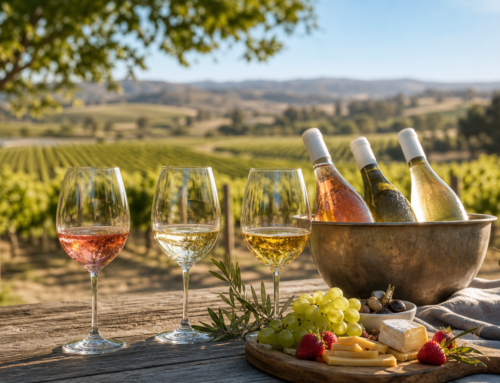
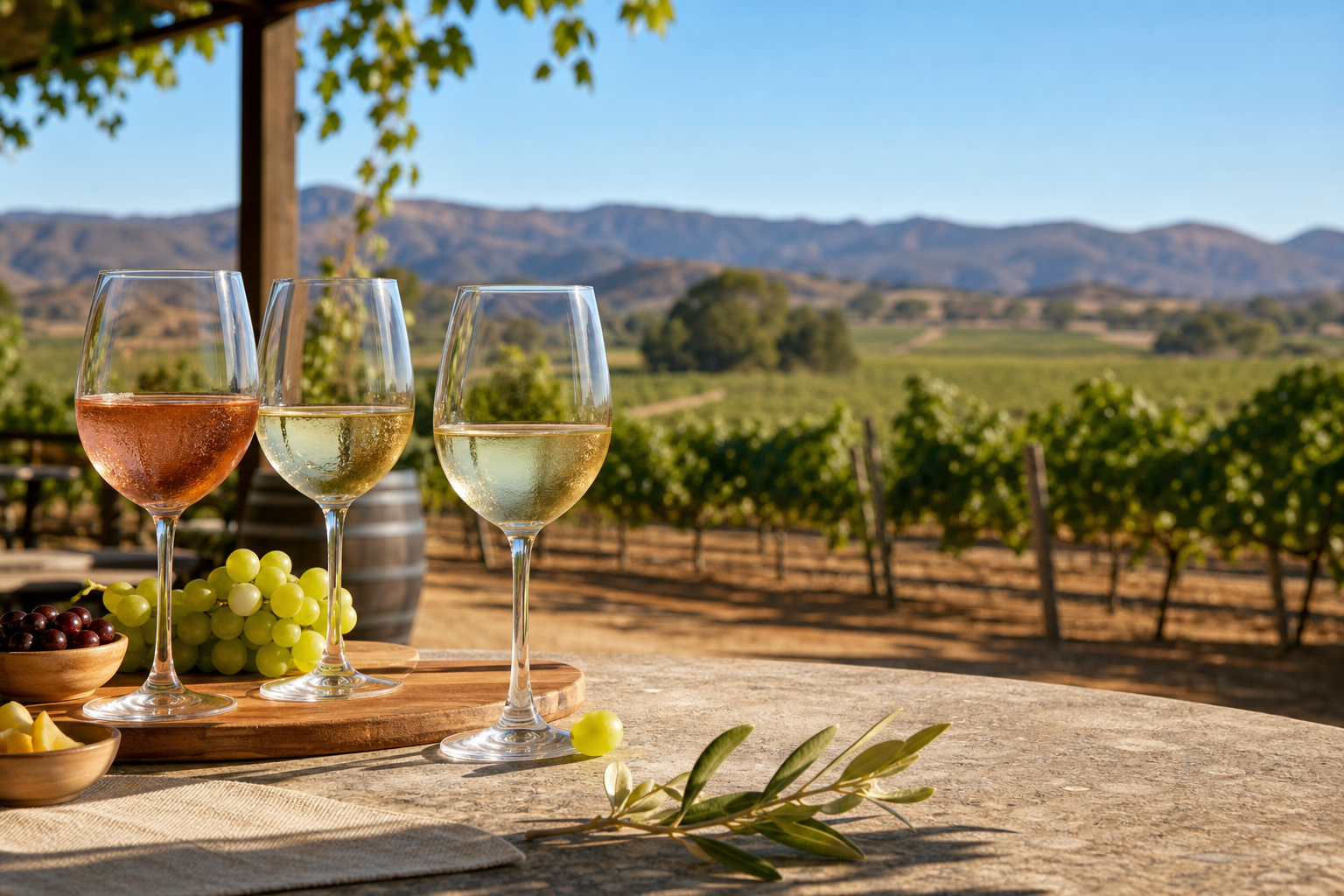
The typical summer wine enthusiast gravitates toward lighter, more refreshing options. Crisp Sauvignon Blancs, elegant Pinot Grigio, and even well-chilled rosés become the stars of the show. But here’s what many wineries miss: your guests aren’t just looking for lighter wines – they want food pairings that complement the season’s relaxed vibe.
Think about it from their perspective. After a morning exploring Temecula’s vineyards, they’re settling in for lunch with friends, potentially planning to stay through the afternoon. They want dishes that won’t weigh them down, wines that refresh rather than overwhelm, and an overall experience that feels effortlessly summery. This means your sustainable vineyard practices and seasonal approach should shine through every menu choice.
Balancing Regulars with Seasonal Visitors
Here’s where menu development gets tricky. Your loyal winter guests still visit during summer months, but they’re joined by tourists, wedding parties, and casual wine explorers who might never have experienced a proper wine tasting before. Creating a menu that satisfies both groups requires strategic thinking.
Your regulars appreciate complexity and aren’t afraid to try something new. They might welcome a unique wine pairing that challenges their palate – perhaps a unexpected combination of your estate Viognier with spiced lamb skewers. Meanwhile, newcomers often prefer familiar flavors with gentle introductions to wine pairing concepts.
The solution? Design your summer menu with clear progression points. Start with approachable pairings that build confidence, then offer more adventurous options for those ready to explore. Consider offering both “classic summer” selections alongside “sommelier’s choice” pairings. This dual approach ensures everyone finds something perfect for their comfort level and curiosity.
Weather Considerations for Outdoor Service
Temecula’s summer climate presents unique opportunities and challenges that directly impact your menu planning. Those gorgeous 85-degree afternoons are perfect for extended outdoor tastings, but they also mean certain wines and foods simply won’t work.
Heavy, sauce-laden dishes become less appealing when temperatures climb. Your kitchen team knows this, but coordinating with your wine selection requires extra attention. Delicate whites that taste sublime in your climate-controlled tasting room might lose their charm after sitting in summer heat, even briefly.
Smart planning means considering not just what tastes good together, but what holds up well in your specific environment. Fresh, seasonal ingredients paired with wines that maintain their character in warmer temperatures become your best friends. This is also where your venue’s infrastructure plays a role – adequate shade, cooling systems, and proper wine storage directly influence which pairings will actually succeed.
Don’t forget about afternoon wine tours that extend into evening service. As temperatures drop and the golden hour approaches, guests become more receptive to slightly fuller-bodied options. Building this natural progression into your menu timing creates a more dynamic experience.
Timing Your Menu Launch for Maximum Impact
The when of your summer menu launch matters just as much as the what. Launch too early, and you’re serving summer fare to guests still in winter mode. Wait too long, and you miss the seasonal excitement that drives bookings and social media buzz.
Most successful Temecula wineries find their sweet spot launching summer menus in late March or early April. This timing capitalizes on spring break energy while giving your team time to perfect new pairings before peak season hits. Plus, early adopters love being the first to experience your latest offerings – they become natural ambassadors for your new menu.
Consider soft-launching with your most engaged customers first. Wine club members and repeat visitors provide valuable feedback while generating authentic word-of-mouth marketing. Their initial reactions help you fine-tune portions, adjust pairings, and identify which combinations truly shine before rolling out to your broader audience.
Remember, your summer menu isn’t just about food and wine – it’s about creating an experience that guests will remember and recommend. When you understand your audience deeply and plan strategically, every pairing becomes an opportunity to exceed expectations.
Building Your Foundation Menu
Starting with Your Chef’s Vision
Your foundation menu begins with understanding your culinary team’s creative direction and seasonal philosophy. Most successful vineyard restaurants start menu planning three months ahead, giving chefs time to experiment with flavor profiles that will shine during peak summer operations.
The key lies in identifying your chef’s signature techniques and preferred ingredient families. Does your kitchen excel at Mediterranean-inspired preparations? Are they drawn to farm-to-table presentations with bold, fresh flavors? Understanding these preferences early shapes every subsequent decision in your wine pairing menu development.
Smart restaurants document their chef’s vision through detailed flavor mapping sessions. These collaborative meetings between kitchen and sommelier teams create the blueprint for dishes that naturally complement your vineyard’s wine portfolio. When your winery produces fruit-forward wines, your chef might lean toward preparations that enhance rather than mask those characteristics.
Consider scheduling these vision sessions during slower winter months. This timing allows your team to focus entirely on creative development without the pressure of daily service demands affecting their judgment.
Seasonal Ingredient Sourcing and Availability
February through April represents the critical sourcing window for summer menu success. Local farms in Temecula begin planning their growing schedules, and establishing relationships now determines your ingredient quality and consistency throughout peak season.
Your sourcing strategy should reflect the agricultural calendar of Southern California. Stone fruits peak in late June, making them perfect for wine pairings with lighter varietals. Tomatoes reach their prime in July and August, creating opportunities for dishes that complement bold reds and structured whites.
Build relationships with at least three suppliers for each key ingredient category. This redundancy protects your menu when weather patterns affect local harvests, as discussed in weather-related vineyard planning. Diversified sourcing also provides pricing flexibility during peak demand periods.
Document seasonal availability windows for each ingredient. Create monthly calendars showing when items are at peak freshness, pricing, and quality. This information becomes invaluable when planning wine pairing events and special menu rotations throughout summer operations.
Creating Dishes That Complement Rather Than Compete
The fundamental principle of vineyard dining centers on enhancement rather than domination. Your dishes should elevate wine characteristics while allowing the vineyard’s products to remain the star of the experience.
Successful wine pairing menu development follows the 60-40 rule: wines should contribute 60% of the flavor experience, with food providing 40% of the sensory impact. This balance ensures guests remember both the exceptional wines and the thoughtfully crafted accompaniments.
Focus on creating dishes with complementary texture profiles. Creamy preparations pair beautifully with crisp white wines, while dishes featuring slight acidity enhance the fruit-forward characteristics of many red varietals. Understanding these fundamental relationships guides menu development decisions.
Temperature contrast also plays a crucial role in successful pairings. Cold soups and salads create refreshing counterpoints to room-temperature reds, while warm appetizers can enhance the aromatic qualities of chilled whites. Planning these temperature dynamics early allows kitchen operations to flow smoothly during busy service periods.
Price Point Strategy for Summer Operations
Your foundation menu pricing strategy must account for increased summer labor costs, premium seasonal ingredients, and higher guest expectations during peak tourism months. Most Temecula wineries see 40-60% increases in visitor volume between May and September.
Structure your pricing in tiers that accommodate different guest demographics. Casual tastings require accessible price points, while private events and corporate groups often seek premium experiences. This dual approach maximizes revenue opportunities across diverse summer wine selection offerings.
Consider ingredient cost volatility when setting prices. Summer produce prices fluctuate significantly based on weather, transportation costs, and regional demand. Build 15-20% margin flexibility into your pricing structure to accommodate these variations without frequent menu repricing.
Bundle pricing for wine and food combinations often provides better perceived value than individual item pricing. Guests spending on wine tasting experiences appreciate simplified decision-making and predictable costs for their vineyard visit.
The Art of Wine Selection
Working with Your Current Inventory
The foundation of any stellar summer wine pairing menu starts with understanding what you already have in your cellar. Take a comprehensive inventory of your current wines, focusing on varietals that naturally shine in warmer weather. Your lighter-bodied reds like Pinot Noir and Beaujolais can transition beautifully from spring into early summer, while those heavier Cabernets might need strategic positioning on your menu.
Document the vintage years, tasting notes, and current quantities of each wine. This detailed assessment helps you understand which bottles are approaching their optimal drinking window and should be prioritized for summer service. Consider how each wine’s characteristics will complement seasonal ingredients – those crisp whites with citrus notes pair magnificently with summer seafood preparations.
Temperature stability becomes crucial when evaluating your existing inventory. Wines stored properly throughout the year will maintain their intended flavor profiles, but those affected by temperature fluctuations might require careful tasting to assess their current condition. Your winery storage protocols directly impact how well these wines will perform in summer pairings.
Identifying Gaps in Your Summer Portfolio
After cataloging your current collection, the gaps in your summer wine selection become apparent. Perhaps you’re heavy on full-bodied reds but lacking in the crisp whites and rosés that guests crave during hot Temecula afternoons. These gaps represent opportunities to enhance your menu’s appeal and create memorable dining experiences.
Consider the specific needs of summer entertaining. Sparkling wines often see increased demand during warm-weather celebrations, while light, food-friendly options become essential for extended outdoor dining sessions. Your wine selection should accommodate both casual tastings and formal pairing dinners throughout the season.
Local vineyard relationships can help fill these gaps efficiently. Building connections with nearby producers allows you to source wines that complement your existing portfolio while supporting the regional wine community. This approach also ensures freshness and quality that guests appreciate during their winery visits.
Balancing Familiar Favorites with New Discoveries
Successful summer wine pairing menus strike a delicate balance between crowd-pleasing favorites and exciting new additions. Your regular guests appreciate having their preferred varietals available, but they also visit expecting to discover something unexpected and delightful.
Introduce new wines gradually, perhaps featuring one or two experimental selections alongside proven performers. This strategy allows you to gauge guest reactions while maintaining confidence in your overall offerings. Consider how recent award-winning wines might elevate your summer menu’s prestige and attract wine enthusiasts seeking quality.
Staff training becomes essential when incorporating new wines into your rotation. Your team needs comprehensive knowledge of each wine’s characteristics, suggested pairings, and optimal service temperatures. This expertise translates into confident recommendations that enhance the guest experience and increase sales.
Seasonal wine events provide excellent opportunities to showcase new discoveries alongside established favorites. These gatherings allow guests to explore your expanded selection in a relaxed, educational environment that builds loyalty and generates buzz about your evolving wine program.
Storage and Service Considerations for Warmer Weather
Summer’s elevated temperatures demand careful attention to wine storage and service protocols. Your cellar management becomes more critical as ambient temperatures rise, potentially affecting wine quality if proper precautions aren’t maintained consistently.
Service temperatures require adjustment during warmer months. Wines that taste perfect at 65 degrees in winter might feel heavy and alcoholic at the same temperature during summer heat. Slightly cooler service temperatures can enhance refreshment factor while preserving the wine’s intended character and aromatics.
Outdoor service considerations add complexity to summer wine programs. Wines served on patios or in garden settings need protection from direct sunlight and rapid temperature changes. Proper glassware selection and timing become crucial elements in delivering optimal tasting experiences during warm-weather events.
Staff protocols should address the unique challenges of summer service, including proper wine handling in heat, maintaining ideal storage conditions, and recognizing when environmental factors might compromise wine quality. These considerations ensure every glass served meets your establishment’s standards regardless of weather conditions.
Testing and Refining Your Pairings
Setting Up Productive Tasting Sessions
Getting your tasting sessions right makes all the difference between rushed decisions and confident menu launches. Start by scheduling these sessions during your team’s natural energy peaks, typically late morning when palates are fresh but not overwhelmed. Create a structured approach that mirrors how guests will actually experience your pairings during busy summer service.
Temperature control becomes critical during testing phases. Set up your tasting area away from kitchen heat and direct sunlight, maintaining consistent conditions that reflect your actual dining environment. Having multiple flights ready at proper serving temperatures means you can evaluate how pairings evolve as wines warm or cool naturally throughout a meal.
Document everything during these sessions using simple scorecards that track flavor harmony, textural balance, and overall guest appeal potential. Include notes about seasonal ingredient variations since summer produce can shift dramatically in intensity and sweetness as the season progresses. This systematic approach helps identify which combinations translate well from controlled tastings to real service conditions.
Getting Honest Feedback from Your Team
Your staff becomes your most valuable testing resource when you create the right feedback environment. Encourage servers and kitchen team members to share honest reactions without worrying about hurting feelings or seeming inexperienced. Often, team members who regularly interact with guests bring insights that sommeliers might miss.
Structure feedback sessions around specific questions rather than general impressions. Ask about flavor progression throughout each pairing, whether combinations feel approachable for different guest preferences, and how confident they would feel recommending each option. Team members often catch practical concerns like pairings that might not photograph well for social media or combinations that could challenge guests with dietary restrictions.
Mix experienced tasters with newer team members during these sessions. Fresh palates sometimes detect subtleties that experienced tasters overlook, while veteran staff can identify potential service challenges or guest reaction patterns. This collaborative approach at our winery ensures pairings work both technically and practically when summer crowds arrive.
Fine-Tuning Based on Real Guest Reactions
Soft launches with select guests provide invaluable real-world feedback that internal testing cannot replicate. Invite trusted customers and wine club members to preview tastings, creating low-pressure opportunities to observe genuine reactions. Watch for subtle cues like hesitation before the next sip or enthusiastic conversations about specific combinations.
Pay attention to which pairings guests photograph and share naturally. Summer diners love showcasing their experiences on social platforms, so combinations that look as good as they taste often drive additional business through organic marketing. Notice timing patterns too, because some pairings might work beautifully during leisurely afternoon tastings but feel too complex for quick evening service.
Track specific feedback themes across multiple guest interactions. When several people independently mention that a particular pairing feels “too heavy for summer” or “perfectly refreshing,” those consistent reactions usually indicate accurate market positioning. Adjust accordingly, because guest comfort and enjoyment ultimately determine menu success more than technical perfection.
Documenting What Works for Future Seasons
Creating detailed records during your development process pays dividends for years to come. Document not just successful pairings but the reasoning behind adjustments and seasonal timing considerations. Note which wines performed consistently across temperature variations and which menu items adapted well to different preparation methods as kitchen workflows evolved.
Include supplier information and seasonal availability windows in your documentation. Summer ingredient sourcing can be unpredictable, so having backup options and alternative preparation methods recorded prevents menu disruptions when your first-choice ingredients become unavailable or overly expensive.
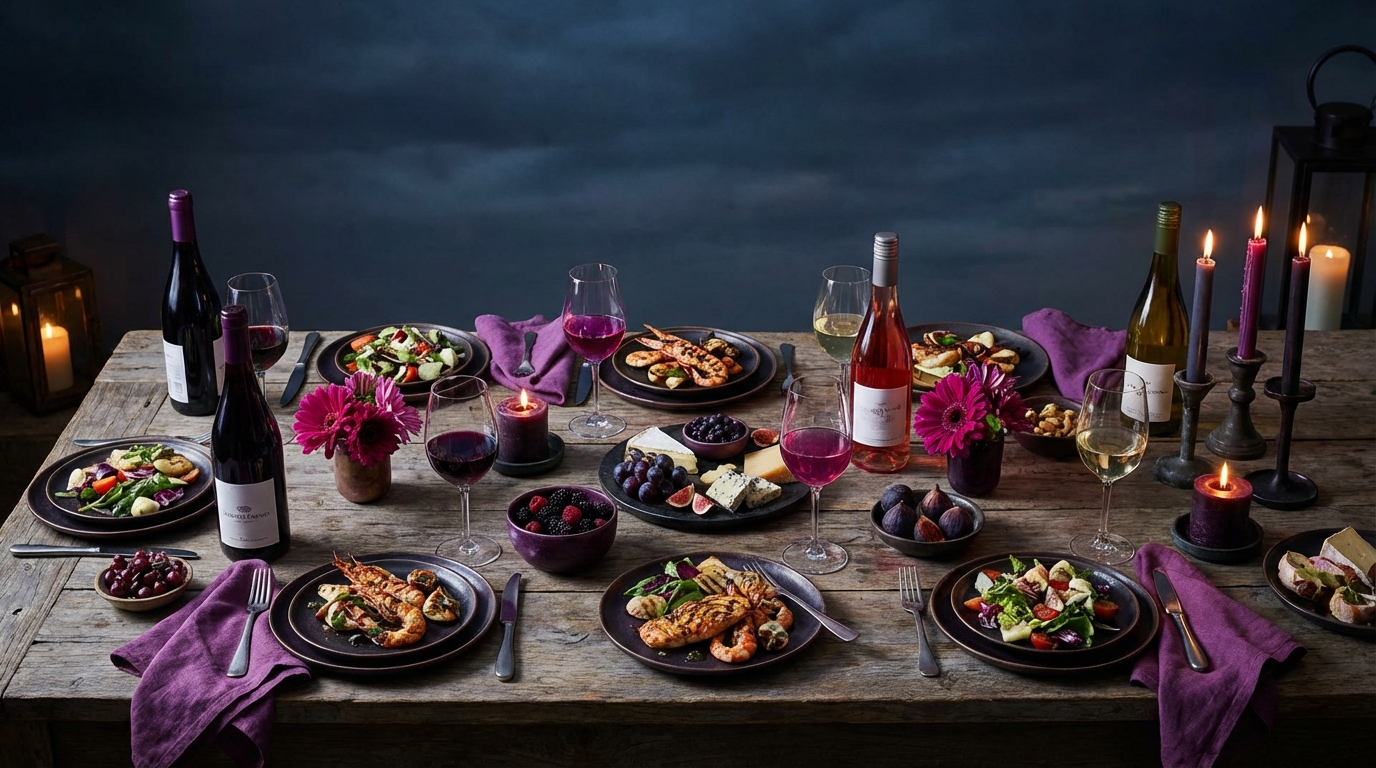
Photograph finished pairings alongside your notes, capturing plating styles and portion sizes that worked best. Visual references help kitchen staff maintain consistency and provide starting points for next season’s development process. Store temperature and service timing notes with these images, creating comprehensive guides that new team members can follow confidently.
Build your documentation system around practical accessibility rather than perfect organization. Simple digital folders with clear naming conventions often work better than complex systems that team members avoid using. The goal is creating resources that actually get referenced during future planning sessions, not impressive archives that gather digital dust.
Training Your Team for Success
Teaching the Story Behind Each Pairing
Your team members become storytellers the moment they present a wine pairing menu to guests. Each combination on your summer menu has a narrative – the crisp Sauvignon Blanc that mirrors the acidity in goat cheese, or how the tannins in your estate Cabernet cut through rich grilled lamb. Train your staff to connect these technical elements to memorable experiences guests can understand and appreciate.
Start with the basics: why does this pairing work? When your server explains that the citrus notes in your white wine complement the herbs in the seafood dish, they’re creating an educational moment that transforms a simple meal into a discovery. Practice these explanations until they sound conversational, not scripted. The goal is natural enthusiasm, not wine school lectures.
Document the inspiration behind each pairing decision. Was it influenced by Mediterranean coastal flavors? Does it showcase a particular vineyard block’s characteristics? These backstories give your team authentic talking points that make interactions feel personal rather than procedural. Guests remember stories, and they often become the reason for return visits.
Handling Common Guest Questions and Objections
Prepare your team for the inevitable “I don’t usually like red wine” or “This seems expensive for what it is” conversations. These moments are opportunities, not obstacles. Role-play different scenarios during training sessions, focusing on responses that acknowledge concerns while gently educating.
When guests express hesitation about trying new wines, train your staff to offer small tastes or suggest half-pours. The winery experience should feel exploratory, not intimidating. If someone questions pricing, your team should confidently explain the value – the estate-grown grapes, the careful aging process, the perfect temperature pairing considerations.
Develop a repertoire of alternative suggestions for common dietary restrictions or taste preferences. If someone can’t have the recommended wine due to sulfite sensitivity, what non-alcoholic pairing maintains the flavor balance? Your knowledgeable responses demonstrate professionalism and care for every guest’s experience.
Create a reference sheet with wine characteristics, flavor profiles, and suggested alternatives. When your server can quickly pivot from a bold Malbec to a lighter Pinot Noir while explaining why both work with the same dish, they’re showing expertise that builds trust and confidence in your recommendations.
Creating Confidence Through Knowledge
Confidence comes from understanding, not memorization. Schedule regular tasting sessions where your team experiences each wine pairing combination. They need to taste the interplay between food and wine, not just read about it. This hands-on knowledge translates into genuine enthusiasm when they’re describing pairings to guests.
Teach your team the fundamentals of wine structure – acidity, tannins, body, and finish – and how these elements interact with different foods. When they understand why a high-acid wine cuts through fatty foods, they can apply this principle beyond your specific menu items. This deeper knowledge makes them consultants rather than order-takers.
Encourage questions during training. If your sommelier can’t explain why certain pairings work, your servers won’t be able to either. Create an environment where learning continues throughout the season, with regular workshops and tastings that keep skills sharp and knowledge current.
Document tasting notes in your team’s own words. When servers develop personal vocabulary for describing wines and food combinations, their recommendations sound more authentic. The goal is informed passion, not robotic recitation of technical terms.
Building Upselling Skills That Feel Natural
Natural upselling happens when your team genuinely believes in the enhanced experience they’re offering. Train them to recognize opportunities – the anniversary couple who might appreciate a premium bottle, or the food enthusiasts asking detailed questions about preparation methods. These moments invite elevated recommendations without feeling pushy.
Focus on value addition rather than price increases. When suggesting a wine flight instead of individual glasses, emphasize the comparative tasting experience. If recommending a higher-tier bottle from your shop wines selection, explain the unique characteristics that justify the investment.
Practice transitional phrases that feel conversational: “Given your interest in bold flavors, you might enjoy…” or “For a special occasion like this, consider…” These approaches feel consultative rather than sales-driven. Your team should sound like knowledgeable friends making recommendations, not commissioned salespeople pushing inventory.
Track which approaches work best for different guest types. Some visitors respond to technical details about winemaking processes, while others prefer emotional connections to the vineyard’s history. Train your team to read these cues and adjust their approach accordingly, making every interaction feel personalized and thoughtful.
Rolling Out Your Summer Program
Soft Launch Strategies That Actually Work
Your beautiful summer menu exists on paper, but rolling it out requires finesse. Start with your most adventurous guests first. Those regular visitors who always ask about new releases? They’re your perfect test audience. Schedule a private wine tasting session with twelve to fifteen of these trusted guests before your official launch.
This soft launch gives you real feedback without the pressure of serving hundreds of guests something untested. Watch their reactions closely. Do they light up at the first sip of that Viognier with grilled peach salad? Does the Tempranillo work as well with the barbecue as you hoped? These moments tell you everything.
Staff training happens simultaneously during this phase. Your team needs to understand not just what’s being served, but why. When a guest asks about the pairing logic behind your rosé with watermelon feta salad, your server should confidently explain how the wine’s acidity cuts through the cheese while complementing the fruit’s sweetness.
Marketing Your New Pairings Without Overwhelming Guests
Temecula visitors come for relaxation, not a wine education lecture. Your marketing should feel like sharing exciting news with friends, not delivering a sommelier course. Create simple, visual descriptions that focus on experience rather than technical details.
Instead of “structured tannins create textural harmony with protein,” try “our Cabernet’s bold flavors make every bite of tri-tip taste even better.” Social media posts work best when they show the actual pairing in beautiful Temecula vineyard settings, letting guests imagine themselves enjoying the experience.
Your winery staff should introduce new pairings naturally during conversations. When guests mention loving bold reds, that’s your opening to suggest the new steak and Petite Sirah combination. The key is reading the room and matching enthusiasm levels.
Email newsletters perform well when they tell stories about the pairings’ development. Share how you discovered that your Chardonnay transforms when paired with corn on the cob, or why the chef insisted on adding that specific herb to complement your Sauvignon Blanc.
Tracking What’s Working and What Isn’t
Numbers don’t lie, but they need context in the wine business. Track obvious metrics like which pairings sell most frequently, but also observe guest behavior. Are people finishing their plates? Do they ask for seconds of certain items? These behavioral indicators often matter more than pure sales figures.
Create a simple feedback system that doesn’t interrupt the guest experience. Train servers to ask one specific question about pairings during natural conversation breaks. “How did you like the wine with that appetizer?” feels casual but provides valuable data.
Weekend versus weekday performance patterns matter significantly in Temecula. Your rosé and light salad pairings might dominate Saturday afternoon tastings but perform poorly during Thursday evening events. Document these patterns to inform future menu decisions.
Temperature affects everything in summer wine service. Track which pairings work best on those blazing 95-degree afternoons versus cooler evening tastings. Your heavy red wine pairings might need adjustment for peak summer heat.
Adapting on the Fly Throughout the Season
Summer brings constant changes that demand menu flexibility. Produce quality varies weekly, wine inventory shifts, and guest preferences evolve as temperatures climb. Successful wineries adapt their pairings continuously rather than locking into rigid menus.
Build relationships with local suppliers who can provide last-minute alternatives. When your planned stone fruit delivery disappoints, having a backup vendor for quality peaches or plums keeps pairings intact. Your Viognier pairing deserves perfect fruit, not whatever’s available.
Staff feedback proves invaluable during busy summer periods. Servers notice when guests consistently leave certain items unfinished or when they repeatedly request modifications. These observations guide mid-season adjustments that improve overall satisfaction.
Weather creates unexpected opportunities for menu evolution. Those rare cool summer evenings in Temecula might be perfect for introducing heartier pairings that seemed too heavy for your original summer concept.
Creating memorable summer pairings requires commitment to continuous improvement throughout the season. The most successful programs start strong with thoughtful soft launches, communicate clearly with guests about new offerings, track performance meticulously, and adapt quickly when circumstances change. Your dedication to this process transforms good wine experiences into unforgettable wine tour memories that bring guests back season after season, eager to discover what delicious combinations you’ll create next.