March Vineyard Soil Preparation Strategies for Optimal Spring Growth
Assessing Winter Impact on Vineyard Soils
As the vibrant hills of Temecula begin to shed their winter stillness, the vineyard environment undergoes a quiet but critical transformation. March represents a pivotal window for winemakers and enthusiasts alike to look beneath the surface before the growing season accelerates. While many visitors arrive for a wine tasting during these mild weeks, the real work is happening in the dirt. Assessing the legacy of winter is not just a chore; it is the fundamental step in ensuring that the coming vintage reaches its full potential. The health of the vines is inextricably linked to the status of the earth, and understanding how the cold months have altered the landscape is the only way to prepare for a successful bud break.
The transition from winter to spring involves more than just watching the thermometer. It requires a meticulous physical evaluation of the rows and the subterranean structures. Since the soil serves as the reservoir for nutrients and moisture, any lingering issues from December or January can manifest as stunted growth by May. Property owners and viticulturists must act as detectives, searching for subtle clues left by frost, heavy rains, and equipment traffic. Taking the time to walk the vineyards now prevents costly interventions later in the summer when temperatures soar and the plants are under maximum stress.
Evaluating Frost Damage and Soil Compaction
Winter in Southern California might be milder than in northern latitudes, but the diurnal temperature swings can still wreak havoc on the ground structure. Frost heaving occurs when moisture in the soil freezes and expands, physically lifting the top layers of earth. This movement can disrupt the delicate relationship between the soil and the vine trunk. When the ground eventually thaws, it often settles in a way that leaves gaps or air pockets around the root crown. These pockets can lead to root desiccation if not addressed early in the spring. Ensuring that the earth remains firm and protective around the base of the plant is a hallmark of a well-maintained winery operation.
Beyond frost, soil compaction is a silent thief of vine vigor. Throughout the wet months, the use of heavy machinery or even significant foot traffic on saturated ground compresses the pore spaces between soil particles. This Lack of oxygen (hypoxia) at the root level can stifle the microbial activity necessary for nutrient cycling. You might notice that certain rows feel “harder” or show less water infiltration than others. Addressing these compacted zones in March allows for better aeration before the vines enter their high-demand growth phase. Even during a casual wine tour, the difference between a thriving, aerated block and a compacted one is often visible in the canopy density later in the year.
Testing Soil pH and Nutrient Depletion Levels
Understanding the chemical composition of your land is essential for high-quality viticulture. Over the winter, heavy rains can leach essential mobile nutrients like nitrogen and magnesium deep into the subsoil, moving them out of reach of the root zone. March is the perfect time to conduct comprehensive testing to see what remains. Balancing the pH is the first priority, as levels that are too acidic or too alkaline will lock out nutrients, making even the most expensive fertilizers useless. A professional analysis of the soul provides the roadmap for any necessary lime or sulfur amendments before the roots begin their spring “flush” of growth.
Nutrient depletion isn’t always uniform across a property. Factors like slope, previous crop load, and cover crop density all influence what the soil has left to give. While some areas might require a boost of organic matter or compost, others might be over-saturated with certain minerals that could lead to vigor issues. By identifying these levels now, we can create a personalized plan for each block. This data-driven approach ensures that the wines produced are a true reflection of the terroir, untainted by the stress of nutrient deficiencies. It is this attention to detail that separates a good harvest from a truly exceptional one.
Identifying Drainage Issues from Winter Precipitation
Water management is perhaps the most significant challenge during the spring transition. While we welcome the rain, standing water is the enemy of a healthy root system. Poor drainage leads to anaerobic conditions, which are the primary breeding ground for root rot and other fungal pathogens.
During your March inspections, look for areas where water pools or where the soil remains “mushy” long after a storm has passed. These “wet feet” scenarios can drown the roots, leading to a slow decline in vine health that might not be apparent until the heat of July hits.
Improving drainage often involves clearing existing culverts, re-cutting swales, or potentially installing subsurface drainage tiles in problematic zones. In many Temecula properties, the clay content can make naturally slow drainage even worse. By observing how the land handles the tail-end of winter precipitation, you can make strategic decisions about cover cropping or tilling to help manage moisture levels. A healthy winery landscape is one that can store deep moisture for the dry months while efficiently shedding excess surface water to prevent saturation.
Recognizing Signs of Soil Erosion and Root Exposure
The power of flowing water should never be underestimated, especially on the rolling hills that make our region so scenic. Erosion can strip away the nutrient-rich topsoil, leaving behind rocky, unproductive subsoil. Even worse, significant runoff can physically wash away the earth from the base of the vines, leading to root exposure.
When roots are exposed to the air and sun, they become vulnerable to physical damage, pests, and temperature extremes. You should look for “rills” or small channels carved into the hillsides as clear evidence that the soil is moving where it shouldn’t.
Addressing erosion in March involves stabilizing the land before the spring winds and remaining rains do more damage. This might include:
- Re-mulching around the base of the vines to protect the root zone.
- Planting permanent cover crops in the mid-rows to hold the soil in place.
- Using straw wattles or silt fences in high-flow areas.
- Backfilling areas where roots have become visible with high-quality compost.
Protecting the physical integrity of the rows ensures that the infrastructure of the vineyard remains sound for decades to come, providing a beautiful backdrop for every wine tasting and event held on the grounds.
Essential Soil Testing and Analysis Protocols
Comprehensive Nutrient Profile Analysis
Precision is everything when you are working with a winery terroir that demands balance. Before the first buds break in March, we have to look deep into the chemical makeup of the earth. This involves taking standardized core samples across different blocks to identify any shifts in nitrogen, phosphorus, or potassium levels. It isn’t just about the major players, though. In Temecula, we often keep a close eye on boron and magnesium, as these trace minerals play a massive role in fruit set and canopy health later in the season.
If you have ever been on a wine tour through our estate, you might have seen our team marking out specific zones for testing. We do this because soil varies wildly even within a few acres. By analyzing the nutrient profile now, we can apply targeted amendments rather than using a broad-brush approach. This ensures that the vines get exactly what they need to thrive when the spring heat kicks in without over-saturating the land with unnecessary chemicals.
Testing protocols usually involve pulling samples from both the topsoil and the subsoil. The top twelve inches tell us about immediate availability, while the deeper samples show us what the established root systems will encounter as they stretch. When we host a wine tasting for visitors, we often explain how this invisible chemistry eventually translates into the acidity and structure in the glass. It is the foundation of everything we pull from the vine.
Organic Matter Content Assessment
The percentage of organic matter in our soil acts as a reservoir for nutrients and a buffer against environmental stress. During the mild days of early spring, assessing these levels helps us decide if we need to incorporate more compost or perhaps adjust our cover crop strategy. High-quality organic matter improves the water-holding capacity of the ground, which is vital in our local climate where summer can be unforgiving. We look for a dark, rich color and a crumbly texture that suggests the presence of decomposed plant material and beneficial carbon.
Maintaining these levels is one of the many activities we prioritize to ensure long-term sustainability. If the organic matter is too low, the soil becomes hard and difficult for roots to penetrate. Conversely, if we have a healthy layer of organic material, it helps regulate the ground temperature and keeps the roots cool during peak afternoon sun. This balance is what allows us to produce consistent, high-quality fruit year after year regardless of seasonal fluctuations.
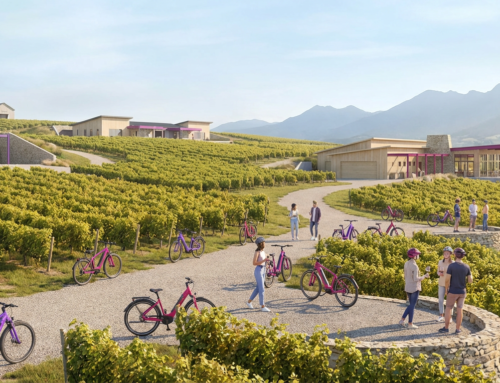
We often use this data to plan our mulching schedules for the coming months. A robust organic profile also supports the nitrogen cycle, slowly releasing energy to the vines as they wake up from dormancy. Many of our guests who explore the grounds on ebikes notice the lushness of the rows, which is a direct result of these careful assessments. It is a slow process, but building organic matter is the best insurance policy a vineyard manager can have against a dry season.
Soil Structure and Porosity Evaluation
Soil structure refers to how the individual particles of sand, silt, and clay are arranged into aggregates. In March, we check for compaction, which is the enemy of a healthy winery operation. Proper porosity allows air and water to move freely through the root zone. If the soil is too tightly packed, the roots can literally suffocate, leading to stunted growth and poor grape quality. We often perform a simple “shove test” or use a penetrometer to see how much resistance the earth offers.
Creating a porous environment is essential for drainage. While we love the spring rain, we don’t want the water sitting around the root crowns for too long. Good structure ensures that moisture reaches the deep roots while excess water moves away.
This is particularly important in our region, where soil types can shift from sandy loam to heavier clay within a short distance. By evaluating these physical properties now, we can decide if mechanical aeration or the addition of gypsum is necessary to open up the earth.
When the soil is breathable, the vines can establish a more expansive root network. This makes them much more resilient to drought later in the year. If you are participating in a wine tour, you will notice that the ground between the rows feels springy rather than concrete-hard. We work hard to maintain that “fluff” in the soil through careful timing of our tractor passes and by minimizing heavy equipment use during the wet months of February and March.
Microbial Activity and Biological Health Indicators
The soil is a living, breathing ecosystem, and its biological health is just as important as its chemistry. We look for indicators of microbial life, such as fungal hyphae and earthworm populations, which help break down nutrients into forms the vines can actually absorb. A healthy microbial community acts as a natural defense system against soil-borne pathogens. In the weeks leading up to the growing season, we might even use specialized lab tests to count the ratio of bacteria to fungi in our different blocks.
But why does this matter for your next wine tasting experience? Healthy microbes facilitate the uptake of minerals that contribute to the “terroir” or the sense of place in a vintage. Without these tiny organisms, the soil is effectively sterile, and the vines become dependent on synthetic fertilizers. By fostering a biological “living soil,” we create a more complex and expressive fruit profile that reflects the unique character of our specific location in Temecula.
Promoting this biological health involves avoiding harsh tilling that can disrupt fungal networks. We often leave certain areas undisturbed to allow these colonies to flourish. This holistic approach to vineyard management is what defines our philosophy.
We believe that by looking after the smallest inhabitants of the vineyard, we are ensuring the excellence of the final product that ends up in your bottle. It is a quiet, invisible labor that pays dividends once the harvest arrives in the fall.
Strategic Amendment and Fertilization Approaches
Organic Compost Integration for Long-Term Health
In the transition between winter and spring, the vineyard floor becomes the primary focus for nutrient management. March is the perfect time to integrate organic compost, as the soil moisture levels in Temecula are usually sufficient to help break down organic matter without the risk of heavy runoff. Applying well-aged compost at the base of the vine rows provides a slow-release source of nitrogen, phosphorus, and potassium. This is actually a critical step for maintaining soil structure and water retention during the warmer months ahead.
When you visit a winery during this period, you might notice the distinct dark color of freshly spread organic matter along the trellises. We focus on compost that has been properly aerated to ensure it is free of pathogens and weed seeds. This organic layer does more than just feed the vines; it also suppresses early-season weed growth and regulates soil temperature. For those interested in the agricultural side of the valley, reading about temecula and its unique granite soils provides great context for why organic matter is so vital here.
The goal is to create a living soil environment that supports vigorous vine health. We aim for a application depth of roughly two to three inches, focusing on the root zone specifically. This creates a buffer against the high temperatures we often see later in the season.
By building up the soil’s “savings account” of nutrients now, the vines are better equipped to handle the stresses of fruit set and ripening later in the summer. It simply makes sense to invest in the dirt before the leaves even start to show.
Targeted Mineral Corrections for Deficiencies
Even with consistent composting, specific mineral deficiencies can arise based on previous harvest yields and rainfall patterns. We rely on mid-winter soil tests to guide our March mineral corrections. Common issues in our region include low magnesium or zinc levels, which can lead to poor fruit sets if left unaddressed. Applying targeted minerals like lime, gypsum, or potassium sulfate is a precision task that ensures each block of the vineyard gets exactly what it needs to thrive.
But why is this precision so important? Over-fertilizing with mineral salts can actually harm the delicate balance of the soil microbiome. We use granulated minerals that break down slowly over several weeks. This timing ensures that the nutrients are mobile in the soil moisture just as the roots begin their first spring push. If you are participating in a wine tour during this window, you may see winemakers walking the rows with handheld monitors or taking final soil samples to calibrate their equipment.
The chemical balance of the soil also dictates the aromatics and flavors of the final wines. For instance, maintaining proper calcium levels is essential for cell wall strength in the grapes, which helps them resist pests and mold. These subtle corrections are what separate a standard harvest from a premium one. It is an intimate process that requires constant observation and adjustment based on the specific needs of different varietals like Syrah or Cabernet Sauvignon.
Cover Crop Management and Incorporation Timing
The lush green blankets of clover, vetch, and mustard that grew throughout the winter must now be managed. March is the window where we decide whether to mow the cover crop or till it directly into the soil as “green manure.” Mowing creates a protective mulch that keeps the soil cool, while tilling provides an immediate nitrogen boost. The choice often depends on the vigor of the specific vine block and the current moisture levels in the ground.
Managing these plants is a delicate balancing act. If the cover crop grows too high, it might compete with the vines for water as the temperatures rise. If we mow too early, we lose the benefits of the biomass. Most vineyard managers wait until about 50% of the cover crop has flowered before making a move. This ensures the maximum amount of nitrogen is “fixed” in the soil. Exploring the valley on e-bikes during this time allows you to see the different management styles across various properties.
Incorporating these crops also helps improve soil aeration. The root systems of radishes or legumes break up compacted earth, allowing oxygen to reach the vine roots. This natural cultivation method reduces the need for heavy machinery and keeps the soil biology active. Once the crop is mowed or tilled, the breakdown process begins, feeding the earthworms and beneficial bacteria that are essential for long-term vineyard health and sustainable production.
Beneficial Mycorrhizal Inoculation Strategies
Modern viticulture recognizes that a vine is only as strong as its relationship with soil fungi. Mycorrhizal fungi form a symbiotic bond with the vine roots, effectively extending the root system’s reach to find water and phosphorus. In March, we often apply inoculants to young vines or areas where the soil has been disturbed. This strategy transforms the root zone into a highly efficient nutrient-gathering network that helps the vineyard withstand drought conditions.
These fungal partners also help the vine defend itself against harmful soil pathogens. By colonizing the root surface, they create a physical and chemical barrier that makes it harder for diseases to take hold. While you are enjoying a wine tasting, it is fascinating to think about the complex web of life happening just inches beneath your feet. This biological approach to vineyard health reduces our reliance on synthetic chemicals and promotes a more resilient ecosystem.
- Increased drought tolerance through improved water uptake.
- Enhanced absorption of phosphorus and micronutrients.
- Natural protection against root-borne pests and diseases.
- Improved soil structure and long-term carbon sequestration.
Applying these inoculants is usually done through the irrigation system or via a direct soil drench. The timing is vital because the fungi need the warm, moist soil of early spring to establish themselves before the intense heat of May and June arrives. It is about creating a personalized environment for each vine to succeed. When the soil is thriving with beneficial life, the quality of the fruit reflects that vibrancy, resulting in wines with deeper complexity and a true sense of place.
Cultivation and Physical Soil Preparation
Optimal Tillage Timing to Prevent Compaction
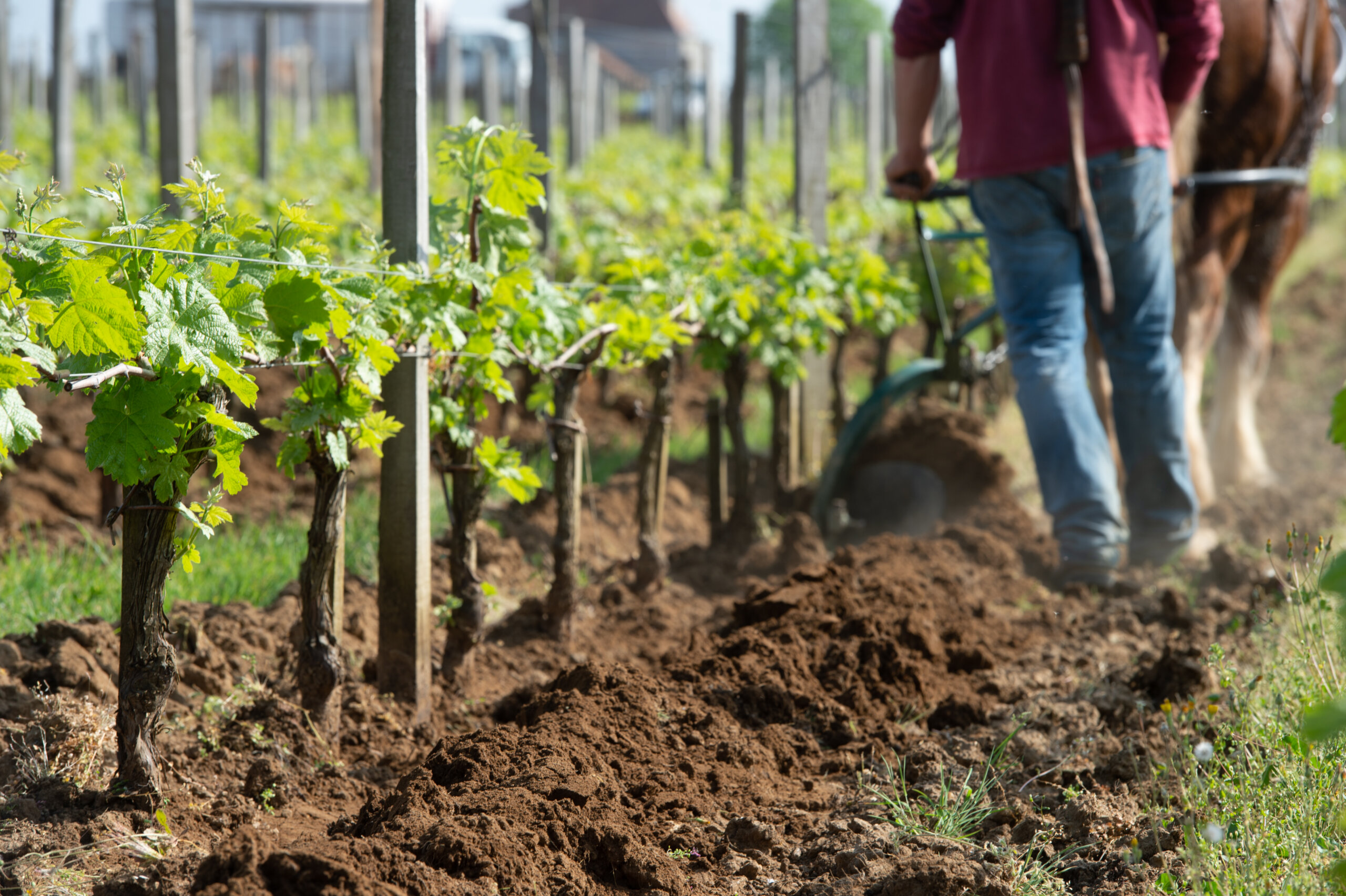
In Temecula, March often acts as a transitional bridge between the late winter rains and the warming spring sun. For any local vineyard manager, the physical structure of the soil is just as important as its chemical makeup. Heavy machinery used during the dormant season can lead to significant soil compaction, which restricts root growth and limits water infiltration. We find that timing your tillage is a delicate balance. If you enter the rows while the soil is too saturated, you risk creating a “plow pan” layer that roots simply cannot penetrate.
Waiting for the right moisture levels is essential to maintaining the tilth required for healthy vines. In our experience, testing the soil by hand is the most reliable method. If the soil forms a tight ball that does not crumble when squeezed, it is still too wet for heavy equipment. However, once the ground reaches a friable state, a light tilling can help aerate the root zone. This process encourages the microbial activity necessary for nutrient cycling. Many visitors who join us for a wine tasting are surprised to learn that the fluffiness of the dirt beneath their feet directly impacts the complexity of the fruit in their glass.
Strategically, we advocate for “under-vine” cultivation rather than clearing the entire row. This keeps the mid-row cover crops intact, which helps support the weight of tractors and prevents further compaction. By focusing on the immediate area around the vine trunks, you ensure that the primary root system has access to oxygen without compromising the structural integrity of the entire block. This careful management of the physical environment is what allows a winery to maintain consistent yields year after year, even as weather patterns shift.
Row Spacing Adjustments for Equipment Access
As we move deeper into the spring season, the canopy will begin to explode with new growth. March is the final opportunity to evaluate your row spacing and ensure that your physical soil preparation equipment can pass through without damaging the fragile new shoots. In older Temecula estates, rows might be tighter than modern high-density plantings, requiring specialized narrow-track tractors or manual labor.
Ensuring clear access is not just about convenience; it is about precision. If your equipment is too wide for the space, you will inevitably compact the soil too close to the vine, leading to stunted growth.
We often discuss these technical aspects of estate management during our educational workshops where we dive into the logistics of vineyard layout. For those looking to optimize their workflow, consider if your current row configuration allows for “one-pass” soil conditioning. Combining tasks like tilling and organic amendment application into a single trip reduces the number of times heavy tires roll over the earth. This efficiency transforms the way a vineyard operates, making the busy spring months much more manageable for the crew.
Furthermore, clear and well-maintained rows enhance the guest experience. When groups arrive for a wine tour, the visual symmetry of perfectly spaced, well-cultivated rows creates a sense of professional care and intentionality. It shows that the viticultural team understands the relationship between the physical land and the final product. If you find that your equipment is rubbing against the cordons or catching on the trellis wires, March is the time to make physical adjustments to the hardware before the vines become too heavy with foliage.
Weed Control Integration with Soil Preparation
Weeds are the primary competitor for young vines in the early spring, fighting for both water and the nitrogen we just applied during fertilization. Integrating weed control into your late March soil preparation is a non-negotiable step. While some prefer chemical interventions, mechanical cultivation remains a favorite for many premium growers who want to maintain an organic-leaning profile. A shallow “burn-off” cultivation can disrupt the root systems of germinating weeds without flipping the soil so deeply that you lose precious moisture to evaporation.
Actually, leaving some native vegetation in the center of the rows can be beneficial, but the “strip” directly under the vine should be kept clean. This prevents pests from having a direct ladder into the canopy. When you visit us during the spring, you will notice the distinct clean lines under our vines. This is achieved through a combination of mechanical hoeing and hand-weeding. Removing this competition early ensures that every drop of spring rain goes toward grape production rather than fueling invasive mustard or grasses.
Managing the vineyard floor in this way also helps with frost protection. Bare, firm soil absorbs more heat during the day and radiates it back toward the vines at night. If you have tall, shaggy weeds under the vines, they act as an insulator, keeping the ground cool and increasing the risk of frost damage to the budding shoots.
This level of detail is what separates a standard vineyard from one that produces world-class wines. It really is about the little things that happen in the dirt long before the first bottle is ever corked.
Mulching Strategies for Moisture Retention
As the temperatures begin to rise toward the end of the month, the focus shifts toward preservation. Mulching is a powerful tool in the vineyard manager’s arsenal, acting as a protective blanket for the soil. By applying a layer of organic mulch, such as wood chips, straw, or even composted grape pomace, you can significantly reduce the rate of evaporation.
In the semi-arid climate of Temecula, conserving every gallon of water is crucial. Mulch helps maintain a consistent moisture level in the top six inches of soil, which is where many of the vine’s feeder roots reside.
Beyond moisture, mulching suppresses weed regrowth and adds organic matter back into the system as it decomposes. This creates a self-sustaining cycle of fertility. For those planning an intimate wine tasting experience in the fields, a well-mulched row also provides a much more comfortable and aesthetically pleasing environment for walking. It reduces dust in the summer and mud in the winter, making the vineyard accessible year-round. It is a win-win for both the biology of the vine and the hospitality side of our business.
When selecting your mulch, consider the carbon-to-nitrogen ratio. High-carbon materials like straw can sometimes “tie up” nitrogen as they break down, so you might need to supplement with a light liquid fertilizer. However, the long-term benefits of improved soil structure and water holding capacity far outweigh these minor adjustments.
This holistic approach to soil preparation ensures that the vines are resilient, healthy, and ready to face the heat of the coming California summer. It is the foundation upon which all our premium vintages are built.
Water Management and Irrigation Preparation
Drainage System Inspection and Maintenance
March presents the ideal window for comprehensive drainage system evaluation before spring rains intensify. Vineyard managers should begin by walking the entire property to identify areas where water pools during winter months, as these locations often signal compromised drainage that could impact root health throughout the growing season.
Start with French drain systems, clearing accumulated debris from collection points and ensuring proper water flow through underground channels. Check for soil settlement around drainage tiles, which can create low spots that redirect water flow away from intended paths. Any settling requires immediate attention, as improper drainage leads to waterlogged soil conditions that stress vine roots and promote fungal diseases.
Surface drainage channels need thorough cleaning to remove sediment buildup from winter runoff. Use a trenching shovel to restore original channel depth, maintaining a consistent grade that moves water efficiently off vineyard blocks. Pay special attention to areas where tractors and equipment have created compaction, as these zones often develop into problematic water collection points.
Irrigation Line Winterization Recovery
The transition from winter dormancy to active irrigation requires systematic inspection of all water delivery components. Begin by pressurizing main lines gradually, checking for freeze damage that may have occurred despite winterization efforts. Even minor cracks in PVC or polyethylene tubing can develop into major breaks under full system pressure.
Drip irrigation emitters require individual attention after months of inactivity. Remove end caps and flush lines thoroughly to clear any debris or mineral deposits that accumulated during the dormant period. Test emitter flow rates using collection containers, ensuring uniform water distribution across vine rows. Replace any emitters showing reduced flow rates, as inconsistent watering creates uneven vine development.
Smart irrigation controllers need recalibration for the upcoming season. Update programming schedules to account for increasing daylight hours and rising temperatures that will drive higher water demands. Verify soil moisture sensor connections and replace batteries in wireless monitoring equipment. These preparations ensure precise water management when vines begin active growth.
Soil Moisture Monitoring System Setup
Establishing baseline soil moisture data in March provides critical information for irrigation decision-making throughout the growing season. Install moisture sensors at multiple depths within each vineyard block, typically at 12-inch, 24-inch, and 36-inch levels to track water movement through the soil profile.
Sensor placement requires careful consideration of vine root zones and soil variability across the vineyard. Position instruments midway between vine rows, avoiding areas disturbed by recent cultivation or amendment application. In Temecula’s diverse soil types, which range from sandy loam to clay-heavy compositions, multiple monitoring points help identify localized moisture variations that impact vine performance.
Data logging systems should connect to weather stations for comprehensive irrigation management. Modern telemetry allows remote monitoring of soil conditions, enabling precise irrigation timing based on actual plant water stress rather than calendar schedules. This technology-driven approach proves particularly valuable during Temecula’s variable spring weather patterns, when sudden temperature changes can dramatically alter vine water requirements.
Erosion Control Measures for Sloped Vineyards
Temecula’s rolling hillside vineyards face unique erosion challenges that require proactive management before spring rains arrive. Slope gradients exceeding 15 percent need specialized protection measures to prevent topsoil loss and maintain optimal growing conditions for vine root systems.
Cover crop establishment in row middles provides immediate erosion protection while improving soil structure. Plant erosion-control species like annual ryegrass or crimson clover in early March, allowing sufficient time for root development before heavy spring precipitation events. These plantings also contribute organic matter when mowed and incorporated into soil during summer cultivation.
Physical barriers offer additional protection on steep slopes where vegetative cover alone proves insufficient. Install silt fences or check dams in natural drainage courses to slow water velocity and capture sediment. Strategic placement of these structures prevents gully formation while allowing controlled water infiltration that benefits vine root zones.
Terracing considerations become critical for newly planted vineyard areas or locations showing signs of significant erosion. March provides optimal timing for terrace construction or repair, as soil moisture levels allow proper compaction while avoiding the muddy conditions that complicate earthwork activities. Proper terracing not only controls erosion but creates level planting surfaces that improve mechanization efficiency and vine uniformity throughout the vineyard operation.
Creating Your March Preparation Timeline
Weather-Dependent Task Scheduling
March weather patterns in Temecula create distinct windows for optimal soil preparation activities. Temperature fluctuations between cool mornings and warmer afternoons require careful timing for different vineyard tasks. Soil cultivation works best during mid-morning hours when ground moisture levels stabilize but before afternoon heat stress affects both workers and equipment.
Rain forecasts dictate the entire preparation schedule. A three-day dry period following precipitation provides ideal conditions for heavy machinery operations, allowing soil compaction recovery while maintaining adequate moisture for nutrient incorporation. Vineyard managers should monitor soil moisture levels using penetrometer readings, targeting 15-20% moisture content for cultivation activities.
Wind patterns also influence task scheduling, particularly for organic amendment applications and cover crop seeding. Early morning hours typically offer the calmest conditions for precision spreading operations. Afternoon winds can scatter materials unevenly, reducing application effectiveness and increasing waste.
Temperature considerations extend beyond daily fluctuations. Soil temperatures reaching 50-55°F consistently signal optimal timing for beneficial microorganism activity enhancement. This temperature threshold often occurs during the third week of March in Temecula’s climate zone, making it the prime window for incorporating biological soil amendments.
Equipment Maintenance and Readiness Checks
Comprehensive equipment inspections prevent costly delays during critical preparation periods. Cultivation implements require thorough examination of wear points, including disc blade sharpness, tine integrity, and bearing lubrication. Dull equipment increases fuel consumption by 25-30% while creating uneven soil disturbance patterns that compromise root development.
Hydraulic systems demand particular attention after winter storage. Fluid levels, hose condition, and connection integrity directly affect implement performance and safety. A single hydraulic failure during peak preparation activities can delay operations by several days, potentially missing optimal weather windows.
Spreader calibration ensures precise application rates for soil amendments. Running calibration tests with sand or similar materials allows operators to verify distribution patterns and adjust settings before handling expensive organic materials. This process typically requires 30-45 minutes per implement but prevents costly over-application or uneven coverage.
Backup equipment availability becomes crucial during March preparation activities. Having alternative cultivation tools ready reduces dependency on single machines and maintains schedule flexibility when weather conditions create narrow operational windows.
Labor Planning for Peak Preparation Activities
March soil preparation demands coordinated labor deployment across multiple vineyard blocks simultaneously. Skilled operators handle specialized equipment while support crews manage material handling, irrigation system adjustments, and quality control monitoring. Cross-training team members ensures operational continuity when primary operators encounter scheduling conflicts.
Staggered work schedules maximize daylight utilization during optimal soil conditions. Early shifts handle moisture-sensitive operations, while afternoon crews focus on tasks less affected by temperature variations. This approach extends productive hours and reduces weather-related delays.
External contractor coordination requires advance scheduling, particularly for specialized services like deep ripping or custom organic amendment application. March represents peak demand for these services throughout winery regions, making early booking essential for securing preferred timing slots.
Safety training intensifies during heavy machinery operations periods. Soil preparation activities involve increased equipment movement, material handling, and varying ground conditions that elevate risk factors. Daily safety briefings and equipment-specific training reduce accident potential while maintaining productivity standards.
Monitoring Benchmarks for Successful Implementation
Soil penetration resistance measurements provide quantifiable assessment of cultivation effectiveness. Target readings below 300 PSI in the top 18 inches indicate adequate compaction relief for vine root expansion. Weekly measurements throughout March track improvement progress and identify areas requiring additional attention.
Organic matter incorporation rates determine long-term soil health improvements. Visual assessment of amendment distribution, combined with soil sampling for organic content analysis, validates application uniformity. Proper incorporation achieves 80-85% material integration within the target depth zone.
Moisture retention capacity improvements become evident through infiltration testing. Well-prepared soils demonstrate 20-30% increased water absorption rates compared to untreated areas. These measurements guide irrigation scheduling adjustments for the upcoming growing season.
Root zone pH stability monitoring ensures optimal nutrient availability conditions. March soil preparation activities can temporarily affect pH levels through organic matter decomposition and chemical reactions. Monthly testing throughout the preparation period identifies any corrective measures needed before vine bud break.
The foundation for exceptional wine production begins with meticulous March soil preparation. Implementing these timeline strategies positions vineyards for robust spring growth and optimal fruit development. Visitors exploring our vineyard during upcoming seasons witness firsthand the results of this careful preparation work, creating memorable experiences that showcase the dedication behind every bottle produced.