Understanding Vineyard Water Management During Peak July Heat
The Critical Role of Water in July for Grapevine Health
Why July Presents Unique Hydration Challenges
As the peak of summer descends upon Temecula, July ushers in some of the most significant hydration challenges for our Vineyards. The combination of intense solar radiation, high ambient temperatures, and often low humidity creates an environment where grapevines face constant evaporative stress. This isn’t just about giving the plants water, it’s about providing the right amount at the right time to support critical growth stages without inducing either over-hydration or severe water stress. We’re talking about conditions where a single misstep in water management can have cascading effects on the entire vintage. It’s a delicate balance, and achieving it demands acute attention to detail and a deep understanding of viticultural science. For regions like ours, where the sun beats down relentlessly, proactive and precise irrigation becomes non-negotiable for maintaining vine health and fruit quality. It’s truly a make-or-break month for much of the growing season, and our commitment to sustainable vineyard practices means we approach these challenges with both scientific rigor and environmental consciousness.
Understanding Grapevine Phenology and Water Needs in Summer
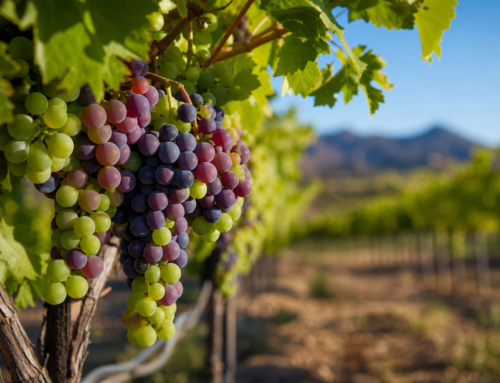
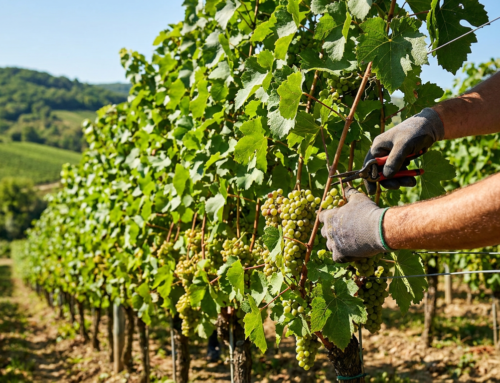
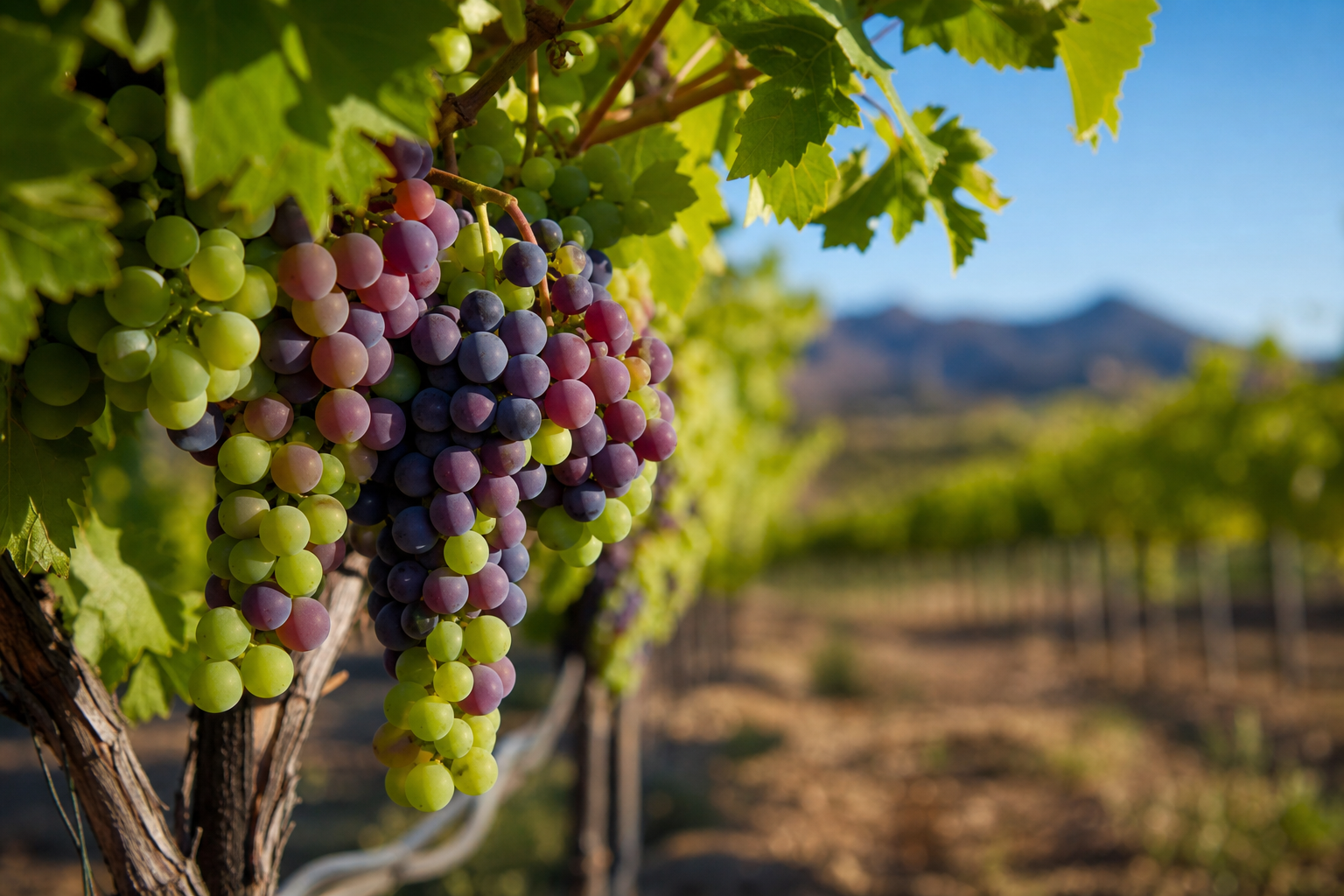
Grapevine phenology, or the study of cyclic and seasonal natural phenomena related to plant life, is crucial for understanding water needs, especially in July. At this point in the growing season, most varietals in our Temecula Vineyards are in the midst of véraison, the period when grapes begin to soften and change color. This is a metabolically intense stage, requiring significant energy and, consequently, water.
The developing berries are rapidly accumulating sugars, acids, and phenolic compounds, all of which are mediated by water transport within the plant.
Different grape varieties also exhibit varying water requirements based on their genetic makeup and canopy architecture. Some might be more drought-tolerant, while others demand a consistent moisture supply to prevent desiccation. Understanding these nuances is part of what allows us to produce high-quality wines. We routinely conduct irrigation system testing to ensure our systems are prepared for these critical demands. This deep understanding of each vineyard block’s specific needs, combined with meticulous monitoring, forms the backbone of our summer water management strategy. It’s not a “one size fits all” approach; rather, it’s a tailored program designed to optimize every cluster’s potential.
Impact of Water Stress on Fruit Development and Quality
When grapevines experience water stress during July, the consequences for fruit development and the ultimate quality of the wine can be severe and far-reaching. Insufficient water can halt cell division in the berries, leading to smaller fruit and lower yields. More critically, it can impair the accumulation of essential compounds like anthocyanins (responsible for color in red grapes) and desirable aroma precursors. This can result in wines with less vibrant color, diminished aromatic complexity, and a harsher tannic structure, clearly not what we aim for at our winery.
Conversely, excessive irrigation, particularly in July, can also be detrimental. Overwatering can lead to diluted flavors, reduced sugar concentration, and an increased risk of fungal diseases due to higher humidity within the canopy. Finding that sweet spot, where the vine receives just enough water to thrive without overproducing vegetative growth or diluting fruit quality, is an art form. Our goal is always to encourage balanced growth that contributes to concentrated, expressive fruit, suitable for the premium wines we craft.
Warning Signs of Dehydration in the Vineyard Canopy
Recognizing the early warning signs of dehydration in the vineyard canopy is essential for timely intervention and mitigating potential damage to the grapes. One of the most common indicators is leaf wilting, where the leaves lose turgor pressure and begin to droop, particularly during the hottest parts of the day. While some midday wilting can be normal in extreme heat, persistent wilting into the evening or morning hours is a clear red flag. Another sign is leaf curling or rolling, a mechanism grapevines use to reduce their exposed surface area to the sun, thereby decreasing transpiration.
Changes in leaf color, such as a duller green or even a yellowish tinge, can also indicate chronic water stress. Stressed vines might also exhibit stunted shoot growth, short internodes, and a general lack of vigor compared to adequately hydrated ones. We also look at the tendrils; if they appear crispy or dry rather than supple, it suggests the vine isn’t receiving enough moisture. Catching these signals early means we can adjust our irrigation schedules, like those discussed in our post on sustainable cover crop, and prevent long-term damage, ensuring our Temecula Vineyards continue to produce the exceptional fruit our customers expect. These visual cues, combined with advanced soil moisture monitoring, provide a comprehensive picture of vine health.
Assessing Vineyard Water Status and Soil Moisture
Traditional Methods for Soil Moisture Evaluation
Understanding the current water status of your vineyard soil is paramount, especially when facing the intense July heat in Temecula. Traditionally, vineyard managers have relied on simple, yet effective, manual methods to gauge soil moisture. The shovel and visual inspection technique, for instance, remains a foundational practice.
It involves digging down a few inches into the root zone to physically examine the soil. You’re looking for cues like soil color, friability, and how well it holds together when squeezed. A dark, cohesive soil often indicates good moisture, while light, crumbly soil points to dryness.
Another common approach is the feel method, which relies on the manager’s experience and tactile sense. Taking a handful of soil and feeling its texture, weight, and stickiness can provide surprisingly accurate insights into its moisture content. For instance, a soil that feels cool and damp but doesn’t drip water after squeezing is likely at a good moisture level. On the flip side, sandy soils can feel dry even when they have some available moisture, while heavy clay soils can retain water for longer, making them feel wet even when the vines are starting to stress. These traditional methods, while not quantitative, are rapid and cost-effective, offering a quick snapshot of conditions and helping guide immediate irrigation decisions, particularly in varying vineyard soil formations.
However, it’s crucial to remember that these manual assessments are subjective and can vary significantly between individuals. They also only provide data for a very localized spot, which might not be representative of the entire block due to soil variability. For larger vineyards or during critical growth stages like veraison under peak heat, a more comprehensive and objective approach is often necessary to prevent grapevine heat stress and ensure consistent quality, much like how the soul influences everything.
Utilizing Advanced Sensor Technologies for Precision Monitoring
In modern viticulture, relying solely on traditional methods for soil moisture assessment during peak July heat would be akin to navigating without a compass. Advanced sensor technologies have revolutionized how we monitor vineyard water status, providing precise, real-time data that informs proactive irrigation strategies. Defined Key Terms: Soil moisture sensors, for instance, are devices placed at various depths within the soil profile to continuously measure volumetric water content or matric potential.
There are several types of sensors commonly employed in Temecula Vineyards. Time-domain reflectometry (TDR) and frequency-domain reflectometry (FDR) sensors measure the dielectric constant of the soil, which is directly related to water content. They offer high accuracy and can be permanently installed for continuous, automated data collection.
Another popular option is tensiometers, which directly measure the soil water potential, indicating the “pull” with which water is held by the soil particles and thus, how much effort the grapevine roots need to exert to extract water. Electrical resistance blocks (like gypsum blocks) are also used; they measure electrical conductivity, which changes with soil moisture. These blocks are relatively inexpensive and can be useful for indicating general soil wetness, though they might be less precise in very dry or very wet conditions.
The real power of these sensor technologies lies in their ability to provide a granular understanding of water availability across different parts of the vineyard. By deploying a network of sensors, growers can identify localized dry spots or areas where water is accumulating, allowing for targeted irrigation. This not only conserves water but also prevents over- or under-watering, which can negatively impact grape quality. Integrating this data with weather forecasts and vine phenology provides a genuinely holistic view, ensuring that irrigation is applied exactly where and when it’s needed most, leading to more sustainable practices, a topic explored further in sustainable vineyard practices.
Interpreting Plant-Based Indicators of Water Stress
While soil moisture sensors tell us about the water available in the soil, the grapevine itself is the ultimate indicator of its own water status. After all, the goal isn’t just to keep the soil wet, but to ensure the vines are adequately hydrated and not experiencing undue stress from the July heat. Interpreting plant-based indicators is a direct way to understand how the vine is responding to its environment and the available water.
Defined Key Terms: Visual cues are the most straightforward indicators. Wilting leaves, especially during the hottest part of the day, are a clear sign of severe water stress. Leaf yellowing or browning, particularly at the margins, can also indicate prolonged stress, even if the plant isn’t visibly wilting.
More sophisticated plant-based measurements offer quantitative data. Defined Key Terms: Leaf water potential, measured using a pressure chamber (often called a ‘pressure bomb’), provides a direct measure of the tension or suction with which the leaves are holding onto water. Early morning readings give insight into the vine’s overnight recovery, while midday readings show the peak stress experienced during the day.
Stomatal conductance, measured with a porometer, quantifies the opening of the stomata (pores on the leaf surface), which regulate gas exchange and water transpiration. Reduced stomatal conductance indicates the vine is closing its stomata to conserve water, a classic response to drought stress. Canopy temperature, assessed using infrared thermometers or thermal cameras, can also signal stress; water-stressed vines transpire less, leading to higher leaf temperatures compared to well-hydrated vines.
Integrating these plant-based indicators with soil moisture data creates a powerful, comprehensive picture. For example, if soil sensors show adequate moisture but leaf water potential indicates stress, it might suggest issues with root uptake or a particularly intense heat event overwhelming the vine’s ability to transpire. These indicators are crucial for fine-tuning irrigation schedules and ensuring that grapevines thrive, even during the most challenging periods, contributing to the overall quality of the current vintage development.
Considering Vineyard Topography and Soil Variability
Any effective water management strategy in Temecula Vineyards during the intense July heat must meticulously account for the nuanced interplay of topography and soil variability. These factors profoundly influence how water moves through the soil profile and how uniformly it’s distributed to the grapevines. Ignoring them can lead to significant inconsistencies in vine health and grape quality across different blocks. Defined Key Terms: Topography, for instance, refers to the physical features of the land, including slope, aspect (the direction a slope faces), and elevation.
Vineyards on steeper slopes often experience greater runoff, meaning less water infiltrates the soil and becomes available to the roots. Conversely, flatter areas might be more prone to water pooling or slower drainage, potentially leading to waterlogging in certain soil types. Aspect also plays a critical role; south-facing slopes in the northern hemisphere receive more direct sunlight and thus experience higher evapotranspiration rates and greater water demand from the vines compared to north-facing slopes. Incorporating this topographical understanding into irrigation planning allows for adjustments in water application rates or frequency across different sections of the vineyard. It’s a key consideration that ensures our vine irrigation is effective, much like calibrating an irrigation system before.
Defined Key Terms: Soil variability is equally, if not more, critical. Even within a single vineyard block, soil characteristics can change dramatically. Differences in soil texture (e.g., sandy loam versus clay loam), depth, organic matter content, and underlying geology all affect water holding capacity, infiltration rates, and drainage.
Sandy soils drain quickly and have low water retention, requiring more frequent, smaller irrigation events. Clayey soils, on the other hand, hold water for longer but can become compacted and inhibit root penetration, necessitating less frequent but potentially heavier applications. Mapping these variations through soil surveys and electrical conductivity (EC) mapping allows growers to delineate management zones.
Each zone can then receive a customized irrigation regime, ensuring that every vine, regardless of its location or the specific soil it grows in, receives the optimal amount of water to mitigate grapevine heat stress in July. This granular approach is vital for producing high-quality grapes consistently across the Temecula Wine region.
Optimizing Irrigation Strategies for Peak Heat
Determining Evapotranspiration (ET) and Crop Water Use
Understanding evapotranspiration (ET) is paramount when optimizing irrigation strategies, especially during July’s peak heat in Temecula. Defined as the sum of water evaporated from the soil surface and transpired by the grapevines, ET provides a critical measure of how much water your vineyard is actually losing to the atmosphere. We’re not guessing here, we’re calculating.
For vineyards, this calculation becomes even more nuanced due to the specific physiological demands of grapevines and the objective of producing quality fruit, not just maximizing biomass. Reference evapotranspiration (ETo), often provided by local weather stations or agricultural extension services, gives us the baseline. But then we apply a crop coefficient (Kc), which adjusts ETo for the specific crop (grapevines, in this case) and its growth stage.
In July, grapevines are typically in their véraison or ripening stages, and their Kc values will differ significantly from, say, bloom or fruit set. Precisely calculating crop water use means avoiding both over-watering, which can lead to diluted flavors and increased disease pressure, and under-watering, which results in stress and reduced yields. Utilizing on-site weather stations, sap flow sensors, and soil moisture probes (as discussed in the previous section) can provide real-time data to refine these Kc values for your particular block, which is essential for precision irrigation.
Implementing Deficit Irrigation Techniques Judiciously
Deficit irrigation strategies, when applied with precision, are a powerful tool for managing vineyard water during intense heat and directing vine energy towards fruit development and quality. This isn’t about starving the vines; it’s about intentionally providing less water than the vines could potentially use, but still enough to prevent detrimental stress. The goal is to induce a mild and controlled water stress at specific phenological stages, particularly after véraison. For example, applying a regulated deficit irrigation (RDI) protocol during this period can enhance anthocyanin and tannin development in red varietals, leading to deeper colors and more complex flavors. However, the “judiciously” part is key. Excessive water stress during peak July heat can shut down photosynthesis, lead to sunburn, and even cause premature leaf drop, which would be detrimental to the vintage. Monitoring vine physiological responses – such as leaf water potential or stomatal conductance – alongside soil moisture metrics, allows winemakers to finely tune these deficits. It’s a delicate balance, requiring an intimate understanding of the varietal, rootstock, soil type, and the specific microclimate of each block. The aim is to create just enough stress to benefit the fruit, without compromising overall vine health or future yields, which is a significant factor in sustainable vineyard practices.
The Benefits of Night and Early Morning Irrigation
Timing is everything, especially when it comes to irrigation during July’s scorching temperatures. Irrigating at night or in the early morning offers several distinct advantages over midday watering. The most obvious benefit is reduced evaporative loss.
When temperatures are lower, and wind speeds are typically calmer, less water is lost to evaporation from the soil surface and the vine canopy before it even has a chance to penetrate the root zone. This means a higher percentage of the applied water actually reaches the vine where it’s needed, improving water use efficiency. Furthermore, applying water during cooler periods reduces the risk of thermal shock to the vines.
Sprinkling cold water on heat-stressed leaves in the middle of a hot day can cause a rapid drop in leaf temperature, which can stress the plant and potentially impact physiological processes. Night and early morning irrigation also allows the soil to better absorb water, as there’s less immediate demand for evapotranspiration, facilitating deeper penetration. This practice supports the development of a robust root system, which is crucial for vine resilience during dry periods.
Optimizing irrigation schedules in this way is a critical component of water conservation and effective vineyard management, ensuring every drop counts. It’s also generally more comfortable for your vineyard crew, who appreciate avoiding the intense midday sun.
Adjusting Emitter Type and Spacing for Uniform Application
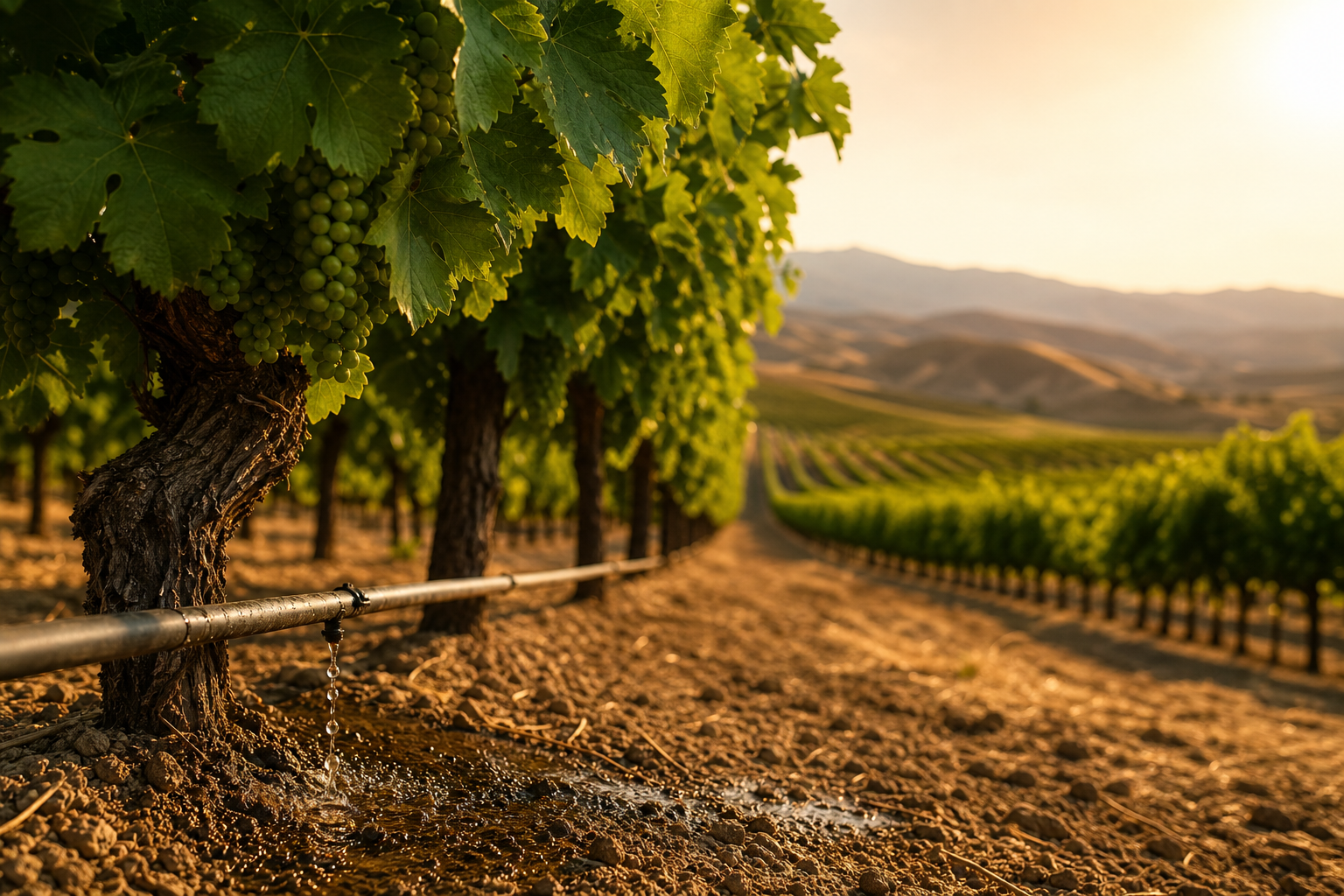
The efficiency of your irrigation system isn’t just about how much water you apply, but how uniformly it’s distributed across the vineyard. In the context of July’s peak heat, achieving uniform application is crucial to prevent hot spots or dry zones that can lead to localized vine stress. The type of emitter and its spacing play a significant role here. Drip irrigation, with its slow, targeted application, is widely preferred in vineyards because it delivers water directly to the root zone, minimizing surface evaporation and runoff. However, even within drip systems, choices matter. Pressure-compensating (PC) emitters are often the gold standard as they deliver a consistent flow rate despite variations in pressure along the dripline, which is common on sloped terrain or longer rows. This ensures that the vine at the top of the hill receives the same amount of water as the vine at the bottom. Emitter spacing is equally important. Too far apart, and you create dry pockets between emitters. Too close, and you might be over-irrigating specific areas unnecessarily. Factors like soil type, vine age, and rootstock vigor will influence the ideal spacing. For example, in sandy soils, which have poor water retention, closer spacing or emitters with higher flow rates might be necessary to ensure adequate wetting of the root zone. Regular maintenance and testing of your irrigation system, checking for clogged emitters or leaks, as discussed in irrigation system testing, are non-negotiable to maintain this uniformity and efficiency, especially as the system ages and accumulates mineral deposits or debris. A consistently well-hydrated root zone, uniformly across the vineyard, is a cornerstone of mitigating heat stress and producing high-quality fruit.
Mitigating Heat Stress Beyond Direct Irrigation
Canopy Management Practices for Shade and Airflow
While proper irrigation is foundational, effective canopy management acts as a crucial secondary defense against July’s intense heat in our Temecula Vineyards. This isn’t just about aesthetics; it’s a strategic horticultural practice that directly impacts fruit quality and vine health. Think of the canopy as the vine’s natural air conditioning and sun shield. Our goal is to strike a delicate balance between providing sufficient shade for the ripening clusters and ensuring adequate airflow to prevent humidity-related issues, which can exacerbate heat stress and disease pressure.
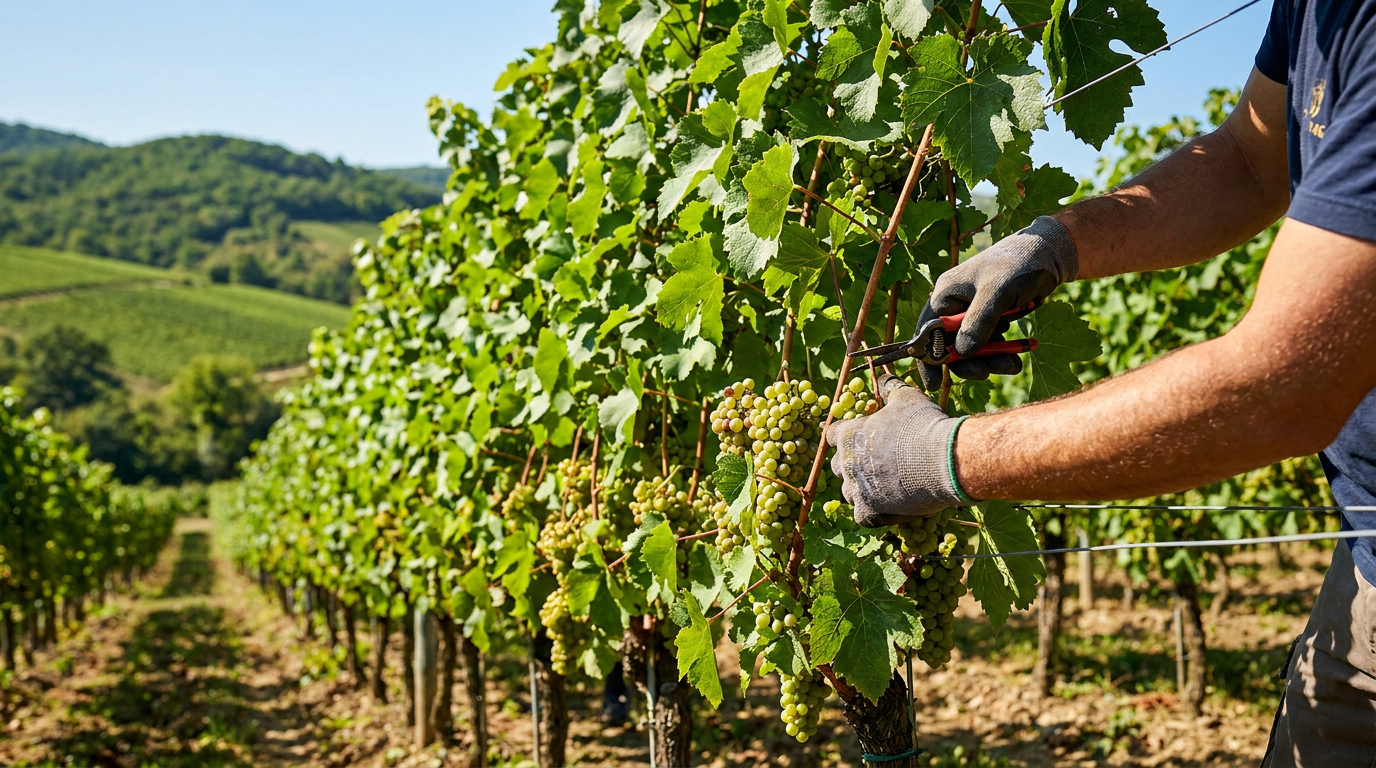
One key strategy involves strategic leaf removal, often performed in a measured fashion. Removing leaves on the east side of the rows in the morning can expose fruit to gentle, early sunlight (which is beneficial for color development and phenolic ripeness) while retaining leaves on the west side to protect against the harshest afternoon sun. This nuanced approach helps to mitigate sunburn without completely sacrificing sun exposure. On the flip side, excessive leaf removal can lead to over-exposure, causing sugar accumulation to stall and potentially leading to sunburned berries.
Conversely, managing shoot density is also vital. A too-dense canopy can create a humid, stagnant microclimate, trapping heat and inhibiting air circulation. This not only increases the risk of fungal diseases but can also stress the vines, making them more susceptible to high temperatures.
Timely shoot thinning and positioning help direct growth, opening up the canopy to allow cool breezes to pass through, effectively lowering the temperature within the fruiting zone. It’s a continuous process throughout the growing season, but its importance peaks significantly during these high-temperature months, ensuring that our grapevines remain as comfortable as possible.
Exploring Cover Cropping Benefits for Soil Temperature and Moisture
Beyond the vine itself, the vineyard floor plays a significant role in mitigating heat stress. Here in Temecula, we often utilize cover cropping as a powerful, natural tool to manage soil temperature and moisture, especially during the scorching July heat. Rather than leaving the soil bare and exposed to direct sunlight, which can lead to rapid moisture evaporation and hotter soil temperatures, specific cover crops act as a living mulch. This creates a more stable thermal environment for the extensive root systems of our grapevines.
Different cover crop species offer varying benefits. Legumes, for instance, are nitrogen-fixing, reducing the need for synthetic fertilizers while also contributing organic matter to the soil. Grasses, on the other hand, can be particularly effective at competing with weeds and improving soil structure.
The presence of this vegetative layer intercepts solar radiation before it hits the soil, effectively reducing soil surface temperatures by several degrees. This seemingly small difference can have a profound impact on root function and overall vine vigor during periods of extreme heat.
Furthermore, cover crops significantly enhance soil moisture retention. Their root systems improve soil aggregation, creating pores that allow water to infiltrate more effectively and reduce runoff. This also means less evaporation from the soil surface, effectively stretching the intervals between irrigation cycles and reducing overall water demand. While cover crops do consume some water themselves, the benefits they provide in terms of moderating soil temperature and enhancing soil health often outweigh this consumption, especially when strategically managed. This holistic approach supports the long-term resilience of our Vineyards, as discussed in our insights on sustainable cover crop.
The Role of Nutrition in Grapevine Resilience to Heat
Just like humans, well-nourished grapevines are better equipped to handle stress, including the intense heat of a Temecula July. Proper nutrient management isn’t just about promoting growth; it’s about building resilience. When a vine has access to a balanced profile of essential macro and micronutrients, its cellular structures are stronger, its physiological processes run more efficiently, and its ability to cope with environmental challenges like heat stress is significantly enhanced. This translates to healthier vines that can maintain photosynthetic activity and fruit development even when temperatures climb.
Key nutrients play specific roles in this resilience. Potassium, for example, is critical for regulating stomatal function, which controls water loss through transpiration. Adequately supplied potassium allows the vine to better manage its water balance, closing stomata during peak heat to conserve moisture while still allowing for gas exchange as needed.
Calcium is another vital element, contributing to cell wall integrity and overall plant structure, making cells more tolerant to stress. While deficiencies in these nutrients might not be immediately apparent, their absence weakens the vine’s natural defenses, making it more susceptible to heat-induced damage.
Our approach to nutrition, often influenced by detailed soil and tissue analysis, focuses on preventative measures rather than reactive treatments. This involves ensuring optimal levels of nutrients are available to the vines throughout the season, not just during periods of dormancy or active growth. Understanding march fertilization programs is a good example of how we plan nutrient delivery to support the entire growing cycle, ultimately contributing to the vine’s ability to withstand extreme summer conditions. A healthy vine, fueled by balanced nutrition, experiences less internal stress and can allocate more energy towards producing quality fruit, even under challenging conditions.
Considering Sunburn Protection for Exposed Clusters
Even with meticulous canopy management and optimal nutrition, some grape clusters might inevitably find themselves exposed to direct, unrelenting sunlight during July’s peak heat, leading to sunburn. Sunburn on grapes isn’t just an aesthetic issue; it can significantly impact fruit quality, causing reduced acidity, off-flavors, and browning, ultimately affecting the final Wine. This is where targeted sunburn protection becomes a consideration, particularly in varietals known to be more susceptible or in areas of the Vineyard that receive more intense solar radiation.
One common method involves the application of reflective kaolin clay sprays. When applied to grape clusters, this white clay forms a thin, protective barrier that reflects a significant portion of the sun’s harmful UV and infrared radiation. This physical barrier effectively lowers the surface temperature of the berries by several degrees, preventing the cellular damage associated with sunburn. The process is non-toxic and washes off, leaving no residue on the final product.
Another approach, particularly for smaller, high-value blocks, might include selective shade cloths. These can be strategically placed over rows or specific sections to provide temporary relief during the hottest parts of the day or throughout an predicted heatwave. While more labor-intensive and not always practical for large-scale operations, they offer a direct and effective way to reduce solar radiation on the fruit. These protective measures, though sometimes overlooked, form a critical part of our comprehensive strategy to safeguard our grapes and ensure the continued production of premium wine tasting experiences here in Temecula, even when temperatures soar.
Long-Term Considerations for Sustainable Vineyard Water Management
Investing in Water-Efficient Irrigation Systems
While managing immediate water needs during July’s intense heat, it’s imperative for wineries to think critically about long-term infrastructure. Investing in water-efficient irrigation systems isn’t just about saving water; it’s about optimizing resource allocation and ensuring the sustainability of our Vineyards. Defined Key Terms: Drip irrigation, for instance, delivers water directly to the root zone, significantly reducing evaporation and runoff compared to traditional furrow or sprinkler systems.
Modern drip systems often integrate with soil moisture sensors and weather stations, allowing for hyper-localized and precise application. This means we’re not just watering the vineyard; we’re watering individual vines based on their actual needs, minimizing waste. Upgrading to these smart systems means a higher upfront cost, no doubt, but the long-term savings in water, energy, and labor, coupled with improved vine health and grape quality, makes them a sound investment for any Temecula winery committed to sustainable practices.
Developing a Comprehensive Water Management Plan
A comprehensive water management plan goes beyond just irrigation technology; it’s a holistic strategy encompassing everything from soil health to data-driven decision-making. Such a plan begins with a thorough assessment of water sources, including wells, municipal connections, or recycled water programs. It then delves into soil analysis to understand water retention capabilities – a topic we touched on in “the soul. A robust plan includes scheduling protocols based on vine phenology, weather forecasts, and real-time sensor data, ensuring that water is applied only when and where it’s truly necessary. This might also involve implementing deficit irrigation strategies at specific growth stages to encourage deeper root development and enhance grape quality, even in the midst of July’s heat. Furthermore, mapping out potential contingencies for drought conditions, such as prioritizing water allocation for specific vineyard blocks or varietals, ensures resilience. This proactive approach ensures that water usage is transparent, accountable, and aligned with both environmental stewardship and economic viability.
Adapting to Changing Climate Patterns and Regional Water Availability
The reality of climate change means that historical rainfall patterns and seasonal temperatures are no longer reliable predictors for vineyard management. Temecula, like many wine regions, is experiencing shifts that demand adaptability. Defined Key Terms: Drought, for example, is becoming an increasingly frequent concern.
Our water management plans must therefore be dynamic, incorporating climate projections and regional water authority updates. This might involve exploring alternative water sources, such as rainwater harvesting or exploring treated wastewater for agricultural use, where permissible and appropriate. It also means a greater emphasis on cultivating drought-tolerant rootstocks and grape varietals that are naturally better suited to hotter, drier conditions.
Collaboration with local water districts and other agricultural stakeholders is also vital. Understanding regional water allocations and participating in water conservation initiatives ensures that our wineries are not just managing their own resources, but contributing to the broader sustainability of the Temecula valley. What good is a great vintage if the water isn’t there next year?
Best Practices for Water Conservation and Resource Stewardship
Effective water conservation in Vineyards during peak summer, and throughout the year, extends beyond just the irrigation system. It’s about a multi-faceted approach to resource stewardship. One key practice is maintaining optimal soil health, which improves water infiltration and retention, reducing the need for frequent irrigation. This can be achieved through organic matter amendments, cover cropping (as discussed in “sustainable cover crop), and minimal tillage. Canopy management, too, plays a significant role. Strategic leaf pulling or hedging can reduce evapotranspiration and create microclimates that lessen heat stress, subsequently lowering water demand. Utilizing mulches around young vines can also suppress weeds (which compete for water) and help retain soil moisture. Furthermore, regular monitoring and maintenance of irrigation systems—checking for leaks, blockages, or misaligned emitters—prevents unnecessary water loss. These might seem like minor details, but collectively, they represent a significant commitment to preserving one of our most precious resources. So how can we integrate these practices seamlessly? It’s about embedding a culture of efficiency into every step of vineyard operations.
Ultimately, navigating the challenges of vineyards water management during peak July heat requires both immediate tactical responses and a robust, forward-thinking strategy for sustainable growth. By investing in efficient technologies, developing comprehensive plans, adapting to climate shifts, and applying best practices for stewardship, Temecula wineries can secure not just a successful harvest this year, but a thriving future for their wines and the region. We invite you to explore the sustainable practices that define our operations and experience the quality they produce firsthand during a private wine tasting session.
Related Posts
- Why February is the Perfect Month for Private Wine Tastings in Temecula
- Sustainable Vineyard Practices That Define Modern Temecula Wineries
- How Winter Grape Dormancy Influences Next Season’s Vintage Quality
- Barrel Aging Timeline Analysis for Current Vintage Development
- March Vineyard Soil Preparation Strategies for Optimal Spring Growth
- Women Pioneers Who Shaped California’s Vineyard Industry
- How March Weather Patterns Affect Grape Varietal Selection
- March Planting Windows for New Vineyard Development
- Sustainable Cover Crop Management During Spring Transition
- Irrigation System Testing Before Peak Growing Season
- March Fertilization Programs for Premium Wine Grapes
- The Soul of the Soil