April Earth Day Sustainable Wine Sourcing Guidelines
Why Earth Day Makes Wine Lovers Rethink Their Bottles
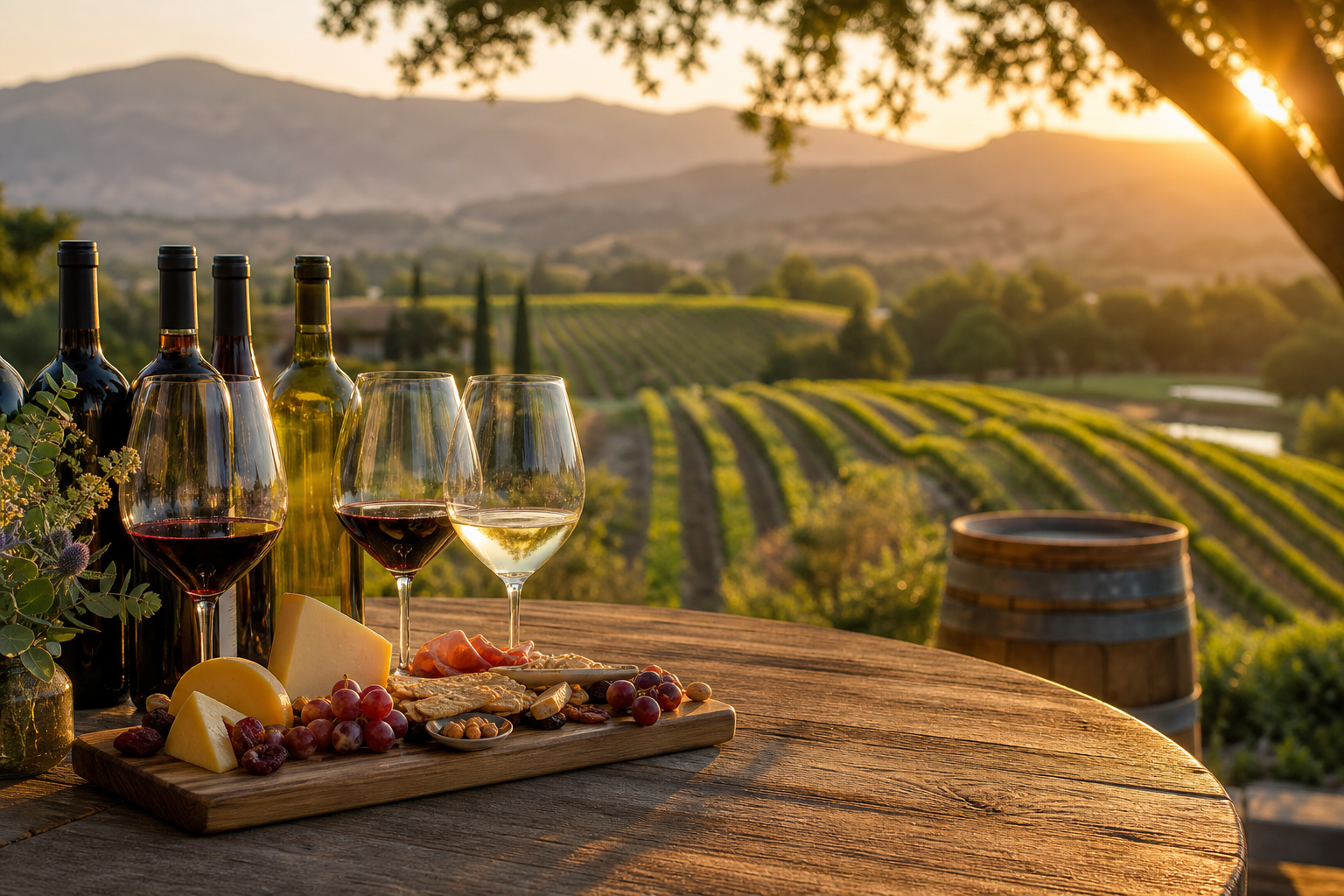
Picture this: you’re swirling a glass of Cabernet at sunset, admiring the deep crimson against golden light. But what if that perfect moment came with a hidden environmental cost? As Earth Day approaches, wine lovers across Temecula are discovering that their favorite bottles tell a bigger story than just terroir and tannins.
The conversation around sustainable wine sourcing isn’t just trendy environmental chatter anymore. It’s reshaping how vineyards operate, how consumers choose their wines, and how the entire industry thinks about its future. From water usage to carbon footprints, every sip carries an impact that extends far beyond your palate.
The real environmental impact of your wine collection
That bottle of Pinot Noir in your cellar required approximately 872 gallons of water to produce. From irrigation during growing season to cleaning equipment and processing grapes, vineyards consume massive amounts of water. But water isn’t the only concern when you examine the full lifecycle of wine production.
Glass production accounts for roughly 68% of a wine bottle’s carbon footprint, while transportation adds another significant chunk. A single bottle shipped from Europe to California generates about 5.3 pounds of CO2 emissions. When you consider that Americans consume over 900 million gallons of wine annually, those numbers add up quickly.
Local sourcing makes a dramatic difference. Choosing wines from sustainable vineyard practices in your region can reduce transportation emissions by up to 90%. That’s why Temecula wine enthusiasts are increasingly looking to their own backyard for quality selections that don’t require cross-continental shipping.
Packaging innovations are also changing the game. Lightweight bottles, alternative packaging like bag-in-box, and even canned wines can reduce environmental impact by 40-50%. While traditional wine lovers might initially resist these changes, the environmental benefits are undeniable.
How climate change is affecting your favorite wine regions
Climate change isn’t some distant threat for winemakers. It’s happening right now, altering growing seasons and forcing vineyards to adapt or risk losing their signature styles. Rising temperatures are pushing harvest dates earlier, sometimes by several weeks compared to historical patterns.
California’s wine regions have experienced unprecedented challenges. Heat waves, droughts, and unpredictable weather patterns are forcing winemakers to completely rethink their approaches. Some varieties that thrived in certain microclimates for decades are now struggling to maintain their characteristic profiles.
Temecula’s unique inland valley climate offers some protection from these extremes, but even local vineyards are implementing water conservation techniques and adjusting planting strategies. The region’s elevation and marine influence help moderate temperature swings, making it increasingly valuable as other areas face greater climate stress.
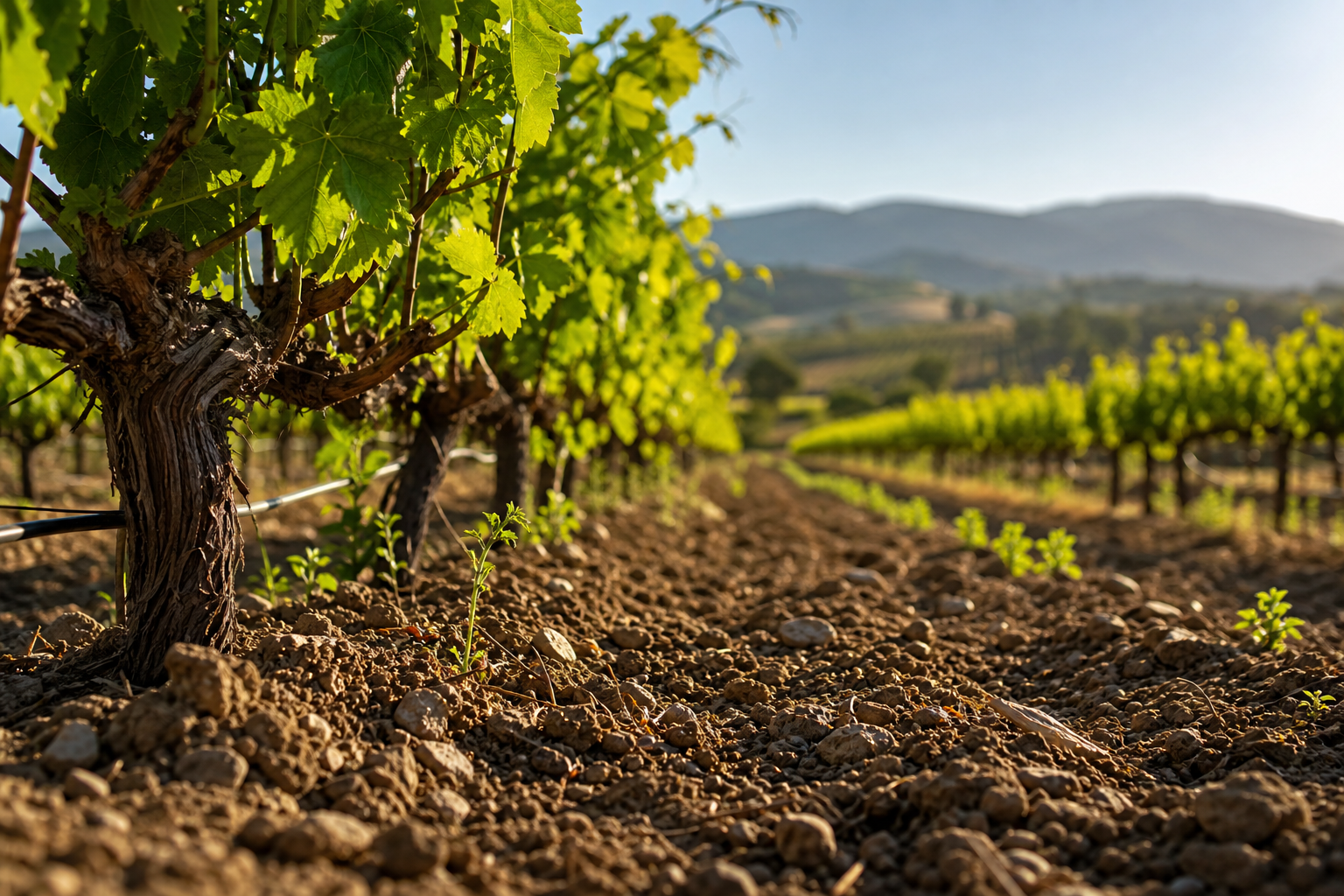
Adaptation strategies include everything from cover crops that improve soil health to precision irrigation systems that reduce water waste. Some vineyards are even experimenting with different grape varieties that naturally handle warmer conditions better.
What millennials and Gen Z expect from wine brands today
Younger wine consumers aren’t just looking at price and taste anymore. They want transparency about production methods, environmental practices, and social responsibility. According to recent surveys, 73% of millennial wine buyers consider sustainability when making purchasing decisions.
This generation expects detailed information about water usage, organic certification, and carbon footprint reduction efforts. They’re willing to pay premium prices for wines that align with their environmental values, but they also demand authentic commitment, not just marketing greenwashing.
Social media has amplified this trend. Instagram-worthy vineyard visits now often include sustainability tours, where visitors learn about solar power installations, composting programs, and biodiversity initiatives. The experience matters as much as the wine itself.
Gen Z takes this even further, often researching a winery’s entire supply chain before making purchases. They want to know about fair labor practices, organic farming methods, and community involvement.
Simple swaps that make a difference in your wine cabinet
Making sustainable wine choices doesn’t require overhauling your entire collection overnight. Start by exploring local options during your next winery visit. Local wines eliminate transportation emissions while supporting your regional economy.
Look for organic and biodynamic certifications when shopping. These labels indicate farming practices that avoid synthetic pesticides and focus on soil health. While organic wines might cost slightly more, the environmental benefits justify the investment.
Consider alternative packaging for everyday drinking wines. Box wines have improved dramatically in quality while reducing packaging waste by up to 85%. Reserve traditional bottles for special occasions and cellar-worthy selections.
Support wineries that transparently share their sustainability practices. Many now publish annual sustainability reports detailing water usage, energy consumption, and waste reduction efforts. These companies are leading industry change through measurable commitments.
Spotting Truly Sustainable Vineyards (Beyond the Marketing)
Reading between the lines of wine labels and certifications
Wine labels can be misleading when it comes to sustainability claims. Those eye-catching green leaves and “eco-friendly” buzzwords? They might not tell the whole story. Real sustainable wine sourcing starts with understanding what certifications actually mean.
Look for third-party verified certifications like CCOF (California Certified Organic Farmers) or Demeter Biodynamic rather than vague terms like “natural” or “earth-friendly.” These organizations conduct regular inspections and maintain strict standards. The historical development of California’s wine industry shows how consumer demand has pushed legitimate certification programs forward.
Be wary of labels that use sustainability language without backing it up with specific practices. Phrases like “responsibly grown” or “sustainable farming methods” without certification details are often marketing fluff. True sustainable producers proudly display their certification numbers and inspection dates right on the bottle.
Organic vs. biodynamic vs. sustainable farming – what’s the difference?
These terms get thrown around interchangeably, but they represent very different approaches to vineyard management. Organic farming eliminates synthetic pesticides, herbicides, and fertilizers, focusing on soil health through natural methods. It’s regulated by USDA standards and requires annual inspections.
Biodynamic farming takes organic principles further, treating the vineyard as a complete ecosystem. Think lunar planting cycles, homeopathic preparations, and biodiversity integration. While it might sound mystical, many biodynamic vineyards achieve remarkable results through intensive soil management and holistic farming practices.
Sustainable farming is broader and more flexible, focusing on environmental responsibility, economic viability, and social equity. A sustainable winery might use integrated pest management, water conservation, and renewable energy while maintaining conventional practices in some areas. The approach adapts to local conditions and climate challenges.
Each method has merit, but understanding these distinctions helps you make informed choices about which Earth Day wine purchases align with your environmental values.
Red flags that reveal greenwashing in wine marketing
Greenwashing in wine marketing is surprisingly common. Watch for wineries that emphasize packaging over practices – recycled bottles mean nothing if the grapes are grown with intensive chemical inputs. Companies that highlight one sustainable practice while ignoring others often engage in selective disclosure.
Another red flag is vague timeline commitments. “Working toward sustainability” or “committed to reducing our environmental impact” without specific deadlines or measurable goals usually indicates greenwashing. Legitimate sustainable operations provide concrete data about water usage reduction, energy savings, or carbon footprint improvements.
Be skeptical of wineries that focus heavily on trendy sustainability buzzwords without explaining their actual farming methods. Terms like “regenerative agriculture” or “carbon-neutral production” should come with detailed explanations of implementation strategies and third-party verification.
Social media can reveal telling inconsistencies. If a winery’s sustainability posts focus on aesthetic vineyard photos rather than detailed farming practices, that’s often a warning sign. Authentic sustainable producers share unglamorous but important details like cover crop implementation and soil health monitoring.
Questions to ask your wine shop or sommelier
Your wine shop staff and sommeliers can provide valuable insights into sustainable wine sourcing, but you need to ask the right questions. Start with specifics: “Which certifying body verified this wine’s organic status?” or “How does this winery manage water conservation?”
Ask about the producer’s farming timeline. How long have they been implementing sustainable practices? Recent converts might be jumping on trends, while established sustainable producers have refined their methods over years of experience.
Inquire about transparency. Do they offer vineyard tours or publish annual sustainability reports? Legitimate sustainable operations welcome scrutiny and proudly share their environmental data. They often host educational events during Earth Day season to showcase their practices.
Question seasonal availability and pricing. Truly sustainable wines often have limited production runs and higher costs due to labor-intensive farming methods. If a “sustainable” wine is always available at rock-bottom prices, investigate further.
Ask about the winery’s approach to pest management and soil health. Knowledgeable staff should be able to explain whether producers use beneficial insects, cover crops, or integrated pest management systems. These details separate authentic sustainable operations from marketing-driven claims.
Building Your Earth-Friendly Wine Collection
Starter sustainable wines under $25 that actually taste great
Building an eco-friendly wine collection doesn’t mean sacrificing quality or breaking the bank. Look for organic Tempranillo from Spain’s La Mancha region, where sustainable practices keep prices reasonable while delivering rich, earthy flavors. Portuguese Vinho Verde offers another excellent entry point, with many producers embracing biodynamic methods that create crisp, refreshing wines perfect for Temecula’s warm climate.
Seek out wines with certified organic or Demeter biodynamic labels, but don’t overlook smaller producers who practice sustainable methods without formal certification. These wineries often offer exceptional value because they’re not paying certification fees. Check for mentions of cover crops, integrated pest management, or solar power on bottle descriptions.
California’s Central Coast produces outstanding sustainable wines under $25, particularly Pinot Noir from producers committed to soil health and water conservation. These wines showcase how environmental stewardship actually enhances flavor complexity rather than compromising it.
How to find local wineries practicing green viticulture
Start your search right here in Temecula, where many local producers have embraced sustainable farming long before it became trendy. Visit our winery to learn about soil conservation practices and water management techniques that protect the valley’s unique terroir.
Look for wineries that openly discuss their farming methods during tastings. Ask about cover crops, composting programs, and integrated pest management. Sustainable producers are typically eager to share their environmental practices because they’re proud of their stewardship efforts.
Check winery websites for sustainability certifications like SIP (Sustainability in Practice) or CCOF (California Certified Organic Farmers). Many Temecula wineries participate in these programs while maintaining the intimate, personalized experiences that make the region special. Social media often reveals behind-the-scenes glimpses of sustainable practices, from owl boxes for natural pest control to solar installations powering operations.
Balancing your favorite regions with environmental responsibility
You don’t have to abandon beloved wine regions to embrace sustainability. Instead, research which producers within those areas prioritize environmental stewardship. Burgundy, for example, has seen a remarkable shift toward organic and biodynamic farming, with many prestigious domaines leading the charge.
Consider transportation impact when selecting wines. A sustainably-produced bottle from Australia carries a larger carbon footprint than an organic wine from California’s Central Coast. Balance this by choosing wines you’ll genuinely enjoy and share, ensuring nothing goes to waste.
Explore lesser-known appellations within favorite regions where smaller producers often employ more sustainable methods by necessity. These discoveries frequently offer better value while supporting environmentally conscious winemaking. The key is researching individual producers rather than assuming entire regions follow similar practices.
Storage and serving tips that reduce waste
Proper storage extends wine life and prevents premature spoilage that leads to waste. Store bottles horizontally in a cool, dark place with consistent temperature. Even without a wine cellar, a closet away from heat sources works well for wines you’ll consume within two years.
Invest in quality preservation tools like vacuum pumps or inert gas systems for opened bottles. These extend wine life by several days, allowing you to savor bottles gradually rather than feeling pressured to finish them quickly. Proper glassware also enhances the tasting experience, making each pour more enjoyable and meaningful.
Learn to identify when wines are past their prime through sight, smell, and taste. Understanding soil conditions helps predict how wines will age, allowing better purchase timing and storage decisions.
Creating a rotation system for conscious consumption
Develop a simple inventory system tracking purchase dates and optimal drinking windows. This prevents wines from sitting too long while ensuring you enjoy them at peak quality. A basic spreadsheet or wine app works perfectly for most collectors.
Plan purchases around actual consumption patterns rather than impulse buying. Calculate how many bottles you realistically drink monthly, then build your collection accordingly. This prevents accumulation of wines that may deteriorate before consumption.
Rotate older purchases to the front of storage areas and newer acquisitions to the back. This simple practice ensures proper turnover and prevents discoveries of forgotten bottles that have passed their prime. Regular inventory checks help maintain this system while revealing patterns in your drinking preferences.
Supporting Wineries Making a Real Difference
Pioneering estates leading the sustainability movement
Temecula’s wine landscape includes several pioneering estates that have embraced sustainable practices long before Earth Day became a marketing opportunity. These forward-thinking wineries implement organic farming methods, solar energy systems, and water conservation techniques that actually reduce their environmental footprint rather than simply talking about it.
The most impressive sustainable estates often operate biodynamic vineyards, treating their land as a complete ecosystem. They use cover crops to prevent soil erosion, employ beneficial insects instead of pesticides, and create their own compost from grape pomace and pruned vine cuttings. These practices might sound complex, but they simply mirror what nature does without human intervention.
Many established wineries in Temecula have invested in renewable energy sources, with solar panels becoming increasingly common across vineyard properties. Some estates even generate excess energy that gets fed back into the local grid, making their operations carbon-positive rather than carbon-neutral.
Small family vineyards worth seeking out
Small family-owned vineyards often lead sustainability efforts because they have direct connections to their land and local community. These intimate operations frequently implement innovative practices that larger corporate wineries haven’t adopted yet, creating unique opportunities for visitors to witness genuine environmental stewardship.
Family vintners typically know every vine on their property, allowing them to practice precision viticulture that minimizes waste and chemical inputs. They often hand-harvest grapes, use native yeast fermentation, and bottle wines without excessive filtration. This hands-on approach means fewer mechanical interventions and lower energy consumption throughout the winemaking process.
What makes these small vineyards particularly valuable is their willingness to experiment with drought-resistant grape varieties and alternative farming techniques. They might test new trellising systems that reduce water usage or partner with local universities on research projects exploring sustainable vineyard management.
During wine tastings at family estates, visitors often meet the actual winemaker or vineyard owner, creating opportunities to learn about their specific sustainability initiatives. These conversations provide insights into the practical challenges and rewards of implementing eco-friendly practices in wine production.
How your purchasing power influences industry practices
Consumer demand drives industry change more effectively than regulations or certifications alone. When wine lovers consistently choose sustainably produced bottles, they send clear market signals that influence how wineries operate and invest their resources.
Every purchase represents a vote for specific farming practices, labor conditions, and environmental policies. Wineries track sales data carefully, and sustained demand for sustainable wines encourages them to expand eco-friendly practices across their entire operations rather than limiting green initiatives to small experimental batches.
Your purchasing decisions also influence distribution networks and retail buyers. Wine shops and restaurants notice which sustainable wines sell consistently, leading them to seek out additional eco-friendly options and partner with environmentally conscious producers. This creates a ripple effect that extends far beyond individual consumer choices.
Supporting uys wines and similar operations that prioritize sustainable practices demonstrates market demand for responsible winemaking. These businesses often reinvest profits into additional environmental initiatives, creating a positive feedback loop that benefits the entire region’s ecosystem.
Wine clubs and subscriptions focused on ethical sourcing
Specialty wine clubs that focus exclusively on sustainable producers offer convenient ways to discover new eco-friendly wines while supporting responsible vineyard practices. These curated subscriptions typically feature detailed information about each winery’s environmental initiatives, helping members understand the real impact of their wine choices.
The best sustainable wine clubs partner directly with small producers, often offering exclusive access to limited-production wines that aren’t available through traditional retail channels. Members frequently receive wines from certified organic, biodynamic, or carbon-neutral vineyards, along with stories about the farming families behind each bottle.
Many local wine experiences include education about sustainable practices, making them valuable complements to subscription services. Tasting rooms that emphasize their environmental commitments often provide detailed information about their specific sustainability initiatives during visits.
Wine subscriptions focused on ethical sourcing typically cost slightly more than conventional options, but they deliver higher-quality wines while supporting farming practices that protect soil health, water resources, and biodiversity for future generations.
Hosting Eco-Conscious Wine Events This Spring
Planning an Earth Day wine tasting with sustainable selections
Creating an Earth Day wine tasting starts with curating bottles from vineyards that prioritize environmental stewardship. Look for wines certified organic, biodynamic, or from estates practicing regenerative agriculture. These producers typically use cover crops, minimal synthetic inputs, and water conservation methods that protect local ecosystems.
When planning your tasting lineup, aim for 4-6 wines that tell a sustainability story. Include a crisp Sauvignon Blanc from a solar-powered facility, a Pinot Noir from a carbon-neutral vineyard, and perhaps a natural wine with minimal sulfites. Many Temecula wineries have embraced sustainable practices, making it easy to source locally while supporting environmental initiatives.
Create tasting notes that highlight each wine’s sustainable credentials alongside flavor profiles. Guests appreciate learning how dry farming techniques influenced a wine’s concentration, or how indigenous yeast fermentation creates unique characteristics. This approach transforms your tasting from simple consumption into environmental education.
Pairing local, seasonal foods with environmentally friendly wines
Spring’s bounty offers perfect pairing opportunities for sustainable wines while minimizing transportation footprints. Visit local farmers markets to source seasonal produce like asparagus, artichokes, and fresh herbs that complement lighter wines emerging from eco-conscious cellars.
Pair organic Chardonnay with locally sourced goat cheese and spring radishes. The wine’s mineral backbone from sustainable vineyard practices harmonizes beautifully with farm-fresh flavors. For red wines, consider grass-fed beef carpaccio or free-range chicken liver mousse that reflects the same commitment to ethical sourcing.
Plant-based pairings work exceptionally well with natural wines. Roasted beets with walnut oil complement earthy Pinot Noirs, while grilled vegetables bring out the herbaceous qualities in sustainable Cabernet Sauvignon. These combinations showcase how environmental consciousness extends from vineyard to table.
Joining a wine club often provides access to exclusive sustainable selections paired with seasonal recipes, making your Earth Day planning effortless while supporting responsible viticulture.
Reducing waste at wine parties and tastings
Transform your wine gathering into a zero-waste celebration with thoughtful planning. Skip disposable cups entirely and ask guests to bring their own glasses, or invest in reusable options that become conversation starters. Many wine lovers appreciate using proper stemware that enhances their tasting experience.
Implement a bottle return system where guests take empty bottles home for upcycling projects. Wine bottles make excellent planters, candle holders, or storage containers. Provide small labels so guests can mark their favorites for future reference while giving bottles second lives.
Create a composting station for organic waste from food pairings. Fruit peels, cheese rinds, and herb stems decompose quickly and enrich soil for future gardens. Position clearly labeled bins near serving areas to make participation effortless.
Digital alternatives eliminate paper waste while adding modern flair. Share tasting notes, wine information, and sustainability facts through QR codes linking to online resources. Guests can access detailed information about each winery without generating physical waste.
Educating friends about sustainable wine choices (without being preachy)
Share sustainability knowledge through engaging storytelling rather than lecturing. Describe how biodynamic farmers plant by lunar cycles, creating wines with unique character profiles. These fascinating details spark curiosity without overwhelming guests with environmental statistics.
Let wines speak for themselves by organizing blind tastings comparing conventional and sustainable versions of similar varietals. Many people discover that organic wines offer cleaner, more expressive flavors once synthetic interventions are removed. The taste difference often converts skeptics more effectively than environmental arguments.
Highlight positive impacts rather than focusing on problems. Mention how sustainable vineyards support beneficial insects, improve soil health, and create habitat for wildlife. These uplifting stories make guests feel good about their choices while learning valuable information.
Attend local events featuring sustainable wine producers where guests can meet winemakers personally. These interactions create lasting impressions that influence future purchasing decisions while supporting responsible business practices.
Share resources subtly by leaving beautifully designed cards with QR codes linking to sustainability certifications or producer websites. Interested guests can explore further without feeling pressured, while casual participants still enjoy exceptional wines in good company.
Making Sustainable Wine Sourcing a Year-Round Habit
Setting up systems to track your wine’s environmental impact
Creating a system to monitor the environmental footprint of your wine tasting habits starts with understanding where your bottles come from. Keep a simple spreadsheet or use wine tracking apps that let you log details about each purchase — vineyard location, organic certifications, transportation methods, and packaging materials.
Photography makes tracking easier than you might think. Snap pictures of wine labels that highlight sustainable practices, take notes about delivery packaging, and document any carbon offset programs mentioned by retailers. Many Temecula wineries now include QR codes on their bottles that link to detailed sustainability reports, making it simple to access information about water usage, solar power adoption, and wildlife conservation efforts.
Set monthly goals that actually matter. Instead of vague commitments to “buy more sustainable wine,” establish specific targets like sourcing 60% of your bottles from certified organic vineyards or reducing wine-related transportation emissions by choosing local options. Track progress quarterly and adjust your approach based on what you discover about your consumption patterns.
Seasonal buying strategies that support sustainable practices
Spring brings opportunities to support wineries during their most resource-intensive season. April through June represents crucial months for vineyard operations, and your purchasing decisions during this period directly impact their ability to invest in sustainable infrastructure. Focus on pre-ordering wines from estates that use renewable energy or practice regenerative agriculture.
Summer buying should emphasize local sourcing to reduce transportation emissions when temperatures make shipping less efficient. Temecula’s wine country offers perfect timing for direct purchases during the warmer months, allowing you to skip the carbon footprint of refrigerated transport while supporting regional economic sustainability.
Fall harvest season provides the best opportunity to understand a winery commitment to environmental stewardship. Visit during harvest activities to observe water conservation practices, waste management systems, and renewable energy usage firsthand. Purchase wines directly during this season to ensure your money supports operations at their most critical financial period.
Winter represents the ideal time for bulk purchases from sustainable producers. Many eco-conscious wineries offer case discounts during slower months, allowing you to stock up while supporting their cash flow during the off-season. This timing also reduces packaging waste by consolidating shipments.
Building relationships with conscious wine retailers
The best wine shops prioritize education over pure sales volume. Look for retailers who can answer detailed questions about vineyard practices, provide information about organic certifications, and offer guidance on seasonal selections from sustainable producers. These relationships become invaluable when you need recommendations for specific occasions or want to discover new environmentally conscious wineries.
Establish communication preferences that work for both parties. Some retailers prefer email updates about new sustainable arrivals, while others excel at text message notifications about limited releases from eco-friendly producers. Ask about their ordering systems and whether they can source specific wines from sustainable vineyards upon request.
Support retailers who demonstrate genuine commitment to sustainability through their business practices. This includes proper wine storage that prevents waste, minimal packaging for deliveries, and partnerships with local wineries that reduce transportation emissions. Many conscious retailers also offer educational events that help customers understand the environmental impact of different wine choices.
Teaching the next generation about responsible wine consumption
Educational opportunities start with transparency about wine production’s environmental impact. When hosting younger family members or friends at wine tour events, discuss topics like water usage in vineyard irrigation, the benefits of organic farming practices, and how transportation choices affect carbon footprints. These conversations plant seeds for future conscious consumption habits.
Demonstrate responsible purchasing decisions by explaining your selection criteria when buying wine. Show how reading labels for organic certifications, researching vineyard sustainability practices, and choosing local options creates positive environmental outcomes. Young adults learn more from observing consistent behavior than from lectures about environmental responsibility.
Create opportunities for hands-on learning through vineyard visits and winery tours that emphasize sustainable practices. Many Temecula wineries offer educational programs that showcase renewable energy systems, water conservation techniques, and organic farming methods. These experiences provide concrete examples of how wine production can align with environmental stewardship.
Making sustainable wine sourcing a permanent part of your routine requires commitment beyond Earth Day enthusiasm. Start with small changes, track your progress, and gradually expand your efforts as these practices become natural habits. The wine industry responds to consumer demand, and your consistent choices for environmentally responsible options influence producers to adopt better practices. Choose quality over quantity, support local vineyards when possible, and remember that every bottle represents an opportunity to vote for the kind of wine industry you want to see thrive.