Women Pioneers Who Shaped California’s Vineyard Industry
Breaking Ground in a Male-Dominated Industry
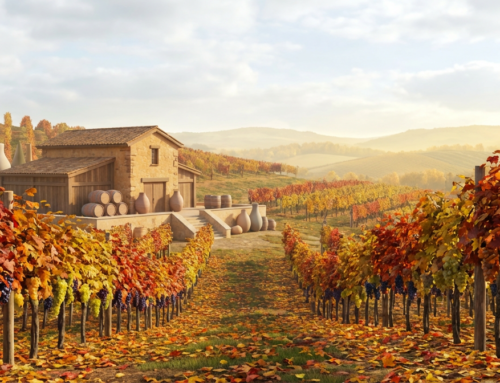
Picture walking through Napa Valley in 1880, where the scent of fermenting grapes mingles with the dust kicked up by horse-drawn carriages. Among the rows of vines, you might catch a glimpse of something revolutionary: women in long skirts and sun bonnets, not just picking grapes, but making decisions about harvest timing, blend ratios, and business strategy. These weren’t anomalies or exceptions. They were the beginning of a quiet revolution that would reshape California’s wine industry forever.
The story of women in California viticulture isn’t just about breaking glass ceilings (though they certainly did that). It’s about visionaries who saw potential where others saw limitations, innovators who transformed traditional winemaking through necessity and creativity, and entrepreneurs who built lasting legacies in an industry that often seemed determined to exclude them.
Early Challenges and Cultural Barriers
Victorian-era California presented formidable obstacles for women entering the wine business. Social conventions dictated that respectable women avoided commercial enterprises, particularly those involving alcohol production. The prevailing wisdom suggested that women lacked the physical strength for harvest work and the business acumen for managing wineries.
Legal barriers compounded these social challenges. Married women couldn’t own property in their own names until the 1870s, and even then, banking institutions rarely extended credit to female entrepreneurs. Insurance companies viewed women-owned businesses as high-risk ventures, often charging prohibitive premiums or refusing coverage entirely.
The agricultural nature of winemaking created additional hurdles. Vineyard management required extensive knowledge of soil conditions, climate patterns, and pest control methods typically passed down through male family lines. Women entering the industry often had to learn these skills independently, without access to the informal networks that supported their male counterparts.
Cultural attitudes toward women and alcohol created perhaps the greatest challenge. The temperance movement, gaining momentum throughout the late 1800s, cast wine production in a morally questionable light. Women involved in winemaking faced criticism not just as businesspeople, but as contributors to social problems.
The First Generation of Female Vineyard Owners
Despite these obstacles, determined women found ways into California’s wine industry. Many entered through circumstances beyond their control: widowhood, family financial crises, or husbands’ inability to manage vineyard operations effectively. What started as necessity often evolved into passionate expertise.
Mary Austin became one of Sonoma County’s most successful vintners after inheriting her husband’s struggling vineyard in 1867. Rather than selling the property as advisors suggested, she expanded operations by 400 acres and developed innovative irrigation techniques that increased yields by thirty percent. Her wines earned recognition at the 1876 Philadelphia Centennial Exhibition, proving that women could produce world-class vintages.
German immigrant Josephine Tychson established Napa Valley’s first winery owned and operated solely by a woman in 1886. Working with understanding of terroir gained through years of hands-on experience, she focused on Bordeaux varietals that thrived in her hillside location. Her operation remained profitable even during the economic downturns that forced many male-owned competitors to close.
These pioneering women shared certain characteristics: extraordinary determination, willingness to challenge conventional wisdom, and ability to build relationships with suppliers and distributors who initially viewed them with skepticism.
Pioneering Business Models and Innovation
Economic necessity drove many female vineyard owners to develop innovative approaches that distinguished their operations from traditional models. Unable to access established distribution networks, they created direct-to-consumer sales strategies decades before such approaches became commonplace.
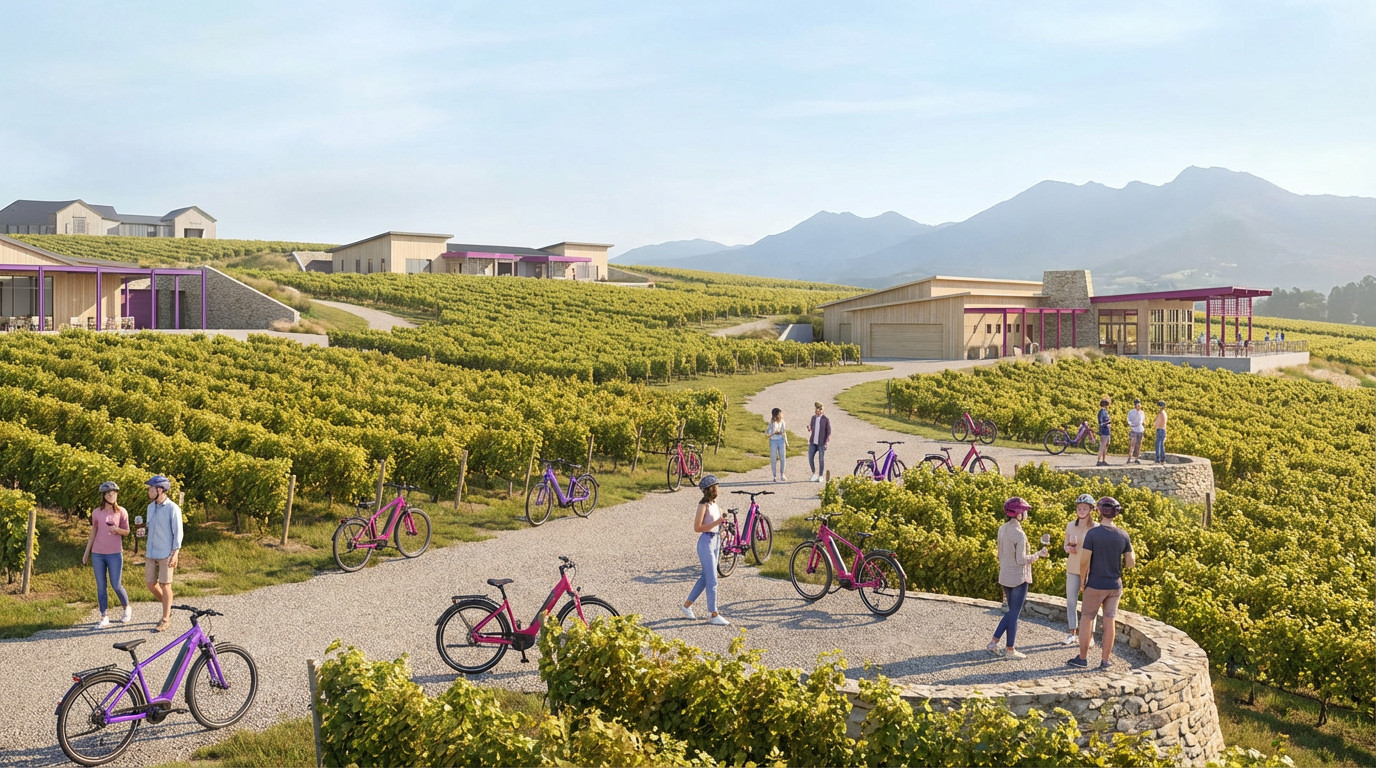
Women winemakers pioneered what we now recognize as agritourism. They opened their properties to visitors, offering tastings and tours that educated consumers about winemaking processes. This approach generated additional revenue streams while building brand loyalty through personal connections.
Female vintners also embraced experimental winemaking techniques that male counterparts often dismissed. They experimented with extended aging periods, blended varietals in unconventional ratios, and developed marketing strategies that emphasized quality over quantity. These innovations often resulted from resource constraints but proved commercially successful.
Cooperative ventures became another hallmark of women-led wine businesses. Female vineyard owners formed purchasing cooperatives to reduce equipment costs and marketing alliances to expand distribution reach. These collaborative approaches helped smaller operations compete with larger, established wineries.
Building Credibility in Traditional Wine Circles
Establishing credibility within California’s wine community required strategic approaches that went beyond producing excellent wines. Women vintners understood that their gender made every business decision subject to additional scrutiny, so they developed meticulous record-keeping practices and transparent production methods.
Professional associations initially excluded women, so female winemakers created informal networks that shared technical knowledge and market intelligence. These relationships proved invaluable during challenging periods like phylloxera outbreaks and economic recessions.
Competition victories provided crucial validation. When women’s wines earned medals at agricultural fairs and international exhibitions, skeptics could no longer dismiss their capabilities. These achievements opened doors to wine tasting opportunities with distributors and retailers previously unwilling to consider their products.
Recognition came gradually but steadily. By the 1890s, several women-owned California wineries had gained national reputations, establishing precedents that inspired future generations of female vintners to pursue their own vineyard dreams.
Legendary Figures Who Changed Everything
Founding Mothers of Napa Valley Excellence
The transformation of Napa Valley into a world-renowned wine region owes much to pioneering women who refused to accept limitations. In the 1960s and 70s, when California’s wine industry was still finding its identity, several remarkable women stepped forward to establish foundations that continue to influence winemaking today.
Donn Chappellet’s wife, Molly Chappellet, played a crucial role in establishing Chappellet Vineyard on Pritchard Hill in 1967, bringing artistic vision and meticulous attention to detail that elevated their wines. Her approach to blending French winemaking traditions with California innovation created a template that many female winemakers would follow.
Perhaps most significantly, Zelma Long emerged as one of California’s first female head winemakers at Simi Winery in 1979. Long’s technical expertise and commitment to sustainable practices helped establish credibility for women in winemaking roles previously dominated by men. Her influence extended beyond individual wineries, as she mentored countless women entering the industry.
Sonoma County Trailblazers and Their Legacy
Sonoma County’s diverse microclimates attracted women winemakers who recognized opportunities to experiment with varietals and techniques. The region’s more relaxed atmosphere compared to Napa allowed for greater creative freedom and risk-taking.
Marimar Torres, who established Marimar Estate in 1986, brought Spanish winemaking heritage to Sonoma’s Russian River Valley. Her focus on Chardonnay and Pinot Noir demonstrated how European techniques could be adapted to California terroir. Torres proved that female winemakers could successfully bridge Old World traditions with New World innovation.
Helen Turley revolutionized California winemaking through her consulting work with premium wineries throughout Sonoma. Her hands-on approach and emphasis on vineyard-specific winemaking influenced a generation of winemakers. Turley’s success with brands like Marcassin and Bryant Family showed that women could command top prices and critical acclaim in the luxury wine market.
The legacy continues through modern pioneers like Merry Edwards, whose eponymous winery focuses exclusively on Pinot Noir and Sauvignon Blanc. Edwards’ scientific background and precise winemaking techniques have earned international recognition while inspiring other women to pursue technical excellence.
Central Coast Innovators Who Redefined Quality
The Central Coast region provided fertile ground for women winemakers willing to experiment with emerging appellations and unconventional grape varieties. These pioneers recognized potential in areas previously considered marginal for premium wine production.
Catharine Fairbanks at Paso Robles’ Tablas Creek Vineyard helped establish the region’s reputation for Rhône varietals. Her work importing French rootstock and developing sustainable farming practices created a model for quality-focused Central Coast production. Fairbanks demonstrated that women could lead both agricultural innovation and business development in emerging wine regions.
In Santa Barbara County, Kathy Joseph founded Fiddlehead Cellars with a focus on Pinot Noir and Sauvignon Blanc. Her dedication to expressing specific vineyard sites helped establish Santa Rita Hills as a premier appellation. Joseph’s success showed that small-scale, artisanal production could compete with larger operations through superior quality and distinctive character.
These Central Coast pioneers understood that success required more than technical skill—it demanded vision, persistence, and the ability to communicate their unique approach to consumers and critics.
The Rise of Female-Led Boutique Wineries
The boutique winery movement of the 1990s and 2000s created unprecedented opportunities for women to establish their own brands. This shift toward smaller production and direct-to-consumer sales allowed female entrepreneurs to compete without massive capital investments.
Modern success stories include women like Heidi Peterson Barrett, whose consulting work with cult Cabernet producers like Screaming Eagle demonstrated that female winemakers could achieve the highest levels of critical acclaim and market value. Barrett’s technical precision and intuitive understanding of Napa Valley Cabernet set new standards for luxury wine production.
The boutique model enabled women to focus on quality over quantity, developing loyal customer bases through personal relationships and exceptional wines. Many female-led operations emphasize sustainability, community involvement, and educational experiences that go beyond traditional wine sales.
Today’s female winemakers benefit from the groundwork laid by these pioneers, but they also face evolving challenges including climate change, market consolidation, and changing consumer preferences. Their success continues the legacy of innovation and excellence established by California’s founding mothers of wine. The recognition achieved builds upon decades of pioneering work by women who refused to accept limitations in pursuing their vision of exceptional California wine.
Revolutionary Winemaking Techniques and Philosophies
Sustainable and Organic Practices Pioneered by Women
Long before sustainability became a wine industry buzzword, female vintners were implementing environmentally conscious practices that would later define modern organic viticulture. In the 1970s, Mary Ann Graf at Simi Winery introduced integrated pest management techniques that reduced chemical dependency while maintaining grape quality. Her approach influenced countless wineries throughout Sonoma County.
Zelma Long’s work at Robert Mondavi Winery during the 1980s established protocols for minimal intervention winemaking that preserved natural fruit characteristics. She championed cover cropping between vine rows, understanding decades before mainstream adoption that diverse plant life enriched soil health and created more complex terroir expression. These practices became standard throughout California’s premium wine regions.
The biodynamic movement found early champions in women like Gina Gallo, who transformed family vineyard practices at E. & J. Gallo Winery.
Her implementation of lunar cycle timing for vineyard activities and natural preparations for soil health demonstrated that traditional methods could enhance rather than compromise commercial viability. These approaches proved particularly effective in Temecula’s unique climate conditions.
Innovative Grape Varietals and Blending Approaches
California’s reputation for innovative varietal selection owes much to female winemakers who dared experiment with unconventional grape varieties. Helen Turley revolutionized Rhône varietal cultivation in California during the 1990s, proving that Syrah, Grenache, and Mourvèdre could thrive in specific microclimates. Her meticulous site selection methods transformed previously overlooked vineyard locations into premium wine producers.
Merry Edwards pioneered single-vineyard Pinot Noir expressions that showcased terroir differences within individual appellations. Her detailed soil analysis and clone selection protocols became industry standards for premium Pinot Noir production. Edwards proved that California could produce Pinot Noir rivaling Burgundy’s finest expressions through precise viticultural techniques.
The art of blending received significant innovation from women like Heidi Peterson Barrett, whose Bordeaux-style blends at Screaming Eagle achieved legendary status. Her approach emphasized balance over power, creating wines that aged gracefully while expressing distinct vineyard characteristics. This philosophy influenced premium winery practices throughout Napa Valley and beyond.
Scientific Breakthroughs in Fermentation and Aging
Female enologists brought scientific rigor to winemaking processes that had traditionally relied on intuition and tradition. Dr. Carole Meredith’s genetic research at UC Davis identified parent varieties for numerous grape cultivars, providing crucial information for vineyard management and wine style development. Her work enabled more precise matching of grape varieties to specific terroir conditions.
Temperature-controlled fermentation techniques advanced significantly through research by women like Dr. Linda Bisson, whose yeast strain studies revolutionized fermentation reliability. Her development of native yeast protocols allowed winemakers to harness wild fermentation benefits while minimizing risks. These techniques became particularly valuable for small-production wineries seeking distinctive character.
Oak aging innovations emerged from collaborative work between female coopers and winemakers. Studies on toast levels, grain structure, and aging duration provided scientific foundation for decisions previously made through guesswork. This research enabled consistent quality improvement across different vintage conditions, particularly important in California’s variable climate patterns.
Terroir-Driven Philosophies That Transformed Regions
The concept of terroir expression gained prominence through female vintners who emphasized vineyard character over winemaker manipulation. Randall Grahm’s ex-wife Nancy Grahm influenced early Rhône varietal plantings in California, demonstrating that specific grape varieties naturally complemented particular soil types and climate conditions rather than forcing unsuitable combinations.
Regional identity development received significant input from women who understood that authentic wine character emerged from respecting natural vineyard conditions. Their philosophy emphasized working with rather than against environmental factors, creating wines that genuinely reflected their origins. This approach proved especially successful in emerging appellations seeking to establish unique market positions.
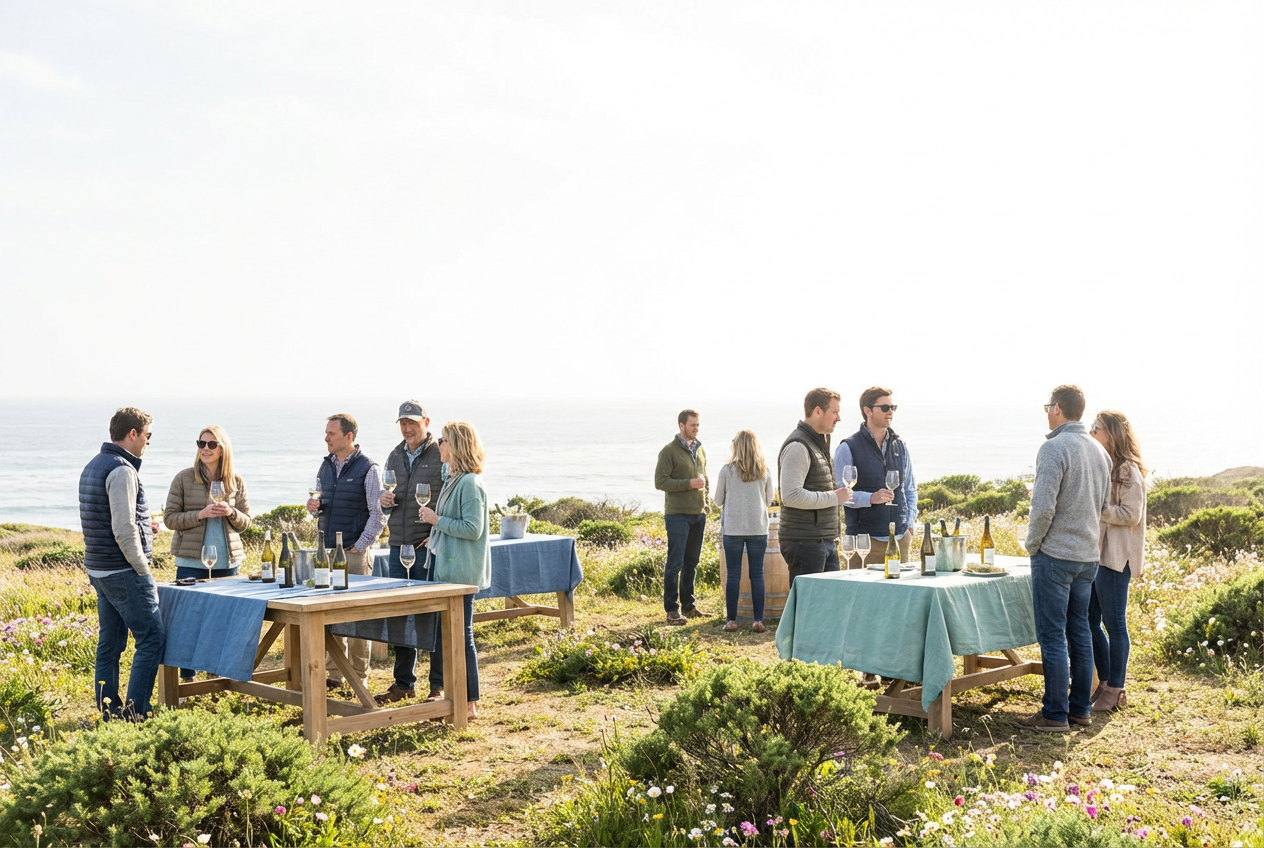
Educational initiatives led by female wine professionals helped establish terroir recognition among consumers and industry professionals. Through organized tastings comparing vineyard sites, these educators demonstrated how soil composition, elevation, and microclimate created measurable differences in wine character. Such education elevated California wine appreciation beyond simple varietal recognition to sophisticated terroir understanding that continues shaping modern wine culture throughout regions like Temecula.
Building Wine Empires from the Ground Up
From Small Family Plots to International Recognition
Many of California’s most successful wine empires began with women who started small and dreamed big. These pioneers understood that building a sustainable business required more than just growing grapes – they needed to create brands that could compete on the world stage.
Zelma Long transformed Simi Winery from a regional producer into an internationally recognized brand during her tenure as head winemaker and president. She revolutionized the winery’s approach by implementing temperature-controlled fermentation and introducing French oak aging techniques that elevated their Chardonnay and Cabernet Sauvignon to premium status. Her scientific background allowed her to make precise adjustments that consistently produced award-winning wines.
Similarly, Helen Turley built her reputation by working with small family vineyards and transforming their output into cult wines. She proved that size didn’t determine success – her consulting work with boutique producers like Bryant Family Vineyard and Colgin Cellars created wines that commanded prices exceeding $100 per bottle. Her approach focused on low yields, extended hang time, and minimal intervention winemaking that allowed terroir to express itself fully.
These women demonstrated that scaling from family operations to international recognition required unwavering commitment to quality over quantity. They invested in equipment, trained staff, and established relationships with distributors who could represent their brands effectively in competitive markets.
Strategic Partnerships and Industry Networking
Building wine empires required more than exceptional winemaking skills – these pioneers understood the power of strategic alliances and industry connections. They formed partnerships that provided access to premium vineyard sites, distribution networks, and marketing expertise.
Merry Edwards exemplified this approach when she co-founded Matanzas Creek Winery. Rather than going it alone, she partnered with investors who shared her vision for producing world-class Merlot and Chardonnay. This collaboration provided the capital needed for estate vineyard development and state-of-the-art winemaking facilities. When she later established her own winery, she leveraged relationships built over decades to secure prime Pinot Noir vineyard sites in the Russian River Valley.
Networking within the industry proved equally crucial. These women joined professional organizations like the American Society for Enology and Viticulture, where they exchanged technical knowledge and formed lasting business relationships. They mentored younger winemakers, creating networks that supported mutual growth and innovation.
Many established formal partnerships with grape growers, ensuring consistent access to premium fruit. These long-term contracts provided stability for both parties – growers received guaranteed sales while winemakers secured the quality ingredients essential for their reputation.
Direct-to-Consumer Sales Revolution
Long before direct-to-consumer sales became standard practice, pioneering women winemakers recognized that controlling distribution meant controlling their destiny. They built wine clubs, hosted tastings, and created experiences that connected consumers directly with their brands.
These visionaries understood that selling directly to consumers provided better profit margins and allowed them to tell their stories personally. They transformed premium wine experiences from simple tastings into educational journeys where visitors learned about viticulture, winemaking techniques, and the unique characteristics of their vineyard sites.
Wine clubs became particularly powerful tools for building loyal customer bases. Members received exclusive releases, invitations to special events, and personal notes from winemakers. This approach created emotional connections that translated into repeat purchases and word-of-mouth marketing.
Many established on-site restaurants and event venues that generated additional revenue streams while showcasing their wines in perfect pairings. These facilities attracted wine tourists who might never have discovered their brands through traditional retail channels.
Creating Premium Brand Identities and Market Positioning
Successful women winemakers understood that premium wines required premium branding. They invested in distinctive packaging, compelling storytelling, and consistent messaging that differentiated their products in crowded marketplaces.
Label design became crucial for shelf appeal. These pioneers worked with talented artists and designers to create packaging that reflected their wine’s quality and personality. They understood that consumers often made purchase decisions based on visual appeal, especially when trying new brands.
Storytelling proved equally important. Rather than focusing solely on technical specifications, they shared personal narratives about their journey into winemaking, their connection to the land, and their commitment to quality. These stories resonated with consumers who wanted to support authentic, passionate producers.
Market positioning required careful consideration of pricing, distribution channels, and target demographics. They positioned their wines in specific market segments – whether ultra-premium collectibles or accessible everyday wines – and maintained consistency in quality and messaging that reinforced their brand identity across all touchpoints.
Modern Leaders Carrying the Torch Forward
Next-Generation Vintners Honoring Family Traditions
Today’s female winemakers seamlessly blend ancestral wisdom with contemporary innovation. At family-owned operations throughout California, daughters and granddaughters of pioneering vintners apply modern techniques while preserving time-honored traditions that defined their family legacy.
These next-generation leaders understand that respecting heritage doesn’t mean rejecting progress. They maintain traditional fermentation methods passed down through generations while incorporating precision viticulture technology. Many focus on single-vineyard expressions that showcase terroir characteristics their grandmothers first identified decades ago.
The commitment extends beyond winemaking techniques. Contemporary women vintners often revive heirloom grape varieties their families cultivated generations earlier, creating limited-release wines that tell their vineyard’s complete story. This approach honors founding matriarchs while establishing distinct modern identities.
Technology Integration and Modern Winery Operations
Female leaders excel at implementing cutting-edge technology without sacrificing artisanal quality. They utilize satellite imagery for precision irrigation, deploy sensors for real-time fermentation monitoring, and leverage data analytics to optimize harvest timing across different vineyard blocks.
Digital marketing represents another area where women winemakers demonstrate exceptional innovation. They build direct-to-consumer relationships through virtual tastings, educational wine content, and social media storytelling that connects vineyard practices with consumer experiences. This technological fluency helps smaller operations compete effectively with larger corporate wineries.
Smart winery management systems allow female vintners to monitor multiple aspects simultaneously while maintaining hands-on involvement in critical decisions. Temperature-controlled fermentation tanks with remote monitoring capabilities enable precise adjustments that preserve wine quality during extended harvest periods.
Climate Adaptation and Future-Proofing Vineyards
Contemporary women winemakers lead California’s response to changing climate conditions through innovative vineyard management strategies. They implement cover crop rotations that improve soil health while reducing water consumption, essential adaptations for regions experiencing prolonged drought periods.
Elevation mapping helps identify optimal planting locations for heat-sensitive varieties, while canopy management techniques protect grape clusters from increasingly intense summer temperatures. Many female vintners experiment with drought-resistant rootstock selections that maintain wine quality despite reduced water availability.
Sustainable farming practices championed by women leaders include organic certification processes, biodynamic vineyard management, and carbon-neutral production goals. These approaches ensure long-term viability while meeting consumer demand for environmentally responsible wine production. The focus on about temecula demonstrates how regional characteristics influence sustainable practices.
Water conservation initiatives developed by female vintners include precision drip irrigation systems, greywater recycling programs, and strategic vineyard design that maximizes natural rainfall collection. These innovations become increasingly critical as California faces extended dry periods.
Mentorship and Supporting Emerging Female Talent
Established women winemakers actively cultivate the next generation through formal mentorship programs and hands-on educational opportunities. They create internship positions specifically designed to provide comprehensive exposure to all aspects of wine production, from vineyard management through marketing strategies.
Professional organizations founded by women pioneers offer scholarships, networking events, and continuing education programs that support career advancement. These initiatives address historical barriers while building supportive professional communities that encourage innovation and collaboration.
Many successful female vintners establish visiting wine tasting programs that showcase diverse winemaking approaches while providing platforms for emerging talent. Guest winemaker collaborations allow newcomers to gain experience with established distribution networks and established customer bases.
Educational partnerships with viticulture programs ensure academic curricula reflect modern industry realities while highlighting opportunities for women in traditionally male-dominated roles. These connections help graduates transition successfully from academic study to professional winemaking positions.
The commitment extends to supporting women-owned vineyard service businesses, from sustainable farming consultants to specialized wine tour operators. This comprehensive support network strengthens the entire industry while creating opportunities for female entrepreneurs across multiple wine-related sectors.
Through these combined efforts, modern female leaders ensure California’s vineyard industry continues evolving while maintaining the innovative spirit that their pioneering predecessors established generations ago.
The Lasting Impact on California’s Wine Heritage
Awards, Recognition, and Industry Accolades
The recognition earned by California’s pioneering women winemakers extends far beyond their individual accomplishments. These trailblazers accumulated prestigious awards that elevated the entire state’s wine reputation on the global stage. Women like Zelma Long earned the James Beard Outstanding Wine and Spirits Professional Award, while others received honors from the Culinary Institute of America and international wine competitions.
Their success stories became powerful testimonials for California wine quality. When female vintners consistently won gold medals at competitions in Paris, London, and New York, they proved that California could compete with traditional European wine regions. These accolades didn’t just validate their personal expertise (they opened doors for the entire state’s wine industry).
The awards created a ripple effect throughout California’s wine regions. Temecula Valley, Napa, and Sonoma all benefited from the elevated reputation that these women helped establish. Their recognition brought international attention to California’s diverse microclimates and innovative winemaking techniques.
Influence on Wine Tourism and Hospitality
Women pioneers fundamentally transformed how visitors experience California wineries. They understood that wine appreciation extends beyond the bottle to encompass education, hospitality, and memorable experiences. This insight revolutionized the concept of wine tasting from simple sampling to comprehensive cultural experiences.
These innovators introduced personalized cellar tours, food pairing sessions, and educational seminars that became standard offerings across California wine regions. They recognized that many visitors wanted to understand the winemaking process, not just taste the final product. Their approach emphasized storytelling, connecting each bottle to the vineyard’s history and the winemaker’s philosophy.
The hospitality standards they established influenced how modern wineries design their tasting rooms and visitor centers. Today’s emphasis on creating welcoming, educational environments can be traced directly to the pioneering work of these female industry leaders. Their legacy lives on in every vineyard that prioritizes visitor education and memorable experiences.
Educational Contributions and Industry Standards
The educational impact of California’s women wine pioneers shaped professional standards throughout the industry. They established mentorship programs, developed quality control protocols, and created training curricula that are still used today. Their commitment to sharing knowledge elevated the technical expertise of countless industry professionals.
Many of these pioneers taught at UC Davis, contributing to the world’s premier viticulture and enology program. Their research in areas like sustainable farming practices, grape varietal adaptation, and fermentation techniques became foundational knowledge for subsequent generations. They published papers, wrote books, and spoke at conferences, ensuring their innovations would continue benefiting the industry.
Their emphasis on scientific rigor combined with artistic creativity established new benchmarks for wine quality. They proved that California could produce wines with both technical excellence and distinctive character. This dual focus on science and artistry became a defining characteristic of California winemaking.
Inspiring the Next Wave of Wine Industry Professionals
The legacy of these pioneering women extends through the countless professionals they inspired to enter the wine industry. Their success stories demonstrated that gender, background, and traditional credentials weren’t barriers to creating exceptional wines. This message resonated with diverse individuals who might otherwise have never considered careers in viticulture.
Today’s California wine industry reflects their inclusive vision. Women now hold leadership positions throughout the state’s wine regions, from boutique family operations to major commercial enterprises. They serve as winemakers, vineyard managers, marketing directors, and winery owners, building on the foundation established by earlier generations.
The entrepreneurial spirit these pioneers embodied continues inspiring new business models and innovative approaches to winemaking. Their willingness to challenge conventions and experiment with new techniques created a culture of innovation that defines California wine today.
When you experience the warm hospitality and exceptional quality that characterizes California’s wine regions today, you’re witnessing the lasting influence of these remarkable women. Their vision transformed not just individual vineyards, but an entire industry’s approach to excellence. Whether you’re planning your first wine tour or you’re a seasoned enthusiast, you can visit us to experience firsthand how their pioneering spirit continues shaping unforgettable wine experiences in Temecula Valley and beyond.