March Planting Windows for New Vineyard Development
Understanding March as a Critical Planting Window
The difference between a thriving vineyard and a struggling one often comes down to a single decision made in early spring. March represents one of the most critical windows for new vineyard development, when soil conditions, weather patterns, and vine biology align to create optimal planting conditions. For aspiring vintners and established operations expanding their footprint, understanding this timing can determine the success of an entire vineyard project.
In regions like Temecula, March planting offers unique advantages that savvy vineyard developers have recognized for decades. The month provides a perfect balance of warming soil temperatures, adequate moisture levels, and stable weather patterns that young vines need to establish strong root systems before summer stress arrives.
Why Timing Matters for Vineyard Establishment
Vineyard establishment operates on biological rhythms that cannot be rushed or delayed without consequences. March planting capitalizes on the natural awakening of vine physiology as winter dormancy breaks and energy begins flowing from roots to emerging buds. This timing allows newly planted vines to synchronize with their natural growth cycle rather than fighting against it.
Young vines planted in March benefit from approximately four to five months of growing season before experiencing their first summer stress. This extended establishment period proves crucial for root development, as vines can focus energy on building extensive root networks rather than supporting excessive top growth. Research indicates that vines planted during optimal March windows show 30-40% better survival rates compared to those planted outside these periods.
The economic implications extend beyond survival rates. Early establishment translates to earlier production, with March-planted vineyards often achieving commercial harvest one full season ahead of later plantings. For winery operations planning long-term production goals, this timing advantage can significantly impact cash flow and business development timelines.
Regional Climate Considerations for March Planting
California’s diverse microclimates create varying March planting opportunities across different regions. Coastal areas typically experience more moderate temperature fluctuations, making March an ideal window before marine layer influences diminish in late spring. Interior valleys, including Temecula’s wine country, benefit from March’s warming trends while avoiding the intense heat that develops by May and June.
Frost risk assessment becomes paramount during March planting decisions. Most California wine regions see their last significant frost events between mid-February and early March, making late March plantings safer from cold damage. However, vineyard developers must balance frost avoidance with soil condition requirements, as waiting too long can result in less favorable planting environments.
Rainfall patterns heavily influence March planting success across California regions. The transition from winter precipitation to spring drying creates optimal moisture conditions for root establishment without waterlogged soils that can cause root rot or delayed growth. Understanding soil drainage characteristics becomes essential for timing decisions within the March window.
Soil Temperature and Moisture Requirements
Soil temperature monitoring provides the most reliable indicator for March planting readiness. Vine roots begin active growth when soil temperatures consistently reach 55-60°F at the six-inch depth. March typically delivers these conditions across most California wine regions, though elevation and aspect variations require site-specific monitoring.
Moisture levels must achieve a delicate balance during March planting operations. Soils should contain adequate moisture for root establishment but drain freely enough to prevent anaerobic conditions. The ideal moisture content allows soil to crumble in your hand without forming muddy clumps or appearing dusty dry.
Professional vineyard developers often use soil thermometers and moisture meters to track conditions throughout February and March, identifying optimal planting windows that may last only 7-10 days. These tools provide objective data that removes guesswork from timing decisions and ensures consistent results across large planting projects.
Weather Pattern Analysis for Optimal Planting
March weather patterns require careful analysis beyond simple temperature averages. Wind conditions significantly impact young vine establishment, with excessive winds causing transplant shock and delaying root development. Calm weather periods during March provide ideal planting conditions that minimize stress on newly planted materials.
Extended weather forecasts become valuable planning tools for March vineyard development. Seven to ten-day outlooks help identify stable weather windows that allow for systematic planting operations without interruption from storms or temperature extremes. Professional vineyard operations often coordinate equipment schedules and labor crews based on these forecasts.
Understanding diurnal temperature variations helps optimize planting timing within March. Days with moderate temperature swings (20-25°F difference between day and night temperatures) create less stress on transplanted vines compared to periods with extreme fluctuations that can shock plant systems and delay establishment.
Pre-Planting Site Preparation and Assessment
Soil Testing and Amendment Requirements
Comprehensive soil analysis forms the foundation of successful March vineyard planting. Professional soil testing should occur 3-4 months before planting to allow adequate time for necessary amendments. Core samples collected from multiple locations across the proposed vineyard site reveal critical information about pH levels, nutrient content, organic matter percentage, and soil structure.
Most wine grape varieties thrive in slightly acidic to neutral soils with pH levels between 6.0 and 7.0. Soils that fall outside this range require specific amendments to optimize grape development. Limestone applications raise pH in acidic soils, while sulfur additions lower pH in alkaline conditions. These amendments need 60-90 days to fully integrate into the soil profile.
Nutrient deficiencies identified through soil testing guide targeted fertilization programs. Nitrogen levels should remain moderate to prevent excessive vegetative growth that compromises grape quality. Phosphorus and potassium deficiencies require correction before planting, as root systems cannot efficiently absorb these nutrients from poorly distributed soil amendments. Organic matter content below 2% benefits from compost or aged manure incorporation to improve soil structure and water retention.
Drainage System Installation and Verification
Proper drainage infrastructure prevents root rot and fungal diseases that devastate young vine plantings. March planting windows coincide with winter rainfall patterns in many regions, making drainage assessment particularly critical during this period. Standing water for more than 48 hours after rainfall indicates inadequate natural drainage requiring intervention.
French drain systems installed 18-24 inches below the proposed vine root zone effectively redirect excess moisture. These systems consist of perforated pipes surrounded by graded gravel that channels water to designated collection areas or natural drainage outlets. Installation requires precise grading to maintain consistent water flow without creating low spots where moisture accumulates.
Surface drainage through gentle slopes (2-4% grade) complements subsurface systems by preventing water pooling around vine trunks. Vineyard rows positioned to follow natural contours minimize erosion while promoting efficient water movement. For modern vineyard activities that require equipment access, drainage systems must accommodate heavy machinery without compromising water flow patterns.
Verification testing involves simulating heavy rainfall conditions through controlled water application and monitoring drainage performance. This process identifies potential problem areas before vine installation when corrections remain cost-effective.
Trellising Infrastructure Planning
Trellising system selection impacts vine training, mechanical operations, and long-term vineyard productivity. End posts require installation before vine planting to avoid root system damage from heavy equipment operation. These anchor points must withstand significant tension loads from wire systems and seasonal weather stresses.
Vertical Shoot Positioning (VSP) systems work well for most wine grape varieties and facilitate mechanized pruning and harvesting operations. Post spacing typically ranges from 20-24 feet with intermediate stakes supporting individual vines. Wire heights vary by training system, with the first wire positioned 30-36 inches above ground level to accommodate trunk development.
Material selection balances durability with cost considerations. Galvanized steel posts provide excellent longevity but require higher initial investment compared to treated wooden alternatives. High-tensile wire systems maintain consistent tension across temperature fluctuations while reducing maintenance requirements over the vineyard’s productive lifespan.
Planning considerations include accommodation for modern vineyard equipment that requires specific row widths and turning areas. Infrastructure design must support both current operational needs and future expansion possibilities.
Vineyard Layout and Row Orientation Design
Strategic vineyard layout maximizes sunlight exposure, promotes air circulation, and facilitates efficient operations throughout the growing season. North-south row orientation provides optimal sun exposure for most grape varieties by ensuring even light distribution on both sides of the canopy during peak growing hours.
Row spacing decisions balance vine density with operational requirements. Closer spacing (6-8 feet) increases vine density and potential yield per acre but may limit equipment access for maintenance activities. Wider spacing (10-12 feet) accommodates larger machinery and improves air circulation but reduces overall vine count per planted area.
Slope considerations influence both row direction and vine spacing patterns. Steep slopes require contour planting to prevent erosion while maintaining equipment safety. Gentle slopes allow more flexibility in row orientation while still requiring attention to water movement patterns and soil conservation practices.
Block division creates manageable vineyard sections for harvest timing and quality control. Smaller blocks allow targeted management practices based on microclimate variations and grape maturity differences. This approach supports premium wine production by enabling selective harvesting and separate fermentation of grapes from different vineyard areas.
Vine Selection and Procurement Strategies
Rootstock Compatibility for Your Growing Conditions
Selecting the right rootstock for your March vineyard planting requires careful analysis of your soil composition, drainage patterns, and climate conditions. In Temecula’s Mediterranean climate, certain rootstocks perform exceptionally well due to their drought tolerance and ability to handle the region’s clay-loam soils. Rootstock 1103P offers excellent drought resistance and performs admirably in heavier soils, while 101-14 Mgt provides good vigor control in fertile conditions.
Your soil’s pH level significantly influences rootstock selection. Most Temecula vineyards benefit from rootstocks that can handle slightly alkaline conditions (pH 7.0-8.0), which are common in the area. Rootstock 5C provides excellent lime tolerance and maintains good nutrient uptake even in challenging soil conditions. For areas with suspected nematode pressure, consider Freedom or Harmony rootstocks, which offer strong resistance while maintaining compatibility with premium wine varietals.
Climate adaptability remains crucial for March plantings, as young vines need to establish strong root systems before summer heat arrives. Rootstocks like 110R and 140Ru excel in warm, dry conditions while providing the deep rooting characteristics necessary for long-term sustainability. These selections prove particularly valuable for establishing a successful winery operation that can withstand seasonal variations.
Varietal Selection Based on Market Goals
Your varietal choices should align with both your target market segment and the unique terroir characteristics of your vineyard site. Premium wine production typically focuses on varietals that have proven track records in similar microclimates. Cabernet Sauvignon, Merlot, and Chardonnay represent reliable choices for established market demand, while varietals like Tempranillo or Viognier can differentiate your portfolio in competitive markets.
Consider your production timeline when making varietal selections. Some varietals, like Pinot Noir, require more intensive management and longer development periods before reaching optimal quality. Others, such as Sauvignon Blanc or Sangiovese, can produce marketable wines within three to four years of planting. This timing consideration becomes particularly important when planning your business model and cash flow projections.
Market positioning plays a critical role in varietal selection. If your goal involves wine tasting experiences and direct-to-consumer sales, consider varietals that tell compelling stories and pair well with local cuisine. Rhône varietals like Grenache and Syrah have gained significant popularity in Southern California markets, offering both quality potential and marketing advantages for visitors exploring the region’s wine culture.
Nursery Sourcing and Quality Standards
Establishing relationships with reputable nurseries requires advance planning, particularly for March planting schedules. Premium nurseries typically require orders placed 12-18 months in advance, especially for grafted material on specific rootstocks. Duarte Nursery, Sunridge Nurseries, and Novavine consistently deliver high-quality plant material with proper certifications and phytosanitary documentation.
Quality standards should focus on vine health, proper grafting unions, and root system development. Inspect delivered vines for signs of crown gall, phylloxera damage, or other pest issues. Proper vine grading ensures uniform establishment rates, with first-grade vines showing well-developed root systems and healthy, mature wood. Reject any vines with damaged grafting unions or signs of desiccation during transport.
Certification requirements vary by state, but California’s nursery stock must meet strict standards for viral testing and varietal authenticity. Request documentation showing negative test results for major grapevine viruses, including leafroll and red blotch disease. This attention to quality sourcing protects your investment and ensures optimal vineyard performance throughout the establishment years.
Grafted vs. Own-Rooted Vine Considerations
Grafted vines offer significant advantages in most commercial vineyard situations, particularly regarding phylloxera resistance and soil adaptation. The grafting process combines desirable fruit characteristics with rootstock benefits, creating plants better suited to local growing conditions. Grafted vines typically establish more quickly and show better early vigor compared to own-rooted alternatives.
Own-rooted vines present viable options in specific situations, particularly for varieties with natural phylloxera resistance or in isolated vineyard sites. These vines often cost less initially and can be easier to replant if damage occurs. However, own-rooted plantings require careful site selection and ongoing monitoring for pest pressure, especially in areas with known phylloxera populations.
Consider your long-term vineyard management philosophy when choosing between grafted and own-rooted options. Grafted vines provide more flexibility for future changes, as you can potentially graft over to different varieties if market conditions change. This adaptability proves valuable for operations planning to expand their wine tour offerings or adjust production focuses based on evolving consumer preferences.
Planting Techniques and Best Practices
Proper Planting Depth and Spacing Guidelines
Successful vineyard establishment in March requires precise attention to planting depth and spacing configurations. The graft union should sit 2-3 inches above the final soil line, allowing for natural settling while preventing the scion from developing its own root system. This positioning becomes particularly critical during Temecula’s spring weather patterns, where soil temperatures fluctuate between cool mornings and warm afternoons.
Row spacing typically ranges from 8-12 feet, with vine spacing within rows varying from 4-8 feet depending on the intended canopy management system. Closer spacing (6×4 configuration) works well for premium wine production, encouraging competition between vines that often results in more concentrated fruit flavors. Wider spacing (10×6 or 12×8) accommodates mechanical cultivation and provides better air circulation, reducing disease pressure in humid coastal conditions.
Consider the mature vine size when establishing your winery operation. Vigorous rootstocks like 1103P require more space than less vigorous options such as 101-14. The slope orientation also influences spacing decisions, with steeper slopes requiring closer vine spacing to prevent erosion while maintaining adequate root development zones.
Root System Handling and Protection
Bare-root vines demand immediate attention upon arrival at the planting site. Soaking roots in clean water for 4-6 hours before planting rehydrates the system without waterlogging. During March planting windows, morning temperatures often drop below 50°F, making root protection essential during the planting process.
Trim any damaged or excessively long roots with clean, sharp pruning shears, making cuts at slight angles to promote healing. Root systems should remain moist throughout the planting process by covering them with damp burlap or keeping them in water buckets. Extended exposure to direct sunlight or wind can desiccate fine feeder roots within minutes, compromising establishment success.
When positioning vines in prepared holes, spread roots naturally without forcing them into unnatural positions. Backfill gradually with native soil, gently firming around roots to eliminate air pockets while avoiding compaction. The soil mixture should maintain its original texture rather than being amended heavily, as vines perform better when encouraged to adapt to existing soil conditions.
Initial Irrigation Setup and Scheduling
March plantings benefit from immediate irrigation establishment, as spring weather patterns can shift rapidly from adequate moisture to drought conditions. Drip irrigation systems provide the most efficient water delivery, with emitters positioned 12-18 inches from each vine to encourage proper root development patterns.
Initial watering schedules should deliver 1-2 gallons per vine weekly, adjusting based on soil type and weather conditions. Sandy soils require more frequent applications with smaller volumes, while clay soils need deeper, less frequent irrigation cycles. Monitor soil moisture at 6-inch and 12-inch depths to ensure water penetrates beyond surface levels.
Installing temporary shade cloth or wind barriers around newly planted vines reduces transpiration stress during the critical establishment period. These protective measures become particularly valuable during Temecula’s occasional spring heat waves, when temperatures can suddenly spike above 85°F. Experienced vintners often schedule their workshops around these installation techniques, sharing practical knowledge gained through years of vineyard development.
Protection from Frost and Wind Damage
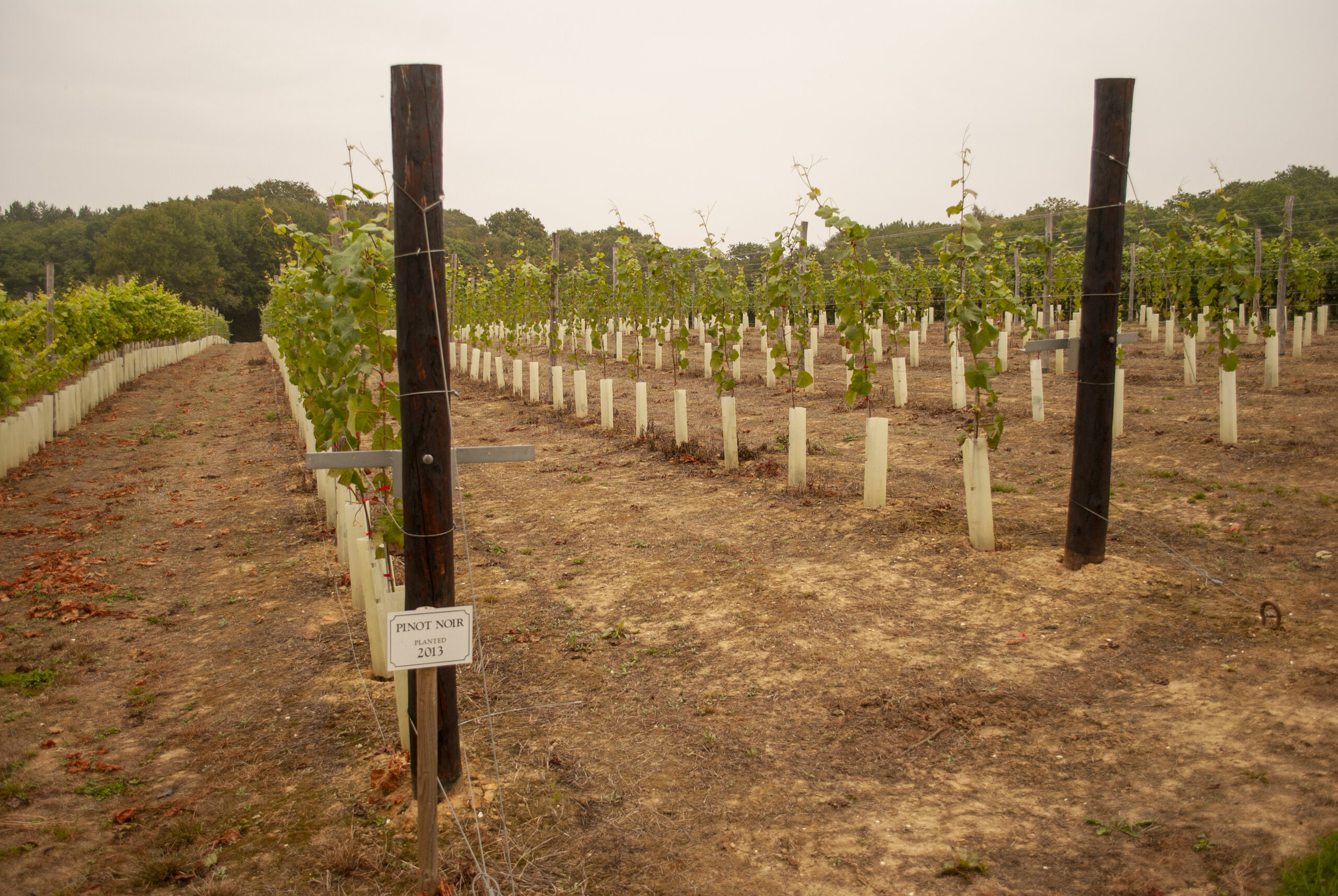
March plantings face significant frost risk, particularly in valley floor locations where cold air settles during clear nights. Individual vine protection using milk jugs with removed bottoms, commercial tree tubes, or newspaper wraps provides immediate frost protection while encouraging faster growth through greenhouse effects.
Wind protection becomes equally important, as young vines lack the structural strength to withstand sustained winds above 15 mph. Temporary stakes driven 18-24 inches into the ground alongside each vine provide necessary support, with loose ties allowing for natural movement while preventing breakage. Bamboo stakes work well for temporary installations, while steel or wooden stakes serve permanent training systems.
Establishing windbreaks using temporary fencing or permanent cover crop strips between rows creates microclimates that benefit young vine establishment. These protective measures prove particularly valuable during March’s variable weather patterns, when afternoon winds can exceed 25 mph following calm morning conditions. Strategic placement of protection materials also facilitates future wine tour access, ensuring vineyard infrastructure supports both production and visitor experience goals.
Post-Planting Care and Establishment
First-Year Watering and Nutrient Management
The first growing season determines whether your March-planted vines will thrive or struggle for years to come. Young vines need consistent moisture without waterlogging, typically requiring 1-2 inches of water per week during the growing season. Deep, infrequent watering encourages root development that extends beyond the planting hole.
Establish a drip irrigation system within the first month after planting. Position emitters 12-18 inches from the vine trunk to encourage lateral root growth. Monitor soil moisture at 6-inch and 12-inch depths using a simple probe or moisture meter. The soil should feel slightly damp but never soggy at these levels.
Nutrient management in year one focuses on establishment rather than production. Apply a balanced 10-10-10 fertilizer in late March, about four weeks after planting. Young vines benefit from light monthly applications of nitrogen through July, then taper off to encourage wood hardening before dormancy. Avoid heavy fertilization that promotes excessive vegetative growth at the expense of root development.
Calcium and magnesium deficiencies often appear in the first year, especially in sandy soils common throughout Temecula’s vineyard regions. Foliar applications of these nutrients in May and June help establish strong cell wall structure in developing shoots and leaves.
Weed Control Strategies for Young Vines
Weed competition poses the greatest threat to newly planted vines during their first growing season. Weeds steal moisture and nutrients from the root zone just when young vines need them most. Create a 4-foot diameter weed-free zone around each vine using a combination of mechanical and chemical methods.
Pre-emergent herbicides applied in early March, before weed seeds germinate, provide excellent season-long control. Glyphosate spot treatments handle emerged weeds, but exercise extreme caution around young vine trunks. Many growers prefer hand-pulling weeds within 18 inches of the trunk to avoid herbicide damage to tender bark.
Mulching offers organic weed suppression while conserving soil moisture. Apply 3-4 inches of wood chips or straw around each vine, keeping mulch 6 inches away from the trunk to prevent rodent damage and fungal issues. Organic matter breaks down slowly, improving soil structure and encouraging beneficial microbial activity.
Cultivation between vine rows controls weeds mechanically while creating dust mulch that reduces surface evaporation. Schedule cultivations after irrigation or rainfall when soil moisture allows equipment to work effectively without creating hardpan layers.
Monitoring Vine Health and Growth Progress
Regular monitoring during the first growing season helps identify problems before they become establishment failures. Walk your vineyard weekly, examining each vine for signs of stress, pest damage, or disease symptoms. Healthy vines show steady shoot elongation of 2-4 inches per week during peak growing season.
Leaf color provides immediate feedback about vine health and nutrition status. Dark green, fully expanded leaves indicate proper nitrogen levels, while yellowing suggests nutrient deficiencies or water stress. Purple leaf margins often signal potassium deficiency, common in young vines drawing from limited root systems.
Track growth measurements monthly during the first year. Measure trunk diameter at ground level and record the longest shoot length on each vine. Vigorous varieties should achieve 4-6 feet of growth in their first season under optimal conditions. Document lagging vines for targeted attention and possible replanting decisions.
Photography helps track progress and identify patterns across the vineyard. Take monthly photos from consistent positions, capturing both individual vines and row perspectives. These records prove invaluable for insurance claims, consultation discussions, and planning future plantings.
Pest and Disease Prevention Protocols
Young vines face unique pest and disease pressures during their vulnerable first year. Establish preventive protocols immediately after planting to protect your investment. Cutworms and other soil-dwelling pests often damage tender shoots emerging from newly planted rootstock.
Install trunk protectors or tree tubes around each vine to prevent rodent damage and create beneficial microclimates. These barriers also shield young bark from herbicide drift and mechanical damage during cultivation operations. Remove protectors in late fall to prevent overwintering pest habitat.
Fungal diseases like powdery mildew and downy mildew can devastate young foliage before vines develop natural resistance. Begin preventive spray programs in May when shoots reach 6-8 inches long. Organic options include sulfur for powdery mildew and copper-based fungicides for downy mildew.
Spider mites and thrips commonly attack stressed young vines during hot, dry periods. Regular irrigation helps prevent stress-related infestations, while beneficial insects like predatory mites provide biological control. Monitor leaf undersides weekly for early pest detection and targeted treatment opportunities.
Keep detailed records of all pest and disease observations, treatments applied, and results achieved. This information guides future management decisions and helps establish site-specific protocols for long-term winery operations success.
Long-Term Development Planning
Training System Implementation Timeline
March plantings require immediate attention to training system installation during the first growing season. Young vines planted in March will develop rapidly through spring and summer, making early June the optimal window for installing basic support structures. Post and wire systems should be established within 90 days of planting to guide proper vine development and prevent wind damage to tender shoots.
The first year focuses on establishing primary framework components. Install end posts and line posts during late spring, followed by catch wires positioned 18 inches above ground level. This initial structure supports vine training during the critical establishment phase when root systems are still developing. By September of the planting year, secondary wire installation becomes essential as vines reach sufficient height for proper canopy management.
Second-year training system completion involves installing fruiting wires and establishing permanent cordon positions. March-planted vines typically reach full training system utilization by their third growing season, when complete canopy management becomes necessary for quality grape production.
Pruning Schedules for Young Vineyard Development
Newly planted March vines follow a specific pruning timeline that differs significantly from established vineyard maintenance schedules. First-year pruning focuses entirely on shoot selection and trunk development rather than fruit production. Initial pruning occurs 60 days after planting, removing all but the strongest central shoot to encourage vigorous upward growth.
Second-year dormant pruning (typically February following the March planting year) establishes the basic vine architecture. Remove all lateral shoots except those positioned for future cordon development. This aggressive pruning approach redirects vine energy toward root system expansion and structural development rather than premature fruit production.
Third-year pruning introduces fruit-bearing considerations while maintaining focus on structural development. Light crop loads (maximum 50% of mature vine capacity) prevent young vines from becoming stressed during their establishment period. Professional winery operations typically maintain conservative pruning practices through the fourth growing season to ensure long-term vineyard productivity.
Temecula Valley’s Mediterranean climate allows for precise pruning timing, with dormant season work completed between January and early March each year. Summer pruning activities focus on canopy management and shoot positioning to optimize sun exposure and air circulation through developing vine structures.
Equipment and Labor Planning for Growing Operations
March vineyard plantings create specific equipment and labor demands that escalate progressively through the establishment period. Initial equipment needs include irrigation installation tools, post-hole diggers, and vine training supplies. These requirements expand significantly during the second and third years as canopy management becomes more intensive.
Labor planning must account for seasonal workforce availability in the Temecula region. March plantings require intensive hand labor during April through June for shoot positioning and sucker removal. Peak labor demands occur during the third growing season when full canopy management begins, typically requiring 40-60 hours per acre annually for proper vine maintenance.
Specialized equipment purchases should align with vineyard maturation timelines. Tractor-mounted sprayers become necessary by the third year for disease prevention programs. Mechanical harvesting equipment considerations begin during the fourth year, though many premium operations maintain hand-harvesting practices to preserve grape quality standards.
Equipment sharing arrangements with neighboring vineyard operations can reduce initial capital requirements while providing access to specialized machinery during peak seasonal periods.
Financial Projections and Break-Even Analysis
March vineyard development requires comprehensive financial planning spanning seven to ten years before achieving full production capacity. Initial establishment costs range from $25,000 to $40,000 per acre, depending on site preparation requirements, plant material selection, and irrigation system complexity. These upfront investments must be carefully planned against projected revenue streams beginning in year four.
Revenue projections for March plantings typically show minimal income during the first three years, with light crop production beginning in year four at approximately 30% of mature yield capacity. Full production capacity arrives during years six through eight, when properly managed vineyards achieve 4-6 tons per acre depending on varietal selection and quality objectives.
Break-even analysis for new vineyard development generally occurs between years eight and twelve, factoring in establishment costs, ongoing operational expenses, and market pricing for premium wine grapes. Temecula Valley vineyard operations benefit from strong regional demand and proximity to established wineries, potentially accelerating return on investment timelines.
Successful vineyard development requires patience, strategic planning, and sufficient capital reserves to sustain operations through the establishment period. Whether you’re planning your first vineyard or expanding existing operations, understanding these long-term development timelines ensures realistic expectations and proper resource allocation for sustainable growth in wine grape production.