April eBike and Wine Tour Combination Experiences
Why April is the Perfect Month for Wine Country Adventures
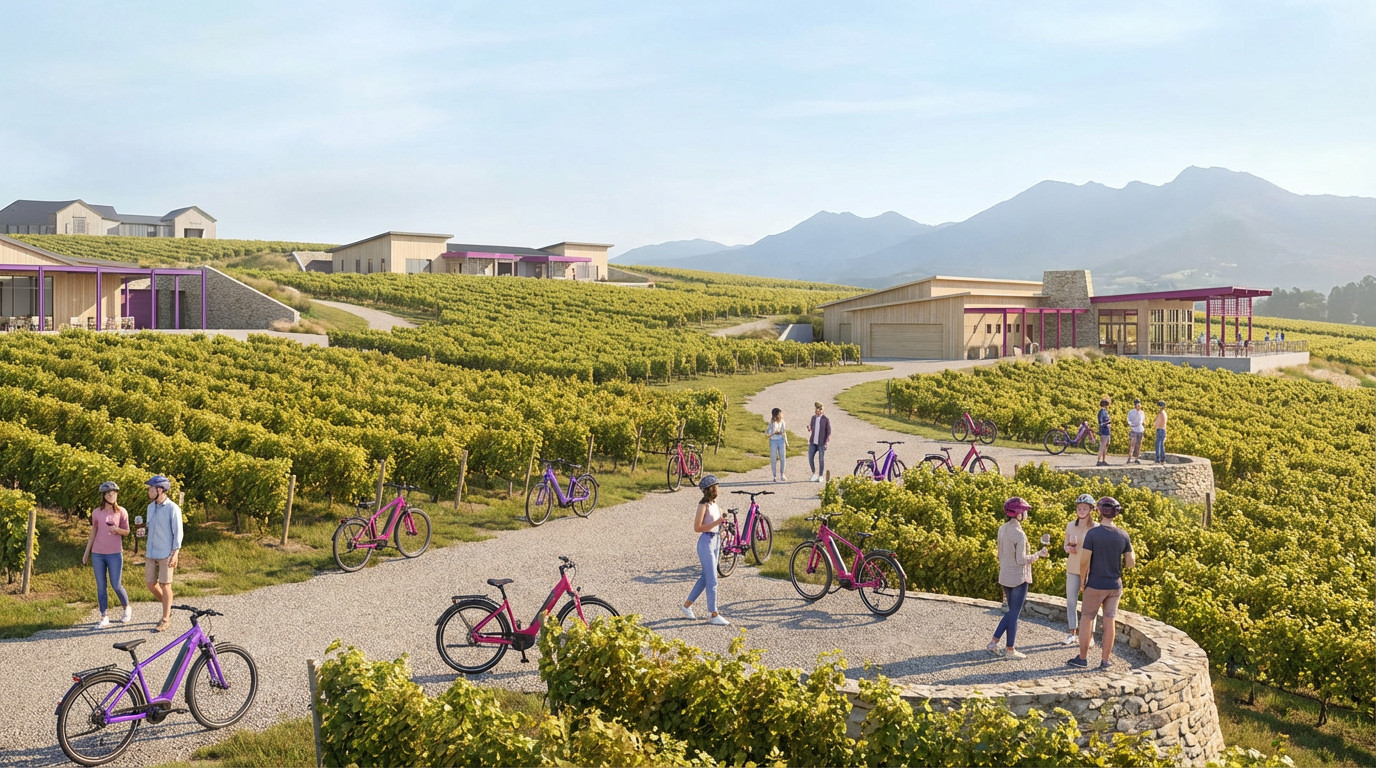
Picture this: warm California sunshine filtering through emerging grape leaves, gentle breezes carrying the scent of blooming wildflowers, and miles of vineyard rows stretching across rolling hills. April transforms Temecula’s wine country into an outdoor enthusiast’s paradise, where the convergence of perfect weather and awakening vineyards creates an ideal backdrop for combining two of life’s greatest pleasures – cycling and wine tasting.
The fourth month of the year offers a unique window of opportunity that savvy wine lovers and adventure seekers have discovered. Unlike the scorching summer months or the unpredictable winter weather, April delivers that Goldilocks zone of conditions where everything feels just right. The vines are coming alive with new growth, the landscape bursts with color, and the temperatures hover in that perfect range where you can pedal through vineyard paths without breaking a sweat.
Spring Weather Advantages for Outdoor Activities
April’s weather patterns in Temecula create optimal conditions for extended outdoor adventures. Average temperatures range between 65-75°F during the day, providing comfortable cycling conditions without the intense heat that characterizes summer months. Morning fog often lifts by 10 AM, revealing crystal-clear skies that showcase the valley’s stunning topography.
The mild temperatures mean you can enjoy a leisurely wine tour on an electric bike without worrying about dehydration or heat exhaustion. Spring’s lower humidity levels also help preserve your palate’s sensitivity, ensuring that each wine tasting remains crisp and distinct throughout your journey. The gentle afternoon breezes that sweep through the valley create natural air conditioning, making even the hilliest vineyard routes enjoyable.
Rain becomes increasingly rare as April progresses, with most precipitation occurring early in the month. This weather pattern allows for reliable planning of outdoor wine adventures, unlike the unpredictable winter months that can derail carefully planned tours. The stable atmospheric conditions also mean fewer wind gusts, making electric bike handling safer and more enjoyable on winding vineyard roads.
Vineyard Scenery and Seasonal Beauty
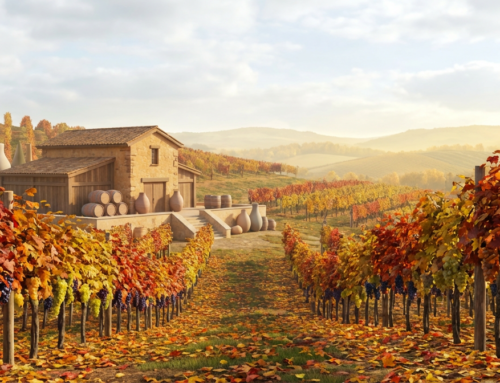
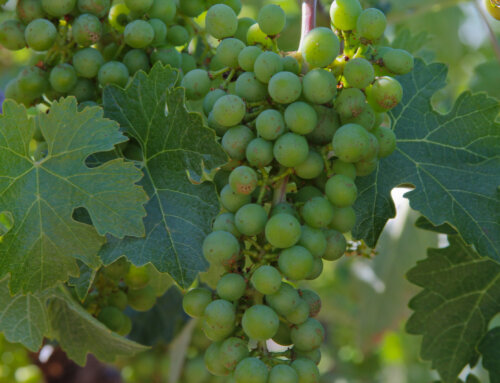
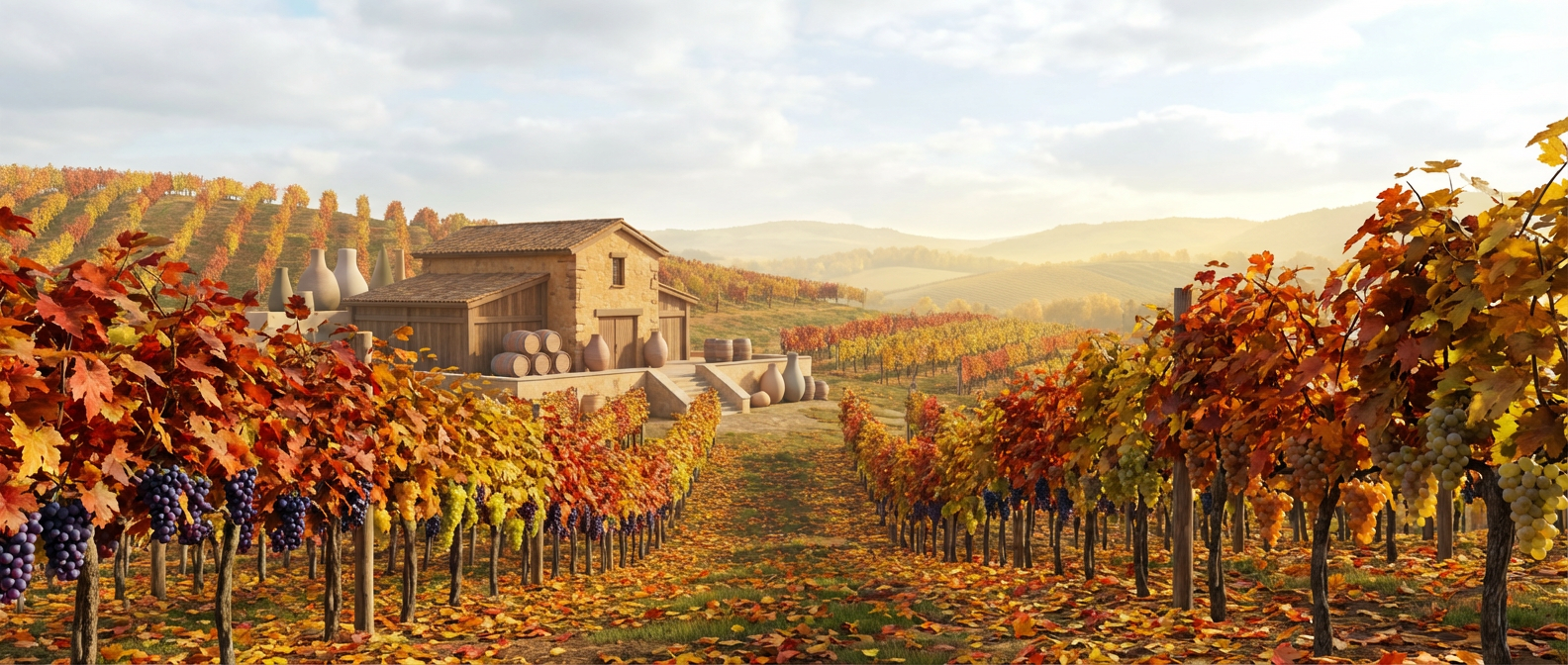
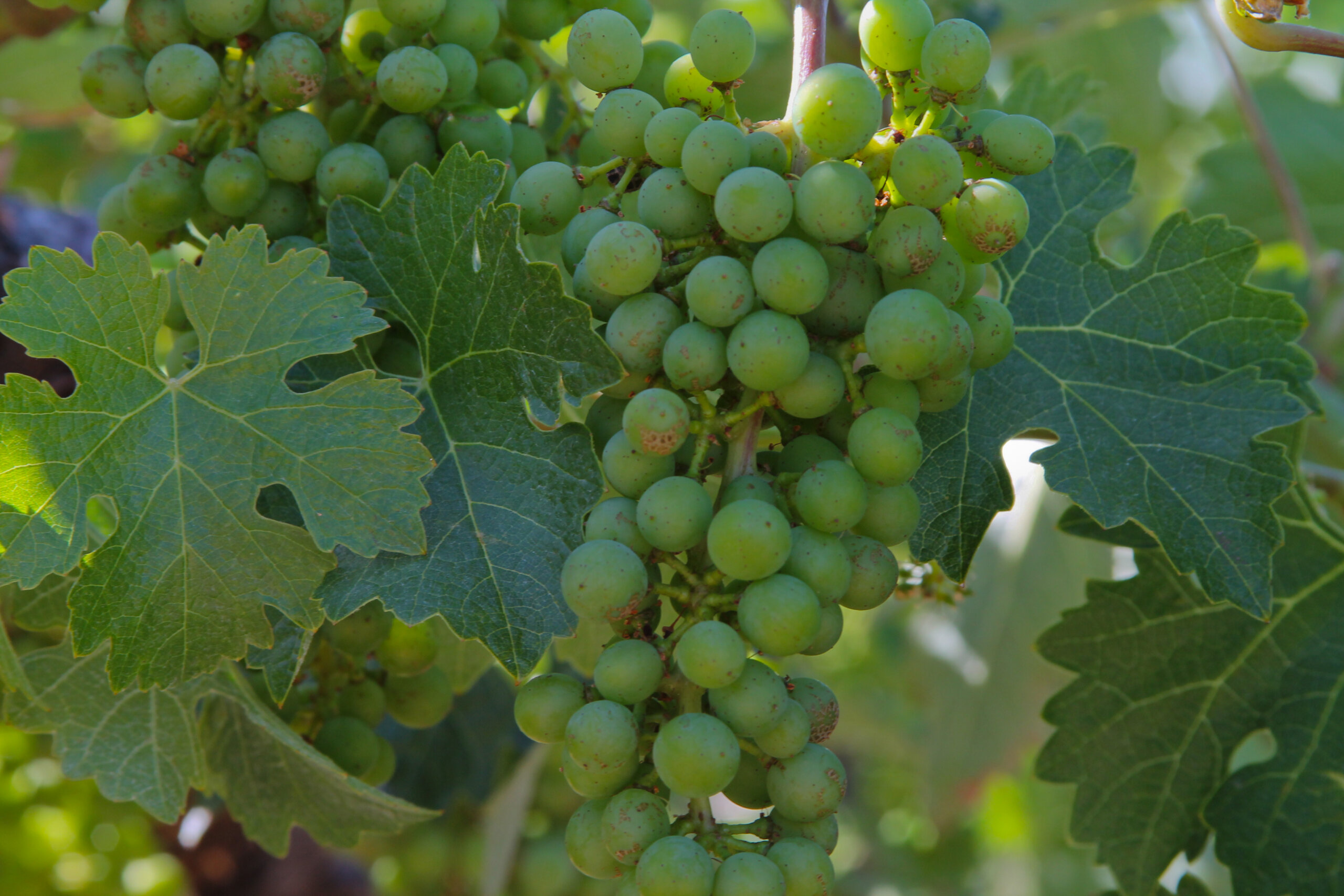
April marks the beginning of vineyard awakening, when dormant vines burst into their annual growth cycle. Bud break typically occurs in early April, creating a landscape dotted with bright green shoots emerging from weathered vine stocks. This natural transformation provides a dynamic backdrop that changes almost daily, offering photographers and nature lovers constantly evolving scenery.
Wild mustard blooms paint golden carpets between vine rows, while native California poppies add vibrant orange splashes across hillsides. The contrast between these wildflowers and the emerging green canopy creates picture-perfect moments at every turn. Many sustainable vineyard practices encourage these beneficial cover crops, making April the ideal time to witness regenerative agriculture in action.
The seasonal beauty extends beyond the vineyards themselves. Oak trees throughout the valley display their fresh spring foliage, while distant mountain ranges provide a dramatic backdrop still capped with winter snow. This combination of foreground wildflowers, mid-ground vineyards, and background mountains creates the kind of panoramic views that make every photo look professionally composed.
Ideal Conditions for Electric Bike Performance
Electric bikes perform optimally in April’s moderate temperatures, with battery efficiency reaching peak performance levels. Cold weather reduces battery capacity, while excessive heat can cause overheating issues, making spring temperatures perfect for maximizing your e-bike’s range and power assistance.
The comfortable temperatures mean riders don’t need heavy layers that can restrict movement or lightweight clothing that leaves them exposed to sun or wind. This clothing flexibility allows for better bike handling and more comfortable positioning during extended rides through vineyard terrain.
April’s stable weather conditions also reduce the likelihood of sudden temperature changes that can affect tire pressure and bike components. Consistent atmospheric pressure means more predictable bike performance, allowing riders to focus on enjoying the scenery and wine tasting experiences rather than mechanical concerns.
Lower Tourist Volumes and Better Experiences
April falls into Temecula’s shoulder season, when tourist volumes remain significantly lower than peak summer and fall periods. This timing advantage means less crowded tasting rooms, more personalized attention from winery staff, and easier navigation through popular vineyard districts.
Restaurants and lodging establishments offer more availability and often feature spring promotional rates, making multi-day wine country adventures more accessible. The reduced crowds also mean safer cycling conditions on vineyard roads, with less vehicle traffic to navigate around.
Winery staff have more time for in-depth conversations about their craft, vineyard practices, and seasonal wine selections. This intimate atmosphere enhances the educational aspect of wine tours, allowing visitors to gain deeper insights into winemaking processes and terroir characteristics that might be rushed during busier periods.
Planning Your Combined Experience Adventure
Choosing the Right Tour Duration and Difficulty Level
The beauty of combining ebike wine tours with vineyard exploration lies in matching your experience to your group’s comfort level and wine interests. Most Temecula operators offer three distinct duration options that cater to different adventure appetites.
Half-day experiences (3-4 hours) work perfectly for beginners or those wanting a taste of both worlds. These tours typically cover 8-12 miles of gentle terrain, visiting 2-3 wineries with 30-45 minute wine tasting sessions at each stop. The moderate pace allows time to appreciate April’s perfect weather without overwhelming less experienced cyclists.
Full-day adventures (6-8 hours) deliver the complete immersion experience. Covering 15-20 miles through diverse vineyard landscapes, these tours include extended cellar visits, behind-the-scenes production tours, and often feature gourmet lunch pairings. The terrain varies from flat valley floors to gentle rolling hills, making ebikes essential for maintaining energy throughout the day.
Multi-day packages combine overnight accommodation with progressive difficulty levels. Day one focuses on familiarization with easier routes, while subsequent days explore more challenging terrain and exclusive wineries. April’s mild temperatures make this option particularly appealing for visitors wanting comprehensive regional exposure.
What to Expect from Professional Guided Experiences
Professional guides transform simple bike rides into educational wine adventures. Certified wine educators lead most quality tours, providing context about terroir, vintage variations, and production techniques while navigating between locations.
Technical support remains paramount during ebike wine tours. Guides carry spare batteries, basic repair tools, and maintain radio contact with support vehicles. They also manage group pacing, ensuring everyone arrives at each winery together and refreshed for optimal tasting experiences.
Educational components distinguish professional tours from self-guided alternatives. Guides explain how seasonal factors influence grape development, connecting what visitors see in April vineyards to eventual harvest outcomes. This contextual learning enhances appreciation during subsequent wine tour stops, creating deeper understanding of terroir expression.
Safety protocols include helmet requirements, traffic navigation assistance, and emergency response procedures. Professional operators maintain commercial insurance and follow established route safety standards, providing peace of mind for participants focused on enjoyment rather than logistics.
Booking Considerations and Group Size Options
Group composition significantly impacts tour dynamics and pricing structures. Private groups (2-8 people) offer maximum flexibility for route customization, tasting preferences, and schedule adjustments. April’s popularity requires 2-3 week advance booking for guaranteed availability.
Semi-private experiences (8-12 participants) balance personalized attention with cost efficiency. These tours follow established routes but accommodate dietary restrictions, celebration needs, and specific winery requests when possible. Mixed groups often create social opportunities with fellow wine enthusiasts.
Corporate groups require specialized coordination for team-building objectives. Professional operators design experiences incorporating communication challenges, collaborative tasting exercises, and group achievement goals. April’s weather conditions support extended outdoor activities ideal for corporate retreats.
Booking timing affects both availability and pricing. April represents peak season for vineyard bike tours due to perfect weather conditions and visible vine development. Early morning starts (8-9 AM) provide optimal lighting for photography and cooler temperatures for cycling portions.
Essential Items to Bring for Maximum Enjoyment
Proper preparation enhances comfort and enjoyment throughout combined ebike wine tours. Layered clothing accommodates temperature variations between early morning starts and afternoon wine tastings. April mornings in Temecula can start cool (55-60°F) before warming to comfortable 75-80°F afternoons.
Sun protection becomes critical during extended outdoor exposure. Wide-brimmed hats, UV-protective sunglasses, and SPF 30+ sunscreen prevent discomfort that could impact wine tasting sensitivity. Lightweight, breathable fabrics maintain comfort during physical activity while maintaining appropriate attire for winery visits.
Hydration equipment proves essential for maintaining energy and palate clarity. Most participants bring insulated water bottles (24-32 oz capacity) plus electrolyte supplements for longer tours. Professional operators provide water stations, but personal supplies ensure consistent hydration between stops.
Photography equipment captures memorable moments throughout vineyard landscapes. Smartphone cameras suffice for most participants, though stabilizing accessories help during bike-mounted shots. Waterproof cases protect devices from unexpected weather or accidental drops during transitions between cycling and tasting portions.
Small personal items enhance convenience throughout the day. Lip balm prevents wind chapping, cash tips reward exceptional guide service, and breath mints maintain social courtesy during close-contact tasting discussions. Comfortable walking shoes support both cycling portions and winery exploration segments.
Understanding Different Tour Formats and Styles
Self-Guided Routes vs. Professionally Led Tours
Self-guided ebike wine tours offer complete freedom to explore Temecula’s vineyard landscape at your own pace. These experiences typically provide detailed route maps, suggested stopping points, and flexible timing that allows you to spend extra time at locations that capture your interest. The independence means you can adjust your schedule based on weather conditions, energy levels, or simply the desire to linger longer at a particular winery with exceptional views.
Professionally led tours bring the expertise of local guides who understand the nuances of Temecula’s wine region, from seasonal growing patterns to the history behind family-owned vineyards. These guides often share insider knowledge about which wines pair best with the April weather, optimal photo locations along the cycling routes, and stories about the winemaking families that have shaped the valley. The structured approach ensures you experience hidden gems that might be overlooked on independent adventures.
The choice often depends on your group’s experience level with both cycling and wine appreciation. First-time visitors to Temecula frequently benefit from guided experiences that provide context and education, while returning guests might prefer the flexibility of self-guided routes that allow them to revisit favorite stops or explore new areas they discovered previously.
Half-Day Adventures vs. Full-Day Experiences
Half-day ebike wine tours typically span three to four hours, covering 8-12 miles of vineyard terrain with stops at two to three wineries. These condensed experiences work perfectly for visitors with limited time or those who want to combine wine touring with other Temecula activities like spa visits or dining experiences. April’s mild temperatures make these shorter tours comfortable even for less experienced cyclists.
Full-day adventures extend six to eight hours, incorporating 15-20 miles of cycling with visits to four to six different wine destinations. These comprehensive experiences often include extended cellar tours, educational sessions about viticulture practices, and opportunities to meet winemakers during their spring preparation activities. The extended format allows for more substantial meal pairings and deeper exploration of different wine varietals across multiple vineyards.
Full-day tours frequently incorporate breaks at scenic overlooks where participants can rest while enjoying panoramic views of the valley. April’s clear skies and comfortable temperatures create ideal conditions for these extended outdoor experiences, with many tours timing their routes to capture the best lighting for photography at different vineyard locations throughout the day.
Private Group Options for Special Occasions
Private ebike wine tours accommodate groups of 6-15 people with customized itineraries designed around specific celebrations or interests. These experiences often feature exclusive access to private tasting rooms, personalized wine education sessions, and flexible scheduling that allows groups to spend more time at preferred locations. April’s pleasant weather conditions make private tours particularly appealing for outdoor celebrations.
Special occasion packages frequently include additional amenities like professional photography services, customized wine selections, or themed decorations at stopping points. Corporate groups often choose private tours for team-building experiences that combine physical activity with wine education, while wedding parties use these tours for unique bachelor or bachelorette celebrations in the vineyard setting.
The personalized nature of private tours allows for dietary accommodations, pace adjustments based on the group’s cycling abilities, and special requests like sunrise or sunset timing. Many private experiences include transportation coordination, ensuring seamless logistics for groups traveling from different locations to join the wine tour adventure.
Family-Friendly Tours and Age Requirements
Family-friendly ebike wine tours typically require participants to be at least 16 years old for electric bike operation, with some operators offering tandem options or trailer attachments for younger family members. These tours focus on shorter distances, more frequent rest stops, and educational content that appeals to various age groups while maintaining the wine appreciation component for adults.
The routes for family experiences often emphasize scenic beauty and cultural education rather than intensive wine tasting, incorporating stops at vineyards that offer non-alcoholic options, farm-to-table food experiences, or agricultural education about grape growing. April’s mild weather creates comfortable conditions for multi-generational groups to enjoy outdoor activities together.
Safety considerations for family tours include mandatory helmet requirements, speed limitations, and guides trained in supervising mixed-age groups. Many family-friendly operators provide different electric bike sizes and power settings to accommodate varying physical abilities, ensuring everyone can participate comfortably in the vineyard exploration experience.
Making the Most of Your Tasting Experiences
Proper Tasting Etiquette and Techniques
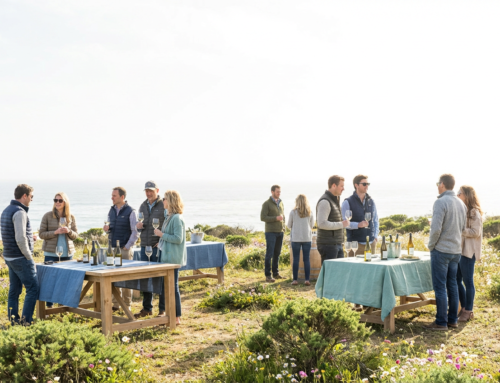
The combination of cycling and wine tasting requires a modified approach to traditional tasting techniques. After arriving at each winery via your ebike route, take a few minutes to settle before beginning your tasting session. The physical activity can actually enhance your palate sensitivity, but you’ll want to hydrate properly between stops.
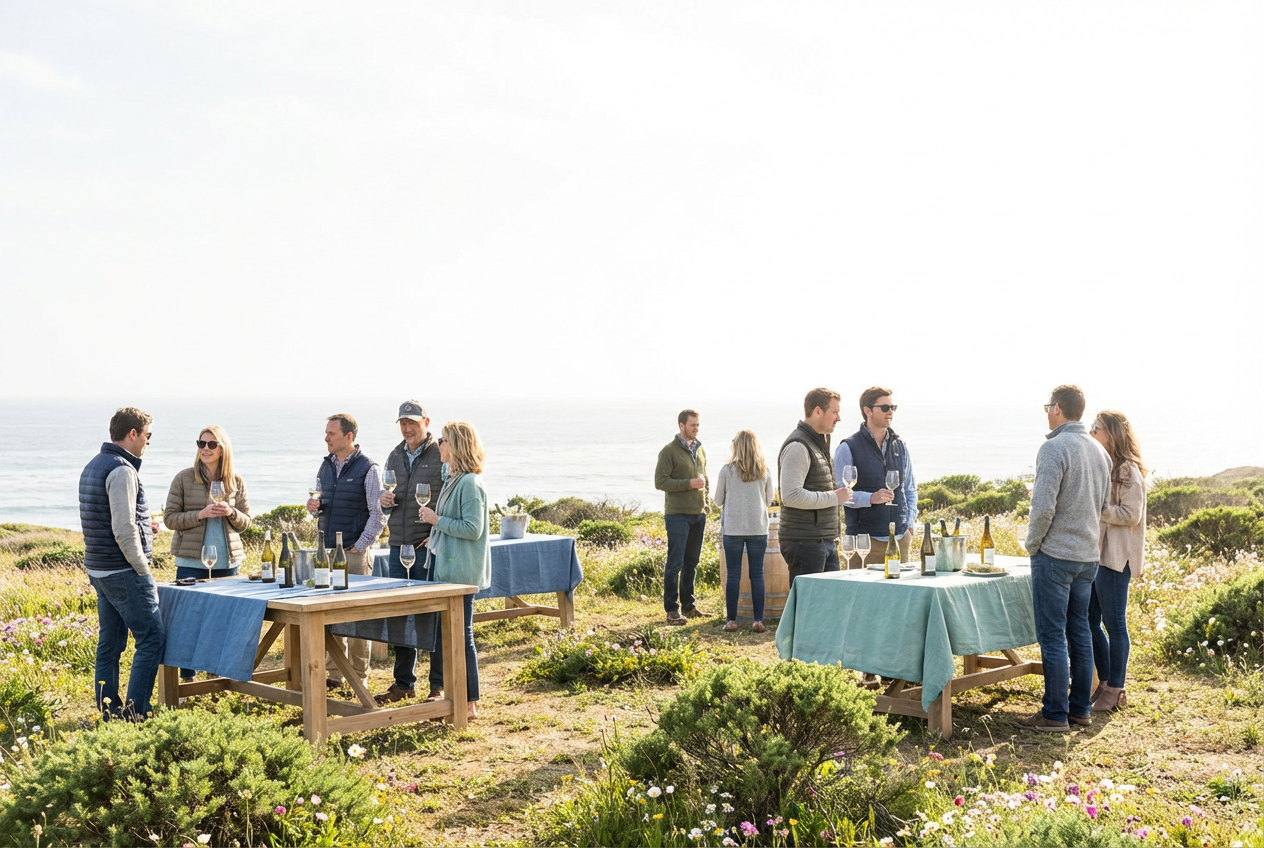
Hold wine glasses by the stem to avoid warming the wine with your hands, especially important when you’ve been cycling in April’s warming temperatures. Swirl gently to release aromatics, then take small sips to fully appreciate each wine’s characteristics. The goal isn’t to consume large quantities but to experience the craftsmanship behind each selection.
Consider the “spit and savor” approach during ebike wine tours. Many experienced tasters will taste, appreciate, and then use the provided spittoons to maintain clarity throughout multiple stops. This technique allows you to fully experience each wine’s flavor profile while staying sharp for both tasting notes and safe cycling between locations.
Understanding Spring Wine Releases and Selections
April represents a unique window in Temecula’s wine calendar, when many wineries release their newest vintages alongside established favorites. Spring releases often feature lighter varietals perfectly suited to the season’s mild temperatures and emerging vineyard landscapes you’ll witness during your cycling journey.
Many local wineries time their white wine releases for spring months, taking advantage of the crisp April weather that enhances citrus and mineral notes. Sauvignon Blancs, Chardonnays, and unique blends become available just as the vineyards begin their new growing season. This timing isn’t coincidental – winemakers understand that spring’s fresh energy complements these brighter wine styles.
During your wine tasting experiences, ask about limited spring releases and library wines that might only be available for a short window. Some vineyards offer exclusive tastings of wines still in development, giving cyclists a behind-the-scenes perspective on the winemaking process that aligns perfectly with the intimate nature of bike touring.
Food Pairing Opportunities at Participating Vineyards
The physical nature of cycling builds appetite naturally, making food pairing experiences particularly rewarding during ebike wine tours. April’s moderate climate creates perfect conditions for outdoor dining experiences that many Temecula wineries incorporate into their tasting programs.
Artisan cheese boards complement spring wine releases beautifully, while local olive oils and seasonal produce enhance the tasting experience. Many participating vineyards coordinate their food offerings with cycling tour schedules, ensuring that lighter fare early in the route transitions to more substantial options at later stops.
Consider timing your route to include a proper lunch pairing at a mid-point winery. This strategy provides necessary fuel for continued cycling while creating a memorable focal point for your day. Some locations offer pre-arranged cyclist menus that balance nutritional needs with wine compatibility, recognizing that active participants require different considerations than traditional tasting room visitors.
The combination of fresh air, physical activity, and carefully chosen food pairings creates heightened sensory experiences. Your palate becomes more receptive to subtle flavor nuances, making each pairing more impactful than traditional seated tastings.
Building Relationships with Winemakers and Staff
The intimate scale of cycling tours creates unique opportunities for meaningful connections with vineyard teams. Unlike large bus tours, wine tour participants arriving by bicycle often receive more personalized attention and behind-the-scenes insights from winemakers and tasting room staff.
Share your cycling route and experiences between stops – many winemakers are cycling enthusiasts themselves and appreciate the dedication required for ebike touring. This common ground often leads to extended conversations about vineyard practices, seasonal changes you’ve observed while cycling, and exclusive access to areas typically reserved for VIP guests.
Take notes not just about wines, but about the people you meet. Building relationships with winery staff creates opportunities for future visits, special event invitations, and insider knowledge about upcoming releases. Many cyclists develop ongoing relationships that extend well beyond their initial touring experience.
Consider joining wine clubs at vineyards where you make strong connections. The combination of personal relationships and membership benefits often provides exceptional value, especially when planning return visits or recommending experiences to friends interested in similar adventures.
Safety and Preparation Guidelines
Electric Bike Safety Protocols and Training
Every successful eBike wine tour begins with proper safety orientation and equipment familiarity. Modern electric bikes require specific handling techniques that differ from traditional cycling, particularly when navigating Temecula’s rolling vineyard terrain. Riders should arrive 15 minutes early for comprehensive bike fitting and safety briefing sessions.
Helmet fitting represents the most critical safety protocol. Professional tour guides ensure each helmet sits level on your head, covering your forehead about two finger-widths above your eyebrows. The chin strap should create a V-shape under your ears, tight enough that only one finger fits between strap and chin. Many accidents occur from improperly secured helmets that shift during rides.
Battery management and power assist settings require specific training before departing. Most eBikes offer three to five power levels, with eco mode providing 20-30 miles of range and turbo mode reducing that to 15-20 miles. Tour guides demonstrate proper gear shifting techniques, emphasizing that riders should pedal while shifting gears to prevent mechanical issues on vineyard trails.
Group riding protocols ensure everyone maintains safe distances and communication. The lead guide establishes hand signals for stopping, turning, and hazard identification. Riders learn the “two-second rule” for following distances, allowing adequate reaction time when the person ahead stops suddenly. Radio communication between guides enables real-time coordination across larger groups exploring multiple winery locations.
Responsible Wine Consumption During Active Tours
Balancing wine appreciation with cycling safety requires strategic pacing and consumption limits. Professional tour operators recommend limiting tastings to 2-3 ounces per stop during active riding portions, saving larger pours for stationary lunch breaks or final destinations. This approach maintains coordination while still delivering authentic tasting experiences.
Timing between tastings and riding proves crucial for safety. The body processes approximately one standard drink per hour, meaning riders should wait 20-30 minutes between wine samples and resuming cycling activities. Many tours incorporate food pairings or vineyard walks during these intervals, enhancing the educational experience while allowing alcohol absorption.
Hydration strategies become essential when combining physical activity with alcohol consumption in April’s warming temperatures. Tour guides provide water bottles and encourage riders to consume 6-8 ounces of water between each tasting location. Dehydration amplifies alcohol effects and impairs judgment necessary for safe eBike operation through vineyard paths.
Designated driver alternatives exist for groups wanting fuller tasting experiences. Some participants choose non-alcoholic options or focus on vineyard tours and food pairings while others handle the wine evaluation. This arrangement allows mixed groups to enjoy comprehensive experiences without compromising anyone’s safety or enjoyment levels.
Physical Fitness Requirements and Recommendations
eBike wine tours accommodate various fitness levels, but basic mobility and balance requirements ensure participant safety and enjoyment. Riders should comfortably mount and dismount bikes, maintain steady balance while stationary, and possess sufficient grip strength for brake operation during descents through vineyard terrain.
Moderate cardiovascular fitness enhances tour enjoyment, though electric assistance reduces physical demands significantly. Participants should feel comfortable walking 1-2 miles and sitting on bike seats for 30-45 minute segments. Previous cycling experience helps but isn’t mandatory, as eBikes provide stability and power assistance for challenging terrain sections.
Age considerations typically range from 16 to 75 years, with individual assessments for riders outside these parameters. Younger participants require guardian supervision and alcohol-free alternatives, while older riders might need additional safety equipment or modified routes. Medical conditions affecting balance, vision, or reaction time require advance disclosure for appropriate accommodations.
Pre-tour preparation recommendations include comfortable clothing, closed-toe shoes with good grip, and light meals 2-3 hours before departure. Avoid heavy meals immediately before riding, as combining digestion with physical activity and wine tasting can cause discomfort. Layers work best for April weather variations throughout vineyard elevations.
Weather Contingency Plans and Backup Options
April weather in Temecula presents variable conditions requiring flexible tour planning and backup strategies. Spring temperatures range from 55-75°F with occasional wind gusts and brief rain showers. Tour operators monitor weather forecasts 24-48 hours in advance, communicating potential changes to participants via email or phone.
Rain contingencies include covered tasting areas, indoor winery experiences, and modified routes avoiding muddy vineyard trails. Many wineries offer barrel rooms, production facilities, or covered patios that provide excellent alternatives during inclement weather. These backup locations often deliver more intimate experiences with winemakers and behind-the-scenes access.
Wind speed protocols establish cancellation thresholds around 20-25 mph sustained winds, as eBikes become difficult to control in stronger gusts. Alternative activities include walking wine tours, extended cellar experiences, or rescheduling options without penalty fees. Flexibility ensures participant safety while maintaining memorable wine country experiences.
Indoor backup venues feature temperature-controlled environments perfect for wine education sessions, food pairings, and group discussions. Professional guides adapt their presentations to emphasize wine knowledge, terroir education, and tasting techniques when outdoor cycling becomes impractical. Participants often discover these intimate settings provide deeper wine appreciation opportunities than originally planned outdoor routes.
Maximizing Value from Your Investment
Membership Benefits and Repeat Visitor Programs
Regular participants in ebike wine tours often discover that loyalty programs transform occasional experiences into ongoing adventures. Many Temecula wineries offer membership tiers that include complimentary bike rentals, priority booking for popular April tours, and exclusive access to limited-release wines. These programs typically provide 15-20% discounts on future tours, making multiple visits throughout the season financially attractive.
The winery membership structure often includes reciprocal benefits with partner venues, allowing members to enjoy reduced rates at multiple locations during their ebike journey. April members frequently receive complimentary tastings at secondary stops, extended cellar tours, and invitations to harvest preparation events later in the year.
Repeat visitors develop relationships with winemakers and staff, gaining insider knowledge about upcoming releases and seasonal specialties. This personal connection enhances each subsequent visit, creating a sense of community that extends beyond the initial tour experience.
Seasonal Pricing Advantages in April
April represents optimal value in the annual pricing cycle for combined ebike and wine experiences. Pre-peak season rates typically offer 25-30% savings compared to summer months, while weather conditions remain ideal for cycling through vineyard rows. Many venues introduce spring promotional packages that bundle bike rentals, tastings, and lunch options at reduced combined rates.
The shoulder season timing means smaller group sizes without compromising service quality. Tour guides provide more personalized attention, bike equipment receives thorough maintenance between uses, and tasting rooms maintain comfortable capacity levels. These factors contribute to enhanced value that extends beyond simple cost savings.
April bookings often include complimentary upgrades such as premium bike models, extended tour routes, or additional tasting flights. Venues use this period to build customer relationships before peak season demand, resulting in generous package inclusions that might not be available during busier months.
Additional Activities to Complement Your Tour
Strategic planning allows visitors to maximize their Temecula experience beyond the primary ebike and wine combination. Morning tours pair excellently with afternoon visits to local artisan shops, olive oil tastings, or farmers market exploration. The mild April temperatures support extended outdoor activities without the fatigue associated with summer heat.
Many participants combine their wine tour with educational seminars about sustainable viticulture, harvest techniques, or wine blending workshops. These complementary activities deepen understanding of the winemaking process while providing practical skills that enhance future tasting experiences.
Local restaurants often coordinate with tour operators to offer post-ride dining experiences featuring wines sampled during the day. This continuation creates a complete culinary journey that reinforces the flavors and knowledge gained during vineyard exploration. Some venues provide picnic options for consumption during scenic stops along bike routes.
Creating Lasting Memories and Photo Opportunities
The visual appeal of April vineyard landscapes provides exceptional photography conditions throughout ebike wine tours. Early morning light filtering through young vine growth creates dramatic shadows and textures perfect for social media documentation. Tour routes often include designated photo stops at panoramic viewpoints overlooking multiple vineyard properties.
Professional photographers sometimes accompany group tours, capturing candid moments of participants enjoying tastings, navigating bike trails, and interacting with winery staff. These images become valuable keepsakes that extend the experience’s emotional impact long after the tour concludes. Many venues offer digital photo packages as optional add-ons.
The combination of physical activity, educational content, and sensory experiences creates multi-layered memories that participants frequently describe as transformative. Unlike passive wine tasting experiences, the active cycling component adds adventure elements that make the day more memorable and shareable with friends and family.
April’s perfect balance of comfortable temperatures, spring vineyard beauty, and exceptional value pricing creates an ideal foundation for your ebike wine tour investment. Whether you’re seeking a romantic adventure, corporate team-building experience, or personal wine education journey, the combination of cycling and tasting offers unmatched returns in both immediate enjoyment and lasting memories. The relationships you’ll build with local winemakers, the knowledge you’ll gain about viticulture, and the stunning photographs you’ll capture all contribute to an experience that continues rewarding you long after your final toast.