Temecula Wine Varietals at Peak Quality This Spring
What Makes Spring the Sweet Spot for Wine Tasting
The morning mist rolls across Temecula’s rolling hills as vineyard workers begin their daily routines, and there’s something magical happening in the air. While many wine enthusiasts flock to tasting rooms during peak summer months, seasoned oenophiles know that spring holds the secret to experiencing wine at its absolute finest. The convergence of perfect weather, active vineyard energy, and intimate tasting conditions creates an environment where every sip tells a more complete story.
This isn’t just about avoiding crowds (though that’s certainly a perk). Spring represents a unique window when multiple factors align to enhance your wine experience in ways that simply aren’t possible during other seasons. From the way cooler temperatures preserve delicate aromatics to witnessing the vineyard’s awakening firsthand, understanding why spring reigns supreme will transform how you approach wine tasting forever.
Perfect Weather for Outdoor Tastings
Temecula’s spring climate hits that sweet spot between winter’s chill and summer’s intensity, typically hovering between 65-75°F during peak tasting hours. This temperature range isn’t just comfortable for visitors—it’s scientifically optimal for wine evaluation. Your palate remains more sensitive to subtle flavor notes when you’re not battling heat fatigue, and the wine itself maintains its intended serving temperature longer in your glass.
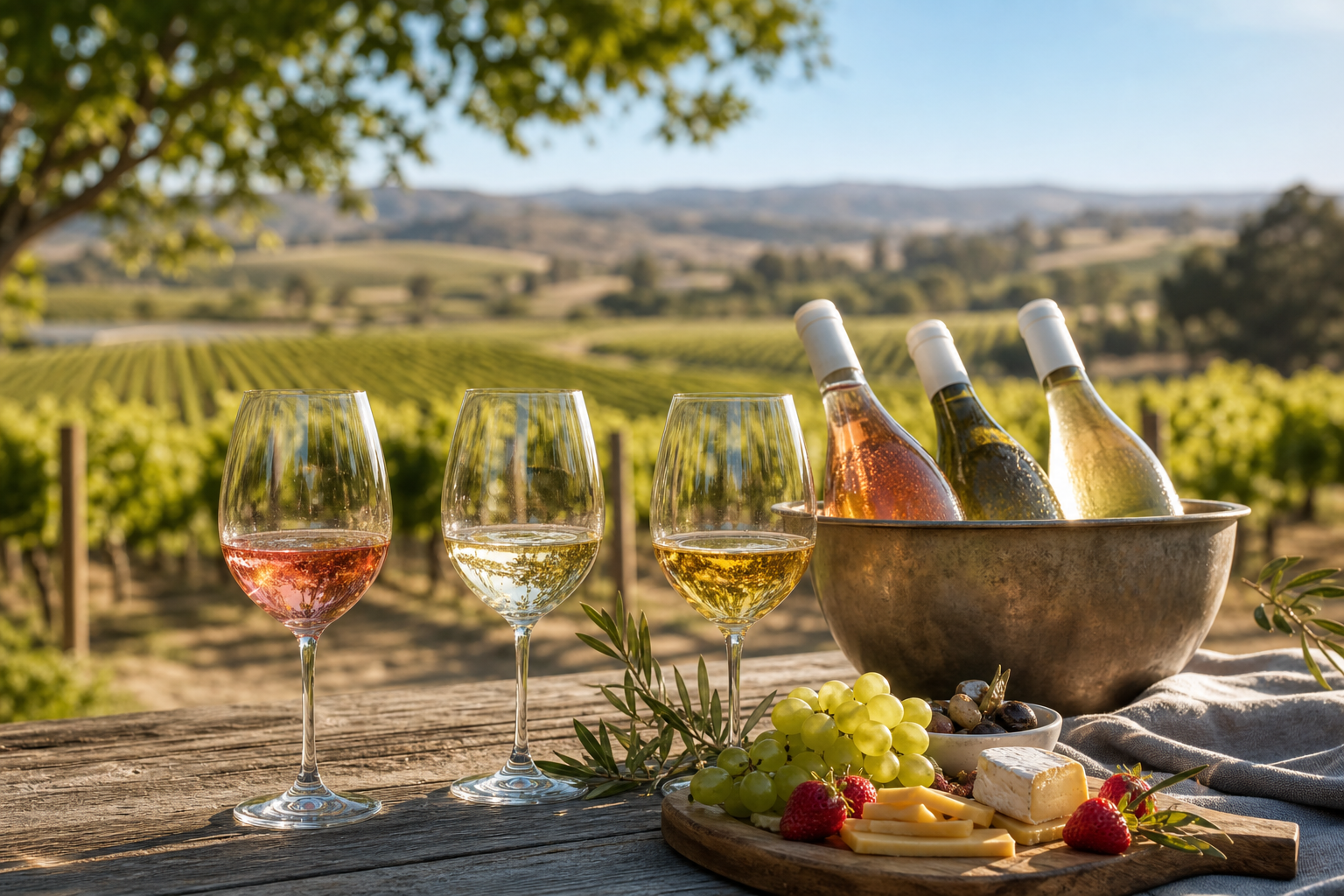
The reduced humidity during spring months preserves wine aromatics more effectively than summer’s heavier air. You’ll notice bouquet complexity that might get muted during hotter seasons, particularly in delicate varietals like Pinot Grigio or Rosé. Many tasting rooms extend their outdoor seating areas during spring, allowing you to enjoy vineyard views without the glare and heat that can overwhelm summer tastings.
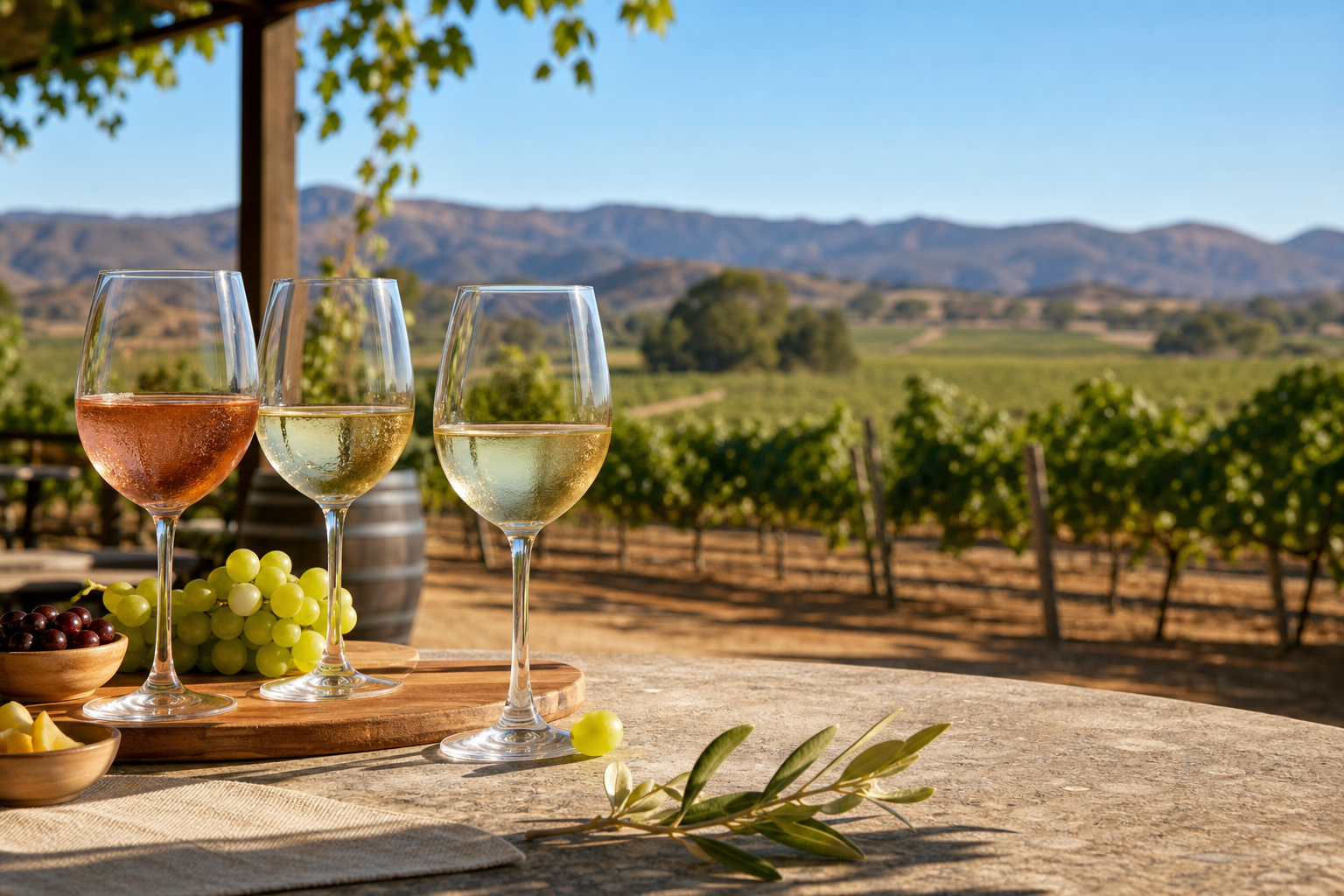
Spring also brings those picture-perfect clear skies that make Temecula Valley’s scenic backdrop truly shine. The enhanced visibility means better appreciation of terroir—you can actually see the soil variations and elevation changes that influence each wine’s character while you’re tasting.
When Vineyards Come Alive with New Growth
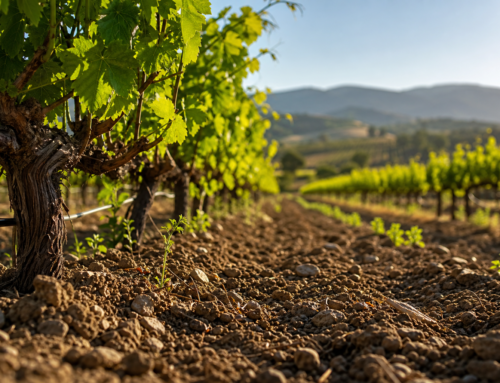
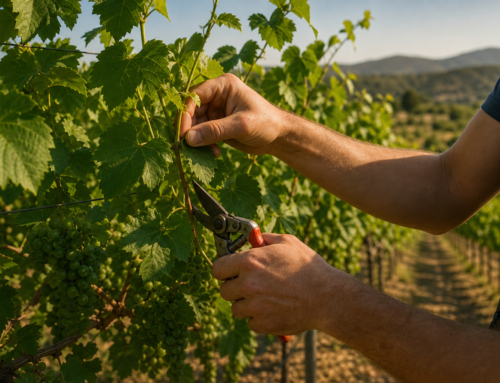
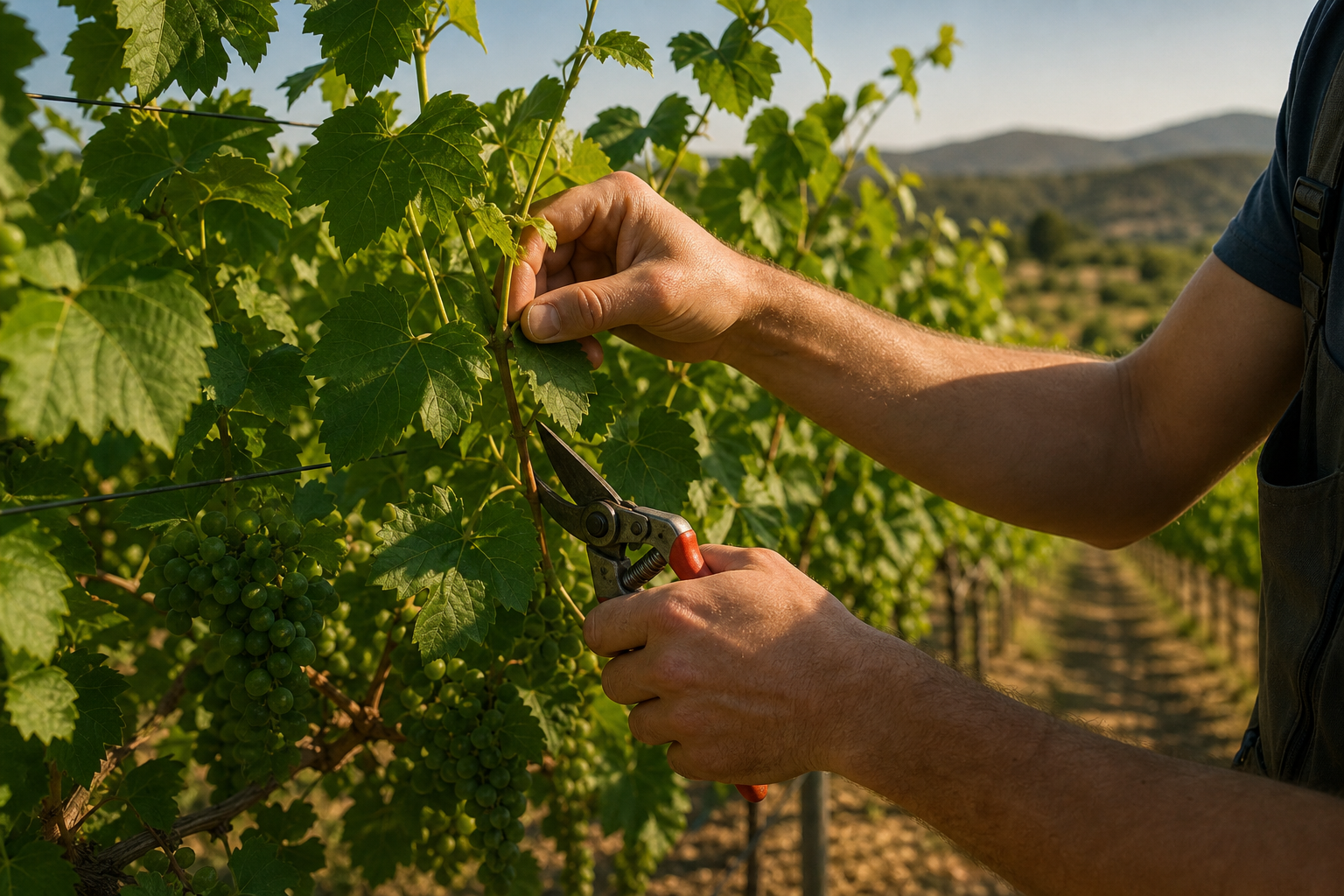
There’s educational value in visiting during bud break and early leaf development that you simply can’t get from a textbook. Walking through the soul during spring means witnessing the actual process that will determine this year’s harvest quality. Vineyard managers are actively pruning, training vines, and making critical decisions about canopy management—all visible during your visit.
This timing allows for more intimate conversations with winemakers who aren’t yet consumed by harvest preparations. They’re available to explain how last year’s weather patterns affected the wines you’re tasting, and how this spring’s conditions might influence the upcoming vintage. The energy is palpable but not frantic, creating perfect conditions for deeper wine education.
Many wineries offer exclusive behind-the-scenes access during spring months, including barrel tastings of wines still developing. You might sample wines that won’t be released for months, gaining insight into the winemaking process that’s impossible to appreciate during busier seasons.
Avoiding the Summer Crowds While Getting Premium Service
Spring represents Temecula’s shoulder season, meaning significantly smaller groups and more personalized attention from tasting room staff. Instead of rushing through a flight with fifteen other people competing for the sommelier’s attention, you’ll often find yourself in groups of four to six, allowing for genuine conversation about each wine’s characteristics.
Staff members have time to customize tastings based on your preferences, perhaps pulling special reserve bottles or adjusting the tasting sequence to highlight specific flavor progressions. This level of service becomes nearly impossible during peak summer months when tasting rooms operate at maximum capacity.
The relaxed atmosphere also means extended cellar tours and more flexible scheduling. Many winery experiences that require advance booking during summer are often available as walk-ins during spring, giving you spontaneity in your wine exploration.
Spring Food Pairings That Elevate Your Tasting Experience
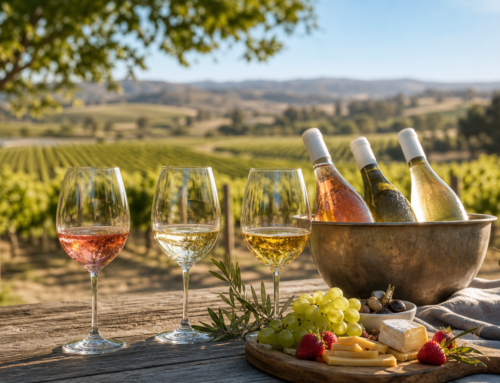
Spring’s seasonal produce creates unique pairing opportunities that complement Temecula varietals beautifully. Fresh strawberries and early stone fruits pair exceptionally with the region’s Rosé offerings, while spring vegetables like asparagus and artichokes bring out unexpected notes in Sauvignon Blanc and Chardonnay.
Many wineries feature spring-specific cheese selections, often including fresh goat cheese and lighter aged varieties that won’t overpower delicate white wines. The seasonal approach to food pairing means you’re experiencing combinations specifically designed for the wines at their current drinking windows.
Picnic opportunities abound during spring months, with comfortable temperatures making outdoor dining a pleasure rather than an endurance test. Pack light, fresh ingredients that complement rather than compete with the wines you’ll be tasting throughout the day.
Standout Varietals Hitting Their Stride Right Now
Bold Reds That Have Had Time to Mature
Spring is when Temecula’s aged reds truly come into their own. The cooler cellar temperatures during winter months have allowed these wines to develop complex flavor profiles that are just now reaching their peak. Cabernet Sauvignon from the 2021 harvest has had time to settle, with tannins softening beautifully while maintaining that bold structure Temecula is known for.
Petite Sirah stands out as a spring favorite, offering rich berry flavors with hints of pepper and spice that pair perfectly with the season’s transitional weather. These wines have benefited from extended barrel aging, creating layers of complexity you simply won’t taste in younger releases. The temperature consistency in our tasting facilities means these varietals are served at optimal conditions right now.
Merlot from local vineyards has also reached an impressive balance. The fruit-forward notes have mellowed into something more sophisticated, with subtle oak undertones that speak to careful winemaking practices. Many visitors are surprised by the quality and depth these Temecula reds achieve with proper aging.
Crisp Whites Perfect for Warmer Spring Days
The warming spring temperatures make this the ideal time to experience Temecula’s white varietals. Sauvignon Blanc offers bright acidity and citrus notes that complement the fresh energy of the season. These wines are best enjoyed when the weather starts shifting from cool mornings to pleasantly warm afternoons.
Chardonnay from recent harvests has developed beautifully, with some producers offering both oaked and unoaked versions. The contrast is fascinating during tastings, allowing visitors to understand how winemaking techniques influence final flavors. The unoaked versions provide clean, mineral-driven profiles that are refreshing as temperatures climb.
Viognier deserves special attention this spring. This aromatic white varietal thrives in Temecula’s climate, producing wines with floral notes and stone fruit characteristics. The current vintages available show excellent balance between richness and freshness. During vineyard visits, you’ll often hear winemakers discussing how Viognier responds so well to the region’s specific terroir.
Rosé made from Grenache and other red varietals offers another excellent spring option. These wines capture the best of both worlds, with more body than most whites but the refreshing qualities perfect for outdoor tastings as the weather warms up.
Limited Release Wines You Won’t Find Later
Spring marks the release of several limited production wines that serious collectors and enthusiasts should prioritize. Many Temecula wineries use this time to unveil small-batch experiments and reserve selections that have been aging quietly in their cellars.
Barrel select wines are particularly noteworthy right now. These are often single-barrel productions where winemakers have identified exceptional lots worthy of special attention. The quantities are extremely limited, sometimes just 50-100 cases, making them available only to visitors and wine club members.
Reserve blends created from the best lots of previous harvests are also making their debut. These wines represent the pinnacle of what each winery can achieve, combining fruit from their finest vineyard blocks with extended aging programs. The investment in time and resources means these releases happen infrequently.
Library wines from older vintages occasionally surface during spring cleanings of cellar inventories. These mature bottles offer unique opportunities to taste how Temecula wines develop over extended periods. Availability varies dramatically, making each discovery a genuine find for wine enthusiasts.
Hidden Gems Most Visitors Miss
Beyond the flagship varietals, several under-the-radar wines are reaching exceptional quality this spring. Mourvedre, often overlooked in favor of more familiar reds, produces intense, earthy wines that showcase Temecula’s Mediterranean-like climate perfectly. These bottles require patience to appreciate but reward adventurous palates.
Orange wines, made from white grapes with extended skin contact, represent an emerging category in Temecula. The technique creates unique flavor profiles that bridge the gap between whites and reds. Spring’s mild temperatures provide ideal conditions for appreciating these complex, food-friendly wines.
Late harvest dessert wines from previous seasons are reaching optimal drinking windows now. Made from grapes affected by noble rot or simply left to concentrate sugars, these sweet wines offer incredible intensity and complexity. Many visitors skip dessert wines entirely, missing some of the region’s most impressive achievements.
Port-style fortified wines aged in small barrels develop remarkable character over time. The current releases show how well these styles work with Temecula fruit, creating rich, warming wines perfect for transitional spring weather when evenings can still be cool.
Planning Your Perfect Spring Vineyard Day
Best Times to Visit for Optimal Tasting Conditions
Spring in Temecula brings some of the most perfect conditions for exploring Temecula wine varietals. The sweet spot hits between 10 AM and 3 PM, when morning fog has lifted but afternoon heat hasn’t peaked. Temperatures typically hover in the comfortable 70-75°F range, which means your palate stays fresh and those delicate aromatics in wines like Viognier and Pinot Grigio really shine through.
Weekdays offer a completely different experience than weekends. Tuesday through Thursday, you’ll find winery staff have more time for detailed conversations about specific varietals and terroir. The crowds are lighter, so you can actually hear the subtle notes in that Sangiovese without competing with large groups.
Weather plays a huge role in tasting quality. Spring’s lower humidity preserves wine aromatics better than summer’s intense heat. Plus, the clear skies provide stunning backdrop views of the valley while you’re sampling those peak-season Rhône varietals that Temecula does so well.
What to Wear for Comfort and Style
Dressing for spring wine tasting in Temecula requires some strategic thinking. Layers are your best friend since morning temperatures can start in the 50s and climb to 80°F by afternoon. A light jacket or cardigan over a breathable cotton top gives you flexibility as conditions change throughout your tasting day.
Comfortable walking shoes are non-negotiable. Many activities involve vineyard walks on uneven terrain, and those Instagram-worthy shots aren’t worth twisted ankles. Closed-toe shoes also protect your feet during barrel room tours where floors can be damp.
Colors matter more than you might think. Darker clothing helps hide inevitable wine stains (it happens to the best of us), while avoiding strong perfumes or scented lotions preserves your ability to detect those subtle floral notes in varietals like Gewürztraminer. A wide-brimmed hat protects your face during outdoor tastings and adds a classic wine country vibe to photos.
Consider bringing a light scarf or wrap. Tasting rooms can run cooler than outdoor areas, and you’ll appreciate the extra layer when moving between different environments during your vineyard exploration.
Booking Tours vs. Walk-In Tastings
The booking versus walk-in decision significantly impacts your Temecula vineyard tours experience. Reservations guarantee your spot, especially during peak spring weekends when everyone wants to enjoy that perfect weather. Booked tours often include exclusive access to limited-production varietals that aren’t available to walk-in visitors.
Walk-in tastings offer flexibility but come with risks. Popular wineries can have two-hour waits on beautiful spring Saturdays. However, spontaneous visits sometimes lead to unexpected discoveries when winemakers are available for impromptu conversations about their latest releases.
Private tours provide the deepest dive into Temecula’s varietal strengths. You’ll get behind-the-scenes access to fermentation areas and barrel rooms where those complex Bordeaux blends are aging. The personalized attention means learning about specific growing conditions that make certain varietals thrive in Temecula’s unique microclimate.
Group tours strike a nice balance between structure and social interaction. Meeting other wine enthusiasts while exploring different wine tasting styles creates memorable experiences and often leads to discovering varietals you wouldn’t have tried otherwise.
Transportation Options That Keep Everyone Safe
Planning transportation is crucial for a responsible wine tasting day. Designated drivers work well for smaller groups, but they miss out on the full tasting experience. Consider rotating designated driver duties if visiting multiple wineries over several days.
Rideshare services operate throughout Temecula’s wine country, though availability can be spotty during peak hours. Booking rides in advance through apps helps ensure reliable pickup times, especially from more remote vineyard locations.
Professional wine tour transportation eliminates all safety concerns while maximizing your tasting opportunities. These services know the best routes between wineries and often provide insider knowledge about which locations feature specific varietals you’re interested in exploring.
Staying at nearby accommodations transforms your wine tasting into a proper retreat. Walking distance lodging near visit us locations means you can truly savor those evening varietals without worrying about driving. Many hotels offer shuttle services to popular tasting destinations, combining convenience with safety.
Bicycle tours represent an increasingly popular option for spring weather. The moderate distances between many Temecula wineries make cycling feasible, and the slower pace lets you appreciate the vineyard landscapes between tastings.
Insider Tips from Local Wine Pros
Questions That Get You the Best Pours
The right question can unlock a completely different tasting experience. Instead of asking “What’s good?” (which gets you the same three wines everyone tries), try “What’s drinking beautifully right now?” This signals you’re looking for wines at their current peak, not just crowd-pleasers.
Ask about the winemaker’s personal favorites this season. Tasting room staff often pour different wines when they know you’re genuinely curious about their craft. “Which spring release surprised you the most?” usually leads to interesting backstories and special pours.
Temperature matters more than most people realize. Ask if they have anything chilled that’s not typically served cold, or request a comparison between the same wine at different temperatures. Many winery locations keep reserve bottles at various serving temperatures for exactly these moments.
When visiting during spring, specifically mention you’re interested in how the wines reflect this season’s character. Tasting room staff appreciate guests who understand wine’s seasonal nature and often respond with more thoughtful selections.
How to Taste Like You Know What You’re Doing
First impressions happen before you even taste. Hold the glass by the stem (never the bowl) and give it a gentle swirl. This isn’t pretentious theater – you’re actually aerating the wine and concentrating the aromatics.
The smell tells half the story. Stick your nose right into the glass and inhale deeply. Don’t worry about identifying specific scents immediately. Instead, notice if the wine smells fresh, heavy, fruity, or earthy. These broad categories help you understand what you’re about to taste.
Take a proper sip, not a tiny taste. Let the wine coat your entire palate. The front of your tongue picks up sweetness, the sides detect acidity, and the back registers tannins and alcohol. A full sip engages all these areas and gives you the complete picture.
Spring Temecula wine varietals often show bright acidity and fresh fruit characteristics. Pay attention to how the wine feels in your mouth – is it light and crisp, or full and coating? These textural differences become more apparent when you’re tasting wines side by side during a structured wine tasting session.
Building Relationships with Tasting Room Staff
Tasting room staff are your gateway to exceptional experiences, but they can spot a genuine wine enthusiast from across the room. Show up curious, not trying to impress. Ask about their personal wine journey – most have fascinating stories about how they discovered wine or ended up in Temecula.
Remember names and use them. If Sarah poured your favorite Viognier last month, mention it when you return. This personal connection often translates into access to library wines, barrel samples, or invitations to special events.
Respect their expertise without being afraid to express your preferences. Say “I usually prefer lighter reds” rather than pretending to love everything. Honest feedback helps them tailor your experience and shows you’re genuinely engaged with the tasting process.
Purchase something, even if it’s small. Tasting room staff work largely on commission, and buying a bottle (or booking future experiences through their reservation system) demonstrates appreciation for their time and knowledge.
Taking Notes Worth Keeping
Your phone’s camera is your best note-taking tool. Snap photos of wine labels, but also capture your written notes alongside the bottle. This visual connection helps you remember specific wines months later.
Write down three simple things: what you liked, what you didn’t, and what surprised you. Skip the flowery descriptions unless they genuinely help you remember. “Reminded me of summer peaches” is better than “complex stone fruit with mineral undertones” if peaches actually came to mind.
Record the context, not just the wine. Note the weather, who you were with, and what you ate. Spring tastings often pair with lighter foods and outdoor settings, which significantly influences how wines taste and feel.
Use a simple rating system you’ll remember. Whether it’s stars, numbers, or emoji, consistency matters more than complexity. Mark wines you’d buy again, wines you’d recommend, and wines you’d avoid. During busy spring wine tour seasons, these quick reference points become invaluable for making purchasing decisions.
Track your preferences over time. Spring varietals might taste different than the same wines in fall, and your palate evolves with experience. These notes become your personal wine education, documenting your journey from curious beginner to confident taster.
Making the Most of Your Wine Country Adventure
Pairing Your Tastings with Local Dining
Spring’s abundant harvest creates perfect opportunities to pair your wine tasting adventures with Temecula’s vibrant culinary scene. Many wineries offer seasonal food pairings that highlight the bright acidity of Sauvignon Blanc alongside fresh spring vegetables or the smooth tannins of Tempranillo with grilled meats.
Local restaurants understand the valley’s wine profile intimately. They craft menus that complement the terroir-driven characteristics you’ll discover during tastings. Consider booking lunch reservations between winery visits to let your palate reset while experiencing how professional chefs interpret local wine varietals.
Food trucks and artisan vendors often appear at wineries during spring weekends, bringing everything from wood-fired pizza to gourmet cheese boards. These casual dining options let you extend your tasting experience without the formality of restaurant service, perfect for groups wanting flexibility in their wine country adventure.
Which Bottles Are Worth Taking Home
Spring releases offer unique opportunities to purchase wines that showcase the previous year’s exceptional growing conditions. Limited production varietals like Mourvèdre and Grenache often sell out quickly, making spring visits ideal for securing bottles you won’t find later in the year.
Estate-grown wines typically represent the best value for collectors and casual drinkers alike. These bottles reflect the specific microclimate and soil conditions that make Temecula’s wine region distinct. Look for vineyard designate labels that indicate grapes sourced from specific blocks or elevations within the property.
Consider purchasing wines with aging potential if you’re building a cellar collection. Spring tastings let you evaluate young wines before they develop secondary characteristics, giving you insight into how they might evolve over the next five to ten years. Many wineries offer case discounts that make investing in multiple bottles more affordable.
Photography Spots That Capture the Spring Beauty
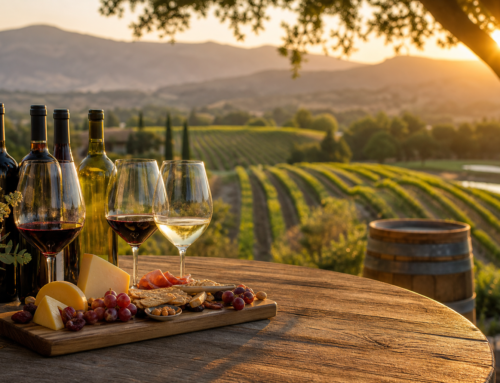
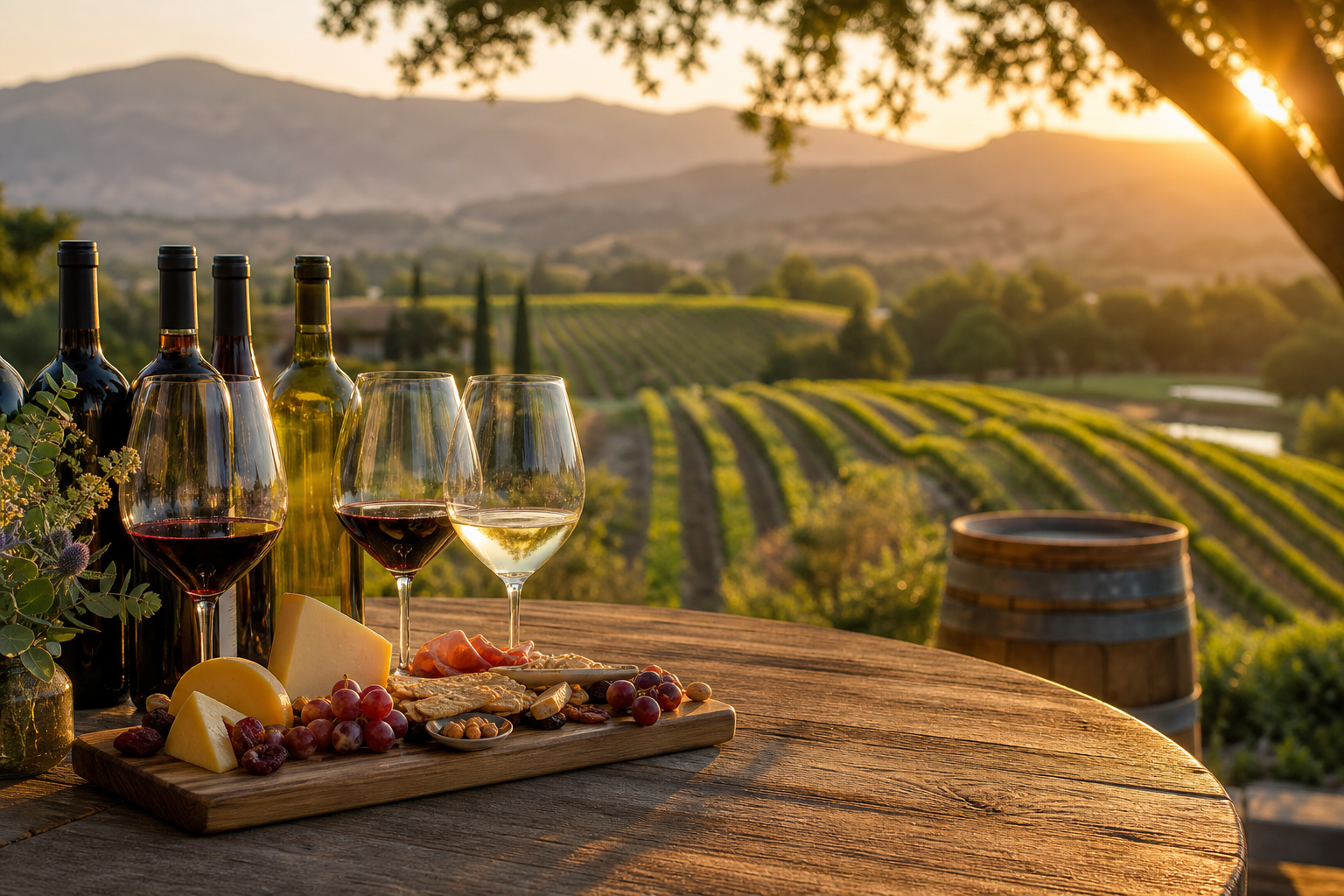
Temecula’s rolling hills create dramatic backdrops during spring months when morning fog lifts to reveal layers of vineyards stretching toward distant mountains. The golden hour just before sunset transforms vine rows into geometric patterns perfect for wide-angle landscape shots.
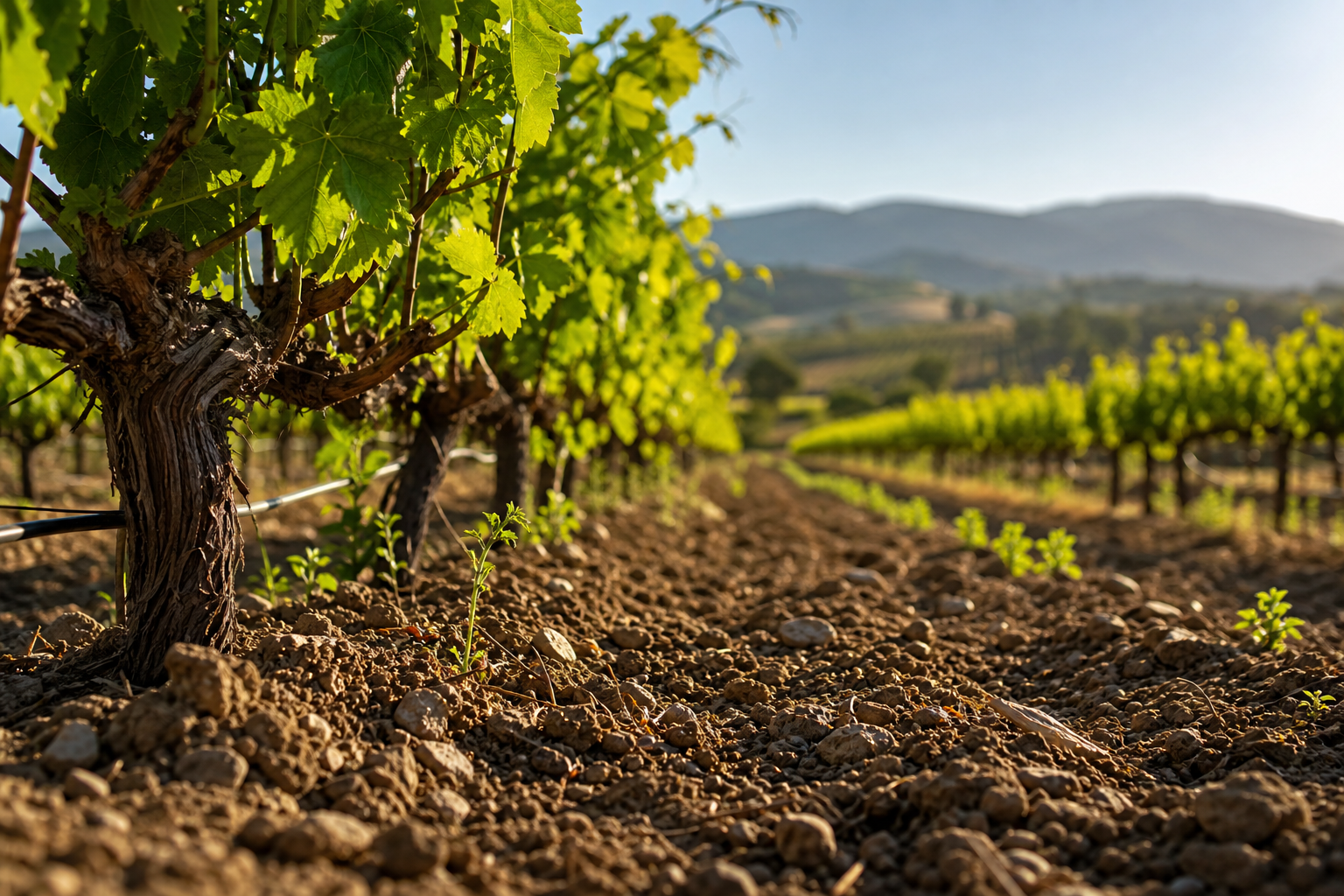
Budbreak creates intimate photo opportunities as tiny green shoots emerge from dormant vines. Macro photography enthusiasts find endless subjects in the delicate unfurling leaves and developing grape clusters. Many wineries welcome photographers who respect working vineyard protocols and stay on designated paths.
Historic buildings and modern tasting room architecture provide contrast against natural vineyard settings. Stone walls, weathered barn doors, and contemporary glass structures offer diverse compositional elements. Some properties feature sculpture gardens or art installations that add unique focal points to your spring wine country photography.
Planning Return Visits for Different Seasons
Each season reveals different aspects of Temecula’s wine personality, making multiple visits throughout the year rewarding for serious enthusiasts. Summer brings harvest energy and the chance to witness crush operations, while fall offers barrel tastings and blending experiences not available during spring visits.
Winter’s cooler temperatures create intimate tasting room atmospheres and often feature special releases or library wine events. Many wineries use slower winter months for educational seminars and behind-the-scenes tours that provide deeper insights into winemaking processes you glimpsed during spring visits.
Annual wine club memberships unlock seasonal perks like priority access to limited releases, discounted tasting fees, and exclusive events. Members often receive advance notice of special bottlings or vineyard experiences that aren’t available to casual visitors, making return trips more rewarding.
Building relationships with winemakers and tasting room staff during spring visits pays dividends throughout the year. They remember preferences and can recommend new releases or suggest optimal timing for specific experiences. These personal connections transform casual wine tourism into meaningful ongoing relationships with the valley’s wine community.
Spring’s perfect weather conditions make this season ideal for discovering Temecula’s exceptional varietals and planning future wine country adventures. Whether you’re seeking educational experiences, collecting bottles for your cellar, or simply enjoying scenic vineyard settings with friends, the valley offers countless ways to deepen your appreciation for local winemaking. Your spring wine country journey starts with that first sip, but the memories and connections you make will bring you back season after season.