Why April Weather Creates Perfect Wine Tasting Conditions
Spring’s Sweet Spot: The Science Behind April’s Ideal Tasting Conditions
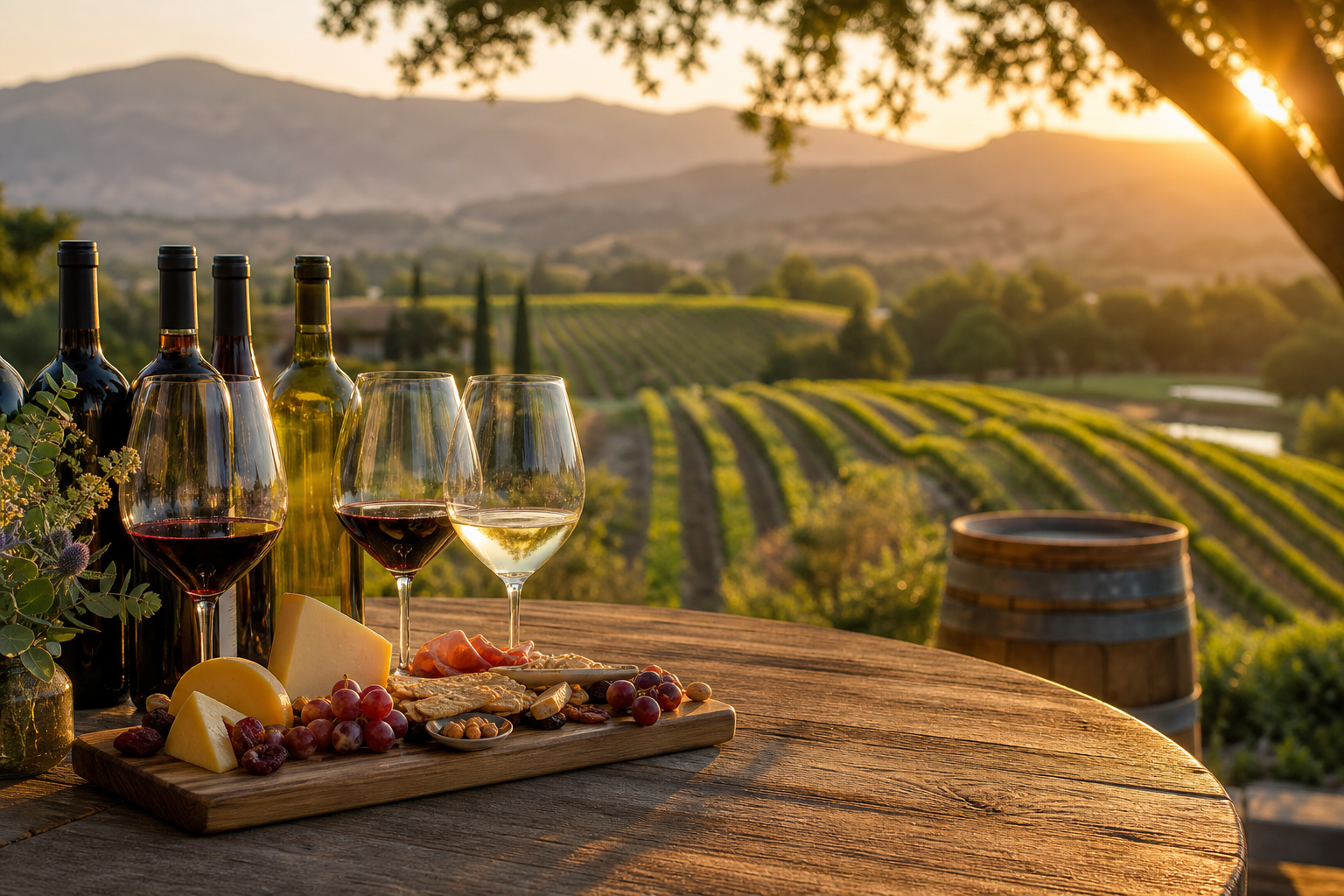
Picture this: you’re standing in a vineyard, glass in hand, and suddenly every nuance of the wine comes alive on your palate. That magical moment isn’t just about the wine itself (though that certainly matters). April’s unique weather conditions create the perfect storm for your taste buds to experience wine at their absolute peak sensitivity.
Most people don’t realize that weather affects wine tasting almost as much as the wine’s own characteristics. Your palate, sense of smell, and even your mood respond dramatically to atmospheric conditions. And April? It’s nature’s sweet spot for wine appreciation.
The science behind perfect tasting conditions goes deeper than just “nice weather feels good.” Your sensory receptors actually function differently based on temperature, humidity, and air pressure. When these elements align (as they do consistently in April), your ability to detect subtle flavors, complex aromas, and delicate textures reaches its peak.
Temperature ranges that enhance your palate sensitivity
Your taste buds operate like tiny thermometers, becoming more or less sensitive based on ambient temperature. April’s moderate temperatures, typically ranging from 65-75°F in Temecula, create the optimal conditions for palate sensitivity.
When temperatures climb above 80°F, your taste buds actually become less responsive to subtle flavors. The heat causes mild dehydration, which reduces saliva production and dulls your ability to detect nuanced notes. Conversely, temperatures below 60°F can numb your palate, making delicate wines taste muted.
April’s gentle warmth allows your taste receptors to function at full capacity. You’ll notice fruit-forward wines reveal their complex berry profiles more clearly, while aged wines showcase their oak influences without overwhelming heat masking the subtleties. The comfortable temperature also means you’re more likely to take your time with each sip, allowing proper wine evaluation techniques to work their magic.
How moderate humidity affects wine aromas
Humidity levels dramatically impact how wine aromas reach your olfactory system. April typically brings humidity levels between 40-60% in wine country, which happens to be the sweet spot for aroma perception.
Low humidity (below 30%) causes rapid evaporation of wine’s volatile compounds before they can reach your nose. High humidity (above 70%) actually traps aromas close to the wine’s surface, preventing them from dispersing properly. April’s balanced humidity allows those delicate floral notes in your Pinot Grigio or the earthy undertones in your Cabernet to travel effectively from glass to nose.
During a wine tasting session in April’s moderate humidity, you’ll find yourself picking up secondary and tertiary aromas that might be completely missed in summer’s dry heat or winter’s heavy moisture. The vanilla notes from oak aging become more apparent, spice complexities emerge, and even the subtle mineral characteristics from vineyard soil express themselves more clearly.
Why cooler weather brings out subtle flavor notes
Cool weather affects both the wine in your glass and your ability to taste it. April’s cooler evenings and mild days create ideal serving temperatures naturally, while your palate stays sharp and receptive.
When wine is served at proper temperature (which happens more naturally in April’s climate), its flavor compounds express themselves in perfect balance. Red wines show their tannin structure without harsh edges, while whites reveal their acidity and mineral content without seeming sharp or aggressive.
Your taste buds also respond better to temperature contrasts in cooler weather. The slight warmth of wine against a cool palate creates enhanced perception of texture and body. You’ll notice how a full-bodied Merlot feels velvety rather than heavy, or how a crisp Sauvignon Blanc showcases its grassiness without overwhelming citrus notes.
The role of barometric pressure in wine perception
Barometric pressure might seem like meteorology trivia, but it significantly influences your tasting experience. April’s stable pressure systems (typically ranging from 30.00-30.30 inches of mercury) create consistent conditions for optimal wine evaluation.
High pressure systems enhance your sense of smell by allowing aromatic compounds to reach your olfactory receptors more efficiently. Low pressure can make wines taste flat or one-dimensional. April’s generally stable pressure means each wine tour offers consistent tasting conditions day after day.
The connection between barometric pressure and taste sensitivity relates to how pressure changes affect the fluid in your inner ear, which influences your overall sensory processing. Understanding the soul becomes easier when your senses operate at peak efficiency, allowing you to truly appreciate how terroir translates into each bottle’s unique character profile.
Vineyard Magic: What Makes April Special for Wine Country Visits
Bud break season and its impact on the vineyard atmosphere
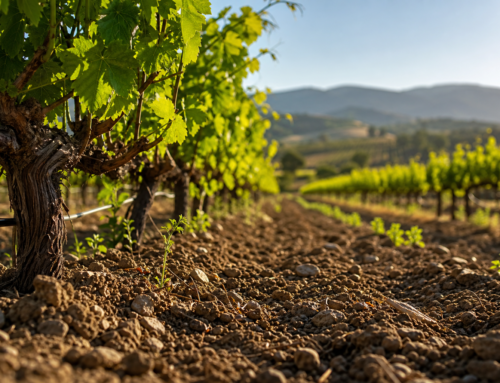
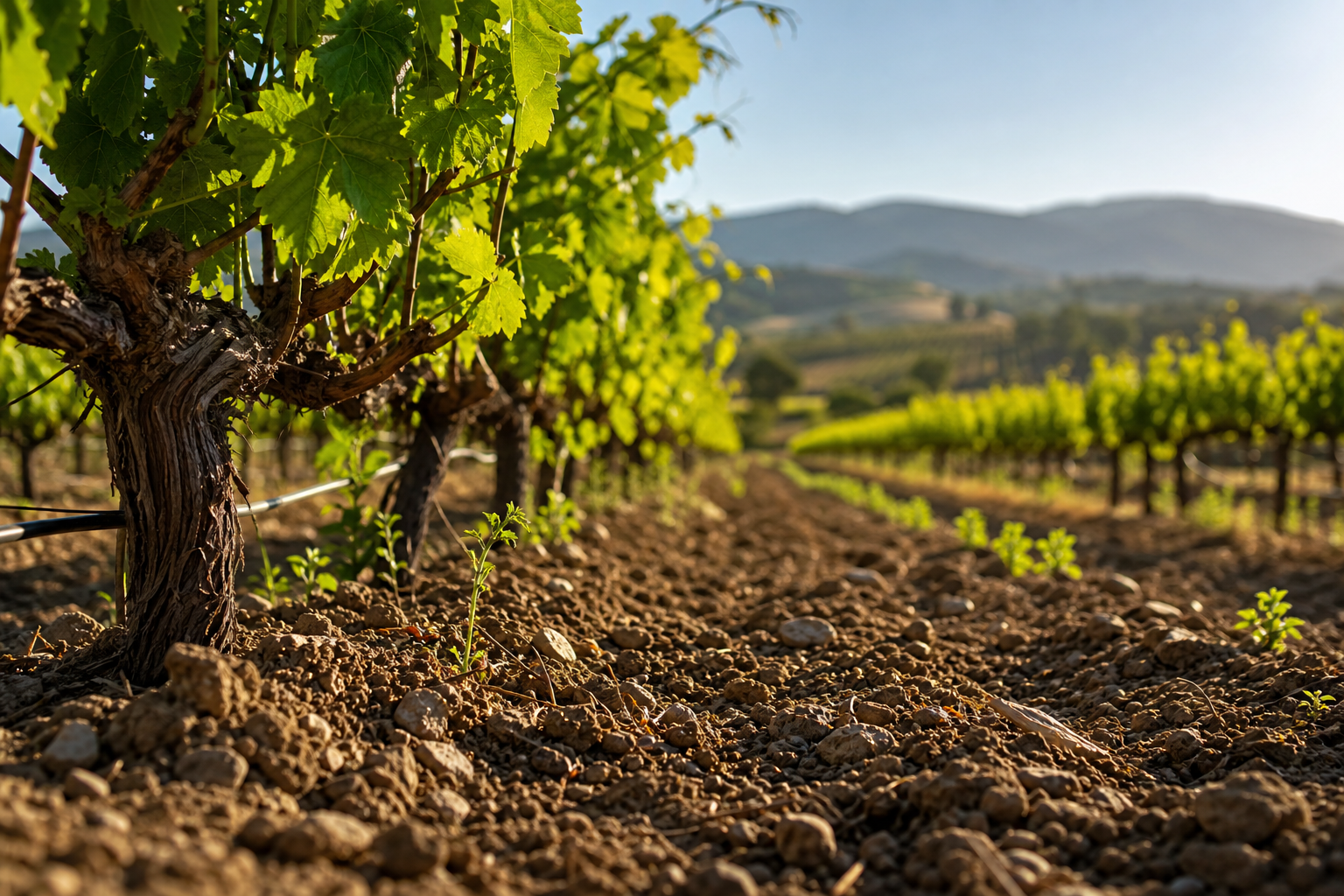
April marks the magical moment when Temecula’s vineyards come alive with bud break, transforming the landscape into something truly special. Those dormant vines that looked bare just weeks before suddenly burst with tiny green shoots, creating an energy you can actually feel when walking through the rows.
The timing creates perfect synergy between nature’s renewal and wine appreciation. Fresh growth on the vines adds a vibrant backdrop that makes every photo worth sharing, but more importantly, it creates an atmosphere of anticipation and possibility. There’s something about witnessing this natural process that enhances your connection to the wine in your glass.
At our winery, guests often comment on how the emerging buds make them appreciate the full cycle of winemaking. You’re not just tasting the finished product but experiencing where next year’s vintage begins. The air itself feels charged with potential, making each sip more meaningful.
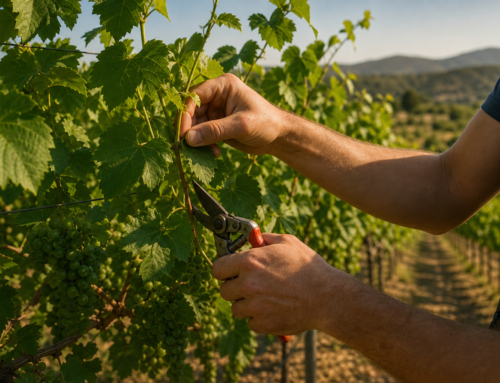
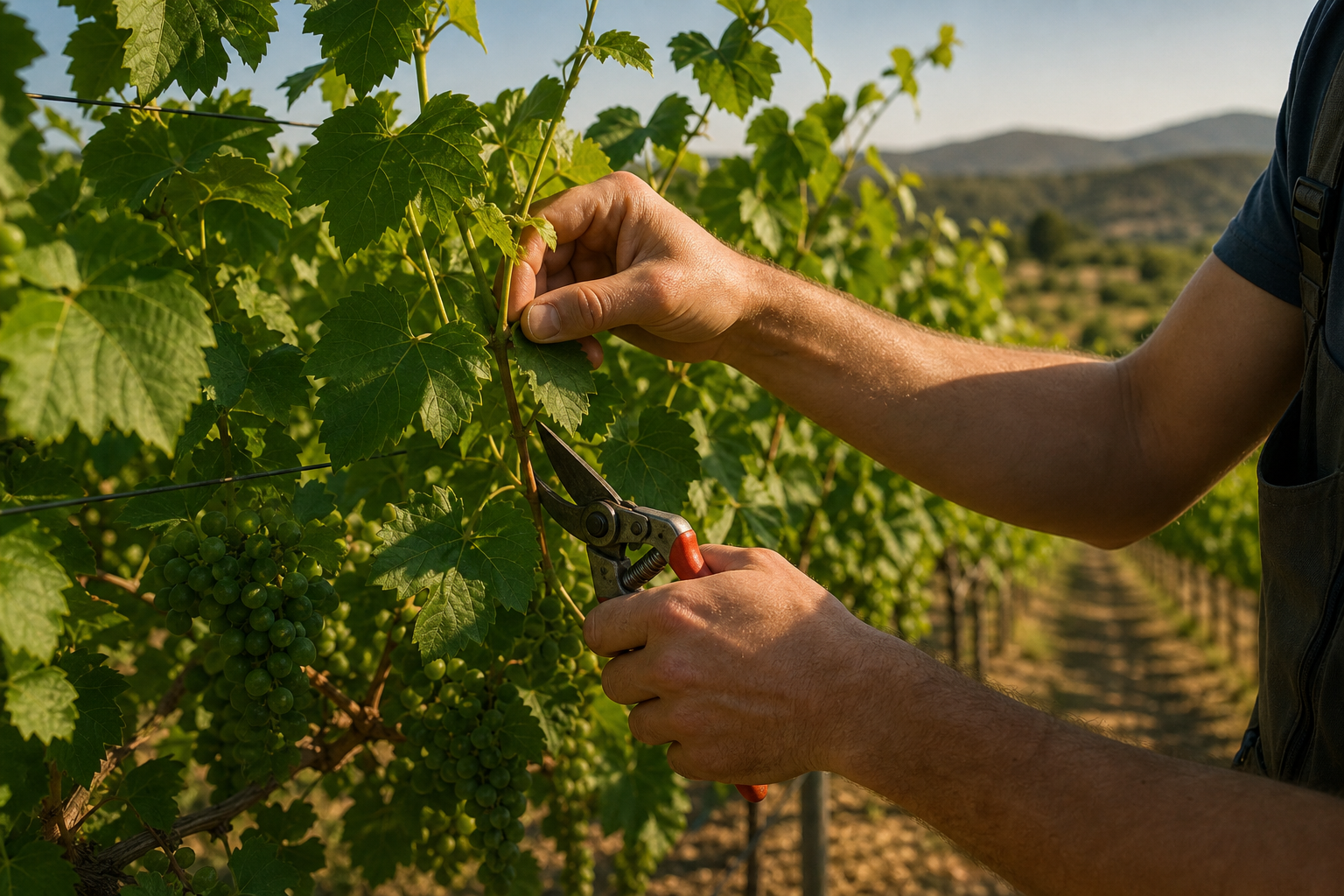
This seasonal timing also means vineyard staff are actively working the fields, pruning and preparing for the growing season. Watching this careful cultivation adds educational value to your visit, giving you insider knowledge about the dedication behind every bottle.
Comfortable touring weather without summer crowds
April delivers that sweet spot of comfortable temperatures without the intense heat that defines Temecula summers. Daytime highs typically hover around 75-80 degrees, perfect for extended outdoor tastings without feeling rushed to find shade.
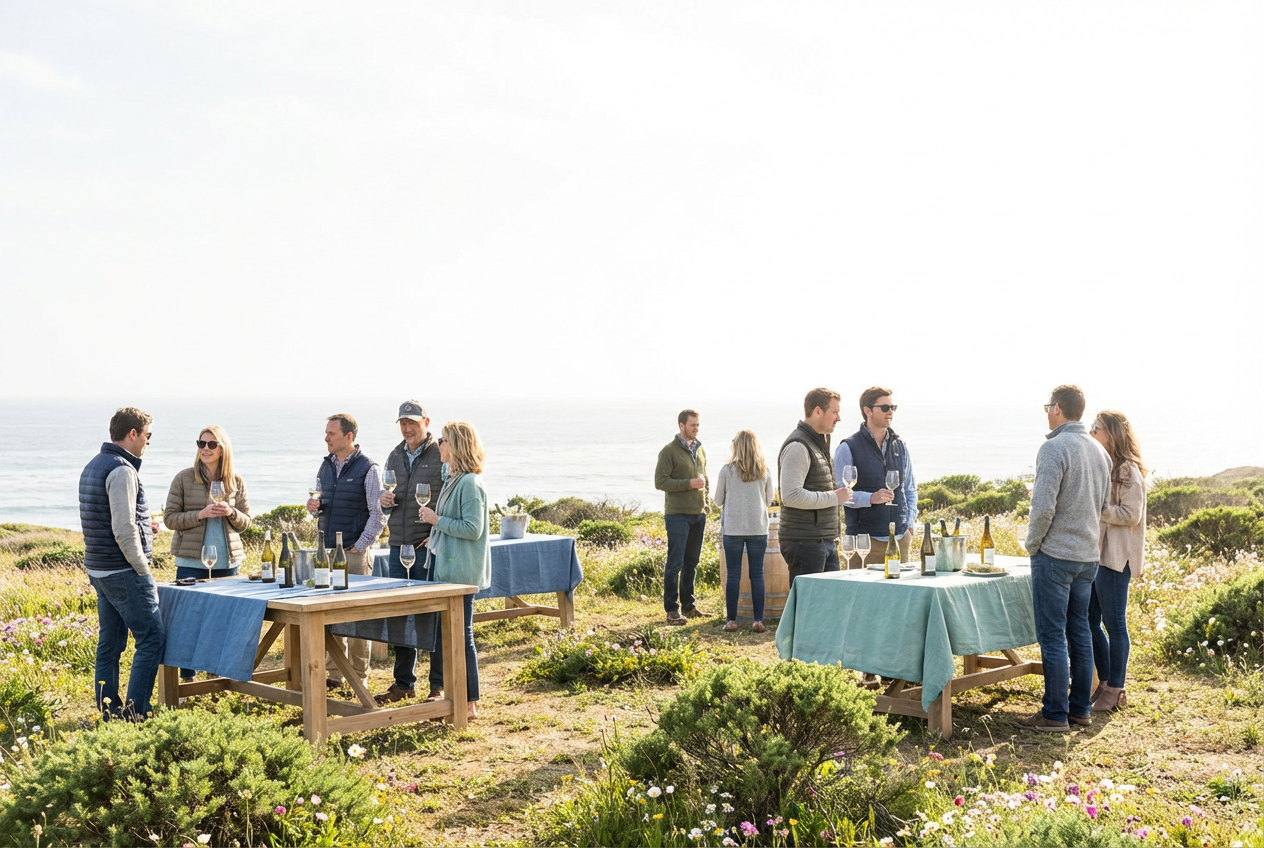
The real advantage comes from timing your visit before peak tourist season kicks in. Summer weekends can pack tasting rooms and create long waits, but April offers a more intimate experience. You’ll have actual conversations with pourers instead of rushed samples, and finding your perfect spot on the patio becomes effortless.
These moderate temperatures also mean you can comfortably spend hours exploring multiple vineyard areas without weather cutting your visit short. Morning tastings flow naturally into afternoon vineyard walks, and evening events feel pleasant rather than sweltering or chilly.
Local wine enthusiasts know this secret timing well. April visitors often discover they can book last-minute reservations that would be impossible during summer months, making spontaneous wine country adventures actually feasible.
Fresh spring air enhancing outdoor tasting experiences
Spring air carries something special in Temecula’s wine country – a clean, crisp quality that actually improves your tasting experience. Without summer’s heavy heat or winter’s occasionally harsh winds, April provides ideal conditions for detecting subtle wine aromatics.
The lower humidity levels preserve wine bouquets longer, giving you more time to appreciate complex scents before they dissipate. This technical advantage matters more than most people realize. Wine aromatics contribute significantly to flavor perception, and April’s atmospheric conditions optimize this sensory experience.
Outdoor wine tasting venues shine during this season because you can actually focus on the wine instead of fighting weather discomfort. Gentle breezes carry vineyard scents – fresh earth, blooming mustard plants, new vine growth – that complement rather than compete with wine aromas.
The comfortable conditions also encourage longer stays. Instead of rushing through flights to escape heat or cold, guests naturally slow down and savor each pour. This relaxed pace leads to more meaningful wine discoveries and better purchase decisions.
Perfect lighting for wine color appreciation
April’s lighting conditions create ideal circumstances for properly evaluating wine color and clarity. The angle of spring sunlight provides bright but not harsh illumination, perfect for examining wine against vineyard backdrops.
Professional tasters know that proper lighting affects color assessment, which influences flavor expectations and overall wine evaluation. April’s natural lighting hits that perfect balance – bright enough to reveal wine’s true hues without the glare that summer sun creates.
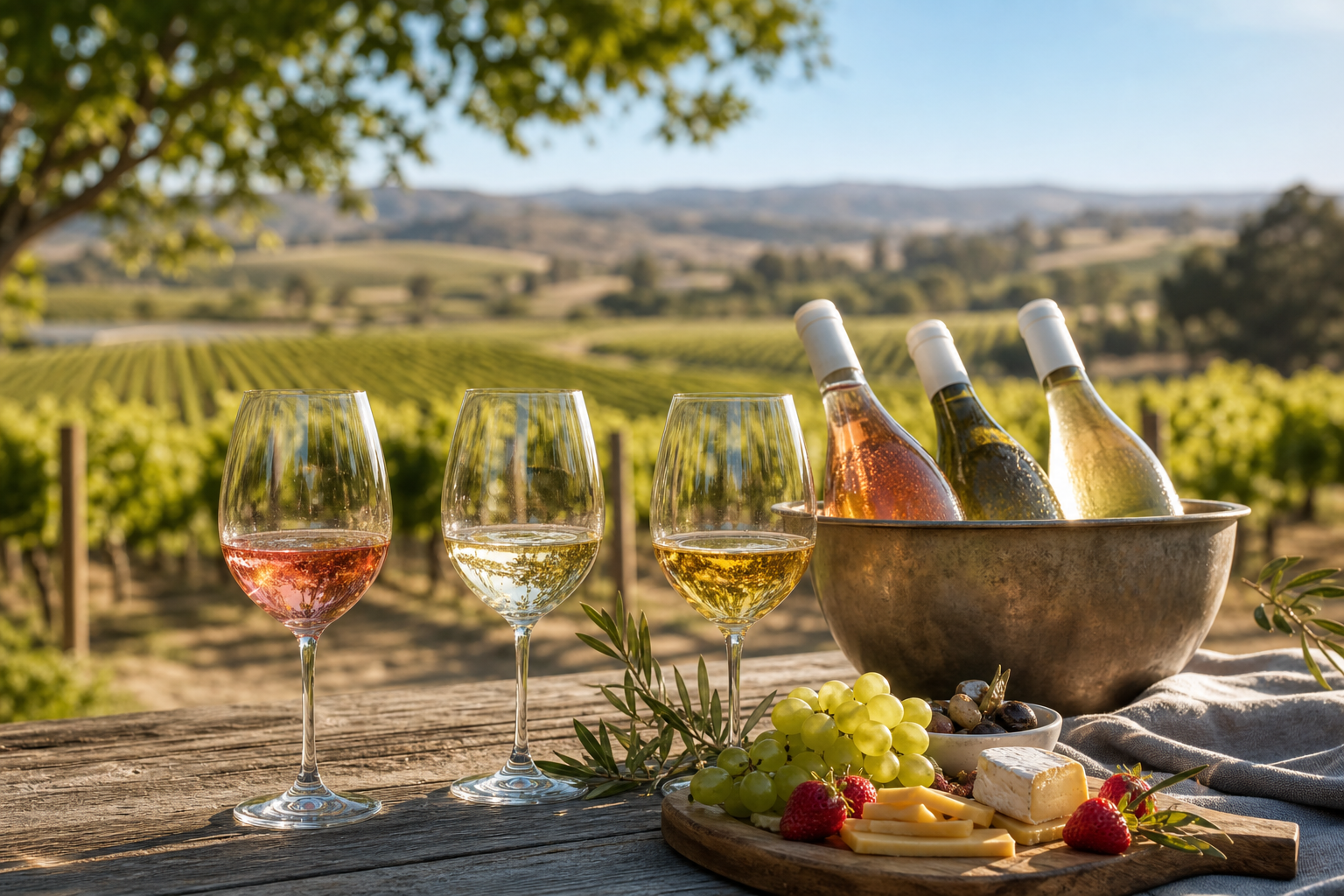
This lighting advantage extends to photography opportunities as well. Wine glasses photograph beautifully against April’s soft, golden light, creating Instagram-worthy shots that capture both the wine and the scenic vineyard setting. The moderate lighting flatters both wines and people, making every moment more memorable.
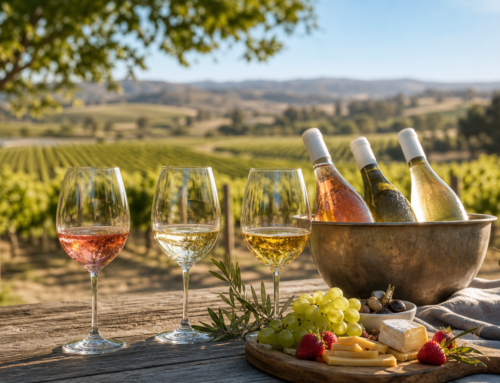
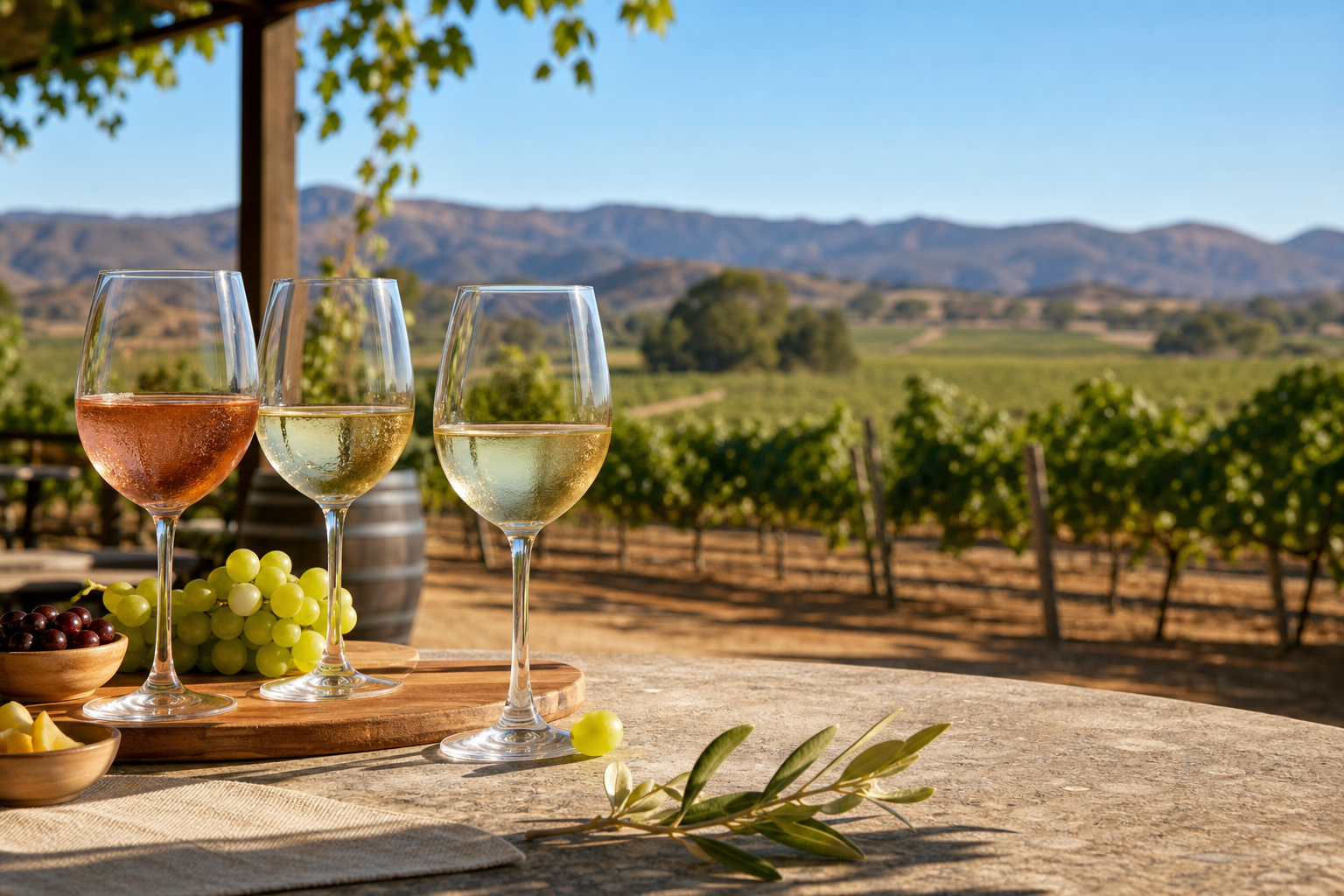
For rosé appreciation specifically, April lighting reveals the subtle pink variations that define quality rosé wines. These delicate color differences become more apparent under optimal lighting conditions, enhancing your ability to distinguish between different styles and grape varieties.
Your Palate’s Peak Performance in Spring Weather
How seasonal allergies actually help wine tasting
Here’s something most people don’t realize: those mild spring allergies you experience in April might actually enhance your wine tasting experience. When your nasal passages are slightly congested, you rely more heavily on your taste buds rather than your sense of smell. This forces you to focus on the wine’s fundamental flavors rather than getting overwhelmed by aromatic complexity.
Professional sommeliers often talk about “palate training,” and April’s gentle allergen levels provide natural training wheels. Your taste buds work harder to detect subtle notes of cherry, oak, or mineral undertones. Many visitors to our winery report tasting flavor profiles they’ve never noticed before during spring visits.
The key is that April allergies in Temecula are typically mild compared to other seasons. You get just enough nasal interference to sharpen your palate focus without the heavy congestion that would completely block taste perception. It’s like having a built-in sensory filter that helps you appreciate wine structure and balance.
Spring hydration levels and taste bud sensitivity
April weather naturally keeps you better hydrated than summer heat or winter dehydration from indoor heating. This optimal hydration level directly impacts how sensitive your taste buds are to wine’s nuanced flavors. When you’re properly hydrated, your saliva production maintains the right pH balance for taste detection.
Research shows that taste bud sensitivity peaks when your mouth maintains consistent moisture levels. April’s moderate temperatures (usually 70-80°F in Temecula) mean you’re not sweating excessively or dealing with dry winter air. Your palate stays in that sweet spot where it can detect everything from tannin structure to fruit concentration.
Plus, you’re more likely to drink water between wine tastings when the weather is comfortable. This palate cleansing happens naturally, unlike summer tastings where you might avoid water to prevent overheating or winter tastings where you forget to hydrate indoors.
Why you taste more complexity in moderate temperatures
Temperature plays a huge role in how wine releases its aromatic compounds, but it also affects how your palate processes those flavors. In April’s moderate climate, wines naturally sit at better serving temperatures without requiring constant adjustment. Red wines aren’t overheated from sitting in warm tasting rooms, and whites don’t get too cold from outdoor spring breezes.
Your taste buds themselves are also more sensitive in moderate temperatures. When it’s too hot, your palate becomes less sensitive to subtle flavors as your body focuses on cooling. When it’s too cold, taste sensitivity decreases as blood flow to taste receptors reduces. April gives you that perfect middle ground.
During our spring activities, guests consistently identify more flavor notes than during summer or winter visits. They detect secondary characteristics like spice, earth, or floral undertones that might be masked in extreme temperatures. It’s not just the wine – it’s your palate operating at peak performance.
The psychological boost of beautiful weather on wine enjoyment
Let’s be honest: everything tastes better when you’re in a good mood. April weather in Temecula creates an almost euphoric state for wine tasting. The mild temperatures, blooming wildflowers, and clear skies trigger positive psychological responses that actually enhance taste perception.
Studies in sensory psychology show that positive emotions broaden your flavor perception range. When you’re relaxed and happy (which April weather naturally promotes), you’re more open to detecting subtle wine characteristics. Your brain isn’t distracted by discomfort from heat, cold, or gloomy weather.
This psychological boost compounds with the physical benefits. You’re already more hydrated, your palate is more sensitive, and your nasal passages are optimally functional. Add in the mood enhancement from beautiful spring weather, and you have ideal conditions for appreciating wine complexity.
Visitors often tell us their April wine tasting experiences feel more memorable and detailed than visits in other seasons. They remember specific flavor profiles weeks later because their brains were in an optimal state for forming positive taste memories. The combination of perfect weather and peak palate performance creates lasting wine appreciation that extends far beyond the tasting room visit.
Making the Most of April Wine Adventures
Layering tips for changing spring temperatures
April’s unpredictable weather patterns make layering your secret weapon for comfortable wine tasting experiences. Morning tastings often start cool (think mid-50s), but by afternoon, temperatures can climb into the 70s or even low 80s.
Start with a lightweight base layer that breathes well—cotton or linen work perfectly for Temecula’s dry climate. Add a cardigan or light jacket that you can easily tie around your waist when the sun gets stronger. Avoid heavy sweaters or thick materials that trap heat, since you’ll likely be removing layers as the day progresses.
Your footwear choices matter more than you’d expect. Closed-toe shoes work best for morning visits when dew might still cling to vineyard walkways, but make sure they’re comfortable enough for extended standing and walking. Canvas sneakers or leather flats offer the perfect balance of protection and breathability.
Scarves deserve special mention here. A lightweight scarf serves double duty: warmth during cool morning breezes and sun protection for your neck during afternoon tastings. Plus, they add a touch of wine country elegance to your outfit photos.
Best times of day for outdoor tastings
The magic hours for april wine tasting fall between 10 AM and 2 PM, when temperatures hover in that sweet spot of 65-75 degrees. This timing lets you avoid both the morning chill and the late afternoon heat that can make extended outdoor sessions uncomfortable.
Morning tastings (10 AM start) offer unique advantages beyond temperature comfort. Your palate remains fresh and sensitive to subtle flavor notes, while the softer morning light creates ideal conditions for appreciating wine color and clarity. The winery grounds feel more intimate too, with fewer crowds and unhurried conversation opportunities.
Midday sessions provide the most consistent weather conditions. April’s reliable sunshine means outdoor patios and vineyard settings maintain comfortable temperatures without the dramatic swings you might experience earlier or later in the day. This stability lets you focus completely on the tasting experience rather than adjusting to changing conditions.
Late afternoon tastings (3 PM and later) can work, but require more weather awareness. While temperatures remain pleasant, the angle of afternoon sun can create glare that affects wine evaluation and photography. If you choose later times, seek shaded tasting areas or covered patios.
Pairing spring weather with different wine styles
April’s moderate temperatures create ideal conditions for exploring wine styles that might feel too heavy in summer or too light in winter. This seasonal sweet spot lets your palate appreciate nuances that extreme weather can mask.
Crisp whites like Sauvignon Blanc and Albariño shine in April’s fresh air. The cool morning starts enhance their bright acidity, while the warming afternoons bring out their fruit characteristics without overwhelming your senses. These wines pair beautifully with spring weather’s clean, energizing feeling.
Light to medium-bodied reds find their perfect moment in April conditions. Pinot Noir, Grenache, and lighter Rhône blends taste exceptional when temperatures sit between 65-75 degrees. The weather doesn’t compete with these wines’ subtle complexities, letting you detect earth notes, fruit layers, and tannin structures more clearly.
Even fuller-bodied wines benefit from April’s temperate conditions. Cabernet Sauvignon and robust blends that might feel heavy in July heat become approachable and balanced when enjoyed in spring’s mild temperatures. The moderate weather prevents alcohol heat from overwhelming your palate.
Rosé occupies its own special category during April visits. These wines embody spring’s transitional nature—fresh like whites but with red wine depth. April weather mirrors this balance, making rosé tastings feel perfectly seasonal.
Photography opportunities in April vineyard settings
April delivers the year’s most photogenic wine country conditions, combining lush green landscapes with crystal-clear skies. The month’s mild temperatures encourage longer photo sessions without weather constraints forcing rushed shots.
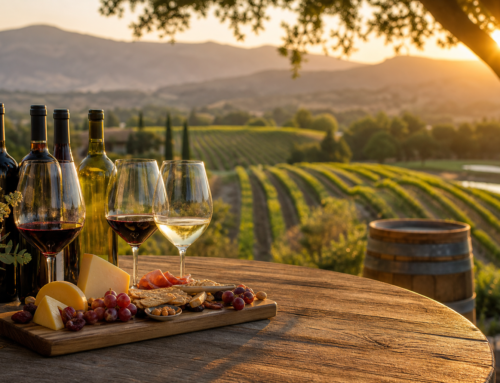
Golden hour photography extends beautifully in April’s comfortable climate. Unlike summer’s harsh heat that drives everyone indoors by late afternoon, April’s pleasant temperatures let you stay outside for those coveted sunset vineyard shots. The soft evening light illuminates wine glasses and creates stunning silhouettes against vine rows.
Vineyard backdrops reach peak beauty during April. New grape leaves create vibrant green canopies, while wildflowers often bloom between vine rows. This natural abundance provides rich, colorful settings for both group photos and wine glamour shots. When you visit us during April, these photogenic conditions practically guarantee frame-worthy memories.
The comfortable weather encourages creative photography angles too. You’ll want to explore different vineyard sections, climb slight hills for overview shots, and spend time capturing detail photos of wine glasses against scenic backgrounds—all activities that become less appealing in extreme temperatures.
Seasonal Wine Selection: What April Weather Calls For
Lighter wines that shine in spring conditions
April’s moderate temperatures create the ideal backdrop for lighter wine varietals that might feel too delicate during winter’s chill or get overshadowed by summer’s intensity. Sauvignon Blanc becomes a standout choice, with its crisp acidity and bright citrus notes perfectly complementing the fresh spring air. The wine’s natural vibrancy seems to amplify when temperatures hover in the comfortable 70-degree range that April typically delivers.
Pinot Grigio and Albariño also find their sweet spot during these transitional weeks. Their subtle fruit profiles and clean finishes pair beautifully with the lighter fare that naturally appeals during spring months. When you’re planning a private tasting session in April, these varietals offer guests an approachable entry point that showcases how seasonal timing affects wine perception.
The magic happens because cooler morning temperatures preserve the wine’s delicate aromatics while afternoon warmth releases just enough complexity without overwhelming the palate. This natural temperature fluctuation mimics ideal cellar conditions, creating an outdoor tasting experience that rival sommeliers carefully orchestrate indoors.
Transitional bottles perfect for variable weather
April weather keeps you guessing, and smart wine selection acknowledges this unpredictability. Medium-bodied wines become your best friends during these transitional weeks when morning fog might give way to afternoon sunshine, or when a gentle breeze can shift the entire tasting atmosphere.
Côtes du Rhône blends excel in these conditions, offering enough body to handle cooler moments while maintaining the elegance needed for warmer periods. Their balanced structure means guests can enjoy the same bottle whether they’re bundled in light jackets during the 10 AM wine tasting or relaxing in short sleeves by afternoon.
Tempranillo presents another excellent transitional choice. Its moderate tannins and fruit-forward character adapt beautifully to April’s variable conditions. The wine feels substantial enough for those unexpected cool snaps while remaining refreshing when temperatures climb. Spanish Garnachas also shine during these weeks, providing just enough spice and warmth without the heaviness that summer heat would amplify uncomfortably.
The key lies in selecting wines with natural balance. Avoid heavily oaked Chardonnays that might feel cloying when afternoon temperatures spike, and skip the boldest Cabernets that could overwhelm when morning coolness sharpens every flavor component.
Why rosé season starts in April
Rosé’s reputation as a summer wine misses a crucial point about its optimal tasting window. April actually marks the beginning of prime rosé season, when these pink-hued beauties can truly show their complexity without the distraction of sweltering heat.
The moderate temperatures allow rosé’s subtle fruit characteristics to emerge gradually on the palate. Strawberry and watermelon notes unfold naturally rather than hitting you immediately, creating a more sophisticated tasting experience. Provence-style rosés particularly benefit from April’s conditions, where their mineral backbone can shine without being masked by the aggressive serving temperatures that summer demands.
April’s lower humidity levels also play a crucial role. Dry air helps concentrate the wine’s aromatics, making each sip more expressive. When guests visit your winery during these perfect April days, they often discover rosé depths they never noticed during peak summer pours.
The psychological aspect matters too. April rosé drinking feels sophisticated rather than purely refreshing, allowing serious wine lovers to appreciate the category’s true potential. Spanish Rosados and Italian Rosatos particularly excel during these weeks, offering structure and complexity that summer heat tends to flatten.
Temperature serving tips for outdoor tastings
April’s moderate climate creates unique serving opportunities that winter’s cold and summer’s heat simply don’t allow. White wines can maintain their ideal 45-50 degree serving temperature naturally for longer periods, reducing the constant ice bucket management that summer tastings require.
Red wines benefit enormously from April conditions. Instead of the aggressive chilling needed during hot months, reds can achieve their optimal 60-65 degree serving temperature through simple shade management. A wine that might need 30 minutes in a cooling bucket during July reaches perfect drinking temperature naturally when April afternoon temperatures hover in the mid-70s.
Smart positioning becomes crucial during outdoor April tastings. Morning sessions can start with wines at cellar temperature, allowing natural warming to occur as the day progresses. This creates an educational opportunity to demonstrate how temperature affects perception, with the same wine revealing different characteristics as it warms from 55 to 65 degrees.
The gentle spring breeze provides natural temperature regulation that mechanical cooling systems can’t replicate. Wines breathe properly without oxidizing too quickly, creating extended tasting windows that let guests savor each pour without rushing. This natural climate control transforms outdoor wine experiences from rushed summer sips into proper contemplative tastings.
Planning Your Perfect April Wine Experience
Booking strategies for shoulder season visits
April represents the sweet spot for wine country reservations, falling perfectly between peak winter holidays and summer crowds. Booking your vineyard experience during this shoulder season opens doors to exclusive opportunities that simply aren’t available during busier months. Most wineries offer extended availability for private tastings and personalized tours, giving you the flexibility to craft exactly the experience you’re seeking.
The key lies in understanding how April’s predictable weather patterns work in your favor. Unlike summer months where afternoon heat can limit outdoor activities, or winter when rain might force last-minute cancellations, spring conditions remain remarkably stable. This reliability means wineries can confidently schedule outdoor experiences like vineyard events without worrying about weather-related disruptions.
Smart visitors book their April wine experiences 3-4 weeks in advance to secure premium time slots while still enjoying shoulder season pricing. The mild temperatures make any time of day appealing, but many sommeliers recommend mid-morning sessions when your palate is freshest and the vineyard atmosphere feels most authentic.
Weather backup plans for outdoor events
Even though April weather in Temecula wine country proves remarkably consistent, experienced visitors always prepare for the unexpected. The beauty of spring wine tasting lies in having multiple venue options that showcase different aspects of the vineyard experience. Indoor tasting rooms offer intimate settings perfect for focused wine education, while covered patios provide that coveted outdoor ambiance with protection from any surprise showers.
Professional winery venues understand April’s occasional variability and design their spaces accordingly. Many feature retractable coverings or glass-enclosed areas that blur the line between indoor and outdoor experiences. This flexibility means your wine tasting continues seamlessly regardless of weather shifts, maintaining that perfect spring atmosphere you came to enjoy.
The moderate April temperatures also create unique opportunities for spontaneous venue changes. If morning fog rolls through the valley (creating stunning photography opportunities), you might start indoors and move outside as conditions clear. This adaptability transforms potential weather challenges into memorable parts of your wine country story.
Essential gear for spring wine country trips
Packing for April wine tasting requires understanding the day’s temperature evolution rather than a single weather condition. Early morning vineyard tours might start in the mid-50s, climb to comfortable 70s by midday, then cool slightly for evening tastings. Layering becomes your best friend, allowing you to adjust comfort levels as you move between different vineyard microclimates.
Comfortable walking shoes rank as the most critical gear choice for spring vineyard visits. April’s stable ground conditions make it perfect for exploring between vine rows and touring production areas that might be off-limits during wet winter months. Many visitors discover their most memorable moments happen during these impromptu walks through the vineyard itself.
A light jacket or wrap proves invaluable for extended outdoor tastings, especially if you’re planning to stay for sunset views over the valley. The key is choosing pieces that won’t interfere with your wine tasting experience – nothing too bulky or formal that might detract from the relaxed vineyard atmosphere that makes April visits so appealing.
Creating memorable moments in ideal conditions
April’s perfect weather conditions create the ideal backdrop for wine experiences that become lasting memories. The comfortable temperatures encourage lingering conversations with winemakers, unhurried exploration of vineyard grounds, and those spontaneous moments that transform a simple wine tasting into a meaningful experience.
Photography enthusiasts find April particularly rewarding, as the clear spring light enhances both vineyard landscapes and wine presentation. The stable weather means you can plan outdoor photo opportunities without worrying about sudden changes that might disrupt your perfect shot. Many couples choose this season for engagement photos or anniversary celebrations, knowing the conditions will cooperate beautifully.
The magic of April wine tasting lies in how the perfect weather becomes invisible – you’re never too hot, too cold, or concerned about rain. This comfort allows complete focus on the wines themselves, the vineyard’s unique character, and the company you’re sharing the experience with. When weather conditions align this perfectly with wine country’s natural rhythm, every sip becomes more memorable, every conversation more meaningful, and every moment more treasured. Book your April wine tour now to experience firsthand why this season creates the absolute best conditions for discovering Temecula’s exceptional wines and hospitality.