
March Pest Management Protocol for Healthy Vines
Understanding March Vineyard Conditions and Pest Emergence
March marks a critical turning point in vineyard management when dormant vines begin their awakening process and pest populations start shifting from winter hiding spots to active feeding sites. Understanding these early seasonal changes can mean the difference between a pristine harvest and costly crop damage later in the year.
The transition from winter dormancy creates unique conditions that favor certain pest emergence patterns while creating vulnerabilities in vine defense systems. Smart vineyard operators recognize that March pest management isn’t about reacting to visible damage – it’s about anticipating biological cycles and positioning protective measures before problems become established.
Temperature Fluctuations and Insect Activity Patterns
March temperatures in Temecula typically swing between cool mornings and warmer afternoons, creating ideal conditions for insect emergence from overwintering sites. These temperature fluctuations trigger metabolic changes in pest species that have been dormant since November.
Spider mites begin moving from bark crevices to developing buds when daytime temperatures consistently reach 55°F or higher. Their activity increases exponentially with each 10-degree temperature rise, making early detection crucial during warm March days. Thrips populations also respond to these temperature cues, with adult females beginning egg-laying cycles as soil temperatures warm.
Scale insects present a different challenge during March temperature swings. Crawler stages become active during warm periods but remain protected under waxy coverings during cooler nights. This creates narrow treatment windows when crawlers are exposed and vulnerable to targeted interventions.
Monitoring temperature patterns helps predict peak emergence timing. Many successful vineyard operations track accumulated degree days starting in February to anticipate when specific pest thresholds will be reached in March.
Dormant Season Transitions and Pest Life Cycles
The shift from dormant season to bud break represents a synchronized biological event that affects both vine physiology and pest development. Understanding these interconnected cycles allows for precise timing of management strategies.
Mealybugs complete their overwintering phase during March, with nymphs beginning to feed on root systems before moving to above-ground vine parts. This underground activity often goes unnoticed until populations have established significant numbers. Root feeding weakens vine stress tolerance just as energy demands increase for spring growth.
Grape phylloxera populations also transition during March, with root-feeding forms becoming more active as soil temperatures rise. Their feeding creates entry points for secondary infections that can compromise vine health throughout the growing season.
Leafhoppers overwinter as adults in vineyard floor vegetation and debris. March warming triggers their movement from ground cover to vine canopies, where they begin feeding on emerging tissue. Early detection of leafhopper movement patterns helps determine optimal timing for ground cover management and targeted treatments.
Identifying Early Warning Signs in Vine Buds
March bud development creates the first opportunity to assess pest pressure through visual inspection techniques. Healthy bud break should show uniform swelling and clean tissue emergence without unusual discoloration or deformation.
Bud mite damage appears as delayed or uneven bud break, often with bronze-colored scaling on bud surfaces. These microscopic pests feed within bud tissues during winter, and their damage becomes visible as buds attempt to open in March. Affected buds may fail to develop properly or produce distorted shoot growth.
Scale insect infestations show up as small, raised bumps on cane surfaces near bud locations. Heavy infestations can cause reduced bud viability and weakened shoot development. Regular inspection of pruned canes during March provides early detection opportunities before populations spread.
Examining the area where effective soil management practices meet vine root zones reveals important pest activity indicators. Healthy soil-vine interfaces support stronger bud development and improved natural pest resistance.
Soil Moisture Impact on Underground Pest Populations
March soil moisture levels directly influence the activity patterns of root-feeding pests and beneficial predator populations. Proper moisture management creates conditions that favor vine health while limiting pest development opportunities.
Excess soil moisture from winter rains can create favorable conditions for root rot pathogens and nematode populations. These underground threats compromise root system integrity, making vines more susceptible to above-ground pest damage throughout the growing season.
Conversely, well-drained soils with appropriate moisture retention support beneficial microorganism populations that compete with harmful pests for resources. Many experienced winery operations focus on soil health as their primary pest management strategy.
Ground-dwelling beneficial insects like predatory mites and beetles require specific moisture conditions to maintain population levels that provide natural pest control. Monitoring soil moisture during March helps maintain these beneficial populations while avoiding conditions that favor harmful species.
Pre-Season Inspection and Assessment Protocols
Systematic Vine Row Monitoring Techniques
March vineyard pest control begins with methodical row-by-row inspections that establish baseline conditions before the growing season intensifies. Start your monitoring at dawn when pest activity patterns are most visible and temperatures remain cool enough for thorough examination.
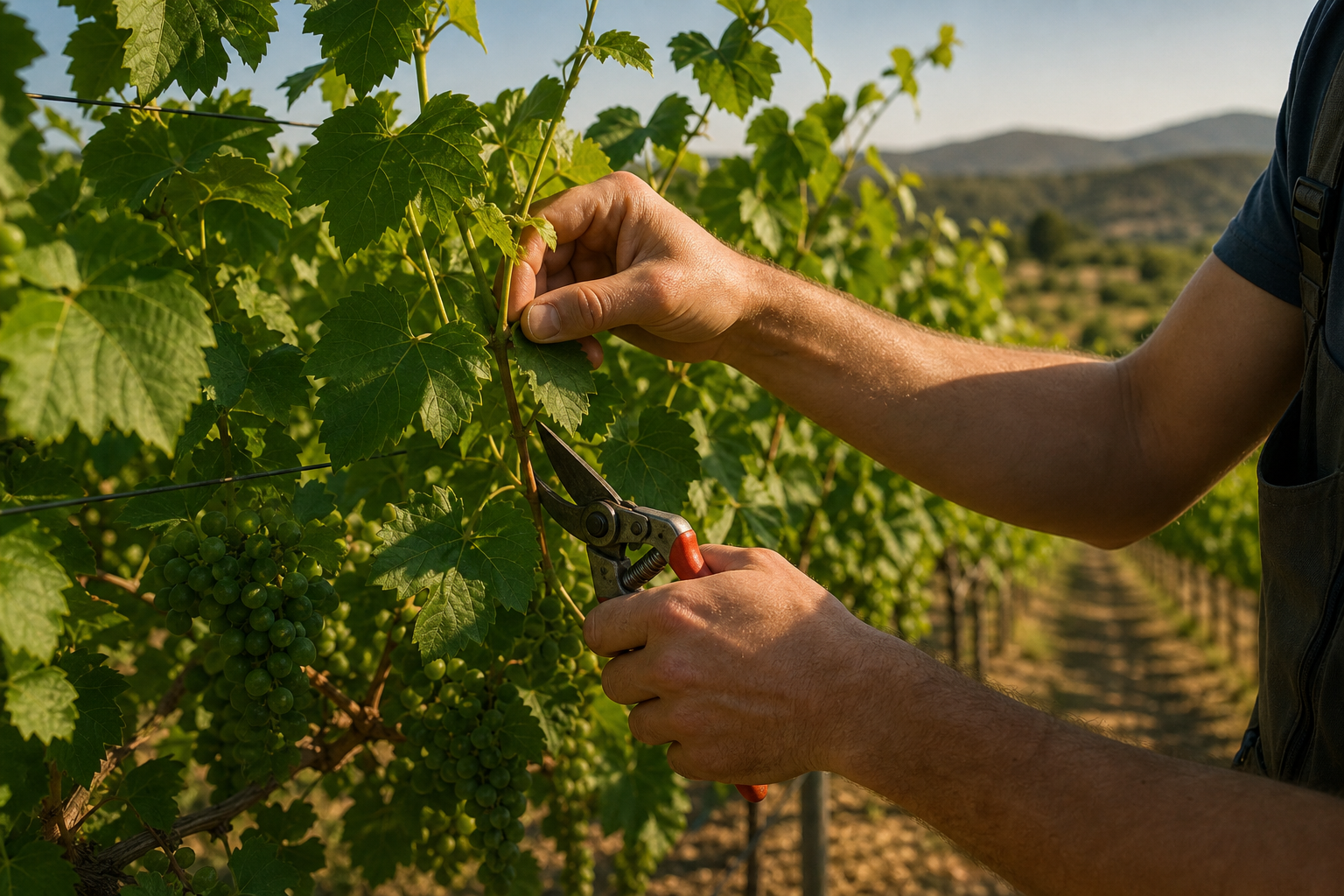
Walk each row systematically, checking every fifth vine initially to identify patterns, then focus on problem zones with complete vine-by-vine assessment. Look for overwintering pest populations in bark crevices, bud scales, and dormant wood. Scale insects often cluster around pruning wounds, while spider mites leave telltale webbing in protected areas near the trunk.
Use a magnifying glass to examine bud swell stages closely. Healthy buds show uniform green coloration, while pest-damaged buds appear brown, hollowed, or show tiny exit holes from boring insects. Document the percentage of damaged buds per vine, as this directly correlates with spring pest pressure and yield potential.
Temperature monitoring proves crucial during march vine care protocols. Record soil and air temperatures at multiple vineyard locations, since pest emergence patterns depend heavily on accumulated degree days. Many destructive insects become active when soil temperatures consistently reach 50°F at six-inch depth.
Trunk and Cane Damage Assessment from Winter Pests
Winter pest damage assessment requires careful examination of trunk cankers, bore holes, and bark integrity throughout the vineyard structure. Pacific flatheaded borers and other wood-boring insects create distinctive oval exit holes in stressed vines, particularly those weakened by drought or previous pest damage.
Inspect pruning cuts from winter dormant season work, as these wounds attract egg-laying females of various pest species. Fresh sawdust or frass around the trunk base indicates active boring activity that requires immediate intervention. Use a knife to probe suspicious areas gently, checking for hollow sounds or soft wood that suggests internal damage.
Examine the trunk for scale insect populations that survived winter protection. European fruit scale appears as gray-brown circular covers on bark, while San Jose scale creates smaller, darker spots that blend with bark texture. Heavy infestations weaken vines significantly and require targeted treatment before budbreak.
Crown gall inspection becomes critical during march assessments, as bacterial infections often expand during temperature fluctuations. Look for rough, tumor-like growths on trunks and main cords, particularly near soil level where moisture creates optimal conditions for pathogen development.
Soil-Level Inspection for Root Zone Threats
Ground-level pest assessment reveals hidden threats that can devastate vineyard productivity throughout the growing season. Carefully excavate soil around vine bases to examine root collar areas for nematode damage, root weevil larvae, and fungal pathogen symptoms.
Root-knot nematodes create distinctive swelling on feeder roots, while ring nematodes cause stunted, discolored root systems. Collect soil samples from multiple vineyard blocks for laboratory nematode analysis, as population levels determine treatment thresholds and timing for grape pest management interventions.
Black vine weevil larvae overwinter in soil and begin feeding actively as temperatures warm. Look for C-shaped white grubs near root zones, particularly in areas with organic mulch or cover crop residue. Adult weevils create distinctive notched feeding patterns on leaves later in the season, but larval root damage proves more economically significant.
Examine soil moisture levels and drainage patterns, as waterlogged conditions promote root rot pathogens and create favorable environments for various soil-dwelling pests. Poor drainage areas often require modified pest management approaches and increased monitoring frequency.
Documentation and Mapping of Problem Areas
Comprehensive record-keeping transforms pest inspection data into actionable management strategies for the entire growing season. Create detailed vineyard maps marking pest hotspots, damage severity levels, and environmental factors that contribute to pest pressure in specific locations.
Photograph representative damage symptoms using consistent lighting and reference objects for scale comparison. Digital images prove invaluable for tracking pest progression and evaluating treatment effectiveness throughout the season. Guests on activities often appreciate seeing the technical aspects of vineyard management.
Record weather conditions during inspection periods, as temperature, humidity, and wind patterns influence pest behavior and detection accuracy. Note any correlation between microclimatic differences and pest distribution patterns across vineyard blocks.
Develop priority treatment maps based on inspection findings, economic thresholds, and vine growth stages. High-priority areas require immediate intervention, while moderate-risk zones need increased monitoring frequency. Consider how ebikes can improve inspection efficiency across larger vineyard properties.
Establish baseline pest population counts for comparison with future monitoring efforts. This quantitative approach enables precise treatment timing and helps evaluate the effectiveness of integrated pest management strategies throughout the growing season.
Targeted Treatment Strategies for Early Spring Pests
Scale Insect Management Before Bud Break
March presents a critical window for scale insect control in Temecula vineyards, where San Jose scale and European fruit lecanium become active as temperatures rise above 50°F consistently. These pests overwinter under bark crevices and begin feeding aggressively on vine cambium before bud break occurs.
Dormant oil applications prove most effective during early March when scales remain exposed and vulnerable. Apply superior horticultural oil at 3-4% concentration during calm weather conditions with temperatures between 40-70°F. The oil suffocates scale insects by blocking their breathing pores while avoiding damage to dormant buds.
Timing becomes crucial for vineyard pest control success. Monitor daily temperatures and apply treatments when no rain is forecast for 24 hours. Scale populations that survive early spring treatments multiply rapidly once vine growth begins, making preventive action essential for maintaining healthy vines throughout the growing season.
Mite Population Control During Dormancy
Spider mites overwinter as adults in bark crevices and ground debris, emerging when daytime temperatures reach 60°F consistently. Pacific spider mites and two-spotted spider mites pose the greatest threats to Temecula vineyards during march vine care operations.
Predatory mite releases during late February through mid-March establish beneficial populations before pest mites become active. Typhlodromus occidentalis and Galendromus occidentalis provide excellent biological control when released at 2-5 mites per vine, depending on vineyard history and previous mite pressure.
Sulfur applications at 5-10 pounds per acre create hostile conditions for spider mites while remaining compatible with organic winery operations. Apply sulfur during cooler morning hours to prevent vine injury, and avoid applications when temperatures exceed 80°F or when sulfur-sensitive grape varieties show signs of phytotoxicity.
Fungal Disease Prevention in Humid Conditions
March humidity levels in Southern California create favorable conditions for powdery mildew and downy mildew development on emerging vine tissues. Ascospore releases from overwintering cleistothecia begin when relative humidity exceeds 70% for extended periods.
Preventive fungicide programs should commence before bud break reaches 1-inch green tissue stage. Elemental sulfur applications at 3-6 pounds per acre provide baseline protection against powdery mildew, while copper-based fungicides address downy mildew concerns in low-lying vineyard areas prone to moisture accumulation.
Canopy management during March supports natural disease prevention by improving air circulation around developing shoots. Remove water sprouts and excessive cane growth to reduce humidity levels within the vine canopy, particularly important for sustainable farming practices that minimize chemical inputs.
Organic Treatment Options for Sustainable Operations
Organic grape pest management relies heavily on preventive measures and biological controls during March applications. Bacillus thuringiensis (Bt) applications target early-season lepidopteran pests like cutworms and climbing cutworms that damage emerging buds and shoots.
Kaolin clay applications create protective barriers on vine bark and emerging tissues while reflecting UV radiation that can stress young growth. Apply kaolin at 25-50 pounds per acre during calm weather conditions, ensuring thorough coverage of trunk and cordons where overwintering pests concentrate.
Beneficial insect habitat enhancement supports long-term pest management goals. Establish cover crop strips with diverse flowering plants that provide nectar sources for parasitic wasps and predatory beetles. Native California poppies and wild mustards bloom during March, creating early-season resources for beneficial insects before vineyard bloom begins.
Timing Applications with Vineyard Development Stages
Successful march vine care requires precise timing coordination with phenological development stages. Bud swell through 1-inch green represents the optimal treatment window for most pest management applications, when vines remain dormant enough to tolerate treatments but pests become active and vulnerable.
Daily growing degree accumulation monitoring helps predict pest emergence timing more accurately than calendar dates alone. Begin accumulating growing degree days (base 50°F) from January 1st, with most scale insects becoming active around 100-150 accumulated degree days in Temecula’s climate zone.
Application scheduling must account for beneficial insect activity and wine tour visitor safety considerations. Early morning applications between 6-9 AM minimize bee exposure risk while ensuring adequate drying time before afternoon temperature peaks. Coordinate with tasting room staff to avoid treatment applications during scheduled vineyard tours or outdoor events.
Equipment Preparation and Application Methods
Calibrating Sprayers for March Weather Conditions
March weather patterns in Temecula create unique challenges for vineyard spraying equipment. Temperature fluctuations between morning lows of 35°F and afternoon highs reaching 75°F affect droplet size, drift potential, and chemical efficacy. Your sprayer calibration must account for these variables to ensure consistent pest control coverage across dormant vines.
Start by adjusting nozzle pressure based on morning application temperatures. Lower temperatures increase liquid viscosity, requiring 15-20% higher pressure to maintain proper droplet formation. Use 8003 or 8004 flat fan nozzles operating at 40-50 PSI for optimal coverage on bare canes. Check spray patterns every 30 minutes during extended applications, as temperature changes alter droplet characteristics throughout the day.
Wind speed monitoring becomes critical during March applications. Morning inversions common in valley locations create calm conditions ideal for spraying, but afternoon thermal activity generates unpredictable air movement. Install wind meters at vineyard elevation rather than relying on weather station data from different elevations. Cease applications when sustained winds exceed 8 mph or gusts reach 12 mph.
Selecting Application Equipment for Dormant Vines
Dormant vine architecture requires specific equipment configurations different from growing season applications. Standard airblast sprayers designed for leafy canopies create excessive drift when targeting bare wood structures. Switch to lower air volume settings, reducing fan speed by 30-40% compared to summer operations.
Tower sprayers excel in dormant applications, providing precise targeting of trunk and cordon zones where overwintering pests concentrate. These systems deliver 60-80 gallons per acre with minimal drift, ideal for applying dormant oils and copper-based fungicides. Position spray heads 18-24 inches from vine structures for maximum penetration into bark crevices where scale insects and mealybugs overwinter.
Consider boom sprayers for large block treatments where vine spacing allows equipment access. Modern boom systems with pulse-width modulation technology maintain consistent application rates despite speed variations common in vineyard terrain. This precision becomes essential when applying expensive biological control agents or specialized dormant season chemicals.
Handheld equipment serves targeted applications around young vines or areas requiring spot treatments. Backpack sprayers with adjustable nozzles handle detail work effectively, particularly when specialized training programs teach proper technique for reaching all vine surfaces without waste.
Safety Protocols for Early Season Chemical Applications
March applications often involve concentrated chemicals requiring enhanced safety measures. Dormant oils, copper sulfate, and lime sulfur present unique hazards different from growing season pesticides. Personal protective equipment selection must account for extended exposure times typical of dormant season spraying.
Chemical-resistant gloves rated for petroleum products become mandatory when handling dormant oils. Nitrile gloves provide adequate protection for water-based formulations, but oil-based products require butyl rubber or viton materials. Replace gloves every four hours during continuous applications to prevent chemical breakthrough.
Respiratory protection increases in importance during dormant applications due to higher concentration rates and longer exposure periods. Use organic vapor cartridges when applying oil-based dormant sprays, switching to particulate filters for copper-based fungicides. Wind direction monitoring prevents applicator exposure during equipment adjustments.
Emergency procedures require modification for March conditions. Cold weather affects decontamination water temperature, potentially reducing effectiveness of emergency eyewash stations. Heat water supplies to maintain 60-80°F temperatures for proper chemical removal. Establish communication protocols accounting for reduced daylight hours common in early March applications.
Weather Window Planning for Effective Treatments
Successful March pest management depends on identifying optimal weather windows that maximize chemical efficacy while minimizing environmental impact. Temperature inversion layers common during spring transition periods create ideal spraying conditions but require careful timing to avoid subsequent rain events.
Morning applications between 6-10 AM capitalize on stable atmospheric conditions before thermal activity begins. This timing allows 4-6 hours of drying time before afternoon temperature peaks. Dormant oils require minimum temperatures of 40°F for proper spreading and penetration, making mid-morning starts essential during cold snaps.
Rain-fast intervals become critical planning factors. Copper fungicides require 24-48 hours without precipitation for maximum effectiveness, while dormant oils need only 4-6 hours. Monitor extended forecasts for 72-hour windows, accounting for marine influence that brings unexpected moisture to Temecula vineyards.
Document weather conditions during each application for future reference. Recording temperature, humidity, wind speed, and subsequent rainfall creates valuable data for optimizing future March treatments. This information proves particularly valuable when evaluating treatment effectiveness during spring pest monitoring activities.
Integrated Pest Management Implementation
Beneficial Insect Habitat Preservation During Treatments
Successful integrated pest management requires protecting the natural predators that keep vineyard ecosystems balanced. March treatments demand strategic timing to avoid disrupting beneficial insect populations just as they emerge from winter dormancy.
Native predatory mites, lacewings, and parasitic wasps begin their breeding cycles in early March throughout Temecula’s wine country. These beneficial species control spider mites, thrips, and aphids more effectively than any chemical intervention when their habitats remain undisturbed. Conventional broad-spectrum applications can eliminate these allies for months, creating pest resurgence cycles that plague vintners through harvest.
Habitat preservation starts with maintaining diverse vegetation strips between vine rows. These refugia provide overwintering sites and alternative prey sources that sustain beneficial populations during lean periods. Cover crops like crimson clover and mustard support beneficial insect communities while providing nitrogen fixation for vine health.
Treatment timing becomes critical when protecting these natural allies. Morning applications before 10 AM minimize impact on beneficial insects that remain less active during cooler temperatures. Evening treatments after 6 PM allow beneficial species to retreat to shelter before chemical exposure occurs.
Coordinating with Cover Crop Management Practices
March pest management protocols must align seamlessly with cover crop cultivation schedules to maximize vineyard ecosystem benefits. This coordination determines whether your winery achieves sustainable pest suppression or creates management conflicts that undermine both objectives.
Cover crop mowing schedules directly influence pest pressure patterns. Early March mowing forces insects to relocate, often driving them toward vine canopies where they establish problematic populations. Delaying mow operations until after initial pest monitoring allows better assessment of pest distribution before habitat disruption occurs.
Leguminous cover crops require specific management attention during pest treatment windows. Crimson clover and vetch attract beneficial insects while flowering, making these areas sanctuary zones during chemical applications. Buffer zones of 15-20 feet around blooming cover crops prevent beneficial insect mortality while maintaining pest control efficacy in vine rows.
Soil incorporation timing affects pest management through nutrient release patterns. Rapid decomposition of incorporated cover crops can trigger nitrogen flushes that promote succulent growth attractive to aphids and mites. Coordinating incorporation schedules with pest monitoring data prevents creating vulnerable growth conditions during peak pest emergence periods.
Monitoring Trap Installation and Placement Strategy
Strategic trap placement forms the foundation of data-driven pest management decisions throughout the growing season. March installation establishes baseline monitoring systems that track pest population dynamics before economic thresholds require intervention.
Pheromone traps for key vineyard pests require precise placement to capture representative population data. Light brown apple moth traps positioned at chest height on end posts provide optimal detection of first-generation adults. These early captures indicate when egg-laying begins, allowing precise timing of targeted treatments before larvae establish in clusters.
Trap density calculations depend on vineyard block size and pest pressure history. Blocks under 10 acres require minimum two traps per species monitored, while larger blocks need additional traps at 5-acre intervals. High-pressure areas identified from previous season records warrant increased trap density to detect population buildups before widespread establishment occurs.
Weather monitoring integration enhances trap data interpretation accuracy. Degree-day accumulation models predict pest development timing more precisely when combined with trap capture patterns. March temperature patterns in Temecula’s climate often accelerate early-season pest development, making coordinated monitoring essential for treatment timing decisions.
Record Keeping for Treatment Efficacy Tracking
Comprehensive record systems transform pest management from reactive responses into predictive protocols based on historical performance data. March documentation establishes templates that support season-long decision-making processes throughout vineyard operations.
Treatment records must capture specific application parameters that influence efficacy outcomes. Weather conditions, including temperature, humidity, and wind speed during applications, significantly affect material performance. Recording these variables enables correlation analysis between environmental factors and treatment success rates across multiple seasons.
Pre-treatment and post-treatment population assessments provide quantitative efficacy measurements that guide future protocol refinements. Standardized sampling methods using beat sheets or visual counts create consistent data sets for statistical analysis. These assessments typically show 80-90% population reductions within 72 hours when treatments achieve optimal timing and coverage.
Digital mapping tools integrate treatment records with spatial vineyard data, revealing patterns that inform block-specific management strategies. GPS coordinates for treatment areas allow precise tracking of efficacy variations across different soil types, exposures, and microclimates within vineyard boundaries.
Setting Up Long-Term Seasonal Success
April Prevention Planning Based on March Findings
March monitoring data becomes the foundation for April’s proactive pest management strategy. Document every observation from your March assessments, including pest species identified, population densities, and environmental conditions that favored their development. This information drives targeted prevention measures for the critical spring growth period.
Temperature fluctuations recorded in March directly influence April pest emergence patterns. If March temperatures stayed consistently above 55°F for extended periods, expect accelerated pest development cycles. Plan preventive treatments two weeks earlier than standard schedules. Conversely, cooler March conditions may delay pest activity, allowing for adjusted timing of organic treatments and beneficial insect releases.
Soil moisture levels from March rainfall or irrigation impact root-zone pest activity moving into April. Excessive moisture creates favorable conditions for root weevils and nematodes, requiring enhanced soil drainage measures and targeted soil treatments. Dry conditions may concentrate pests around irrigation zones, necessitating focused monitoring and treatment protocols in these areas.
Establishing Monitoring Schedules for Growing Season
Consistent monitoring schedules prevent minor pest issues from escalating into major vineyard problems. Establish weekly inspection routes that cover representative vineyard blocks, paying special attention to areas that showed pest pressure in March. Create standardized data collection forms that capture pest counts, damage assessments, and environmental conditions.
Peak monitoring periods align with pest lifecycle stages and vine phenology. Schedule intensive monitoring during bud break (typically early April in Temecula), when emerging shoots attract various pest species. Increase inspection frequency to twice weekly during bloom and early fruit set, when pest damage potential reaches maximum levels.
Weather-based monitoring adjustments optimize resource allocation throughout the growing season. Hot, dry conditions accelerate spider mite development, requiring daily monitoring during heat waves. Cool, humid periods favor fungal diseases that attract secondary pests, necessitating modified inspection protocols that address both primary and secondary pest concerns.
Technology integration streamlines monitoring efficiency while improving data accuracy. Digital pest tracking applications allow real-time data entry and instant communication with vineyard teams. GPS-enabled devices ensure consistent monitoring locations, while weather station integration provides automated environmental data correlation with pest observations.
Communication Protocols with Vineyard Team Members
Clear communication protocols ensure rapid response to emerging pest threats across vineyard operations. Establish daily briefing schedules where field teams report observations and receive updated management instructions. Create standardized terminology for pest identification and damage assessment that all team members understand and use consistently.
Digital communication platforms facilitate instant information sharing between field crews and management personnel. Mobile messaging systems allow immediate pest alerts with photo documentation, enabling rapid decision-making for treatment timing. Weekly summary reports consolidate field observations into actionable management recommendations for upcoming activities.
Training programs ensure all team members recognize key pest species and understand their role in integrated management strategies. Monthly educational sessions during the growing season reinforce pest identification skills and update teams on new management techniques. This investment in human resources often proves more valuable than expensive chemical treatments.
Emergency response protocols address situations requiring immediate action, such as sudden pest outbreaks or beneficial insect mortality events. Designate specific team members responsible for after-hours monitoring during critical periods, and establish clear decision-making authority for urgent treatment applications.
Budget Planning for Season-Long Pest Management Programs
Comprehensive budget planning allocates resources across preventive measures, monitoring activities, and responsive treatments throughout the growing season. Historical pest management costs provide baseline estimates, but adjust allocations based on March findings and anticipated seasonal challenges identified through monitoring data analysis.
Preventive treatment investments typically deliver better return on investment than reactive measures. Budget 60% of pest management resources for prevention activities, including beneficial insect purchases, organic treatments, and habitat modifications. Reserve 40% for responsive treatments and emergency interventions based on monitoring results.
Equipment and technology investments spread costs across multiple seasons while improving management efficiency. Professional-grade monitoring equipment, weather stations, and application technology require significant upfront investment but reduce long-term operational costs through improved precision and reduced chemical inputs.
Labor allocation represents the largest component of most vineyard pest management budgets. Skilled personnel capable of accurate pest identification and proper treatment application justify higher hourly costs through reduced material waste and improved treatment effectiveness. Factor training costs into annual budgets to maintain team expertise levels.
Successful vineyard pest management requires systematic planning, consistent execution, and adaptive responses to changing conditions. March monitoring establishes the foundation for season-long success, but sustained commitment to integrated management principles determines final outcomes. Whether you’re managing a small family winery or large commercial operation, these protocols provide the framework for maintaining healthy, productive vines throughout the growing season and beyond.